Understanding fractions Kindergarten Math Worksheets
6 filtered results
-
From - To
Discover the world of fractions with our engaging Kindergarten Math Worksheets! Designed specifically for young learners, these worksheets make it easy for children to grasp fractional concepts through fun activities and colorful visuals. Our resources introduce essential skills such as identifying halves, quarters, and other simple fractions. With a variety of exercises including cutting shapes, drawing examples, and interactive problems, your child will develop a strong foundation in understanding fractions. Perfect for both classroom and home learning, these worksheets encourage hands-on practice and are tailored to enhance your child's confidence in math. Start exploring fractions today for a brighter educational journey!
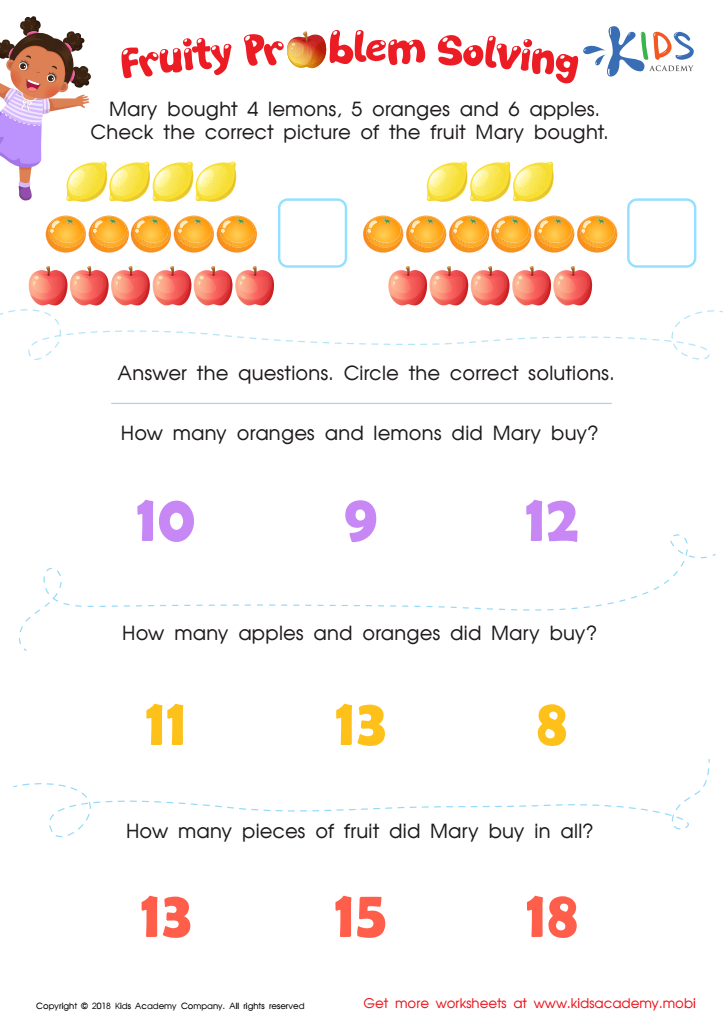
Fruity Problem Solving Worksheet
 Assign to My Students
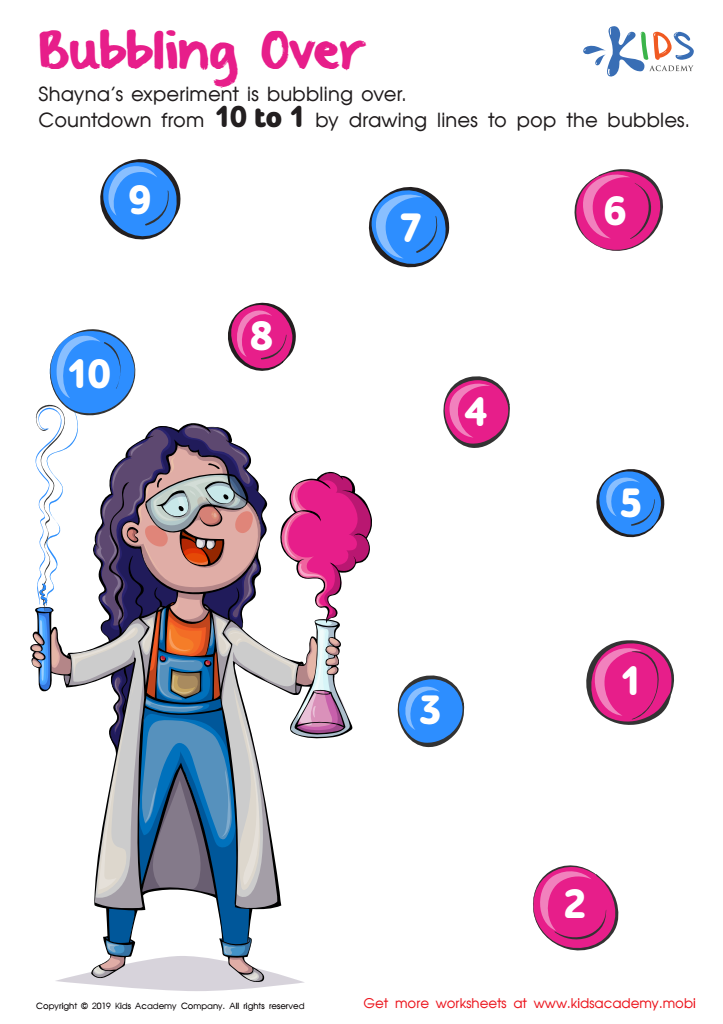
Bubbling Over Worksheet
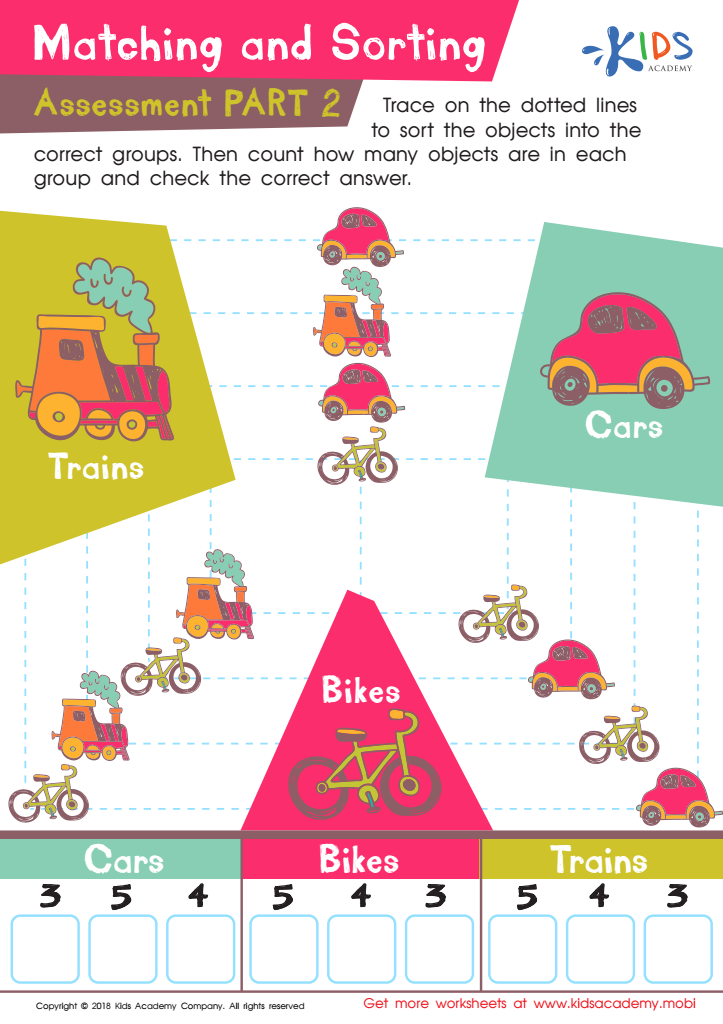
Matching and Sorting for Kindergarten: Assessment 2 Worksheet
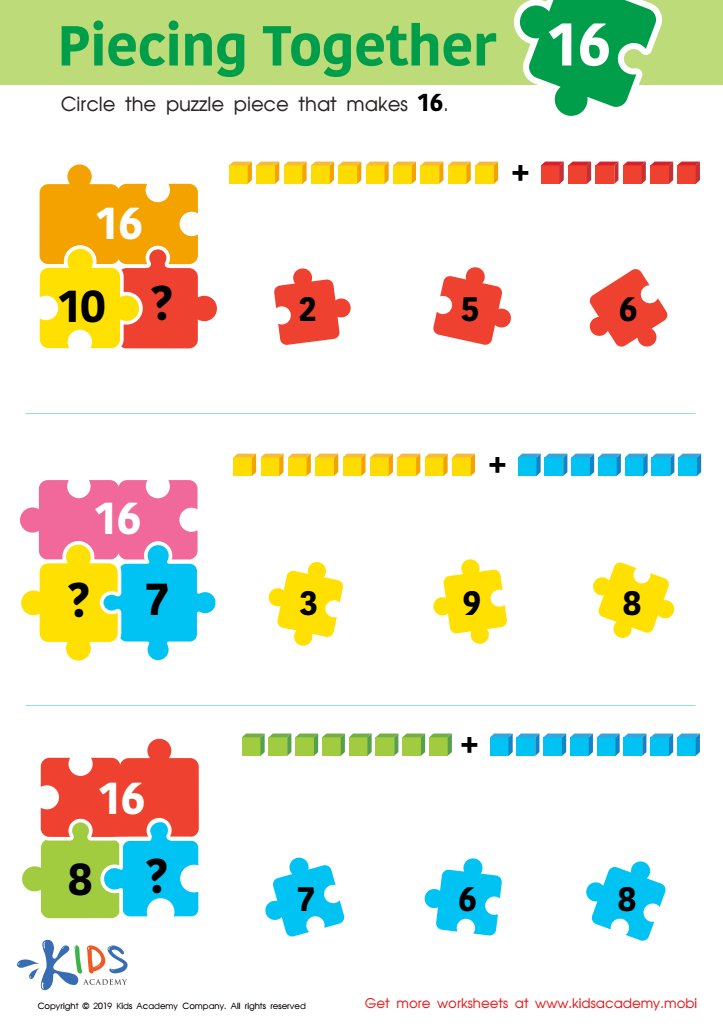
Piecing Together 16 Worksheet
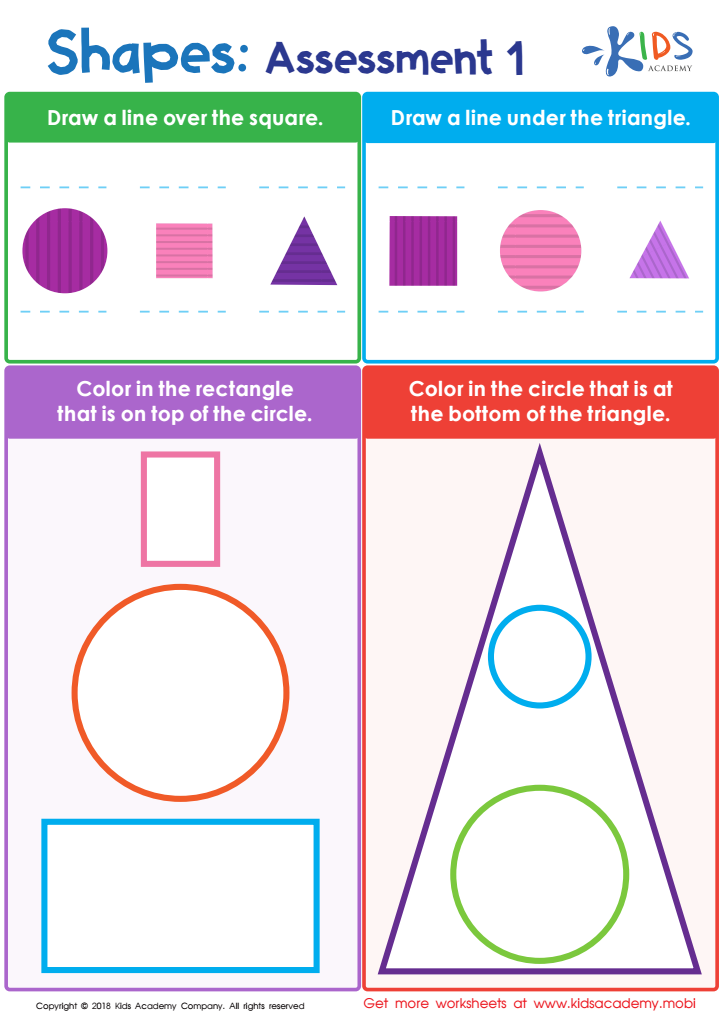
Shapes: Assessment 1 Worksheet
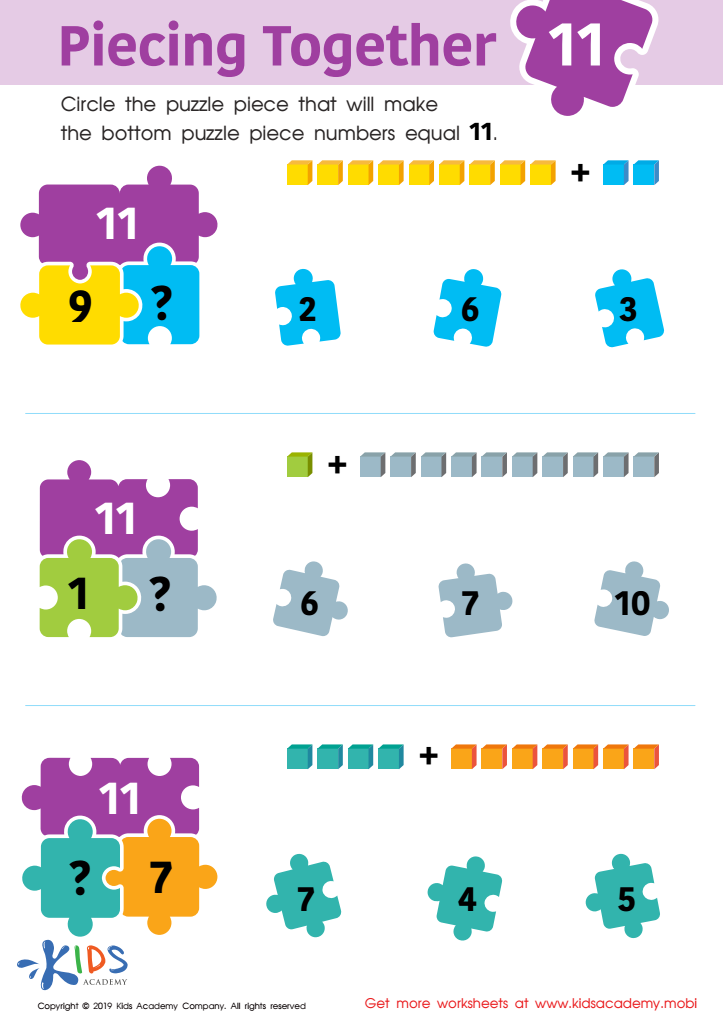
Piecing Together 11 Worksheet







Understanding fractions in kindergarten math is crucial for children’s overall mathematical development. First, it lays the foundation for more complex mathematical concepts that they will encounter in later grades. Early exposure to fractions helps young learners grasp ideas of division and sharing, fostering a sense of fairness and collaboration that is essential in social interactions.
Moreover, fractions are essential in everyday life. Teaching children about halves, quarters, and eighths enables them to understand concepts such as sharing a pizza or dividing a chocolate bar, connecting mathematics to real-world experiences. This relevance enhances engagement, making math feel less intimidating and more relatable.
When parents and teachers emphasize fraction concepts, they encourage critical thinking and problem-solving skills. Children learn to identify parts of a whole and begin to appreciate comparisons and measurements, useful in cooking, shopping, and even telling time.
Furthermore, fostering a positive mindset about math at an early age can lead to greater confidence and achievement in school. When adults demonstrate enthusiasm and support for understanding fractions, they inspire children, helping them develop a lifelong interest in mathematics and analytical thinking. Ultimately, nurturing these skills is essential for children's growth as they navigate their educational journeys and daily lives.








