Critical Thinking Kindergarten Science Worksheets
6 filtered results
-
From - To
Enhance your kindergarten classroom with our engaging Critical Thinking Science Worksheets! Designed specifically for young learners, these worksheets encourage curiosity and analytical skills through fun and interactive activities. Each worksheet challenges students to ask questions, explore their surroundings, and think creatively about scientific concepts. From nature observations to simple experiments, these resources promote observational skills and problem-solving abilities. Ideal for supplementing lessons or for at-home practice, our worksheets cater to various learning styles, ensuring every child can thrive. Equip your students with essential critical thinking skills while fostering a love for science. Download our printable worksheets today for an enriching educational experience!
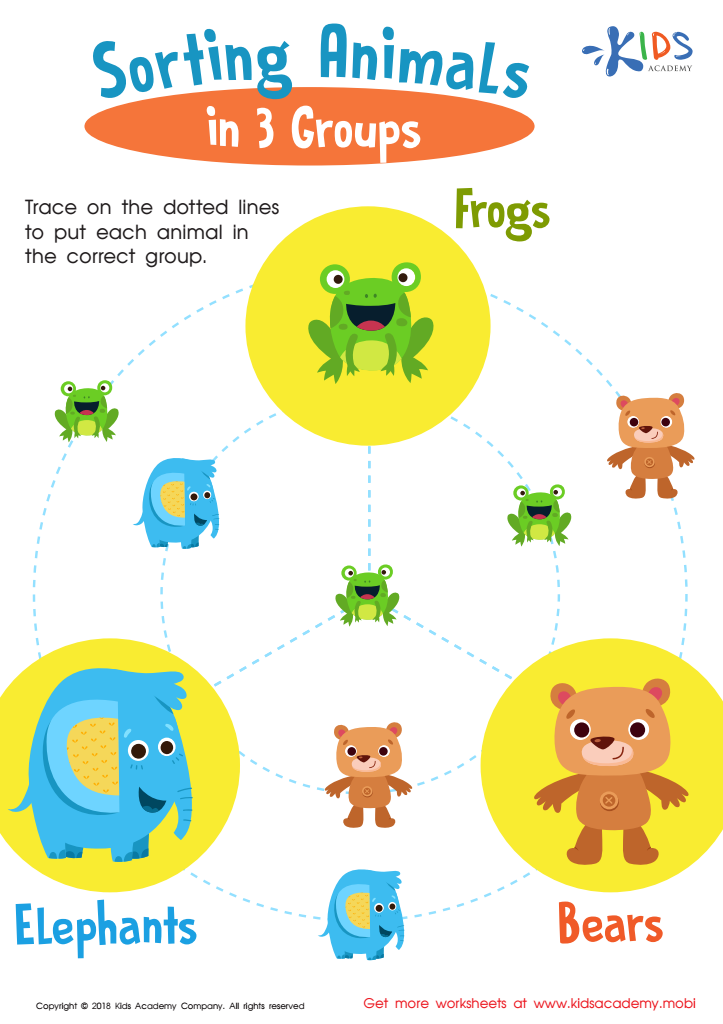
Sorting Animals in 3 Groups Worksheet
 Assign to My Students
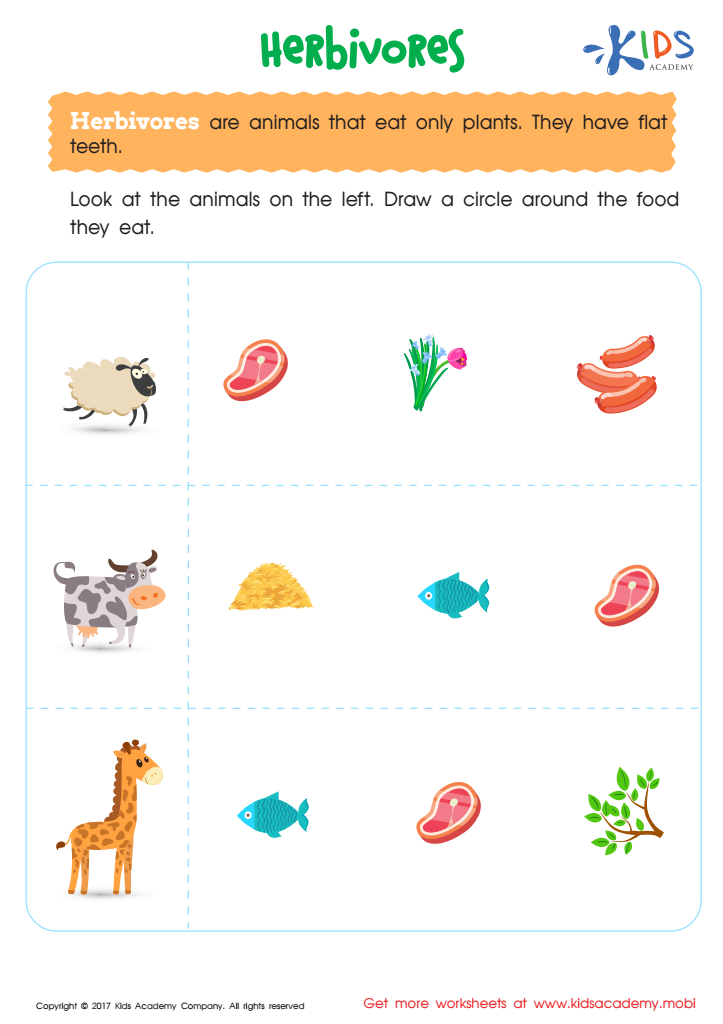
Herbivores Printable
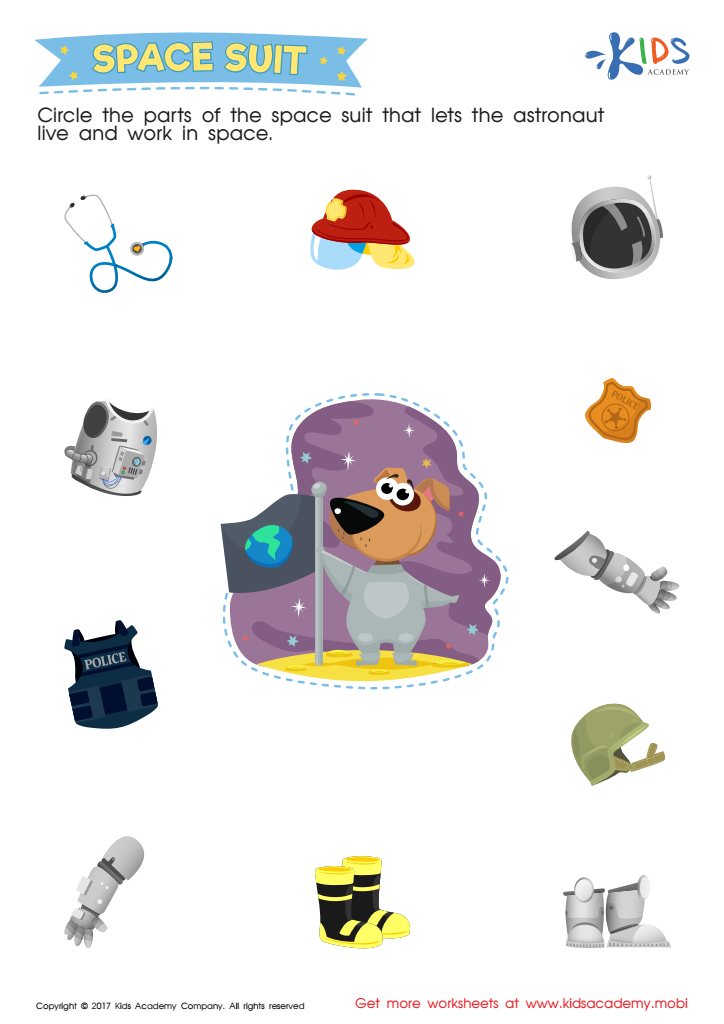
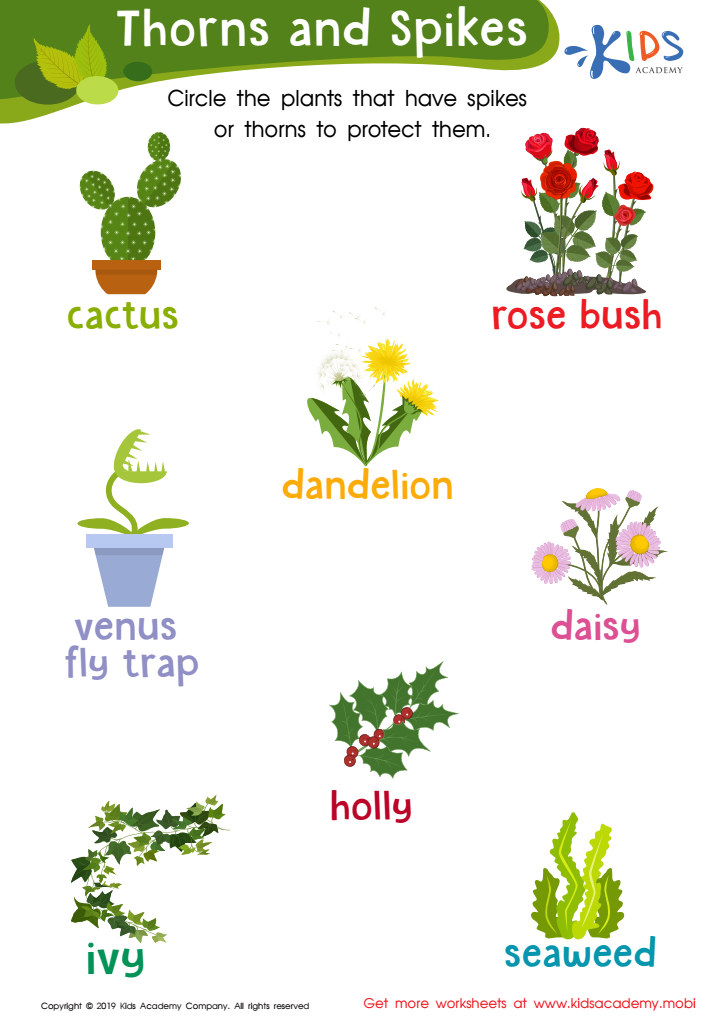
Thorns and Spikes Worksheet
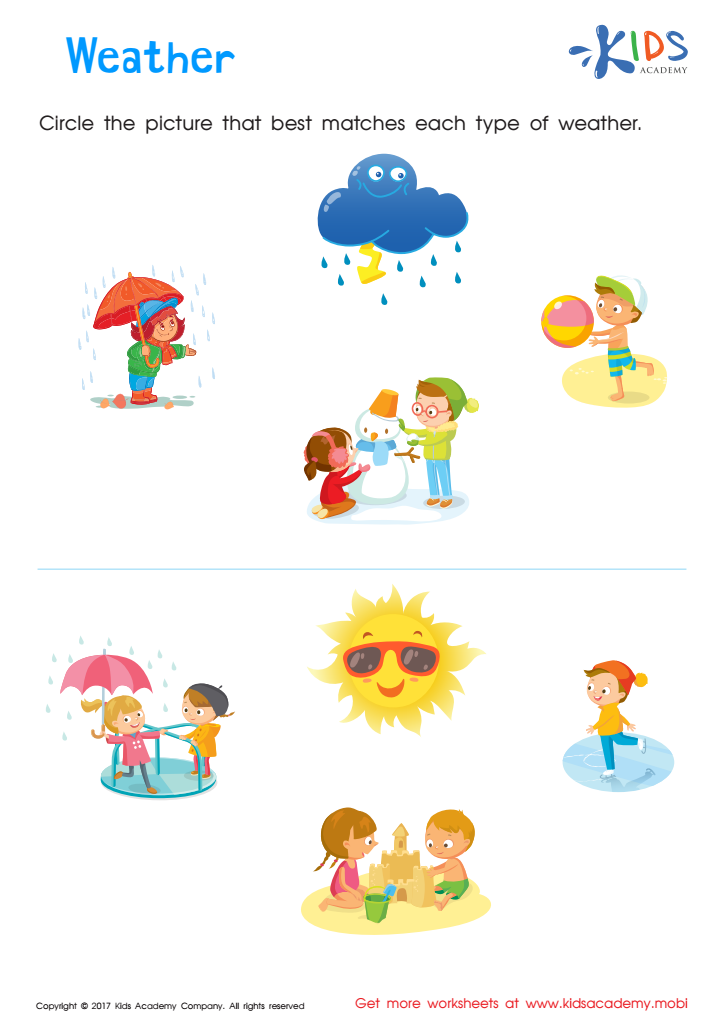
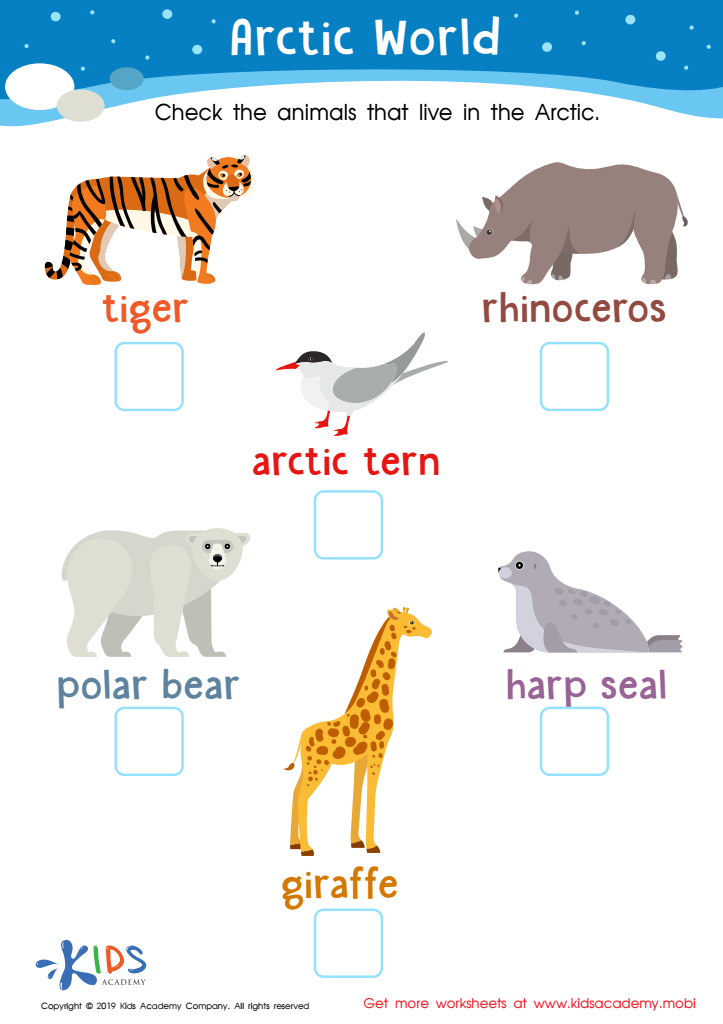
Arctic World Worksheet




.jpg)


Parents and teachers should prioritize critical thinking in kindergarten science because it lays the foundation for robust cognitive development and instills a lifelong love for learning. Developing critical thinking skills at an early age empowers children to ask questions, make observations, and explore the world around them with curiosity and intent. In the realm of science, this means encouraging them to hypothesize, test, and draw conclusions based on their experiences, fostering an analytical mindset.
Critical thinking in science also enhances problem-solving abilities, equipping children to tackle challenges creatively and collaboratively. As they engage in hands-on experiments and inquiry-based learning, they learn to process information critically and discern reliable sources, which is essential in our information-rich age.
Moreover, fostering critical thinking aligns with core educational standards and prepares students for future academic success across subjects. Educators and parents play crucial roles in creating supportive environments where children feel safe to express ideas and make mistakes—an integral part of learning. By promoting critical thinking in kindergarten science, we cultivate thoughtful, inquisitive, and resilient learners who are well-prepared for the complexities of the world. Engaging them early nurtures a generation of problem-solvers ready to innovate and lead.