Cognitive Development Addition & Subtraction Worksheets - Page 2
122 filtered results
-
From - To
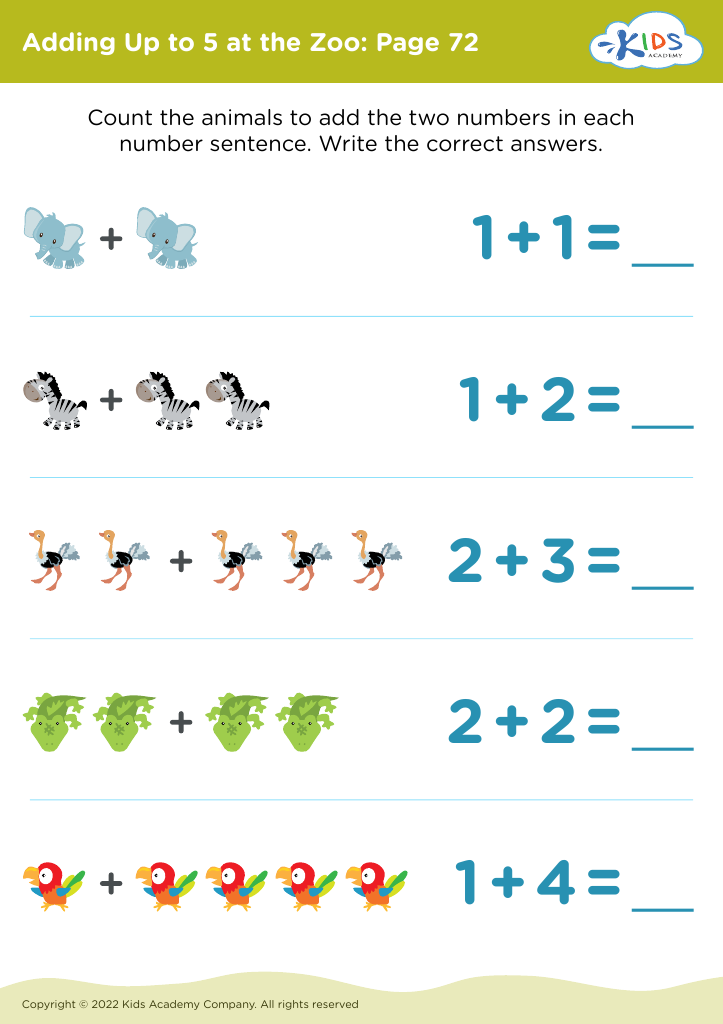
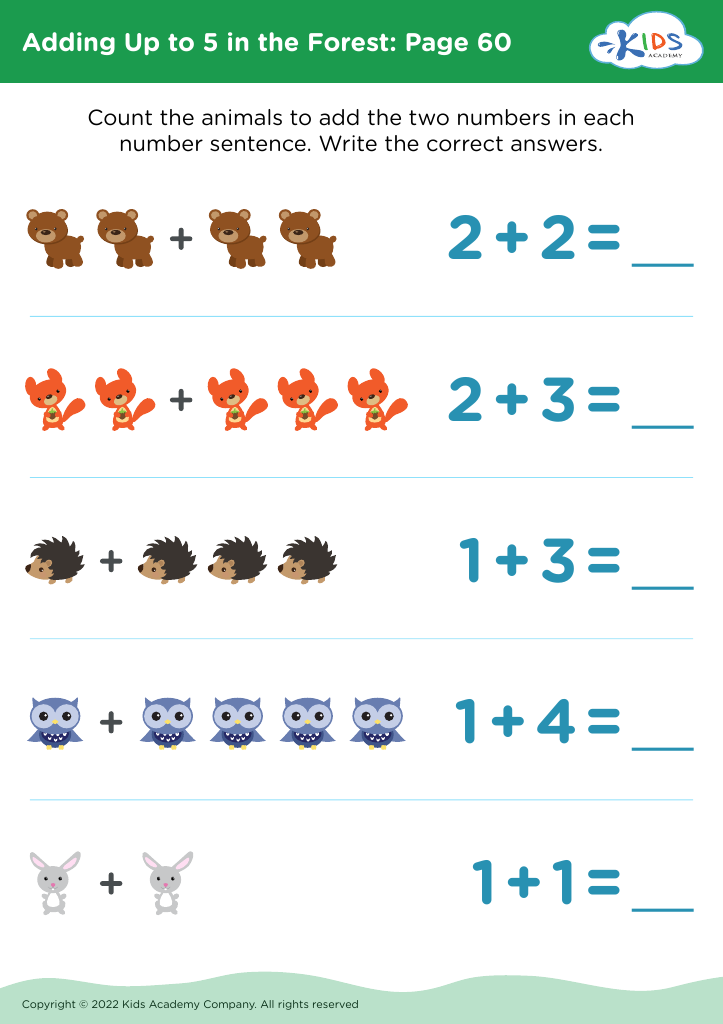
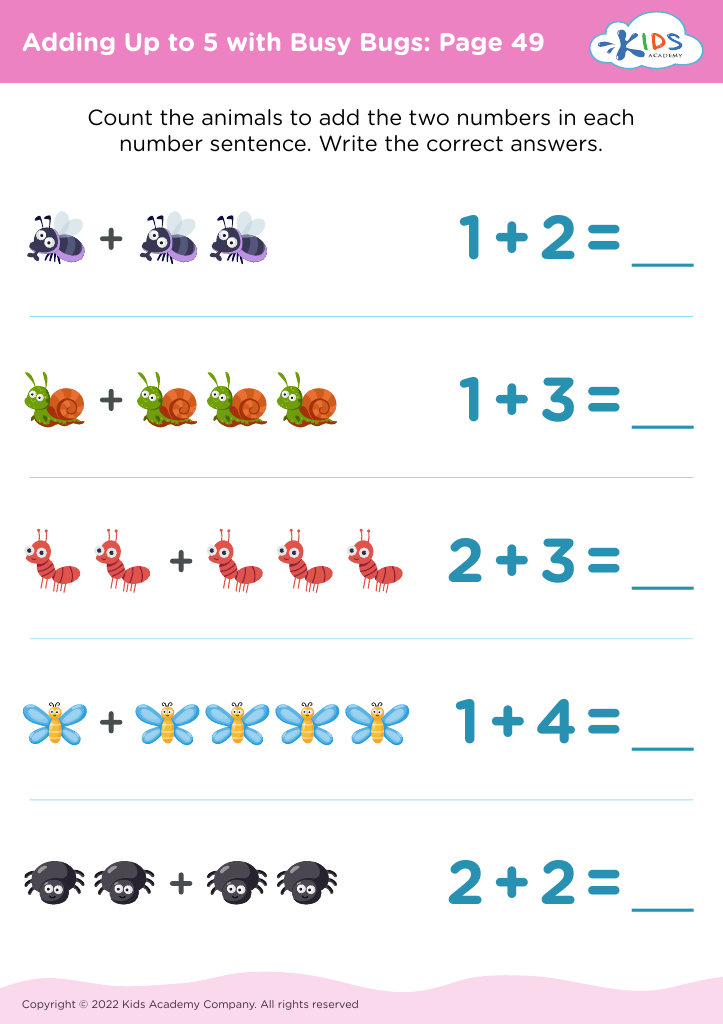
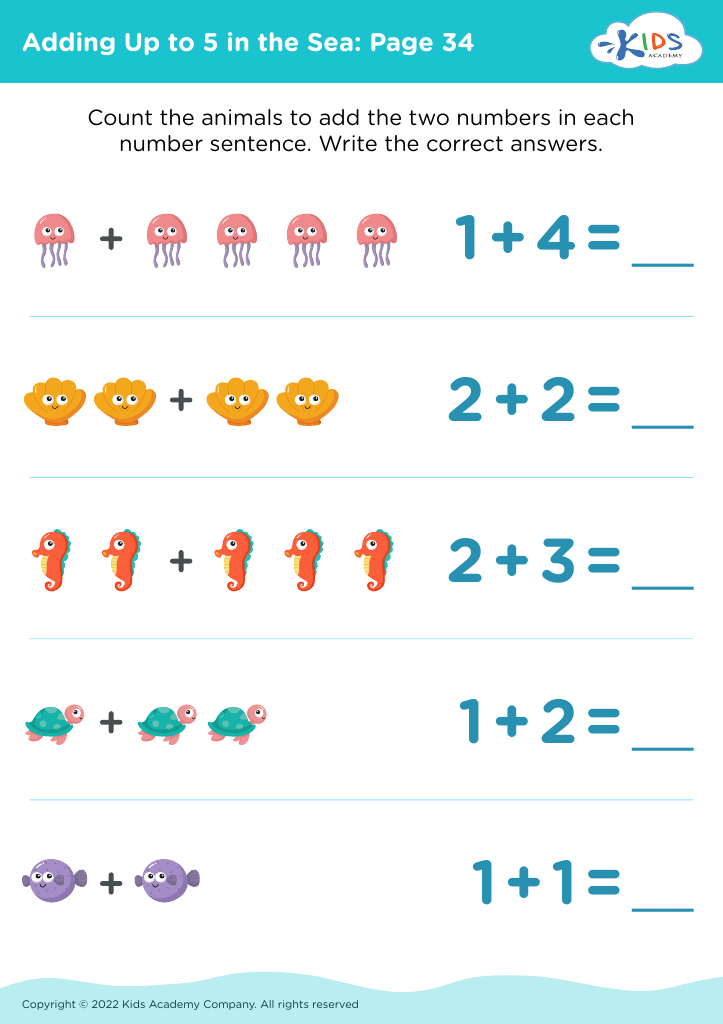
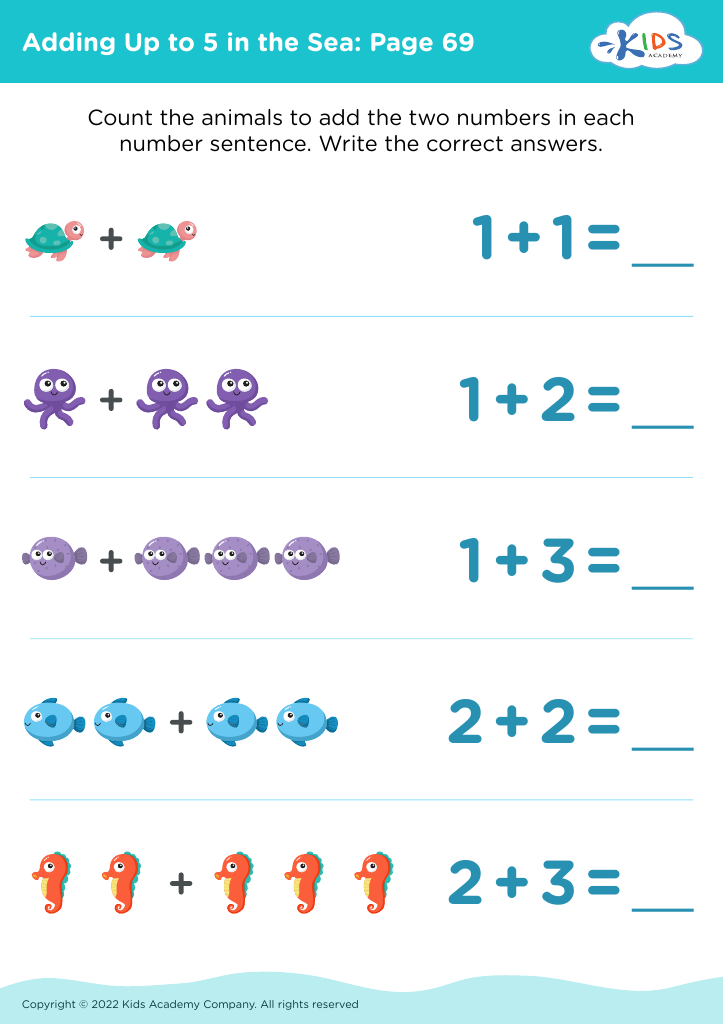
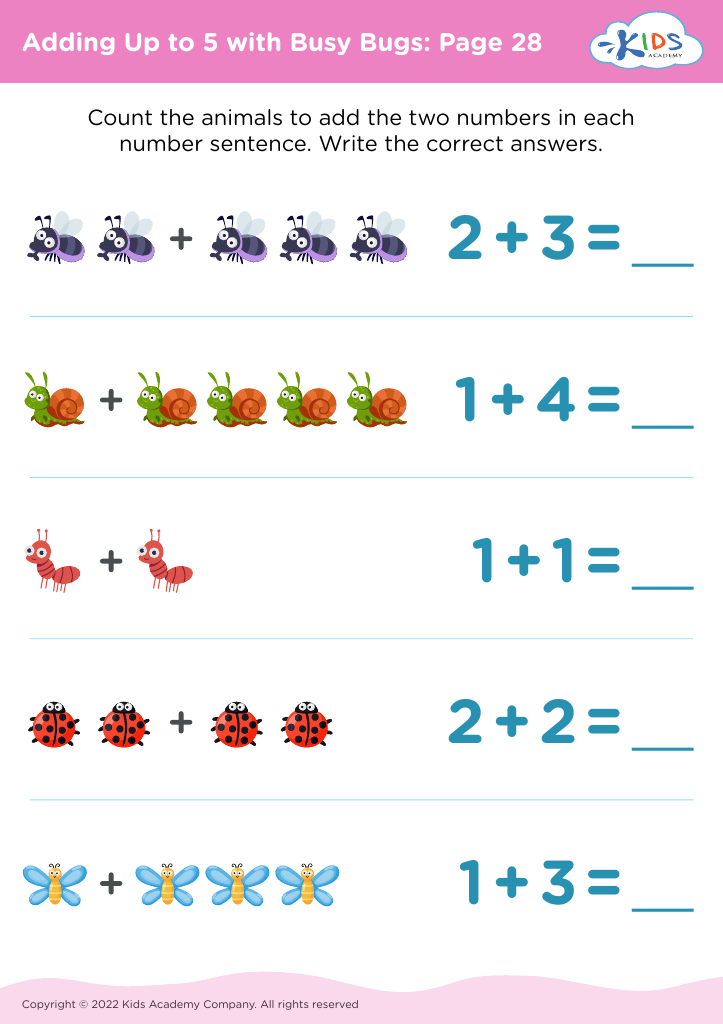
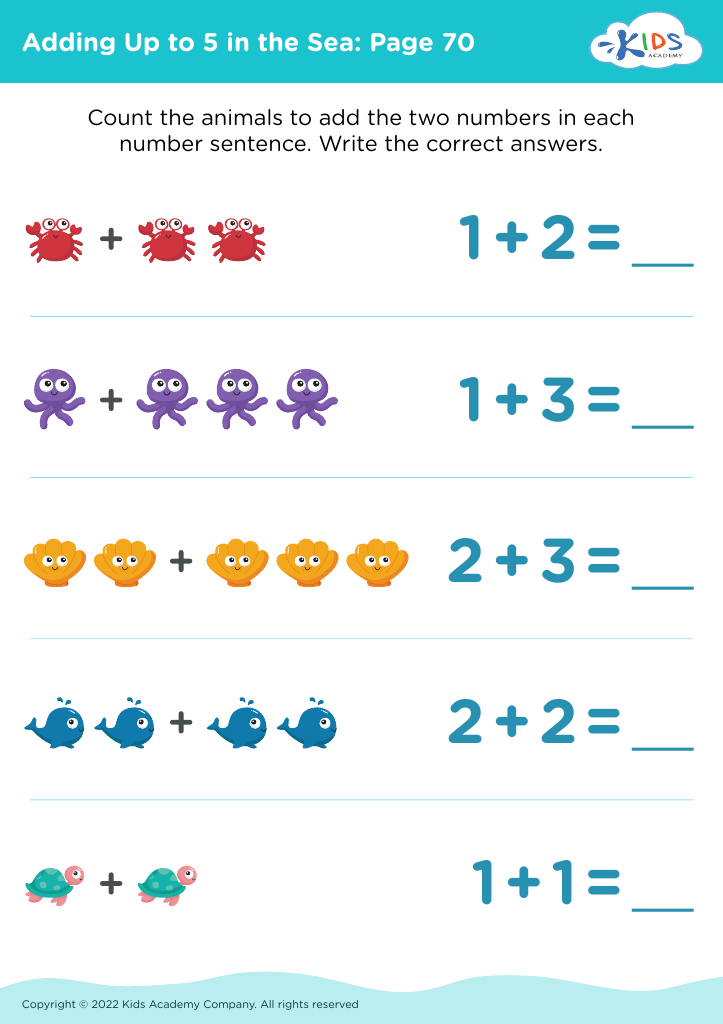
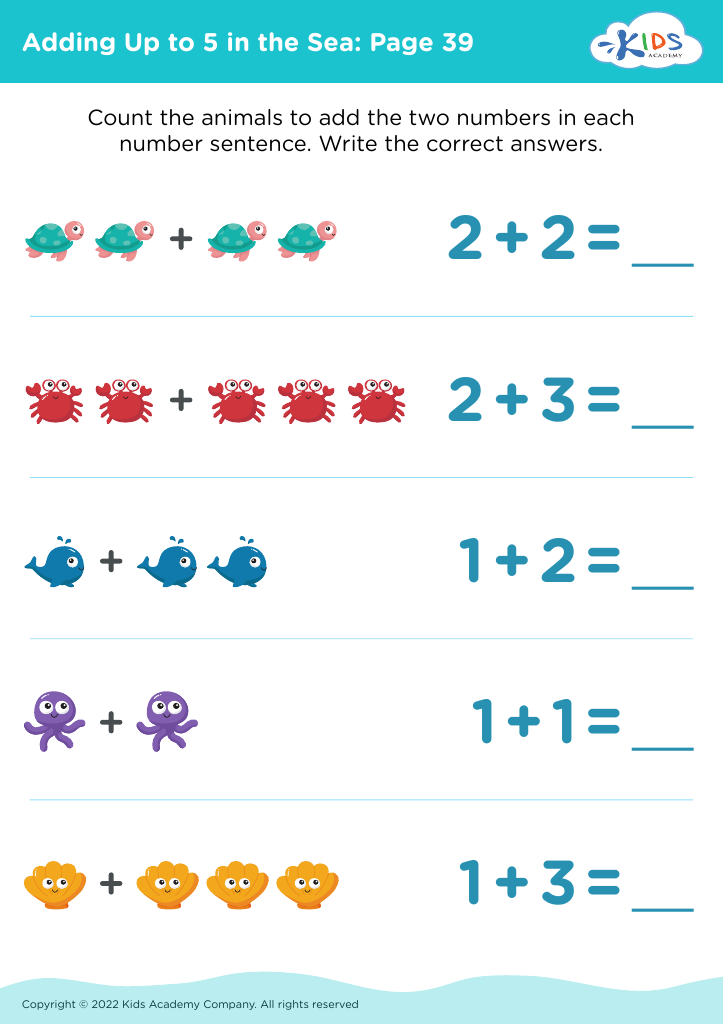
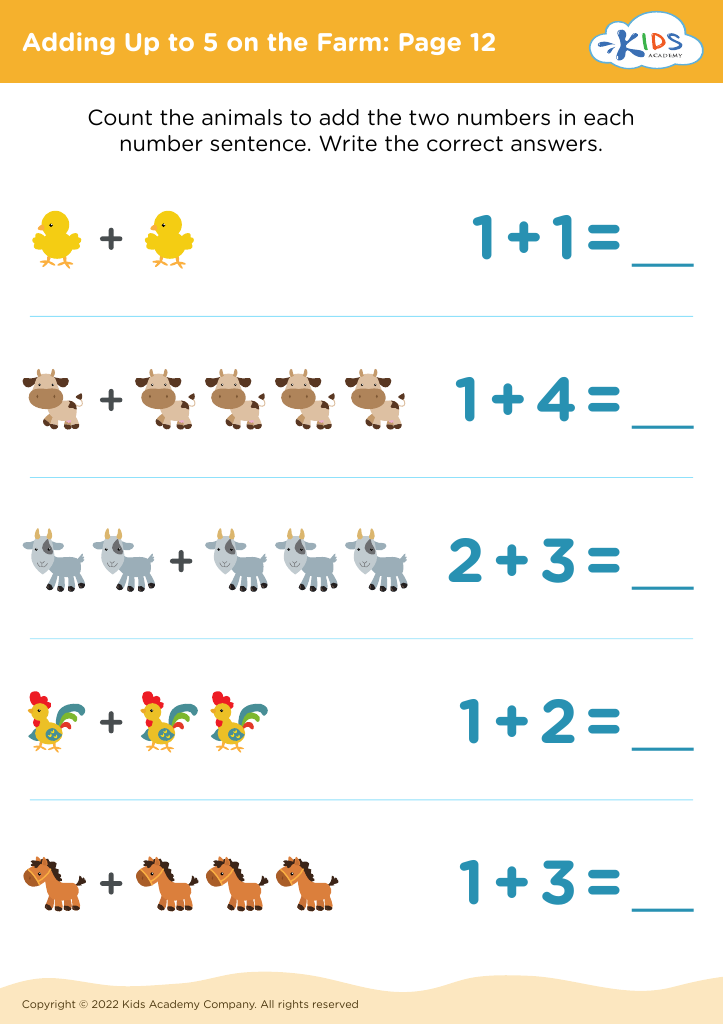
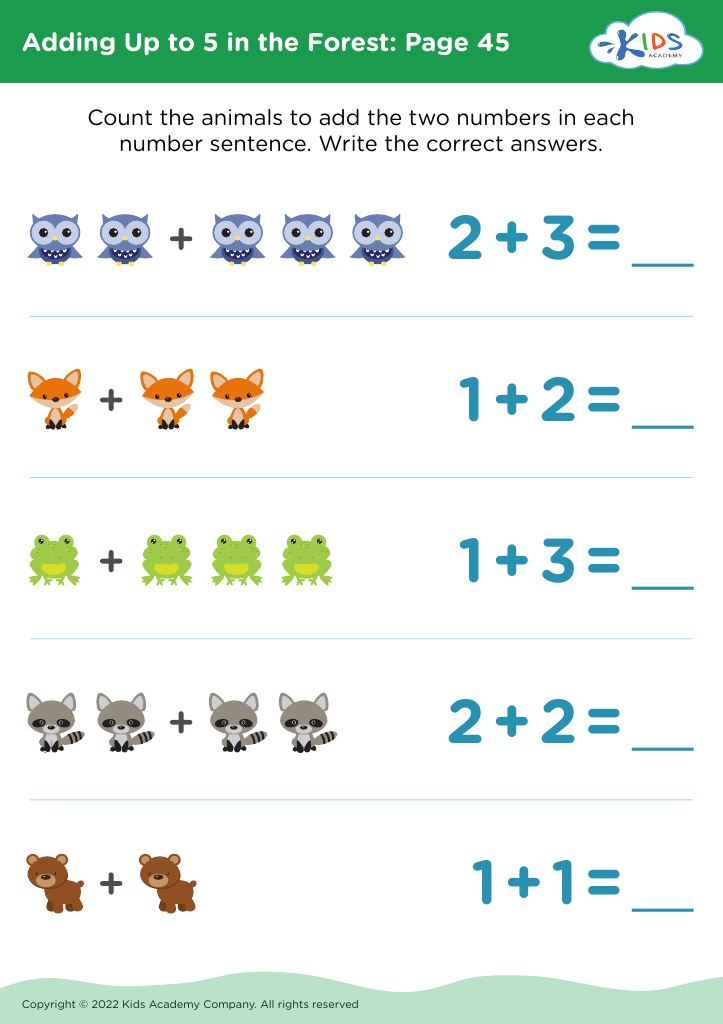
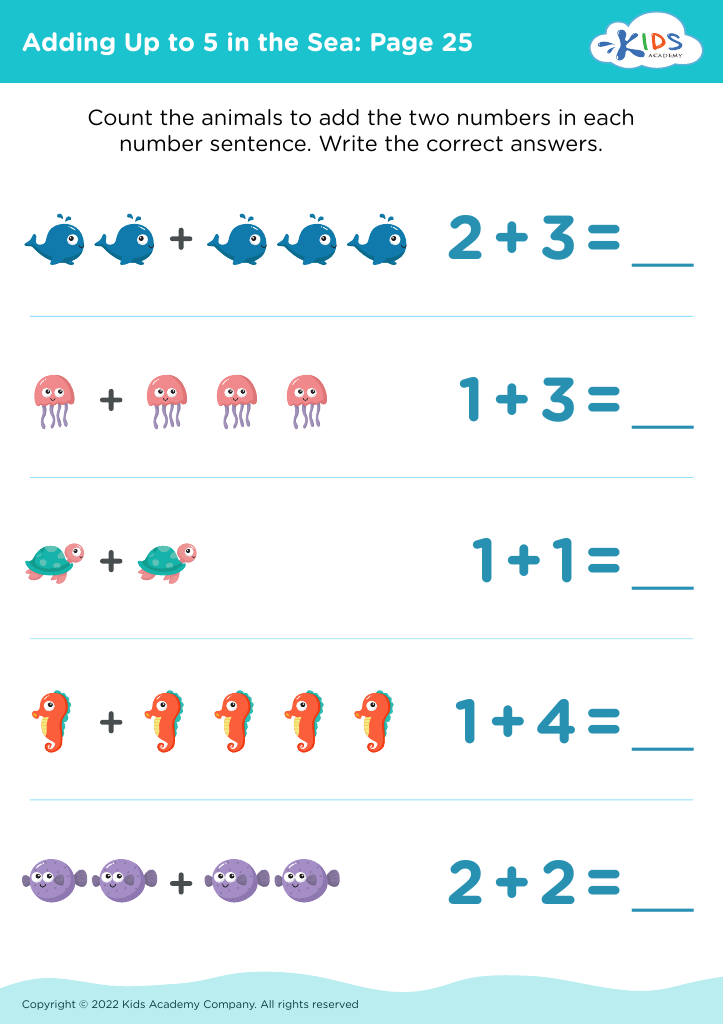
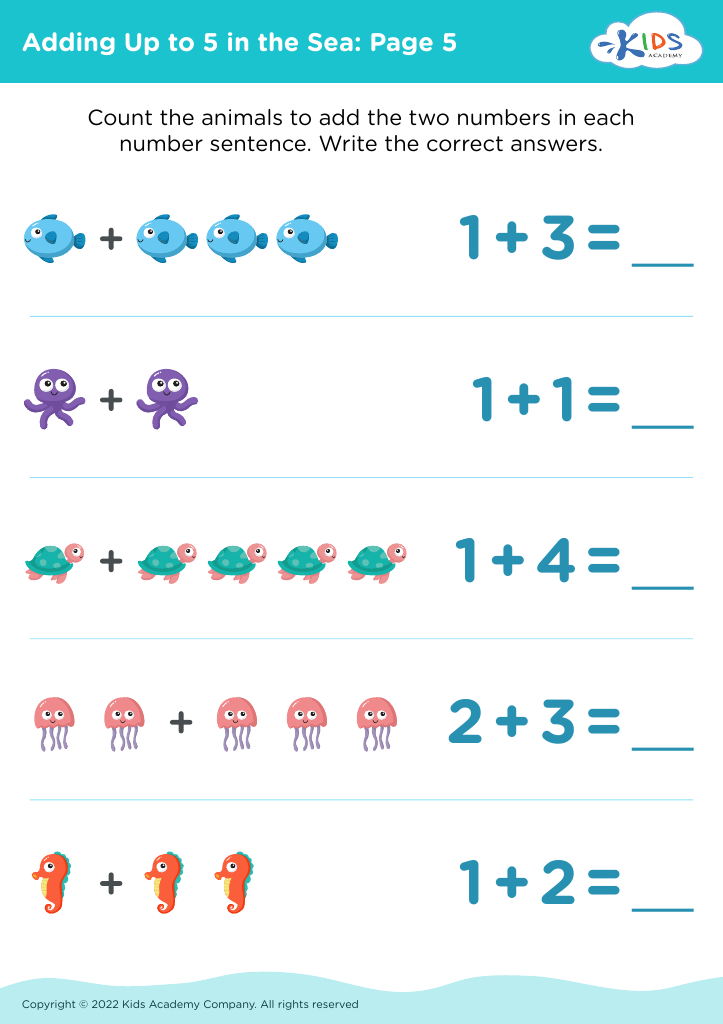
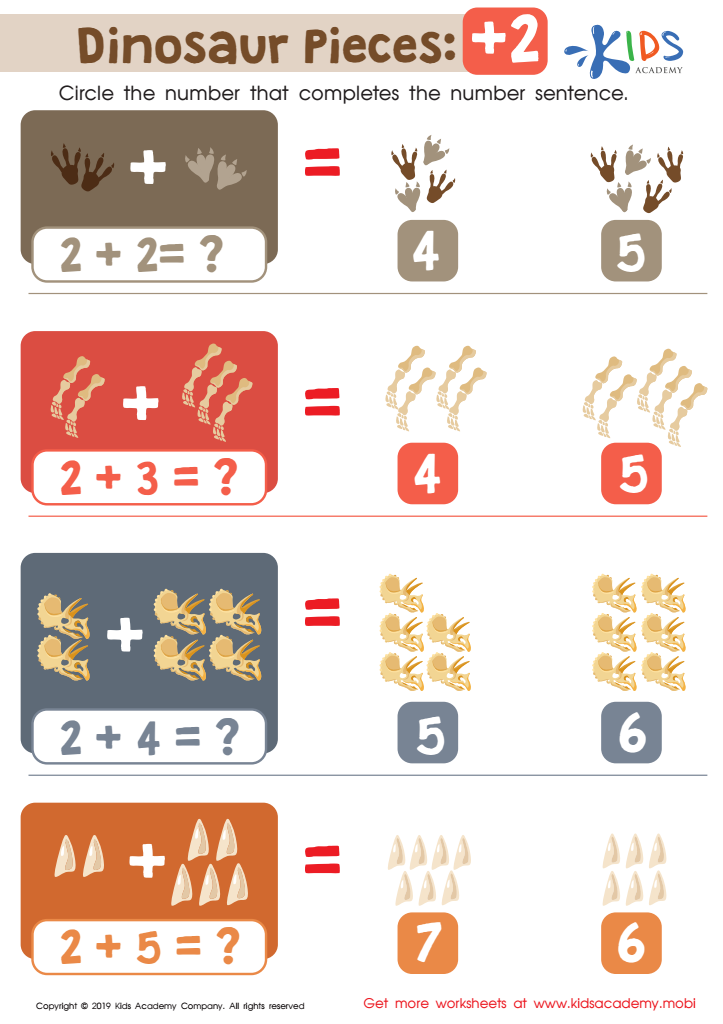
Dinosaur Pieces: +2 Worksheet
 Assign to My Students
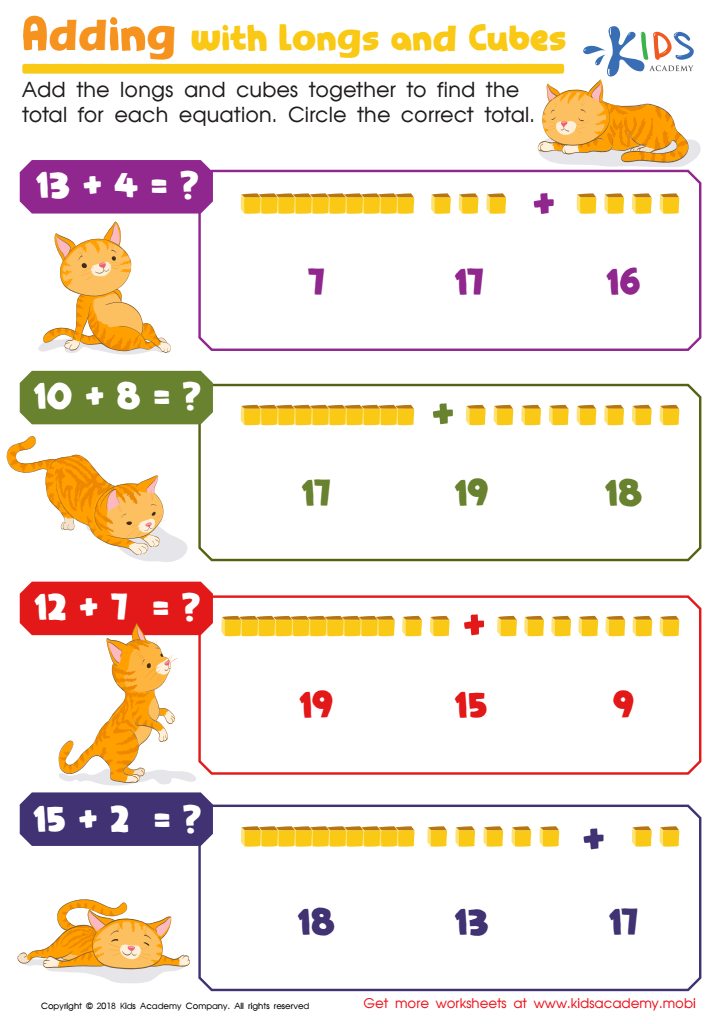
Adding With Longs and Cubes Worksheet
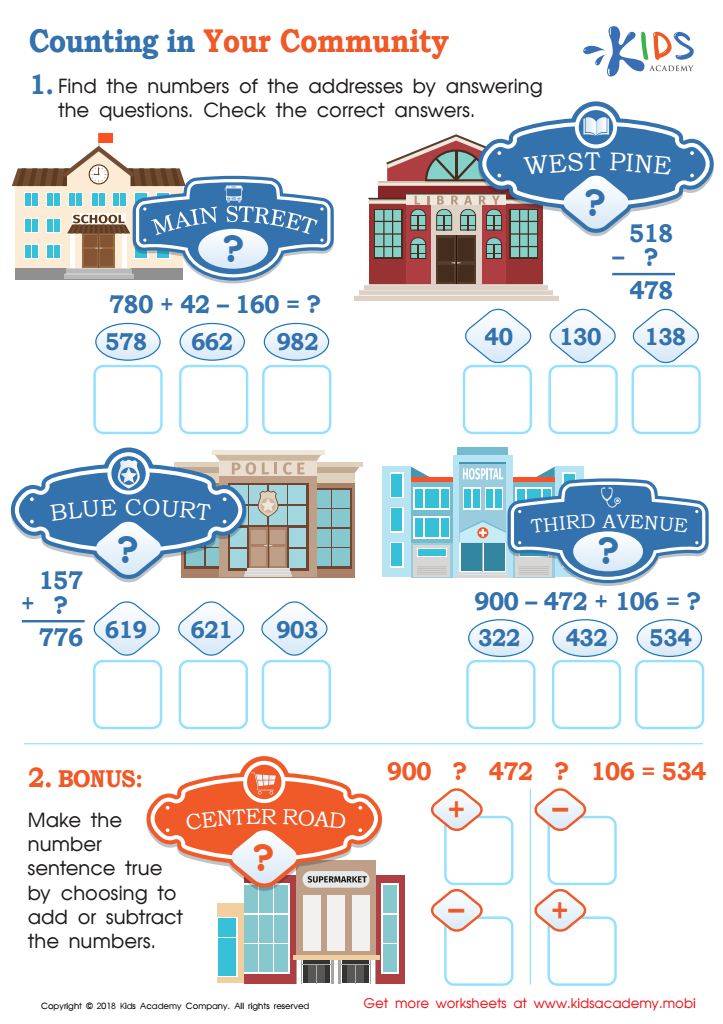
Counting in Your Community Worksheet
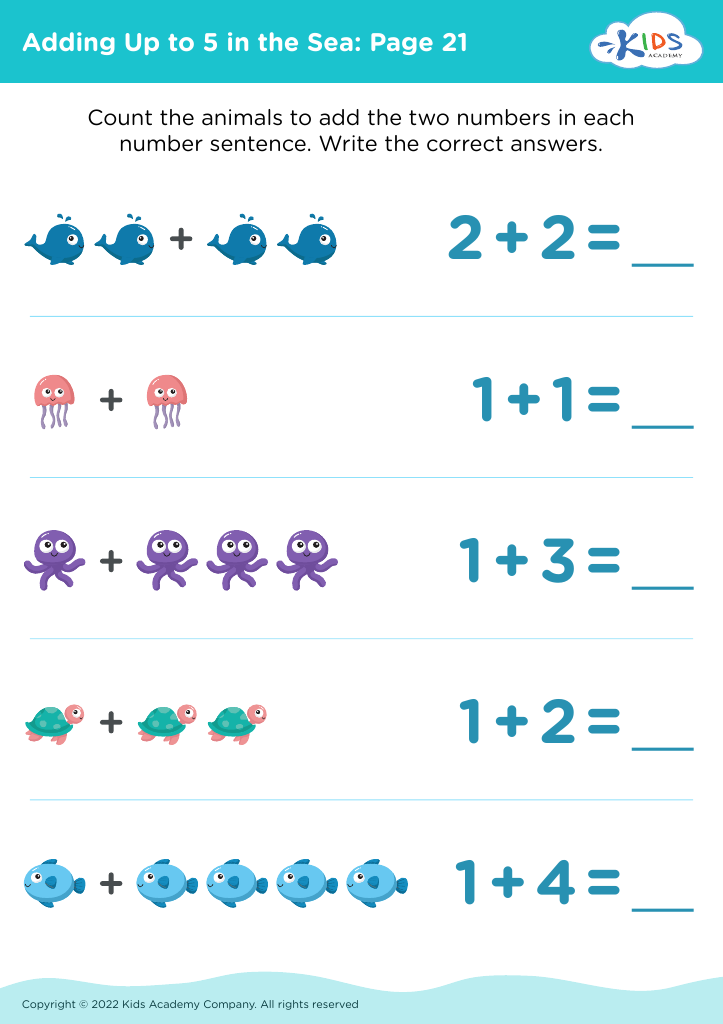
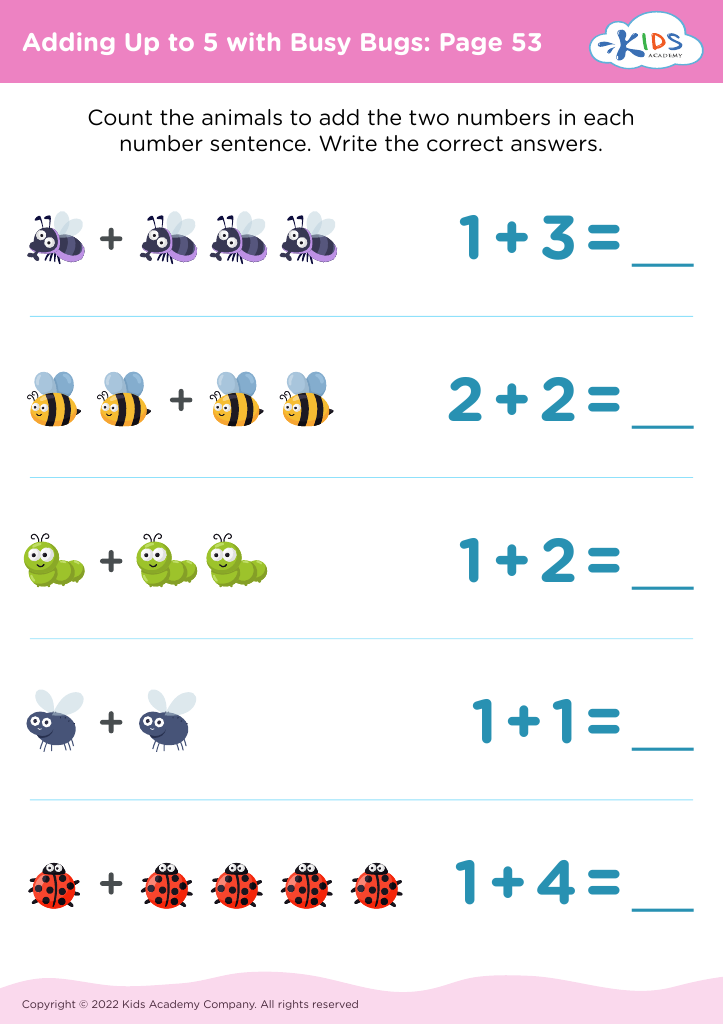
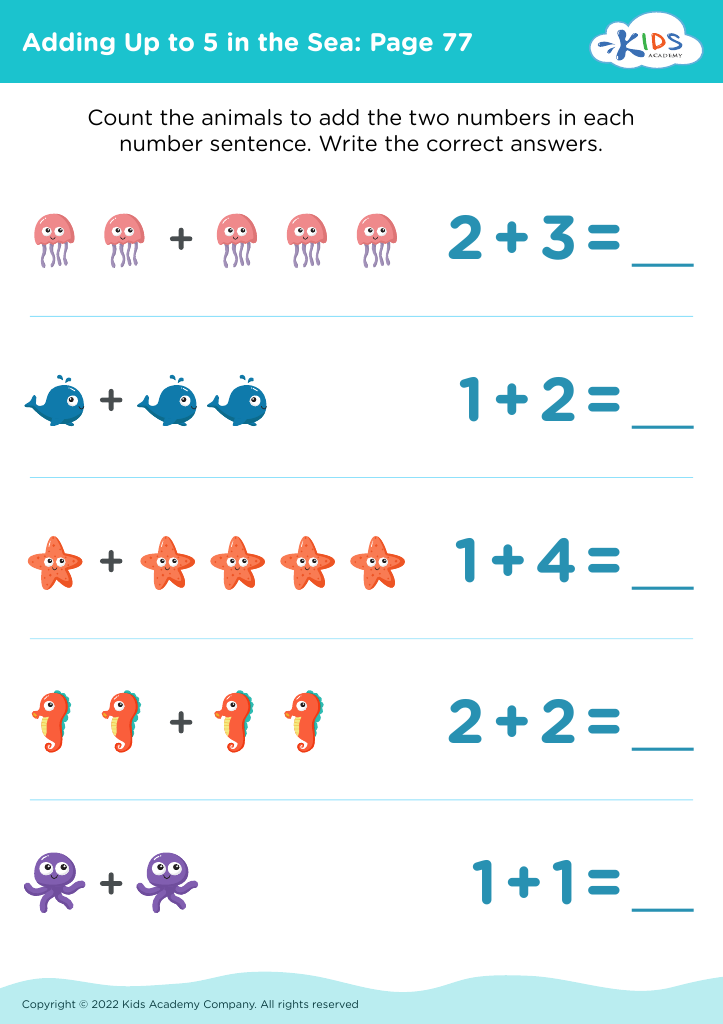
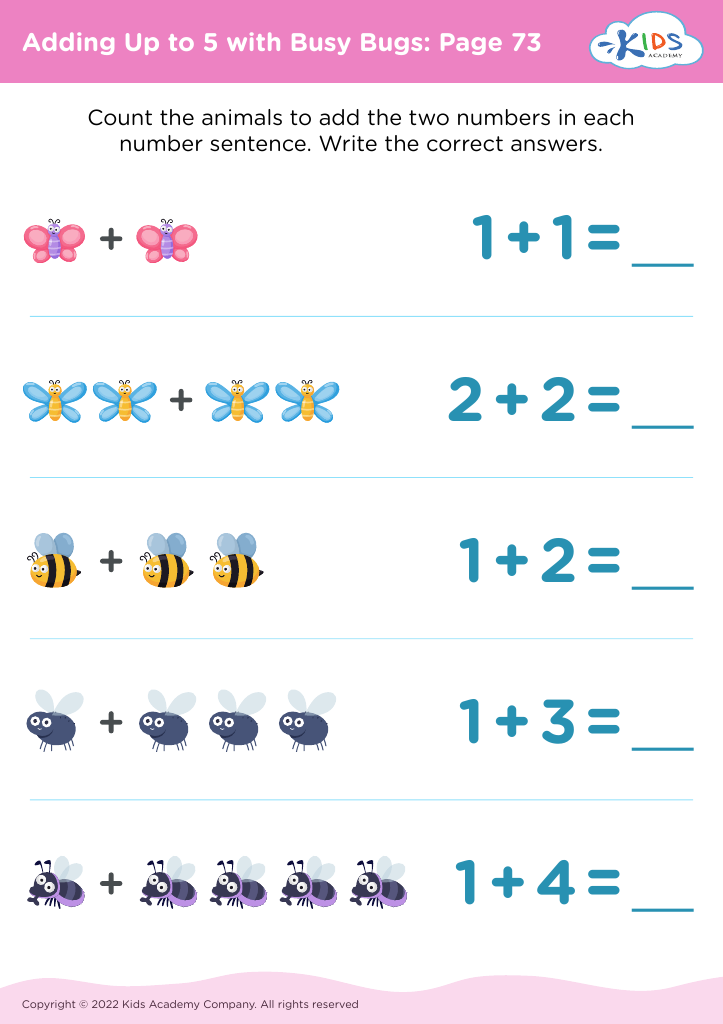




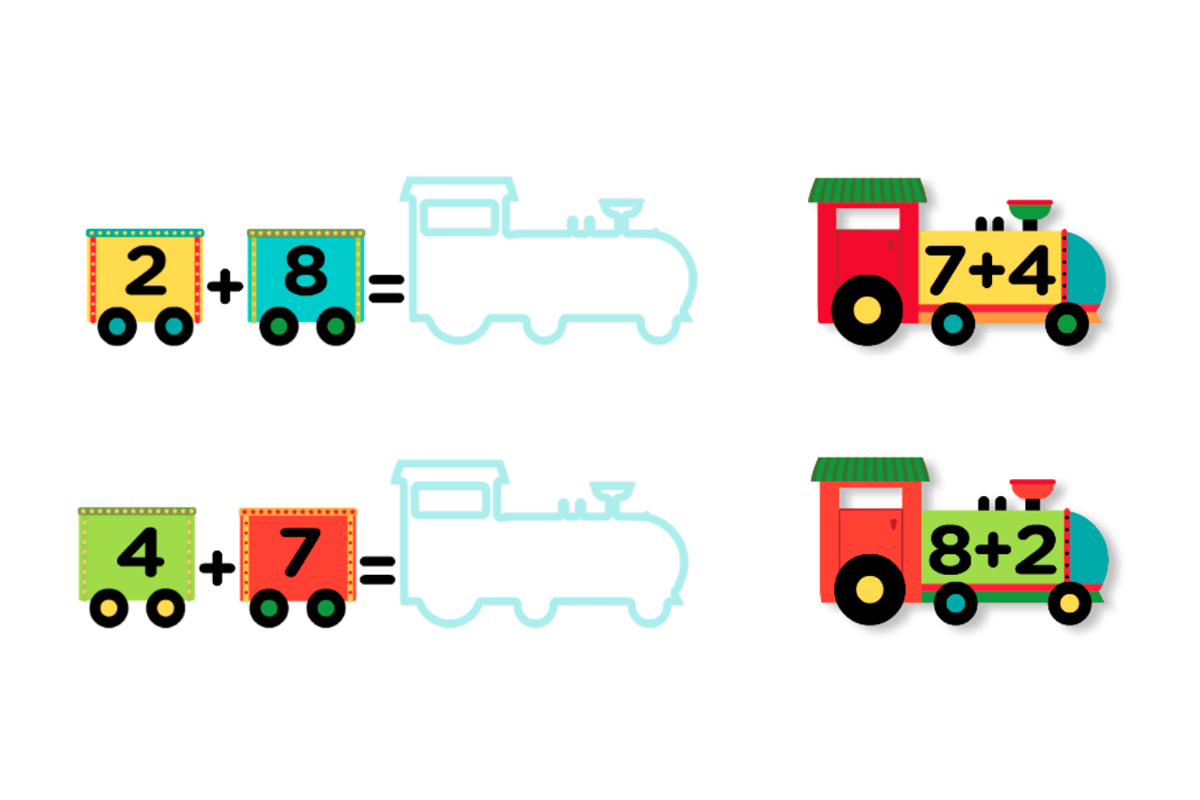



Cognitive development in early childhood is crucial for setting the foundation for future learning, and mastering basic addition and subtraction is a key component of this process. Parents and teachers should prioritize these skills as they not only facilitate mathematical understanding but also enhance critical thinking and problem-solving abilities.
When children learn to add and subtract, they engage in processes that require them to manipulate numbers mentally, recognize patterns, and understand relationships between quantities. These skills promote cognitive flexibility, allowing young learners to approach problems from different angles and find solutions efficiently.
Moreover, proficiency in addition and subtraction encourages confidence in math-related tasks, reducing math anxiety and fostering a positive attitude toward learning. This foundational knowledge translates into future success in more advanced mathematical concepts and disciplines.
Additionally, parents and teachers can support cognitive development beyond the classroom by integrating math into daily activities, such as cooking, shopping, or playing games that involve counting. This real-world application reinforces the relevance of these skills. Ultimately, by nurturing early addition and subtraction abilities, adults play a pivotal role in cultivating a lifelong appreciation for math and enhancing children’s overall cognitive development.








