Compare fractions Addition & Subtraction Worksheets
6 filtered results
-
From - To
Welcome to our "Compare Fractions Addition & Subtraction Worksheets" page! Designed for young learners, these engaging worksheets help students master the crucial skills of comparing fractions, along with addition and subtraction. Each worksheet features fun and interactive exercises that encourage students to analyze and understand the relationships between fractions. By working through these activities, children will build confidence in their math abilities while reinforcing their understanding of fractions. Perfect for classroom use or at-home practice, these resources ensure learning is both enjoyable and effective. Dive into the world of fractions today and watch your child’s skills soar!
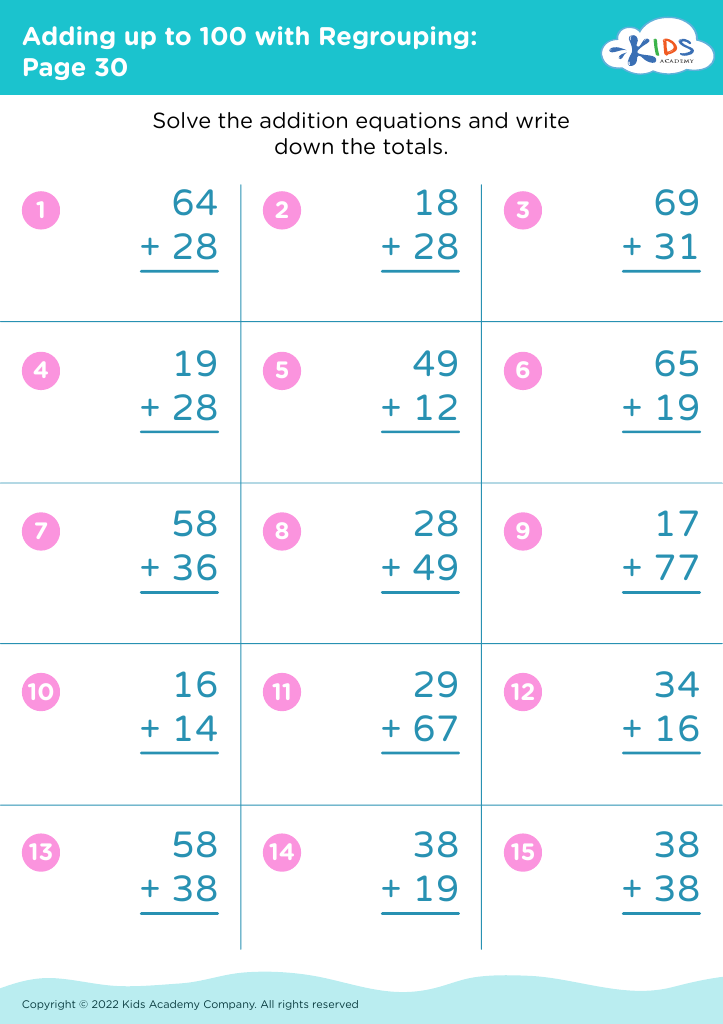
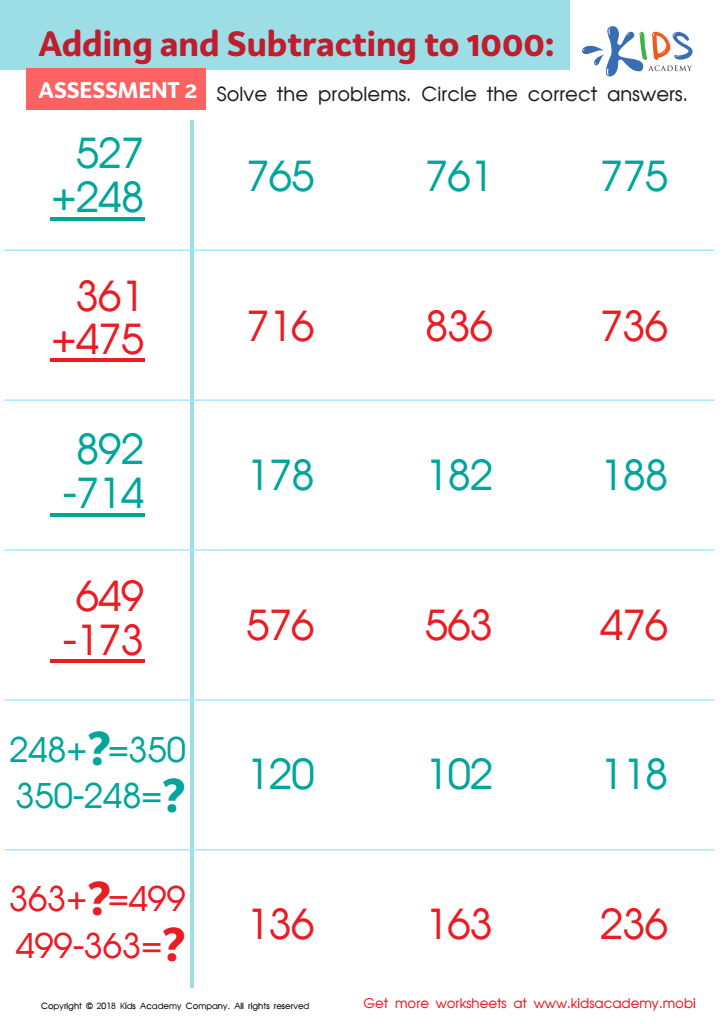
Adding and Subtracting to 1 Worksheet: Assessment 2
 Assign to My Students
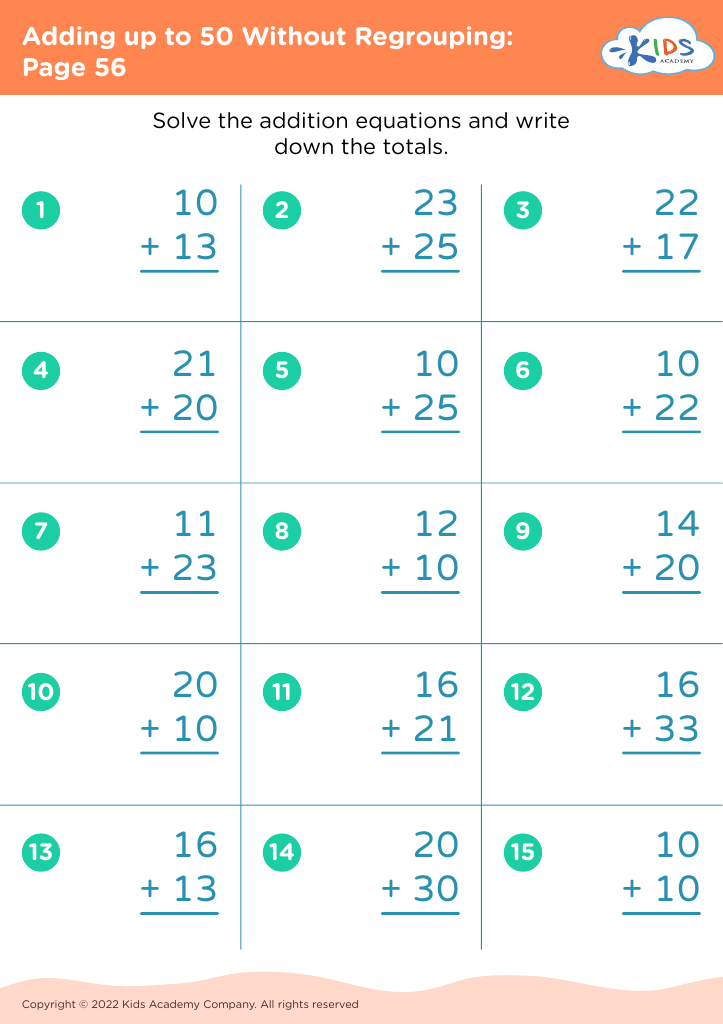
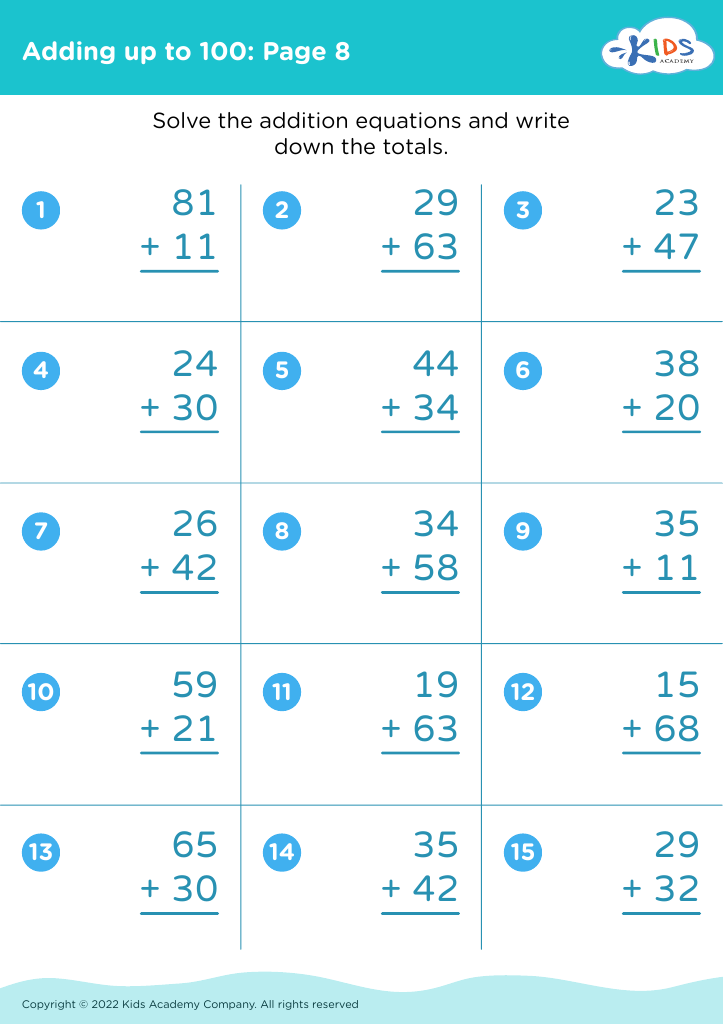








Parents and teachers should prioritize understanding the addition and subtraction of fractions for several compelling reasons. First, mastering these concepts is crucial in early mathematics education, as they form a foundation for more advanced topics in arithmetic, algebra, and beyond. Being able to successfully compare, add, and subtract fractions enhances critical thinking skills, promotes problem-solving abilities, and fosters mathematical reasoning.
Furthermore, everyday life often involves working with fractions—whether cooking, budgeting, or measuring. A solid grounding in fraction operations empowers children to navigate daily tasks confidently. When parents and teachers engage in this topic, they create an educational environment where students can connect classroom learning with real-world applications.
Additionally, working on fractions helps develop a growth mindset in children. As they tackle the challenges of comparing and manipulating fractions, they learn perseverance and resilience, which are vital life skills.
Encouraging collaborative exercises in comparing fractions—like games and discussions—can make learning more enjoyable and less intimidating. The collaboration between parents and teachers ensures that students receive consistent support and guidance, leading to greater success and a positive attitude towards math. Ultimately, understanding fraction arithmetic paves the way for lifelong learning and confidence in mathematics.








