Comparing numbers Addition & Subtraction Worksheets
4 filtered results
-
From - To
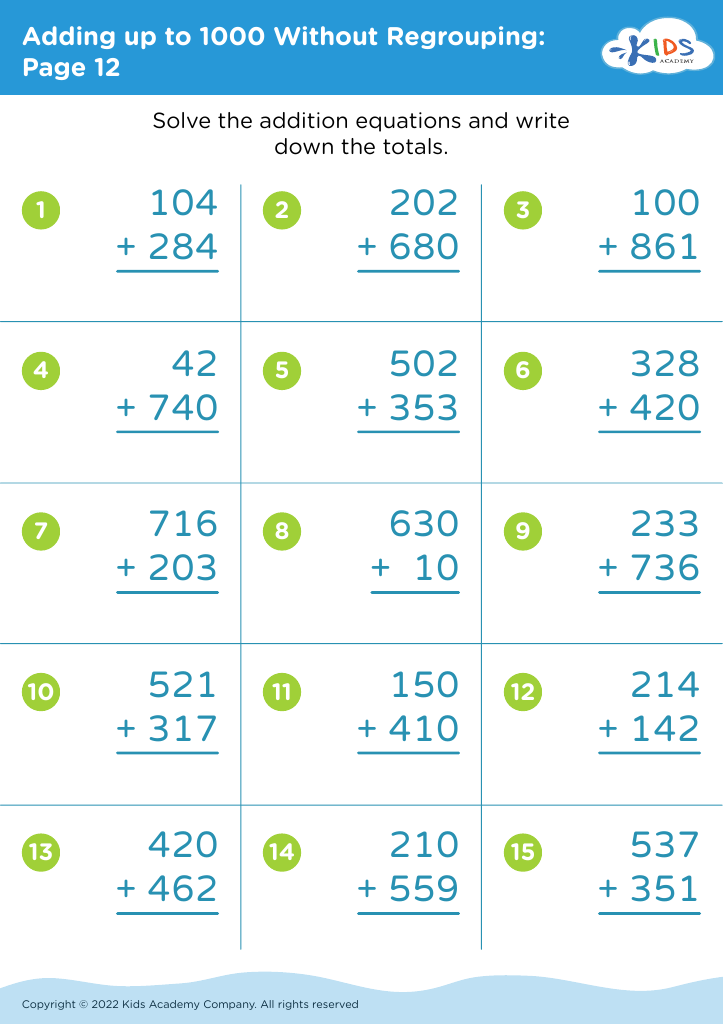
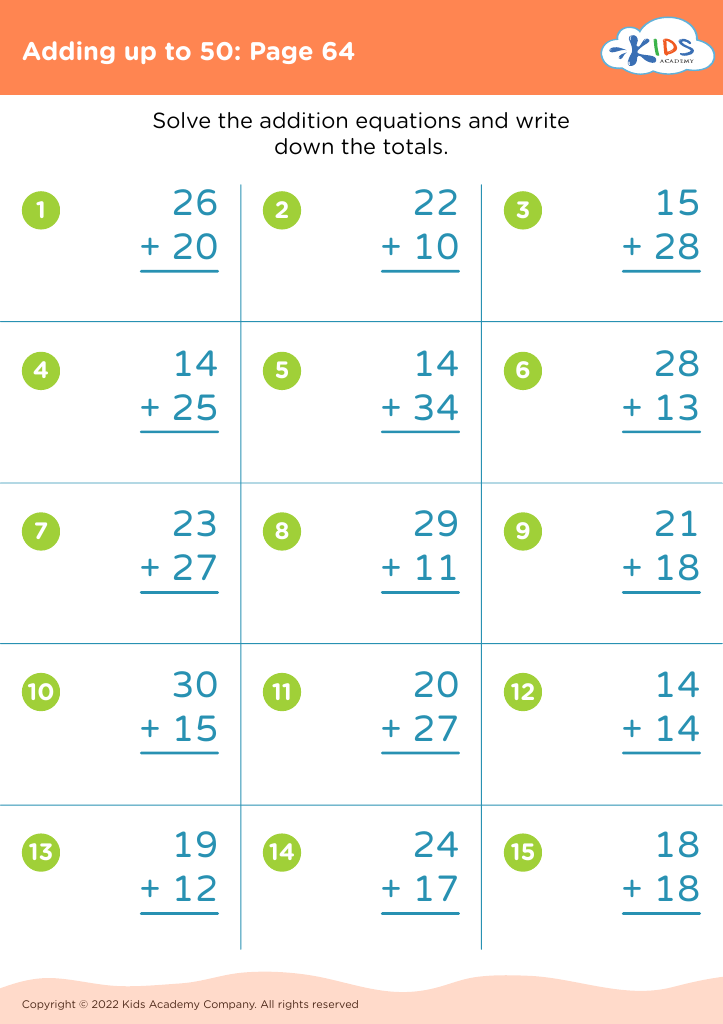
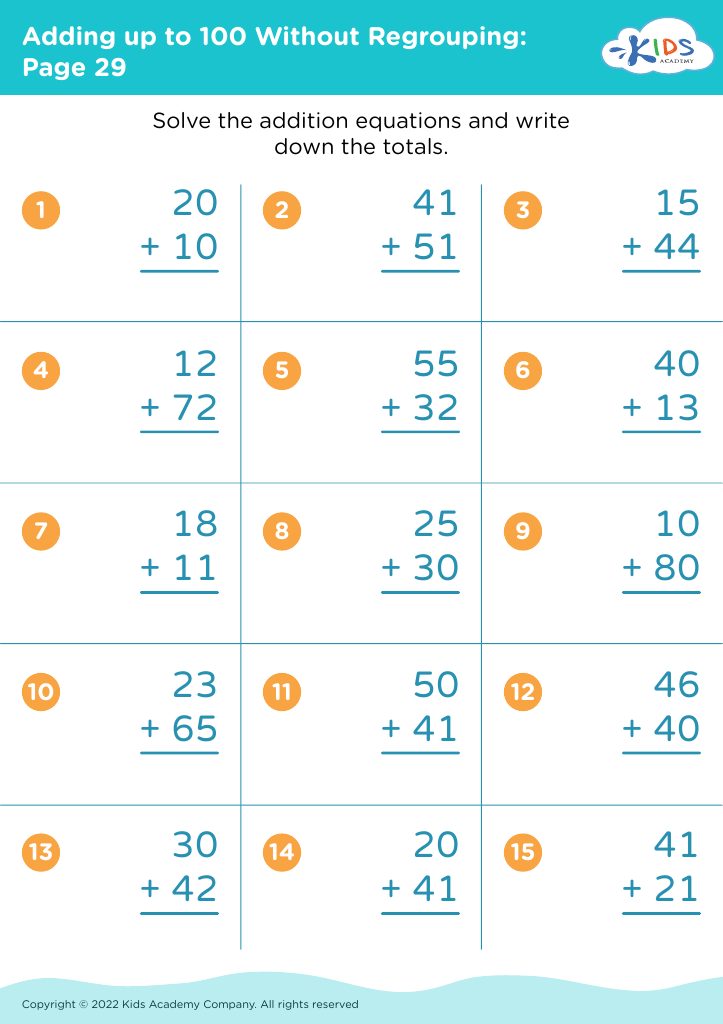
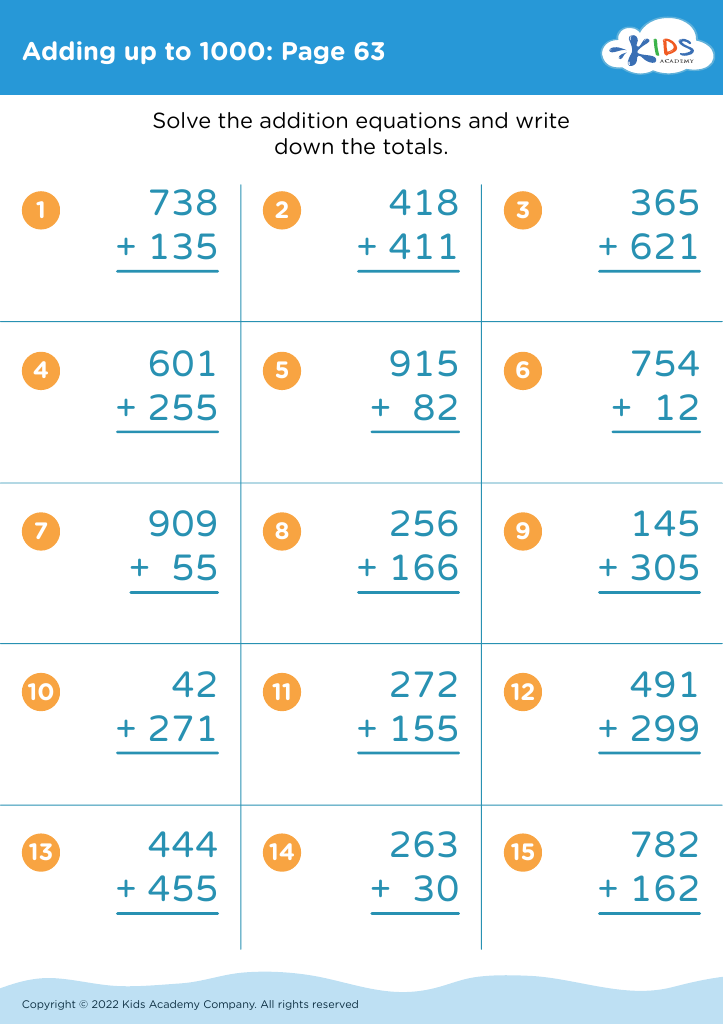
Discover our engaging Comparing Numbers Addition & Subtraction Worksheets designed to enhance your child's math skills! These worksheets provide a fun and interactive way for young learners to practice comparing numbers, focusing on both addition and subtraction problems. Students will develop critical thinking skills as they identify the greater or lesser number between given options, reinforcing their understanding of number relationships. Each worksheet is crafted to cater to early grade learners, ensuring that they gain confidence in their math abilities. Perfect for classroom use or at-home practice, these resources will make mastering basic math concepts enjoyable and effective! Start learning today!








Comparing numbers, addition, and subtraction are foundational skills that play a crucial role in early childhood education. Parents and teachers should care about these concepts because they form the backbone of a child's mathematical understanding, influencing their ability to tackle more complex arithmetic as they progress in school.
First, comparing numbers enhances children's understanding of value and quantity, laying the groundwork for crucial decision-making skills. It enables them to identify which number is greater or smaller, a skill that translates into real-world applications, such as budgeting allowance or measuring ingredients in cooking.
Furthermore, mastering addition and subtraction promotes problem-solving abilities. These operations are not just abstract concepts; they are essential for daily activities like shopping, cooking, and telling time. By focusing on these skills, parents and teachers can foster confidence in students, encouraging them to engage with math rather than fear it.
Finally, these skills can enhance cognitive development, promoting critical thinking and logical reasoning. Engaging children in comparing numbers and practicing basic operations creates a solid foundation for future learning in mathematics, equipping them for academic success and everyday interactions with numbers.








