Observational skills Addition & Subtraction Worksheets
5 filtered results
-
From - To
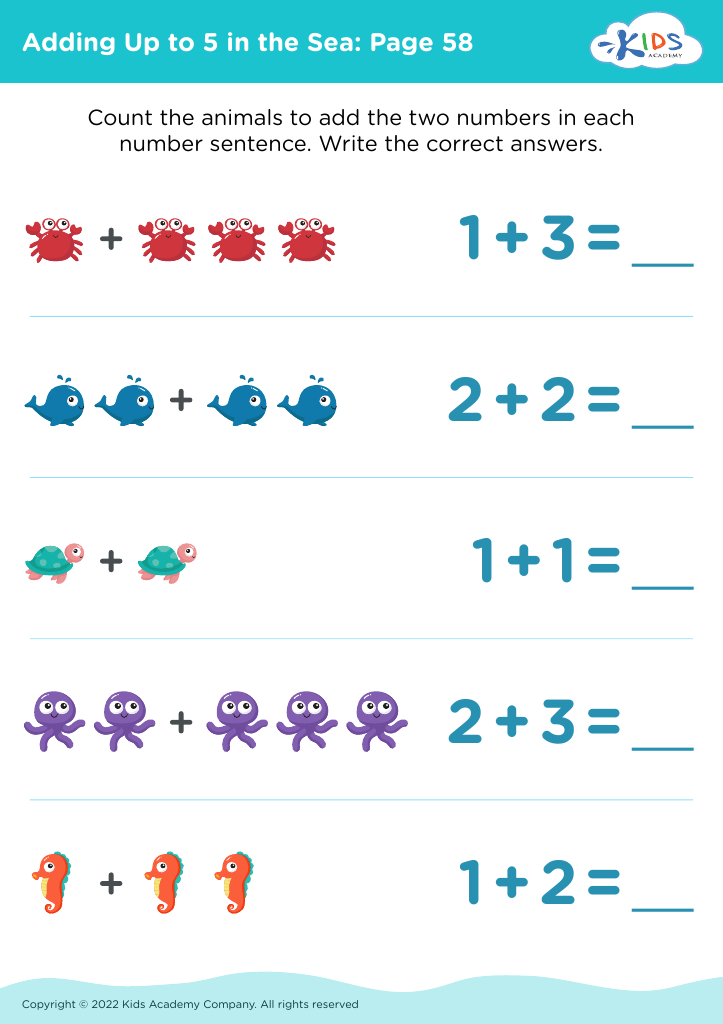
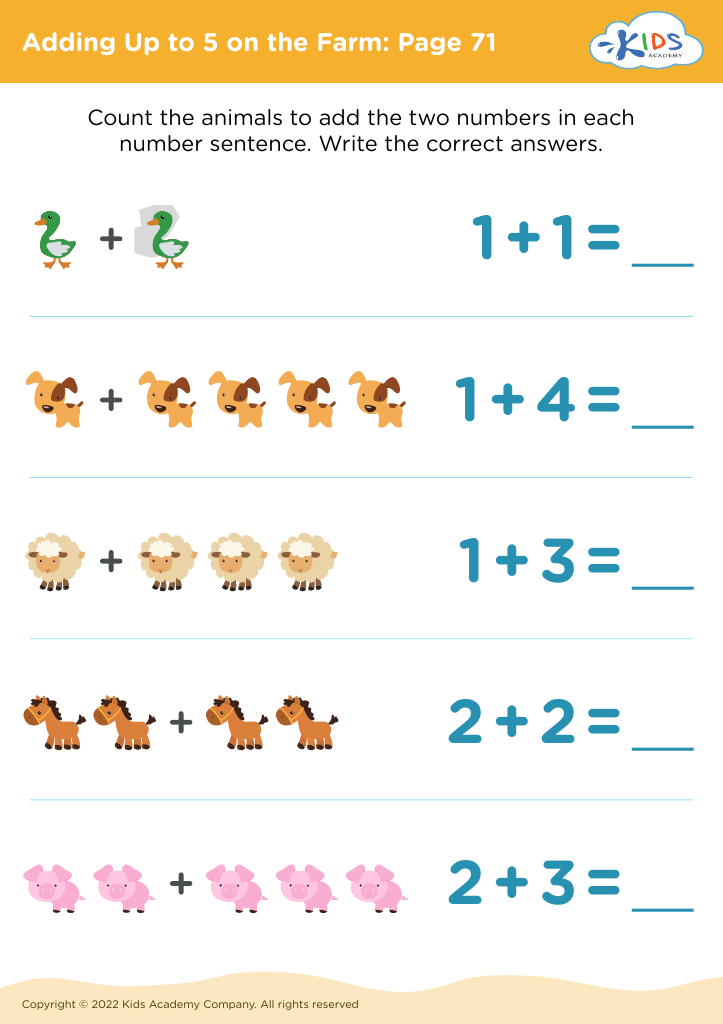
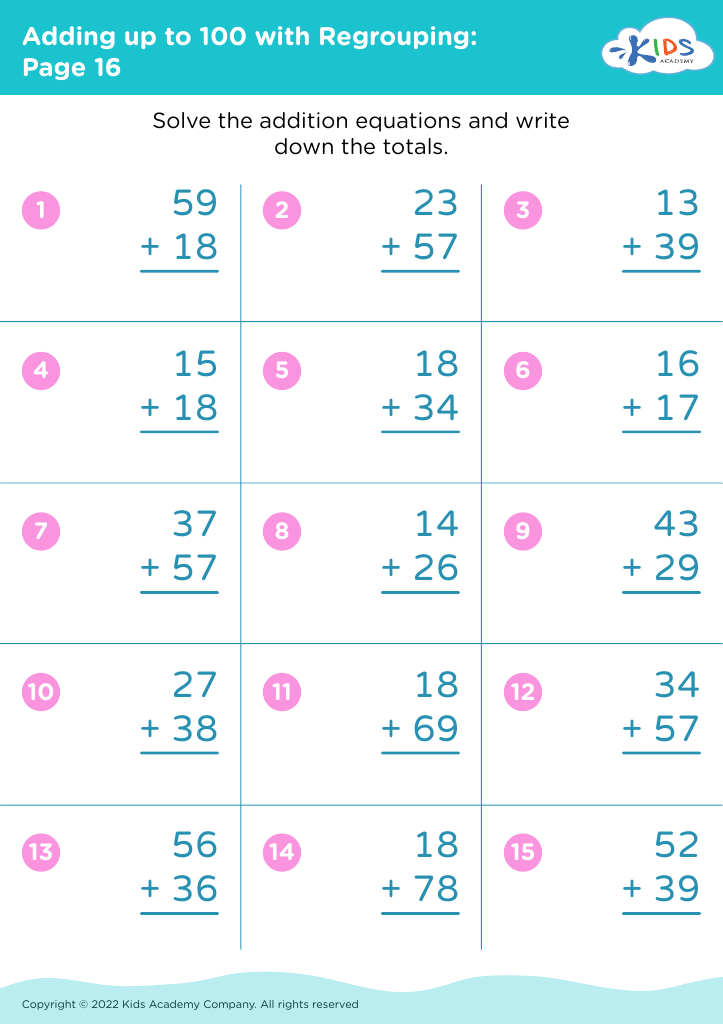
Enhance your child's mathematical skills with our Observational Skills Addition & Subtraction Worksheets! Designed for early learners, these engaging worksheets focus on developing critical observational abilities while mastering basic addition and subtraction. Children will enjoy solving puzzles that require attention to detail to identify patterns, quantities, and numeric relationships. Our interactive resources foster a love for learning math and help kids build a strong foundation in numerical skills. These printable worksheets are perfect for classroom use or home practice, ensuring that your little learners not only succeed in math but also sharpen their cognitive and observational skills in a fun, engaging way!
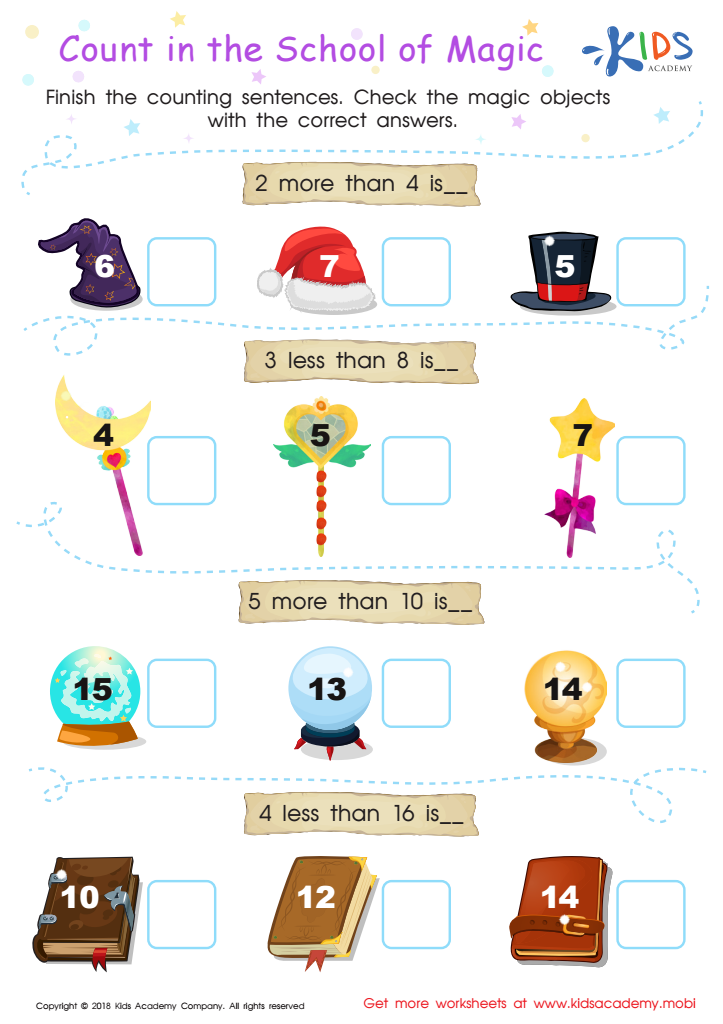
Count in the School of Magic Worksheet
 Assign to My Students
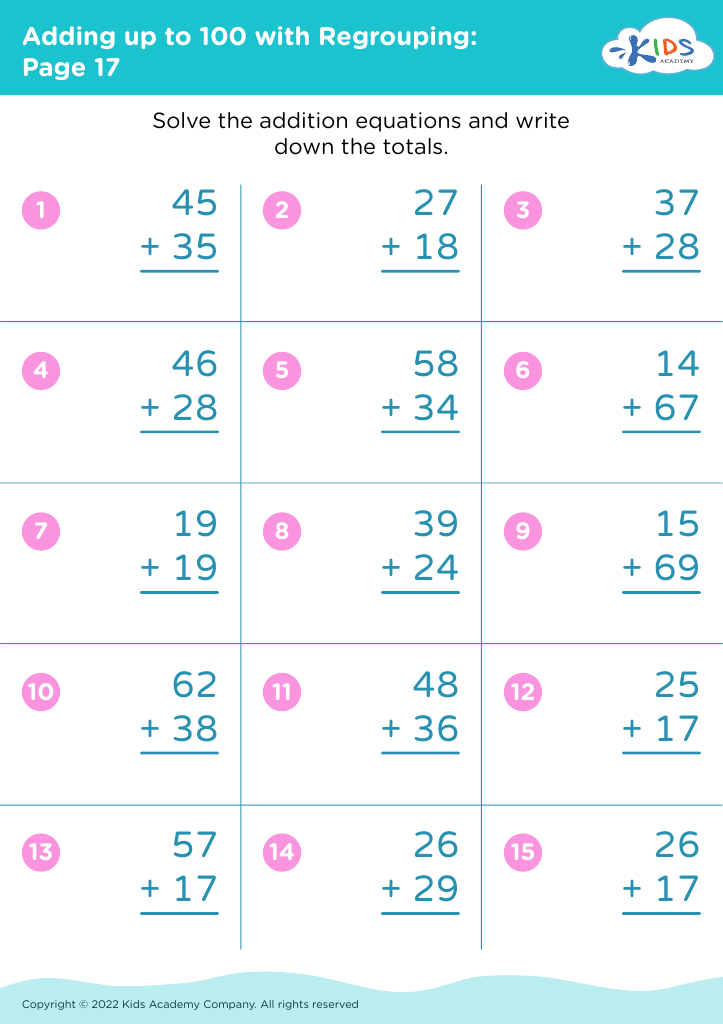








Observational skills in addition and subtraction are crucial for young learners as they form the foundation for essential mathematical concepts. For parents and teachers, fostering these skills can significantly enhance a child's overall learning experience.
First, observational skills enable children to recognize patterns, identify quantities, and understand relationships between numbers. This perspective not only aids in comprehending addition and subtraction, but it also builds a mindset for critical thinking and problem-solving in broader contexts.
Additionally, strong observational skills encourage engagement and active participation. When children learn to observe and analyze their surroundings, they become more inquisitive and eager to explore mathematical concepts in real life, such as through measuring objects or grouping items during play.
Moreover, developing these skills at an early age helps bridge the gap between concrete and abstract thinking. When children can visualize and manipulate objects or numbers, they gain confidence and a deeper understanding of mathematical operations.
By prioritizing observational skills, parents and teachers can create positive learning environments that empower children to succeed not only in math but also in various academic disciplines, fostering lifelong inquiry and learning. Building these foundational skills ensures that children are well-prepared to tackle more complex mathematical challenges in the future.








