Visual perception Addition & Subtraction Worksheets
18 filtered results
-
From - To
Enhance your child's math skills with our Visual Perception Addition & Subtraction Worksheets! Designed for early learners, these engaging activities help children recognize numbers and solve math problems through visual cues. By focusing on visual perception, these worksheets improve observation skills and boost confidence in arithmetic. The colorful and interactive exercises cater to diverse learning styles, making math enjoyable and effective. From matching images to solving problems, each worksheet encourages critical thinking and reinforces foundational math concepts. Perfect for homeschooling or classroom settings, our collection supports children's developmental milestones, ensuring they build a strong math foundation while having fun. Explore today!
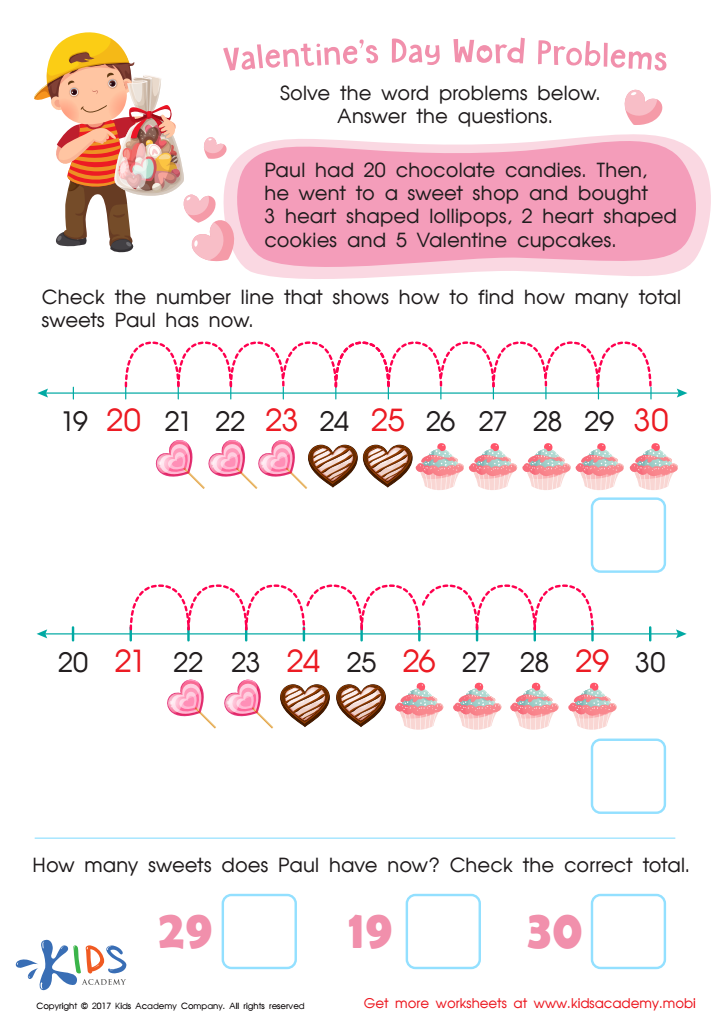
Valentines Day 2 Printable
 Assign to My Students
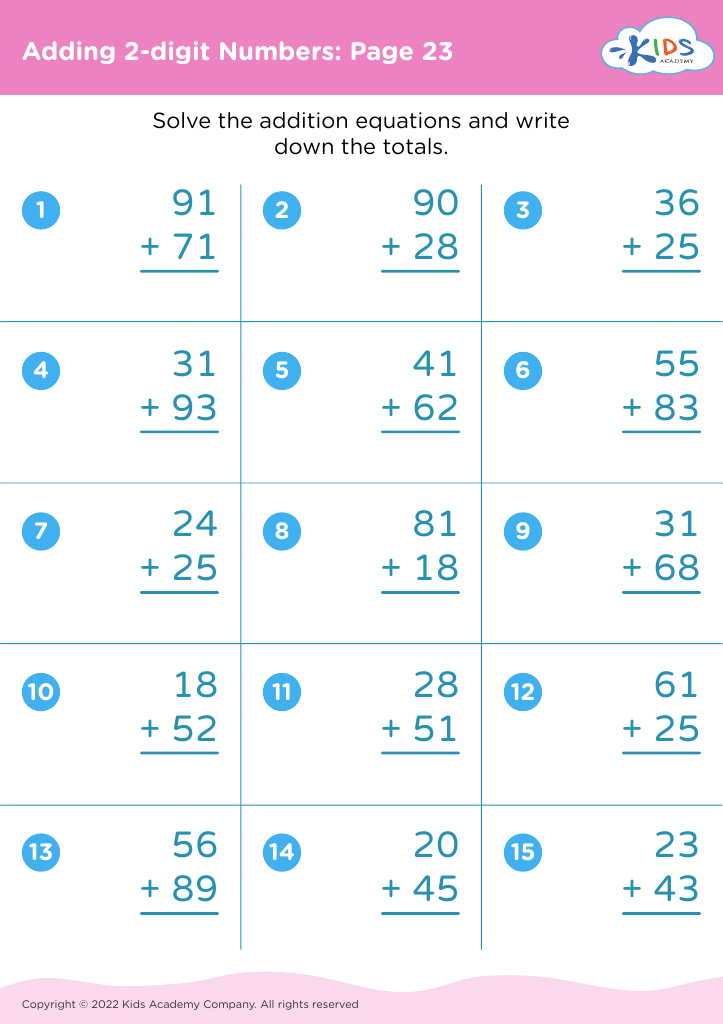
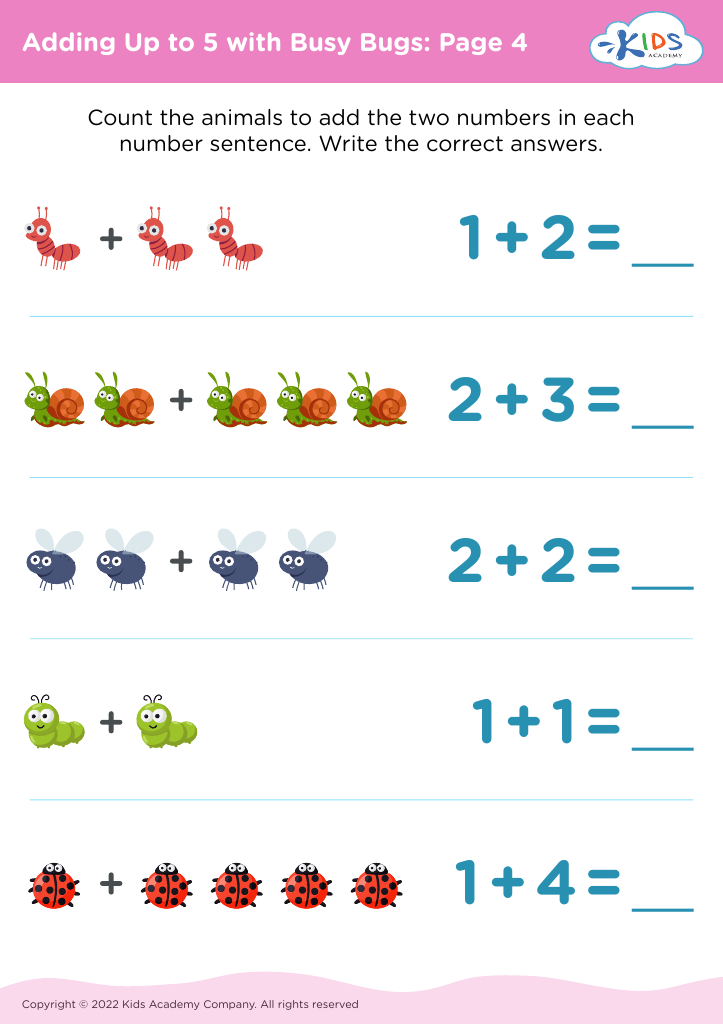
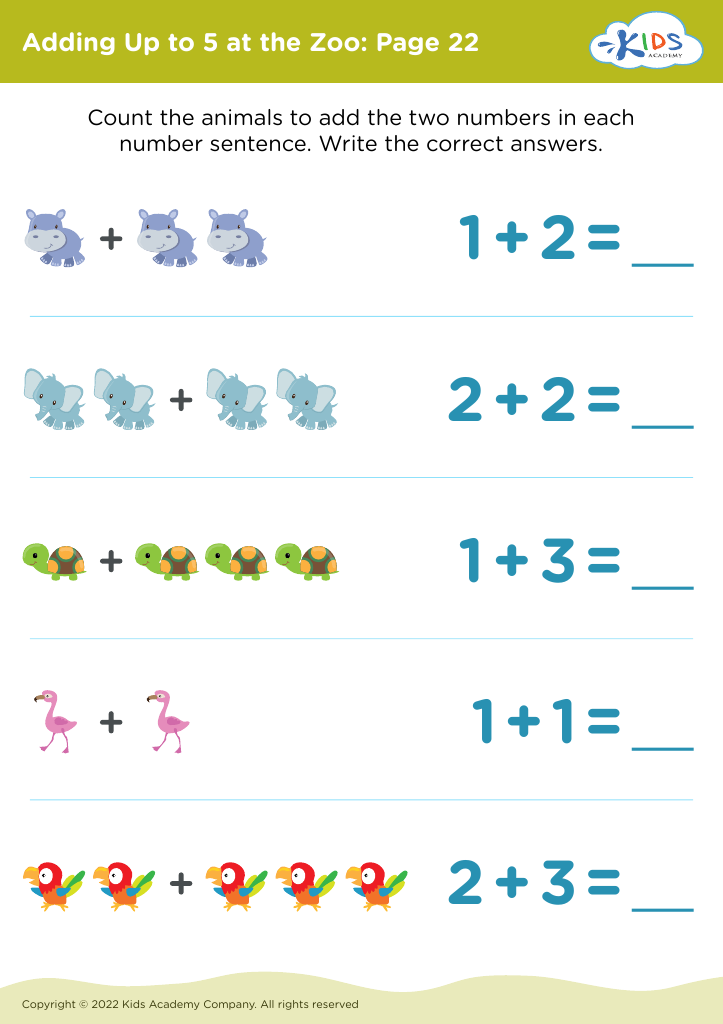
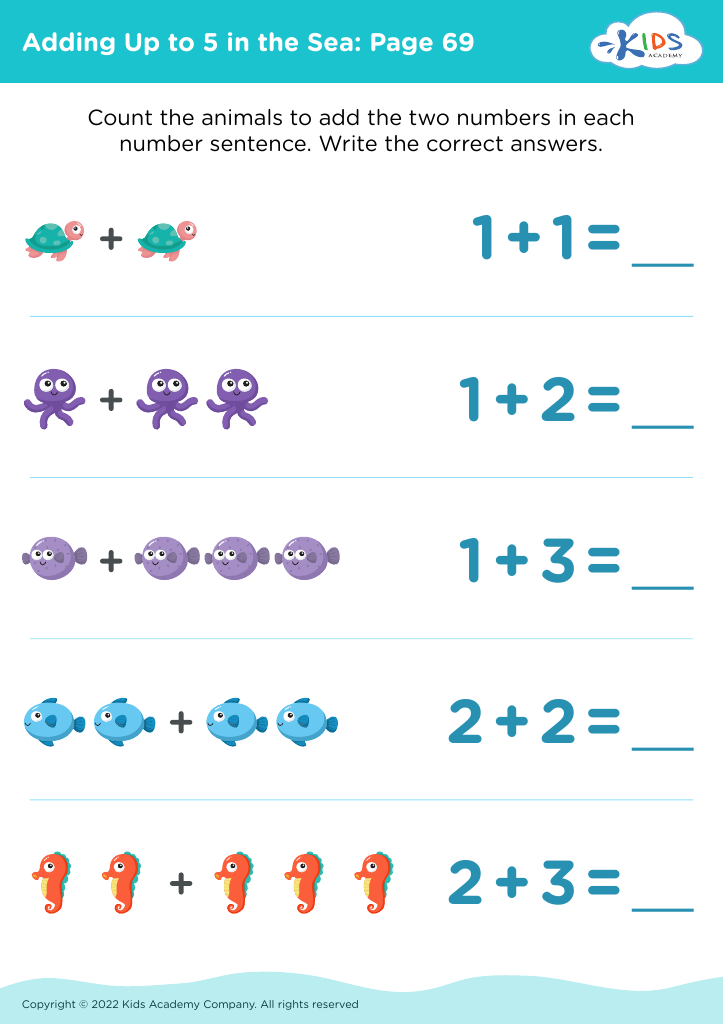
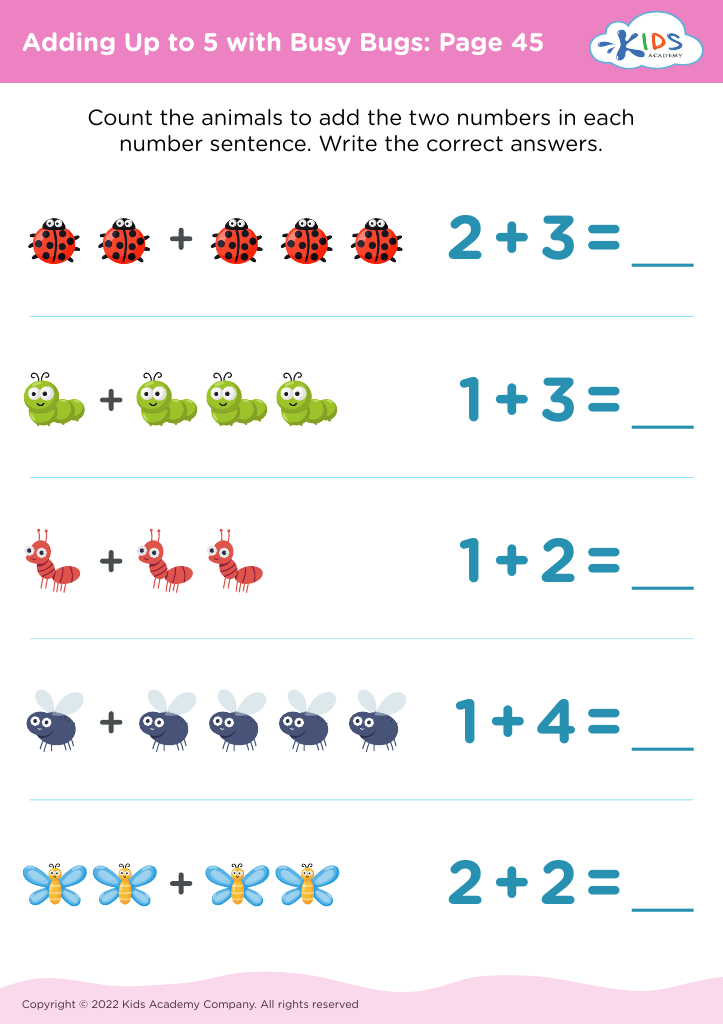
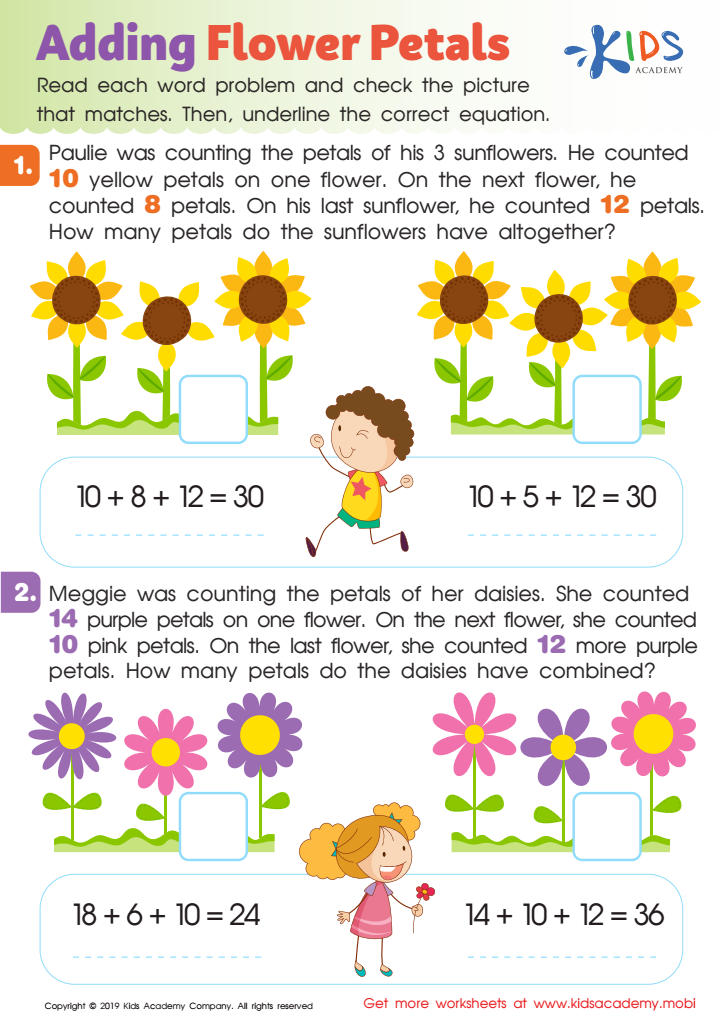
Adding Flower Petals Worksheet
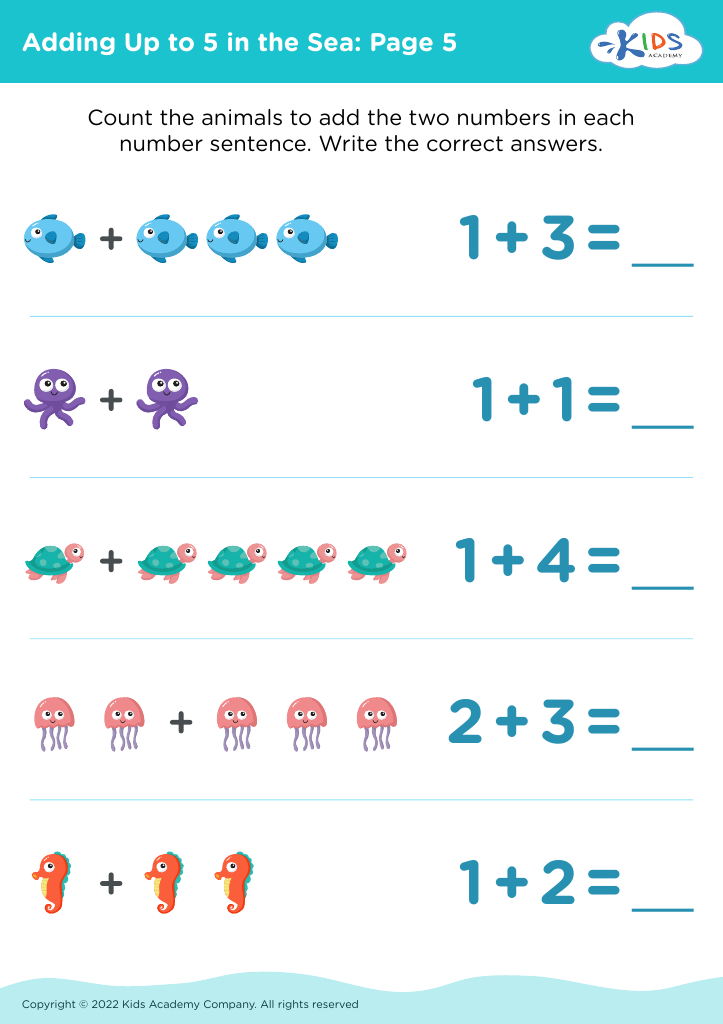

Find 10 Barrels Worksheet
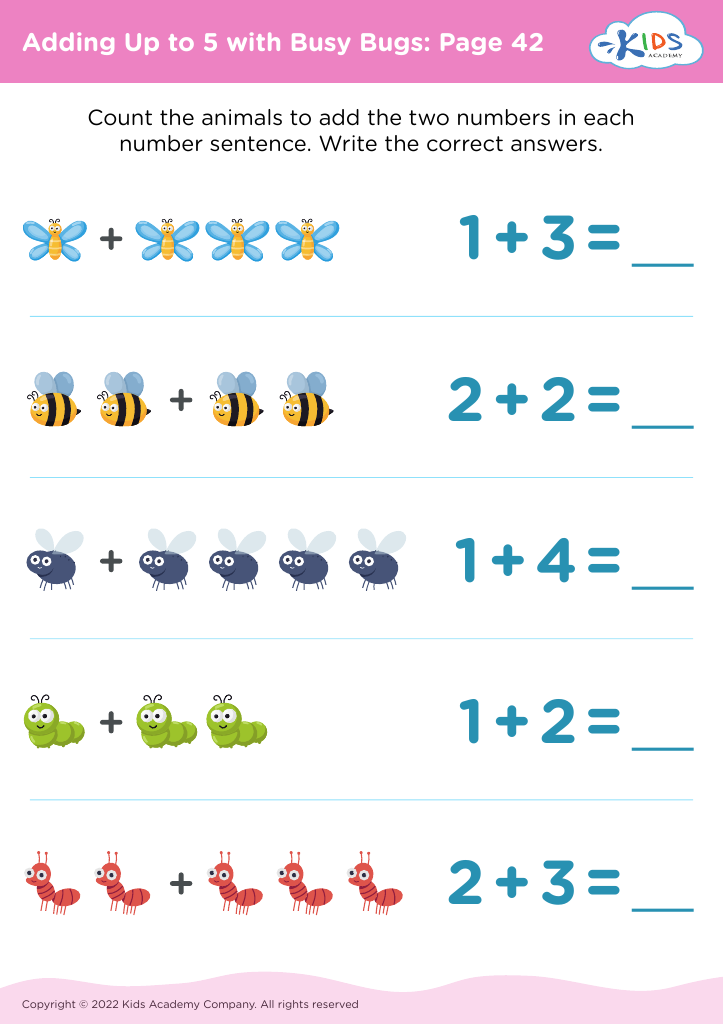
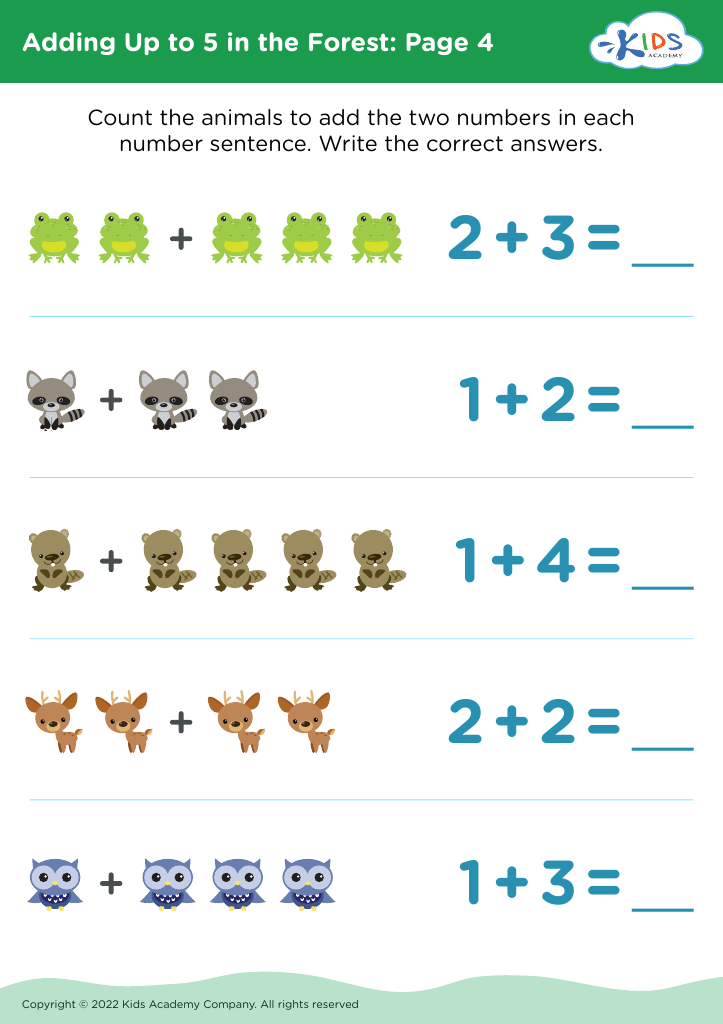
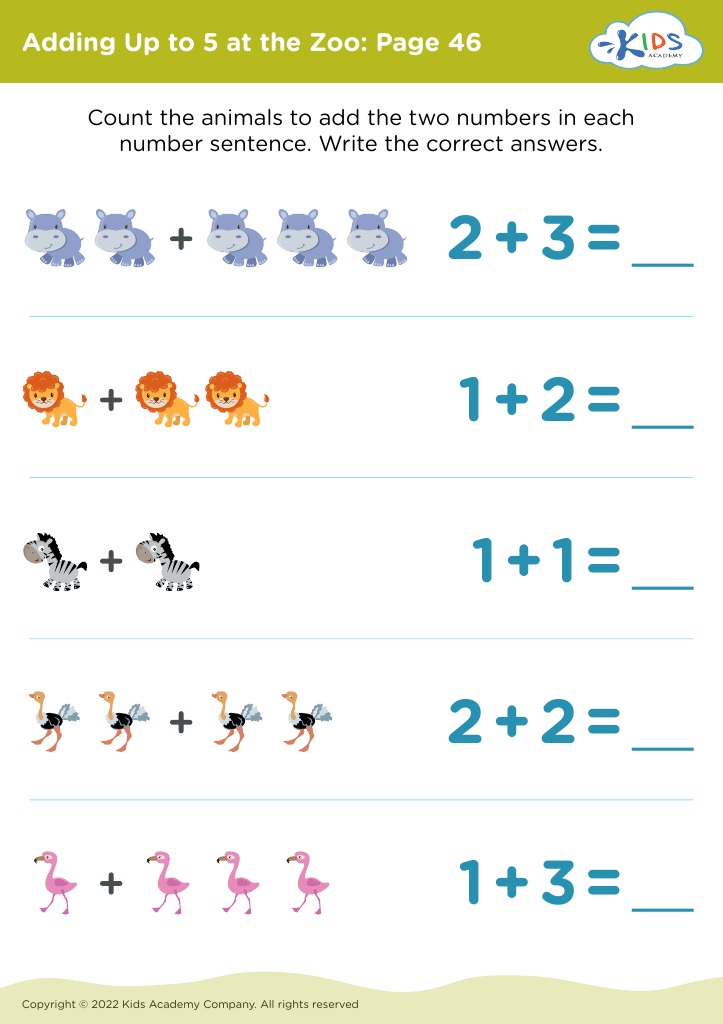
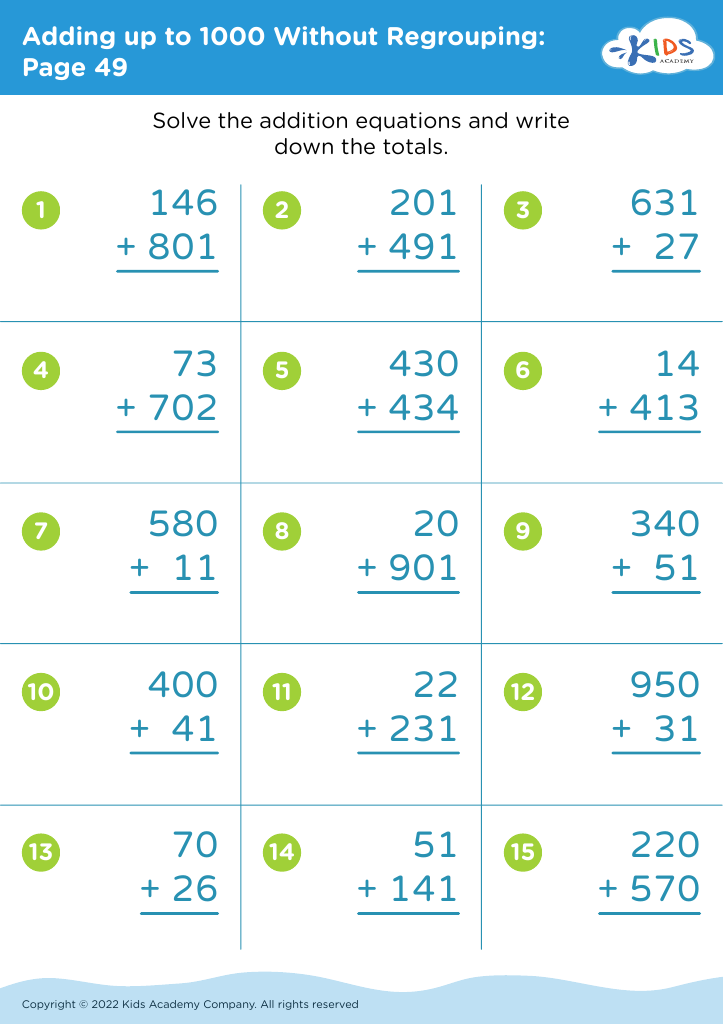
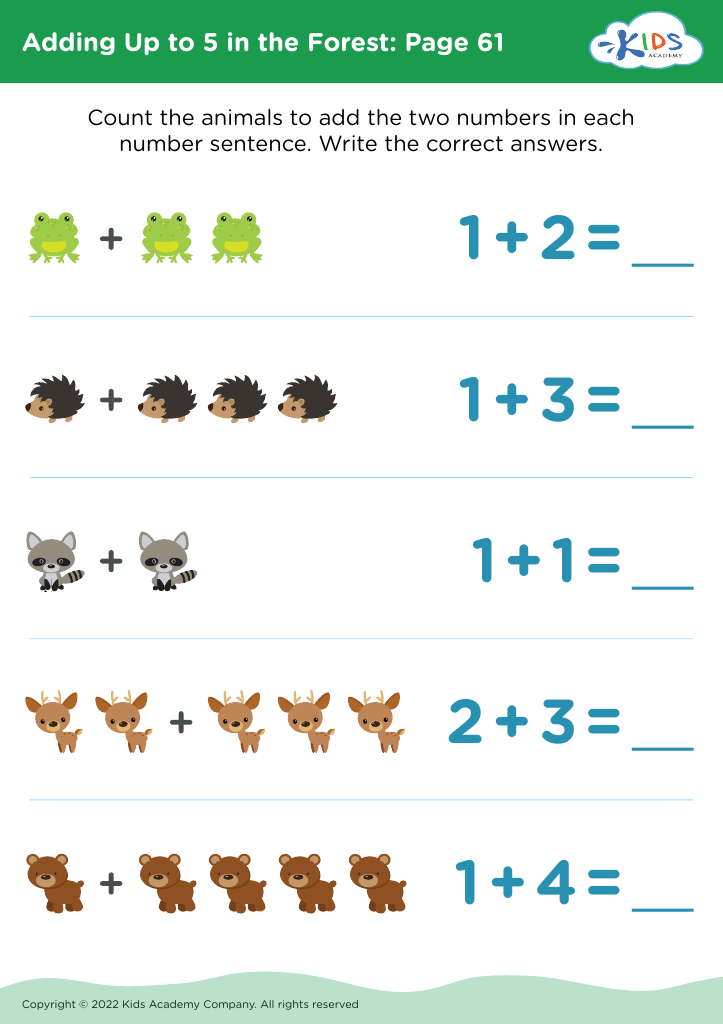
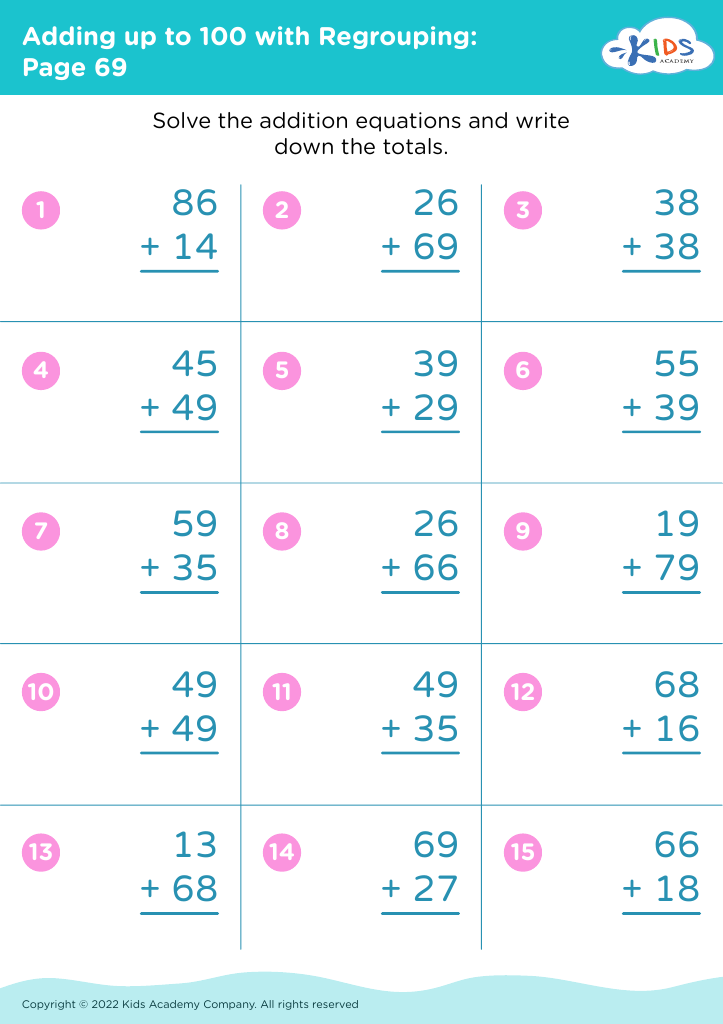
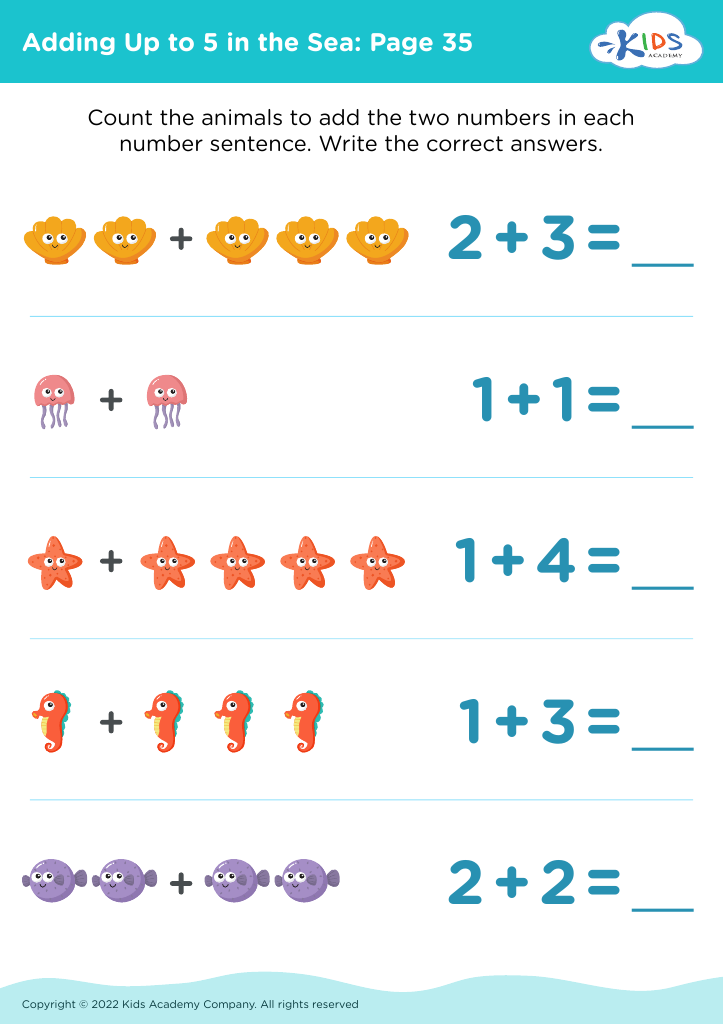
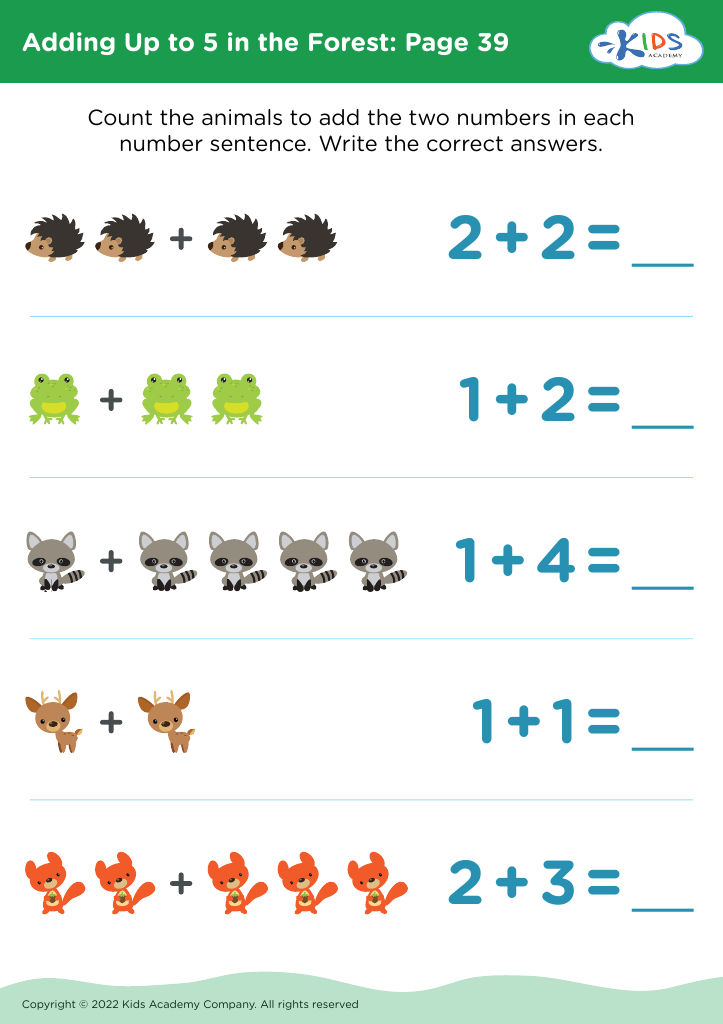








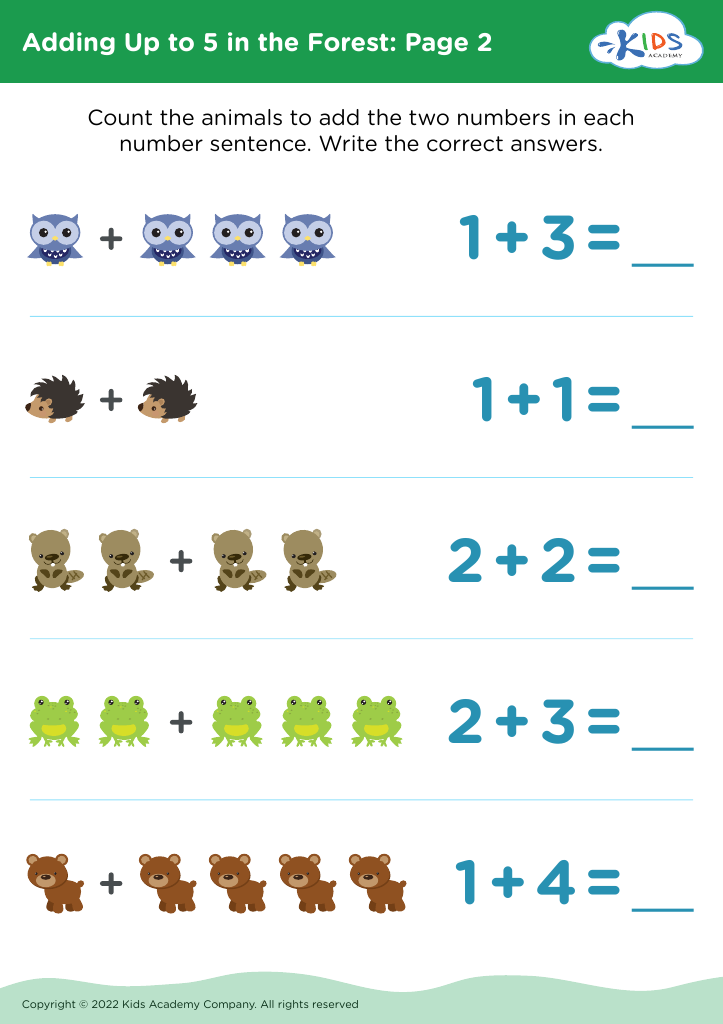
Visual perception plays a crucial role in a child's ability to understand and perform addition and subtraction. This skill involves the ability to interpret and organize visual information, which is essential when children work with numbers, shapes, charts, and objects in math. Without strong visual perception, kids may struggle to recognize patterns, compare quantities, or visualize mathematical concepts.
Parents and teachers should care about fostering visual perception in their educational practices because it directly impacts a student's confidence and performance in math. Difficulty in visual processing can lead to frustration and a lack of engagement in mathematical activities, resulting in a negative attitude towards math as a whole. Strong visual perception aids in problem-solving and critical thinking, both of which are cornerstones of safe mathematical reasoning.
Moreover, by encouraging activities that enhance visual perception, such as puzzles, dot-to-dot, and number games, adults can create a supportive learning environment. This investment not only benefits a child's mathematical skills but also supports their overall cognitive development. Ultimately, fostering visual perception skills leads to improved academic performance, laying a solid foundation for more advanced mathematical learning in the future. Thus, both parents and teachers are integral in promoting these foundational skills for lasting success.








