Visual Perception Skills Addition & Subtraction Worksheets
5 filtered results
-
From - To
Enhance your child's math skills with our Visual Perception Skills Addition & Subtraction Worksheets! Designed to improve visual processing, these engaging worksheets help young learners develop essential skills needed for successful math practice. Children will enjoy colorful worksheets filled with fun activities that reinforce their ability to recognize patterns, shapes, and spatial relationships while mastering addition and subtraction concepts. Perfect for at-home learning or classroom use, these resources promote focus and improve cognitive abilities. Help your child become confident in math while having fun! Download our visually stimulating worksheets today and watch their math skills soar!
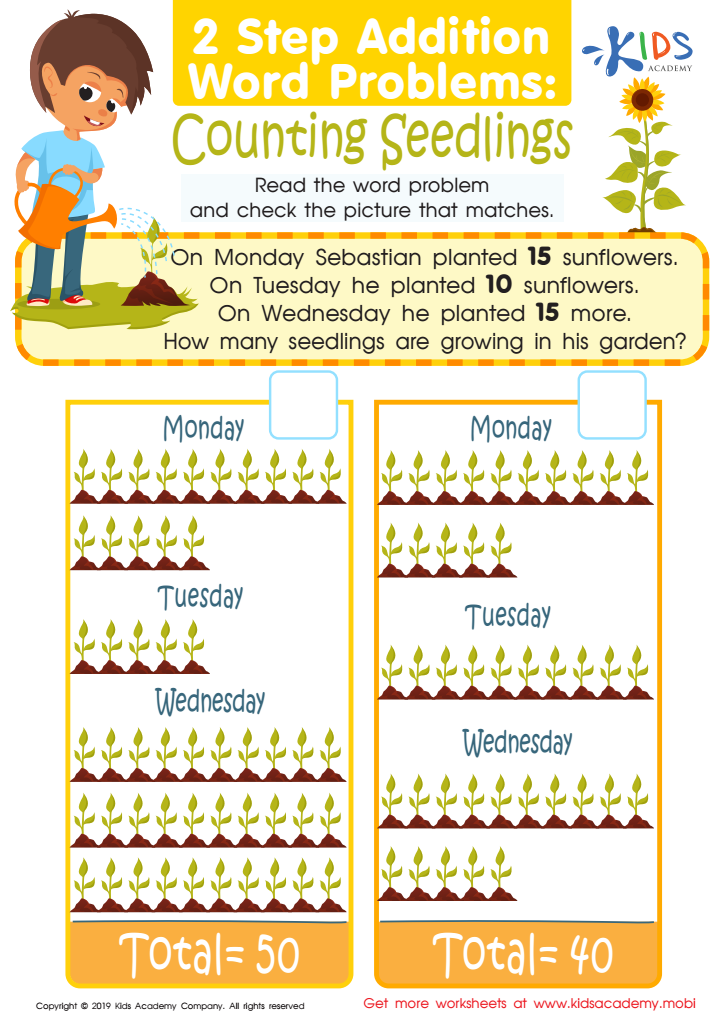
Counting Seedlings Worksheet
 Assign to My Students
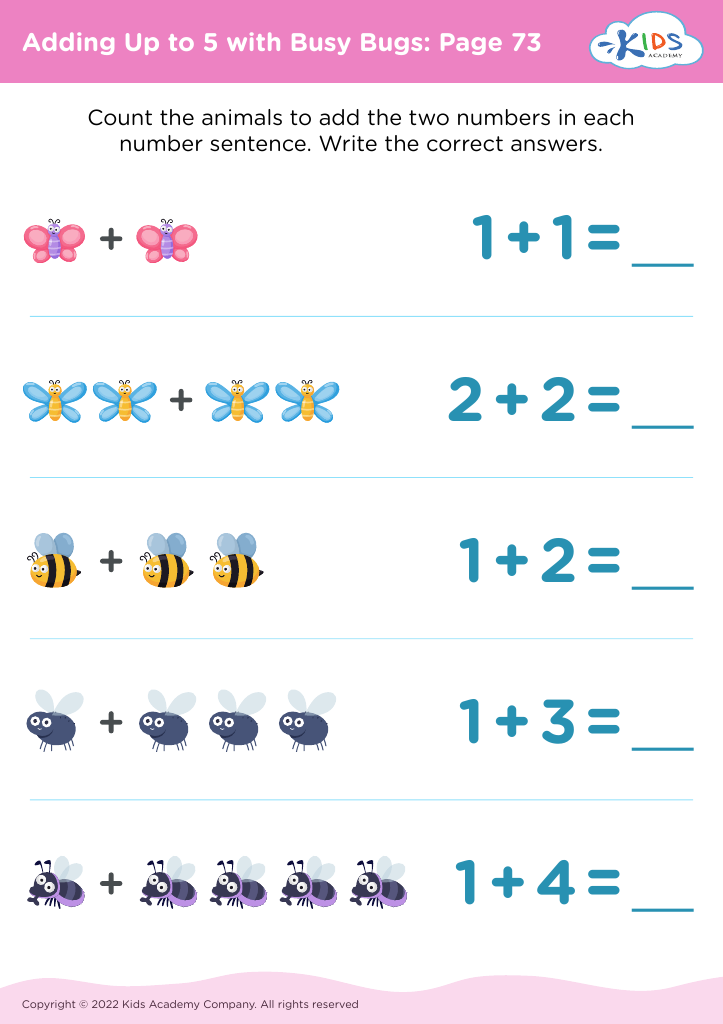
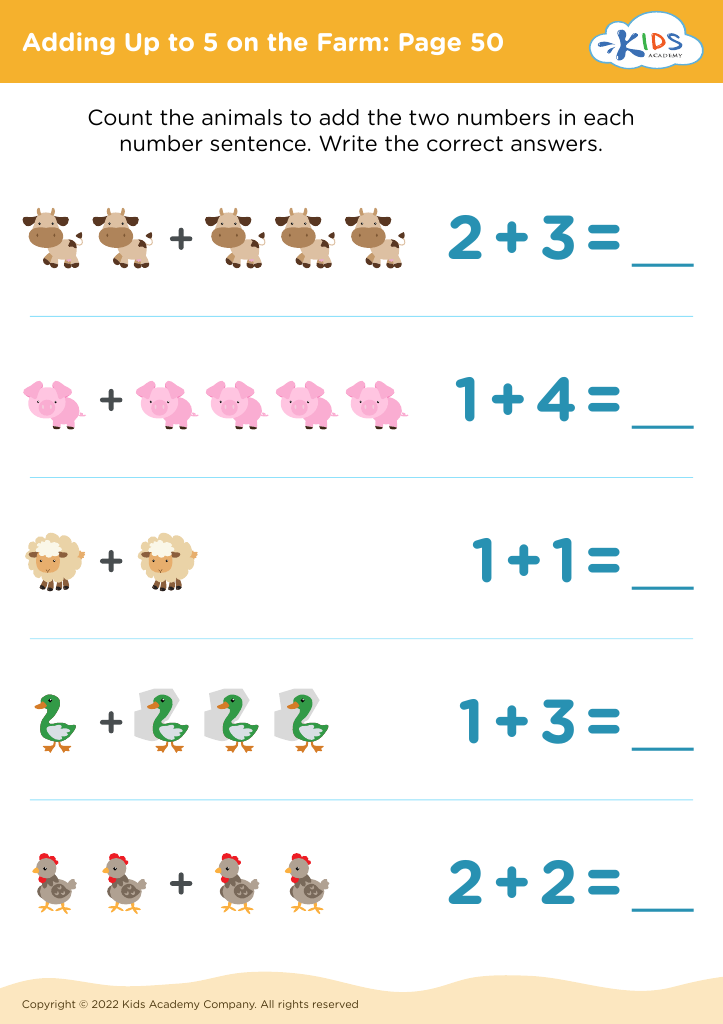
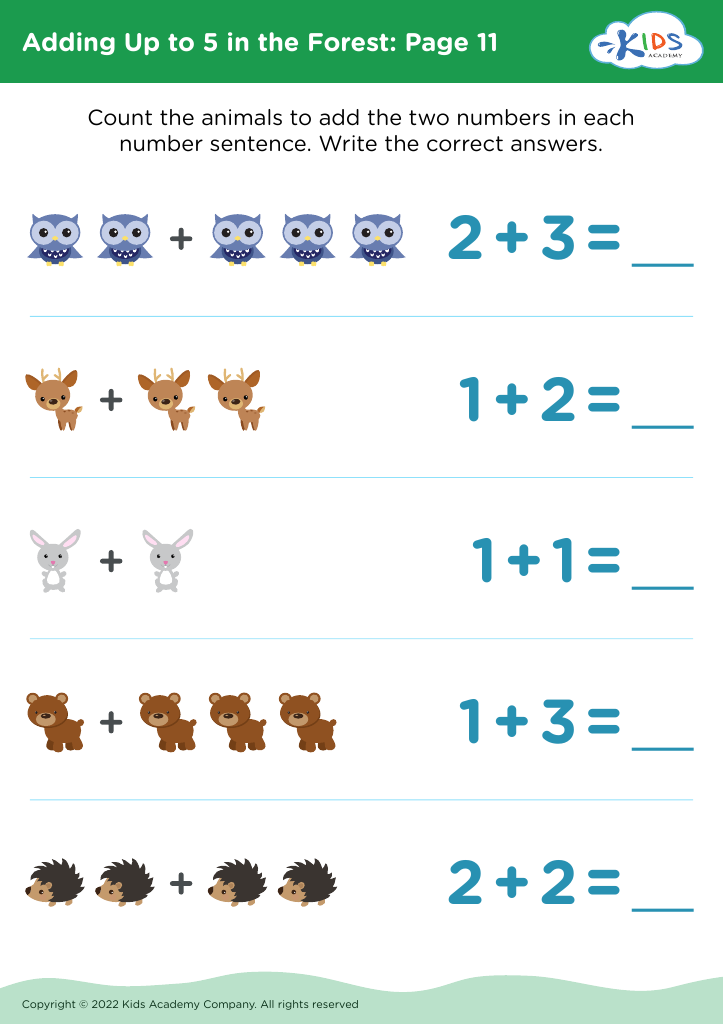
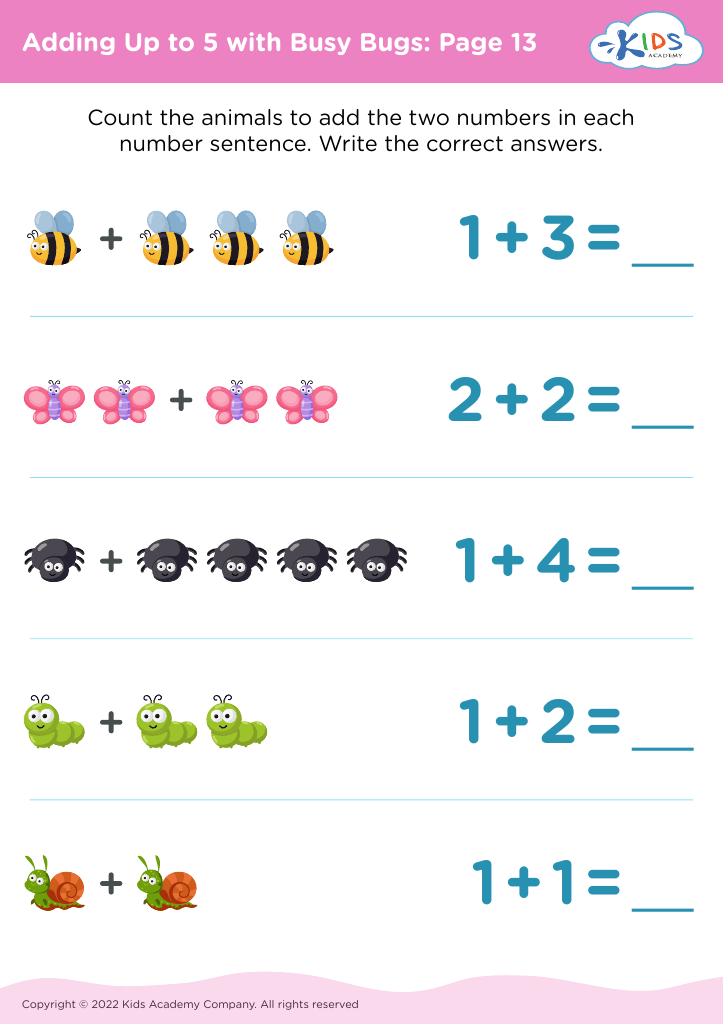








Visual perception skills are fundamental for young learners, especially when it comes to mastering mathematical concepts like addition and subtraction. Parents and teachers must pay attention to these skills because they significantly influence a child's ability to understand and manipulate numbers.
First, visual perception helps children recognize numerical symbols and their configurations, enabling them to distinguish between similar-looking digits like 6 and 9. This distinct recognition is critical for accurately performing addition and subtraction tasks. Additionally, visual perception aids in understanding spatial relationships, such as the concepts of “more than” or “less than,” which are foundational to successfully grasping arithmetic operations.
Furthermore, strong visual perception contributes to the development of problem-solving skills. When children can easily visualize problems and solutions, they are more likely to engage with mathematical concepts confidently. This engagement can enhance their overall enjoyment and interest in math, fostering a positive attitude toward future learning.
In conclusion, nurturing visual perception skills lays the groundwork for mathematical competence and cognitive development. By focusing on these abilities, parents and teachers can better support children in becoming proficient, confident mathematicians, paving their way for academic success.








