Addition Practice Addition Worksheets - Page 3
120 filtered results
-
From - To
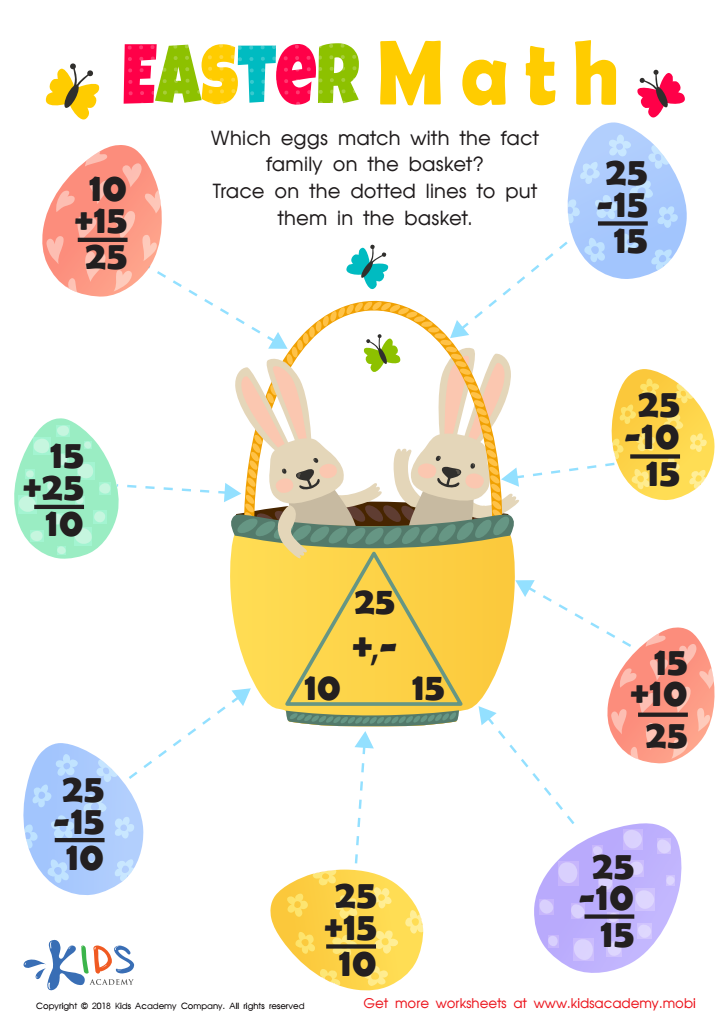
Fact Families: Easter Math Worksheet
 Assign to My Students
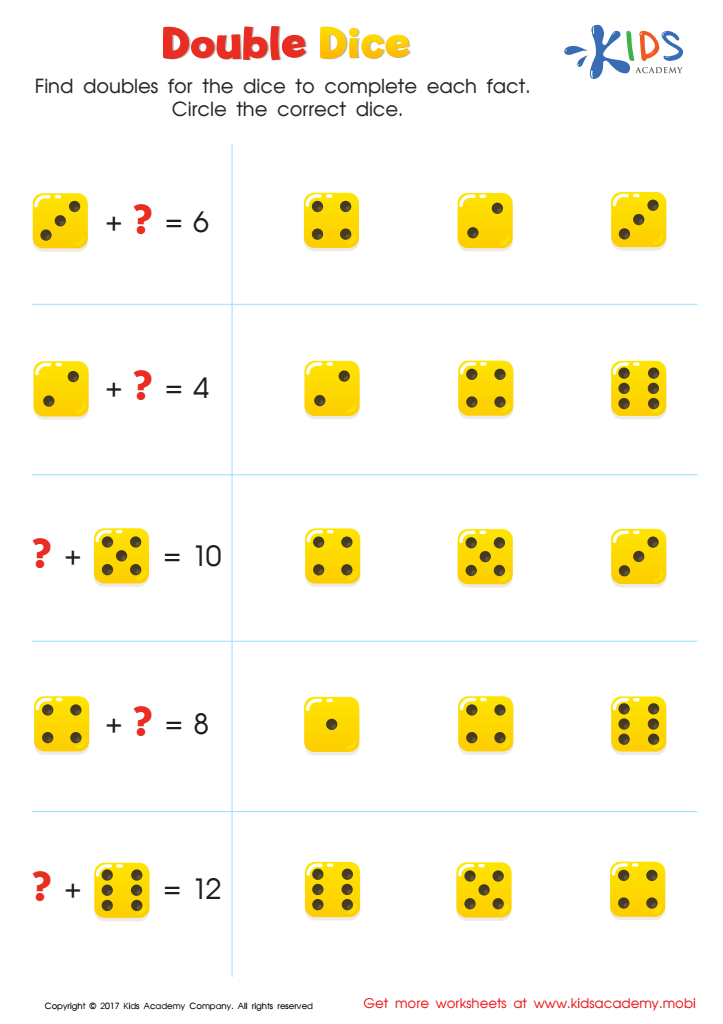
Addition Facts: Double Dice Worksheet
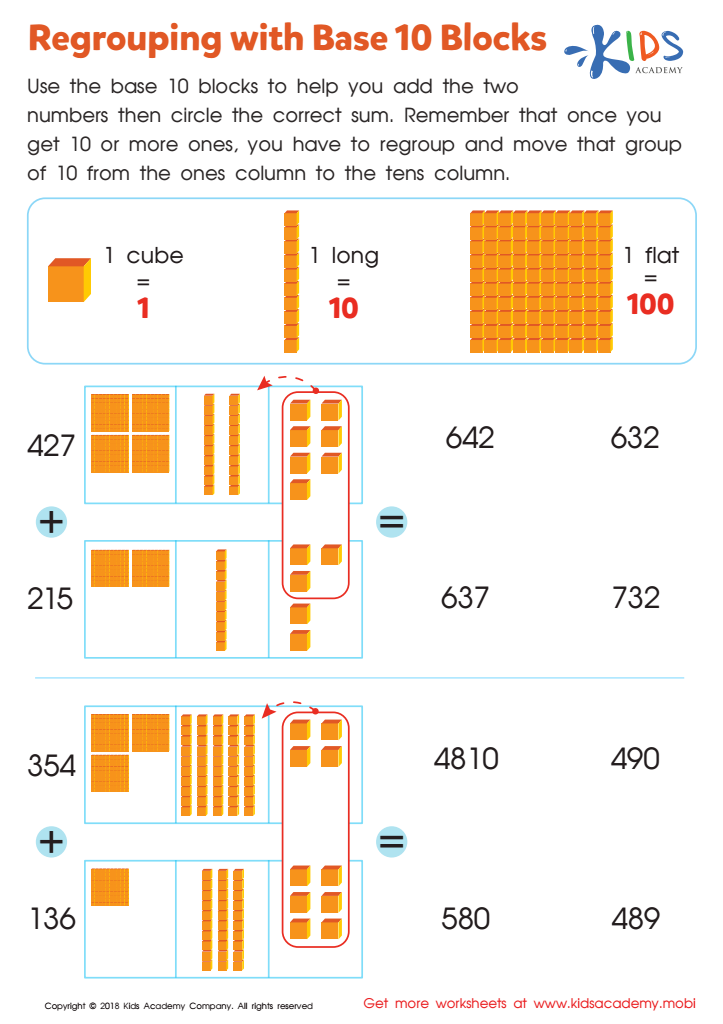
Regrouping with Base 10 Blocks Worksheet
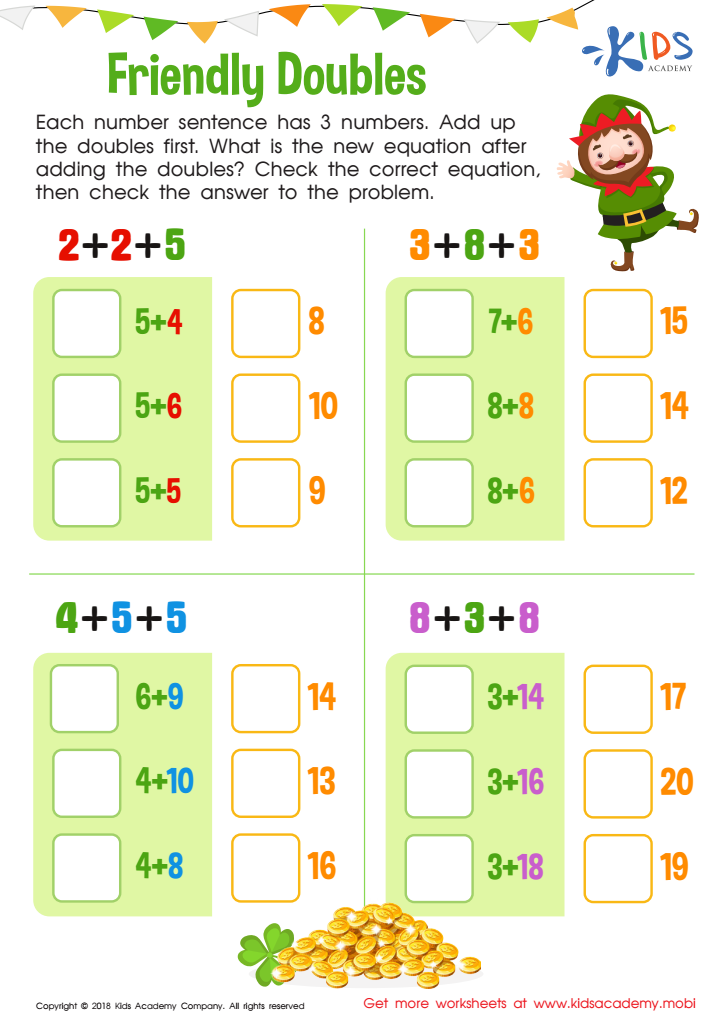
Friendly Doubles Worksheet
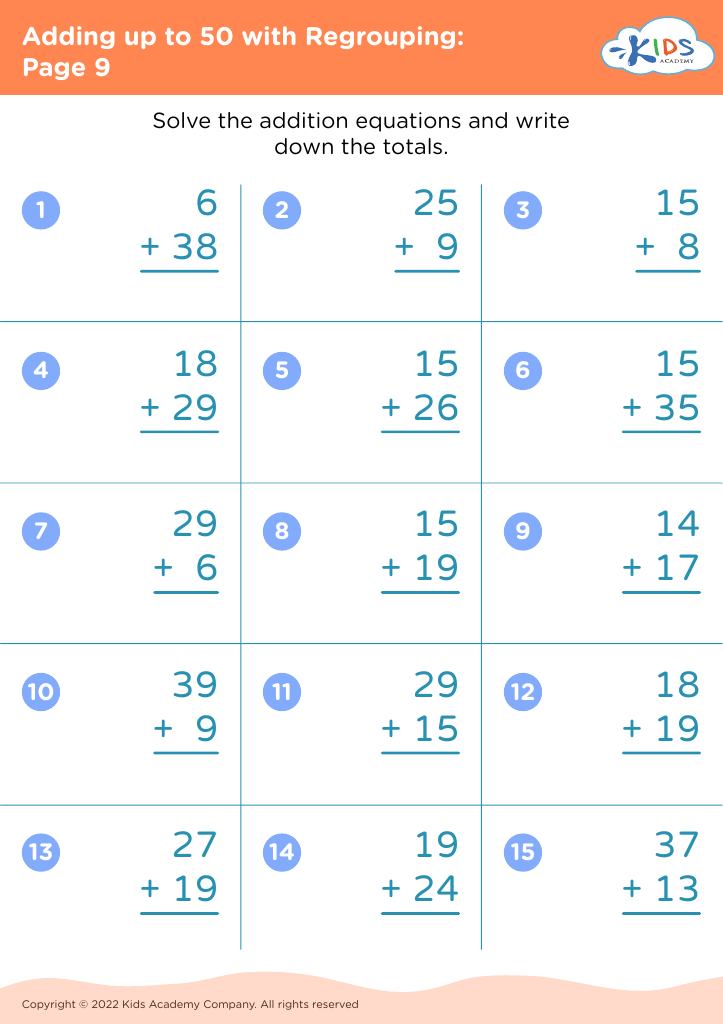
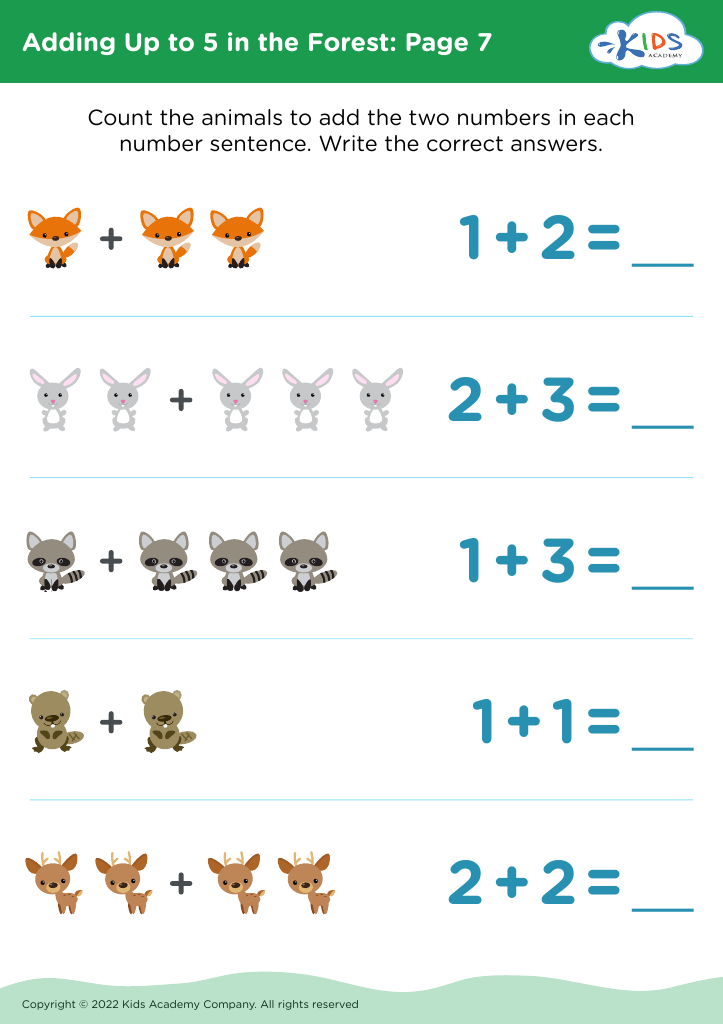
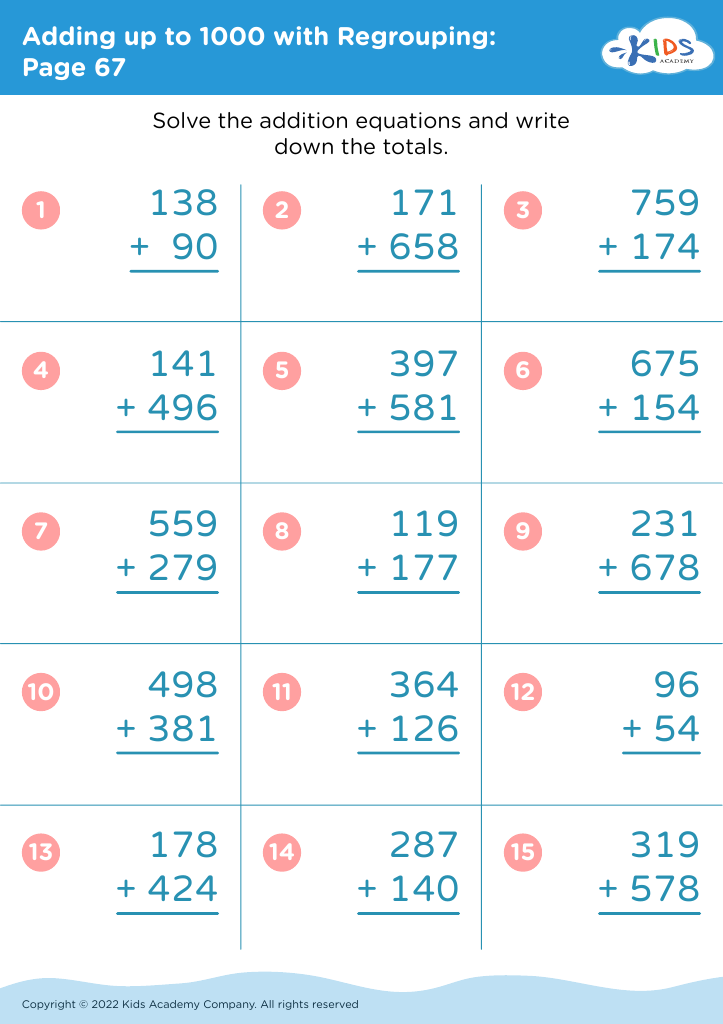
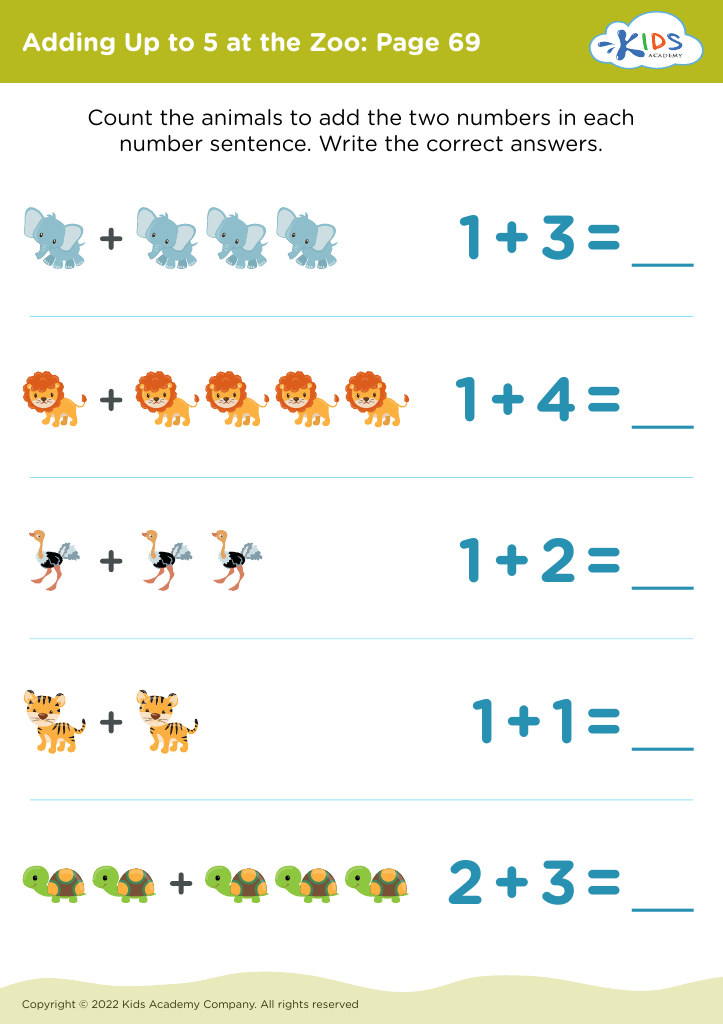
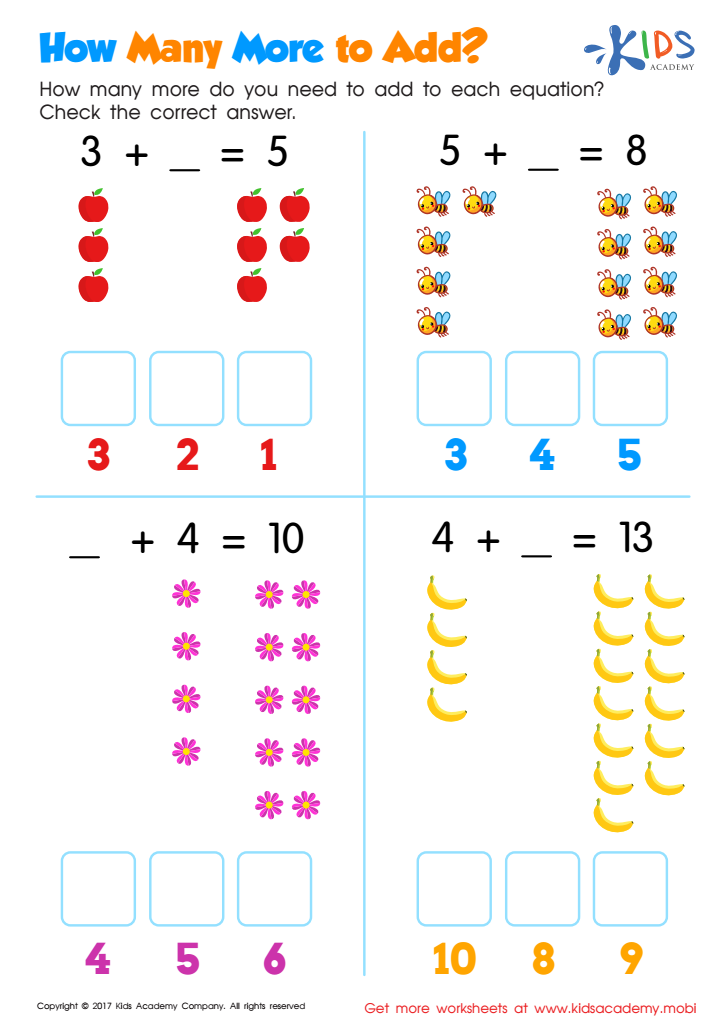
How Many More to Add Worksheet
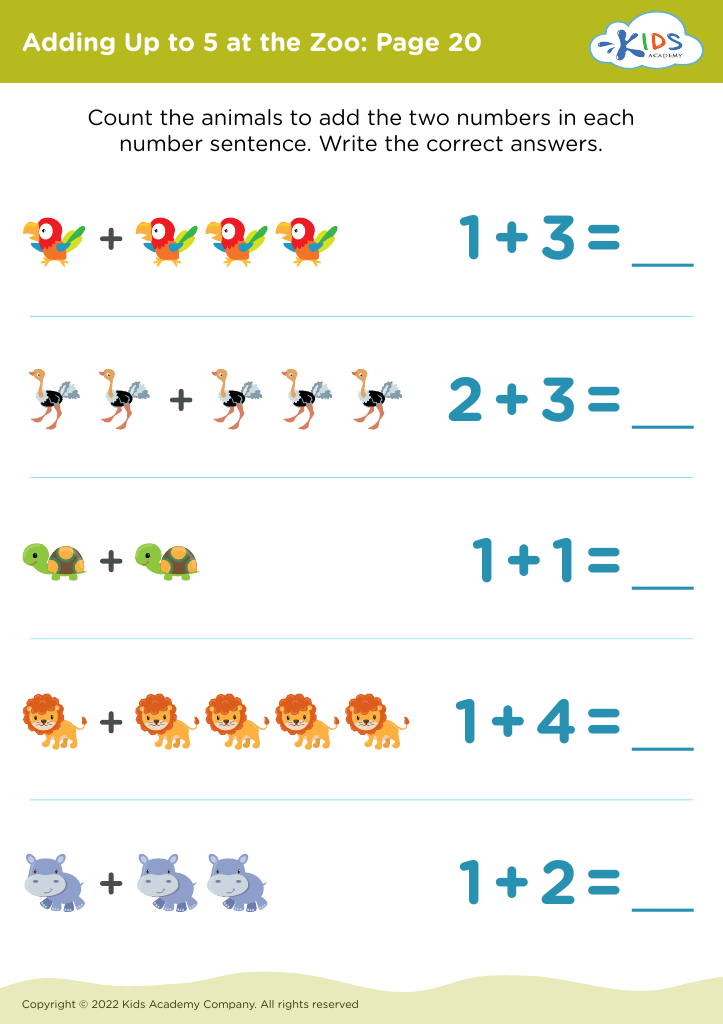
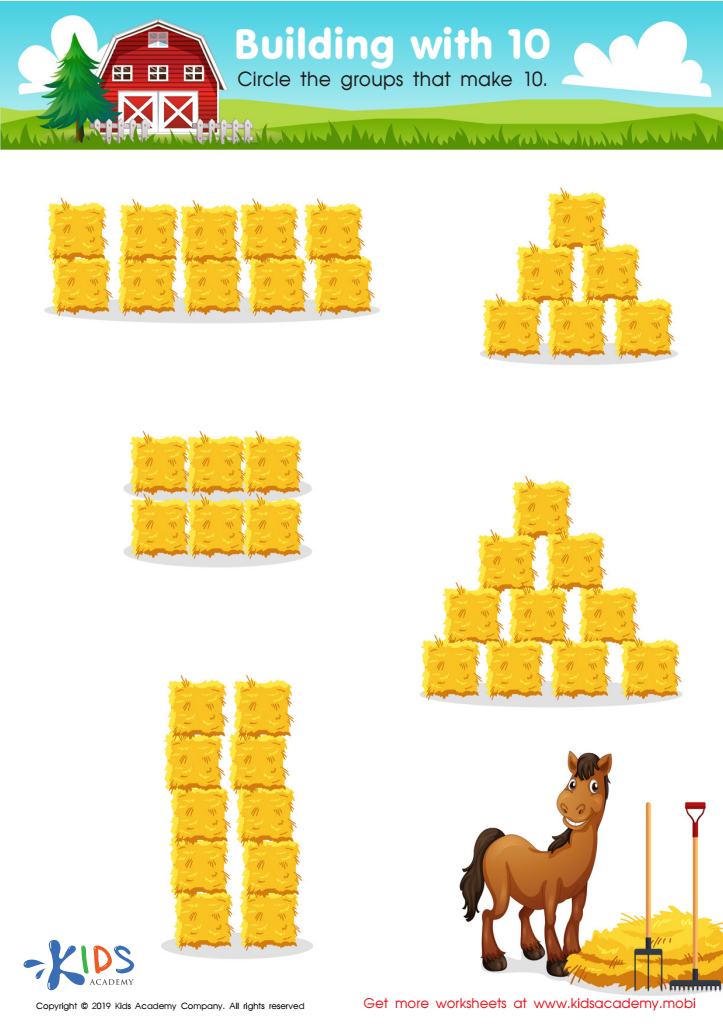
Building with 10 Worksheet
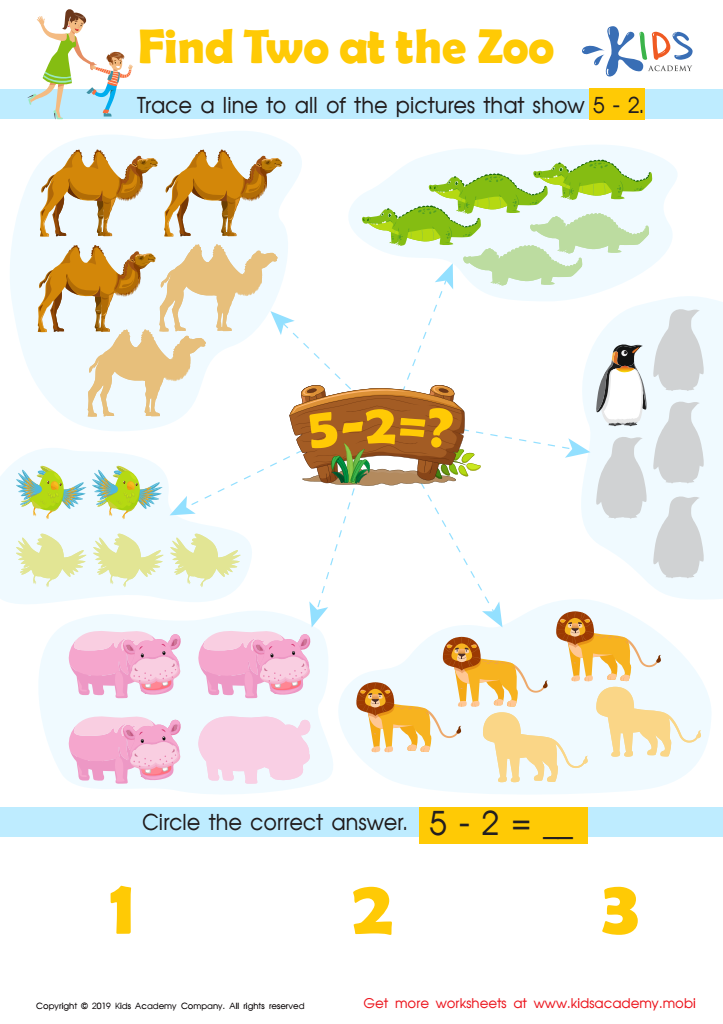
Find Two at the Zoo Worksheet
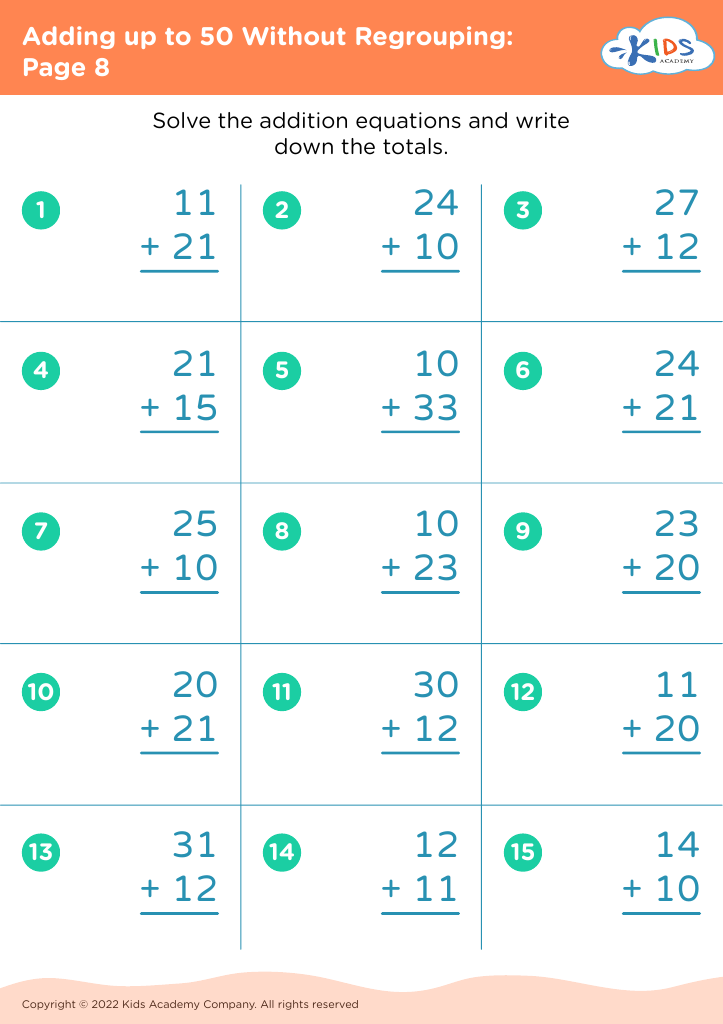
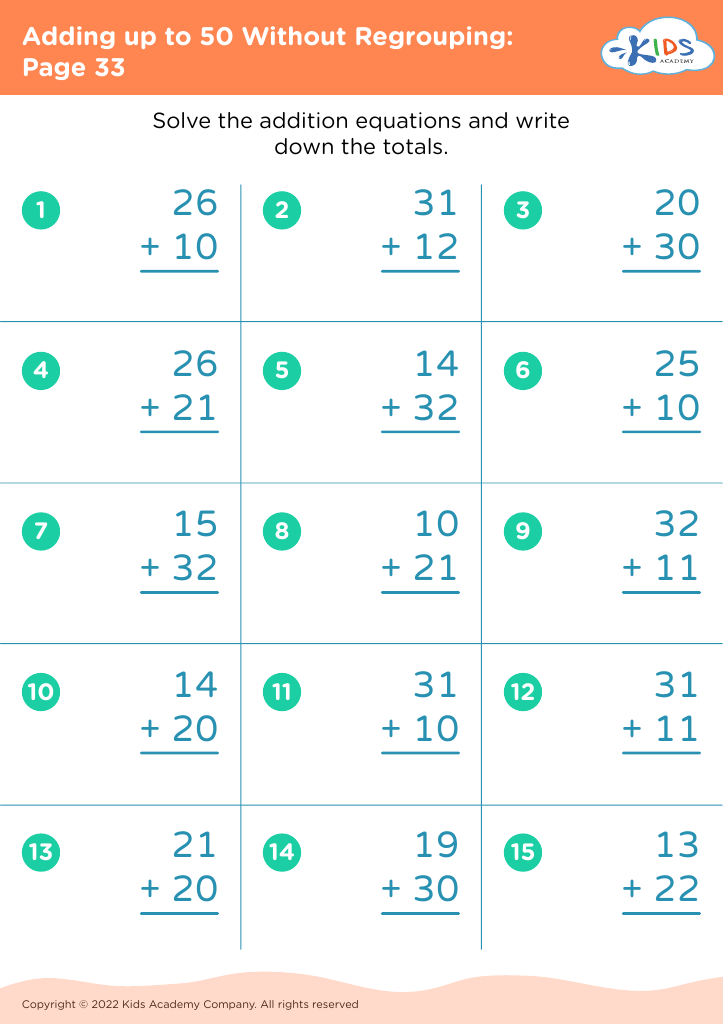
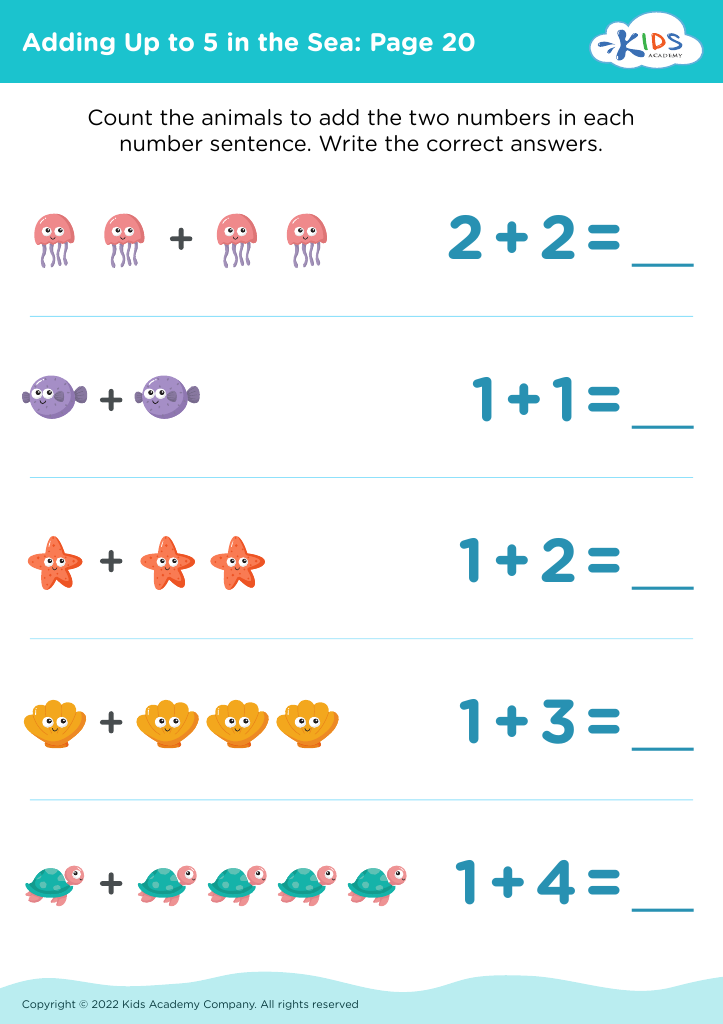
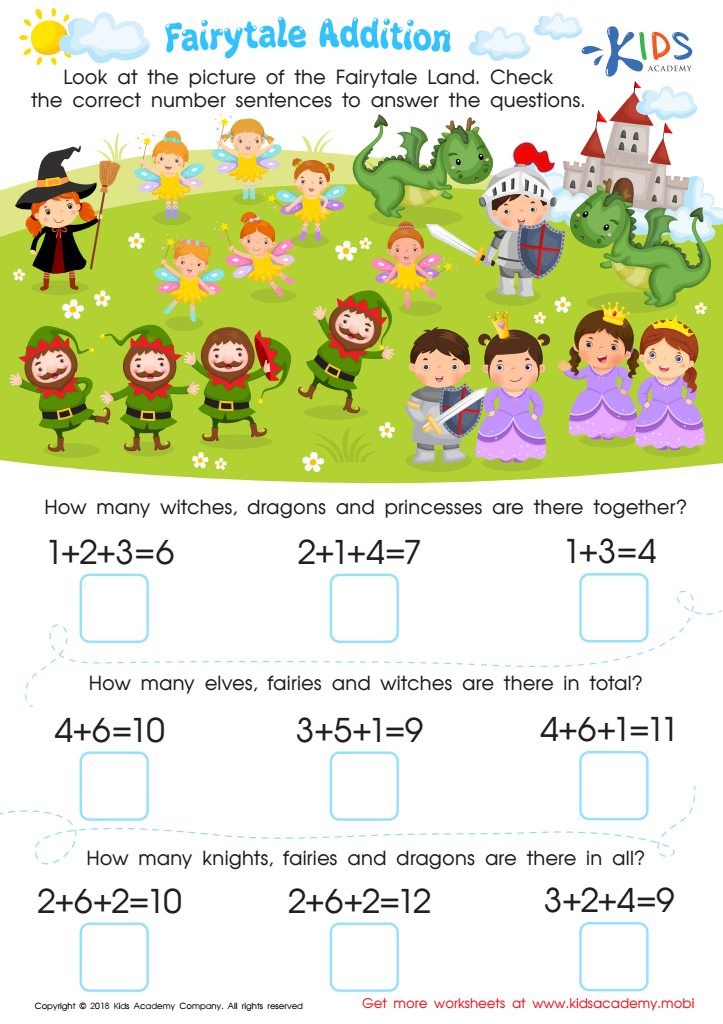
Fairytale Addition Worksheet
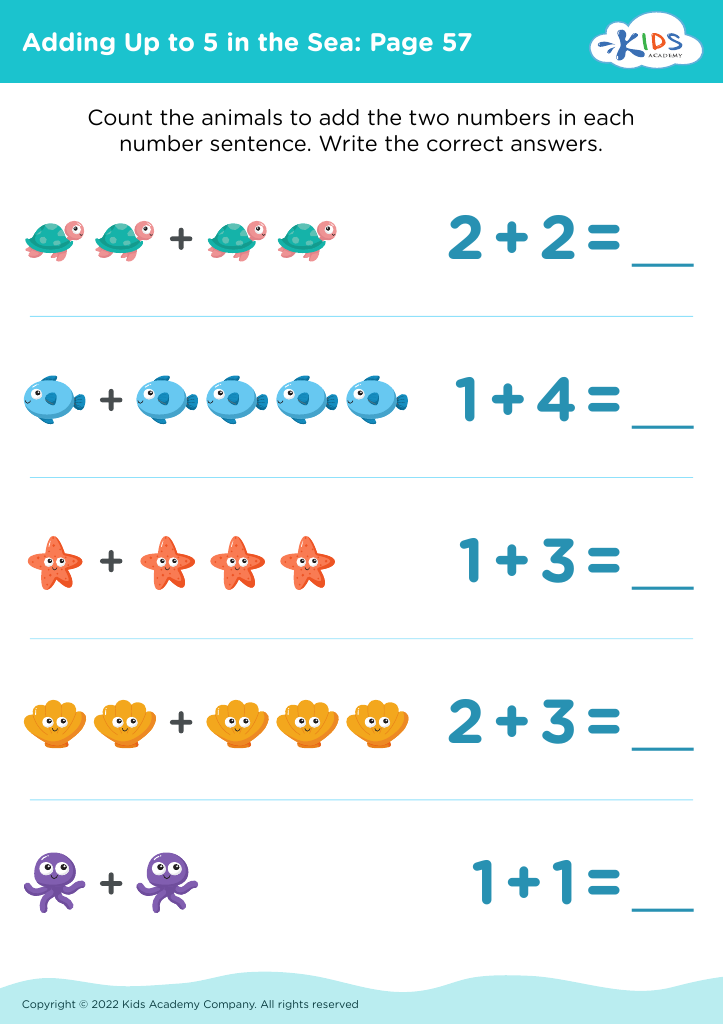
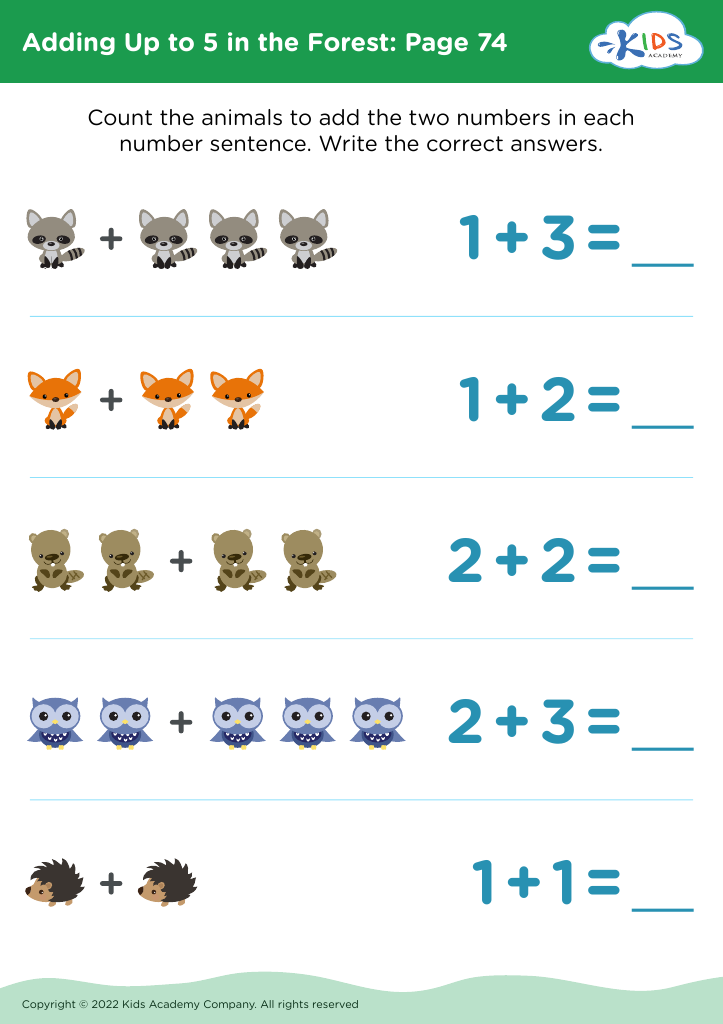
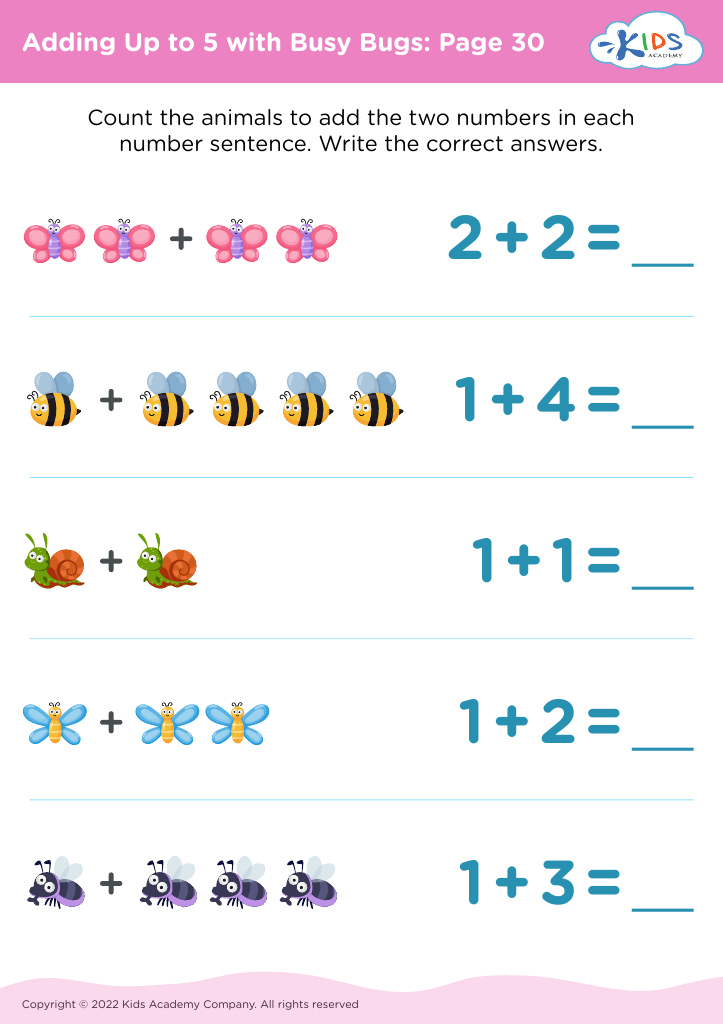
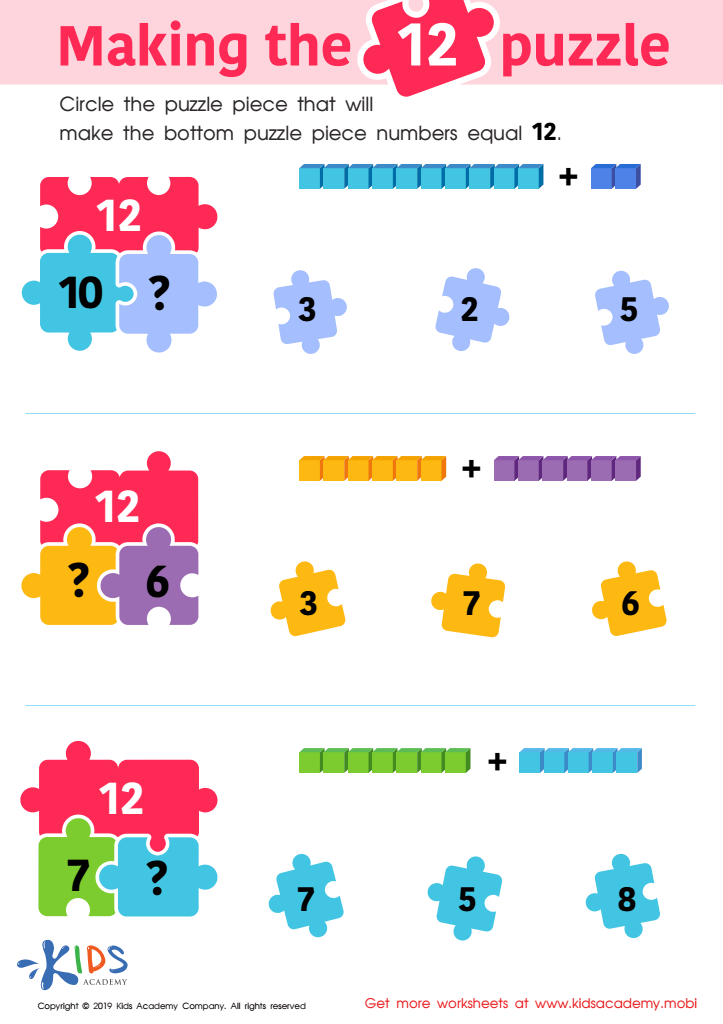
Making the 12 Puzzle Worksheet








Parents and teachers should care about addition practice because it forms a foundational skill crucial for a child’s overall mathematical development. Mastery of addition is not just about finding the sum of numbers; it fosters critical thinking, problem-solving abilities, and cognitive skills essential for later math concepts and real-life situations.
In early grades, children learn to recognize numbers, understand quantities, and develop a sense of numerical relationships. Regular addition practice helps solidify these concepts, ensuring that children gain confidence and proficiency early in their education. This foundation supports more advanced topics, such as subtraction, multiplication, and division, which they will encounter as they progress through school.
Furthermore, consistent practice instills good habits and promotes a positive attitude toward mathematics. When children engage in addition practice, they can track their own progress, leading to a sense of achievement that encourages further learning.
Additionally, addition is often encountered in daily life, from simple budgeting to measuring ingredients in cooking. Equipping children with a strong grasp of addition prepares them for these practical circumstances, instilling a lifelong competency. Overall, nurturing a solid understanding of addition creates well-rounded learners who can approach math with confidence and enthusiasm.








