Number comparison Comparing Numbers Worksheets
5 filtered results
-
From - To
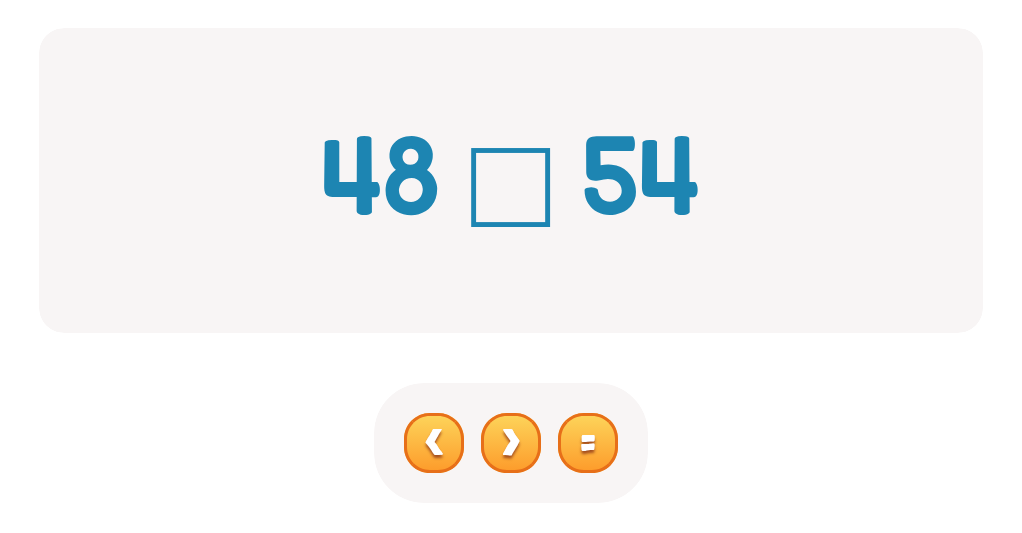
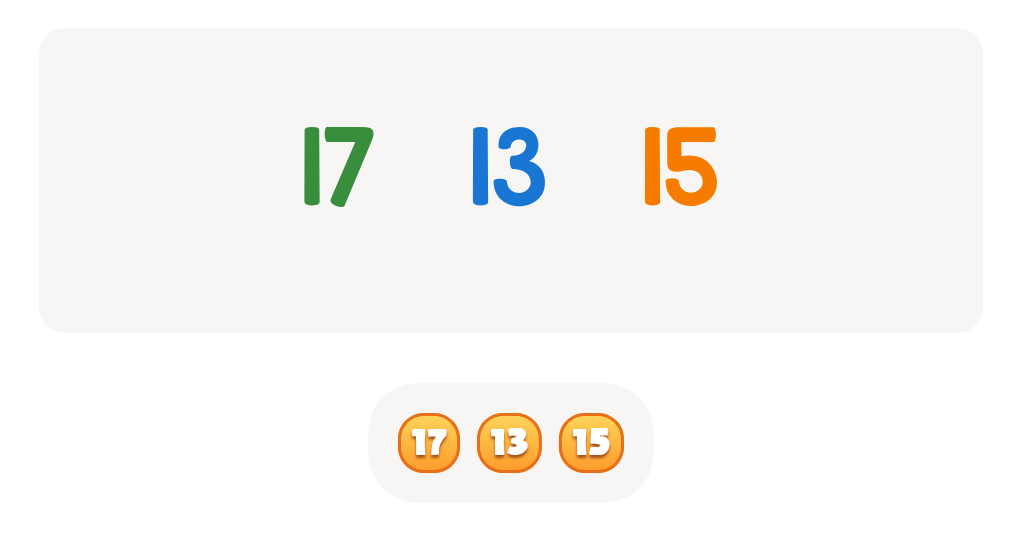
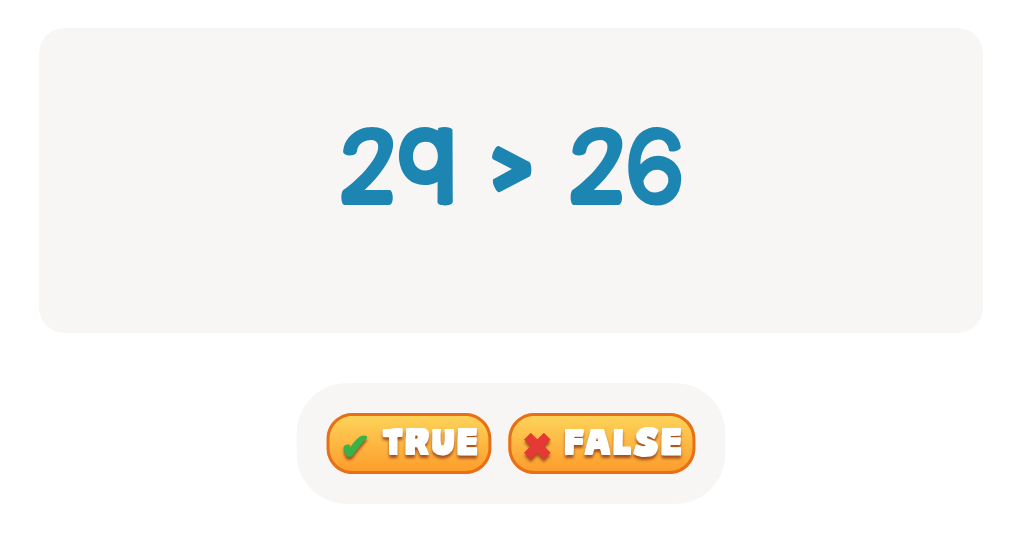
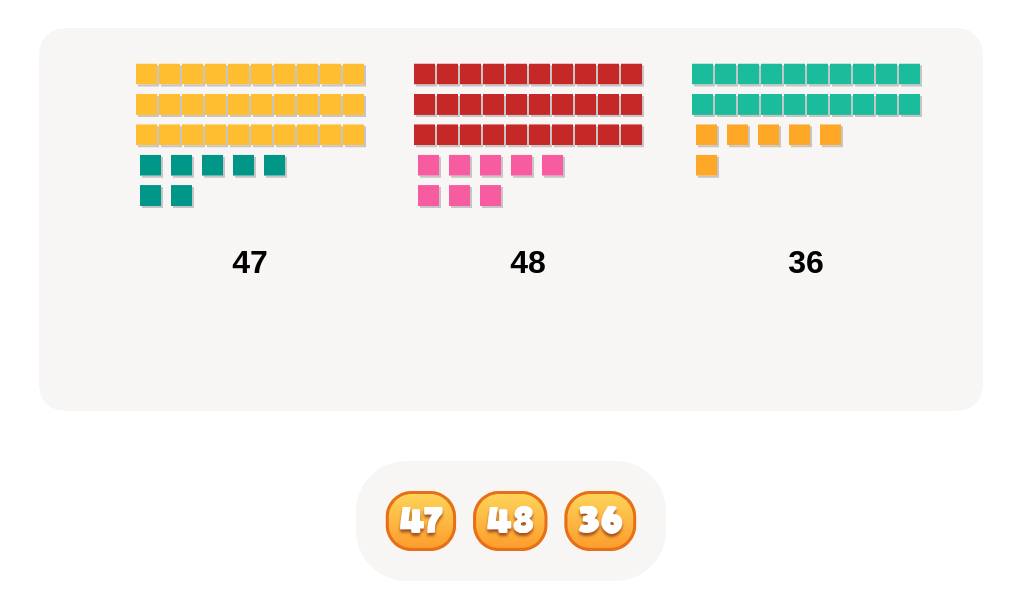
Explore our engaging "Number Comparison: Comparing Numbers Worksheets" designed to help young learners master the art of comparing numbers. These thoughtfully crafted worksheets provide various exercises, including greater than, less than, and equal to scenarios, effectively reinforcing vital math skills. With colorful visuals and age-appropriate challenges, students can practice at their own pace while building confidence in their mathematical abilities. Ideal for kindergarten and early elementary students, these resources make learning fun and interactive. Encourage your child’s mathematical journey today with our printable worksheets, ensuring they develop a strong foundation in number comparison skills essential for future success!
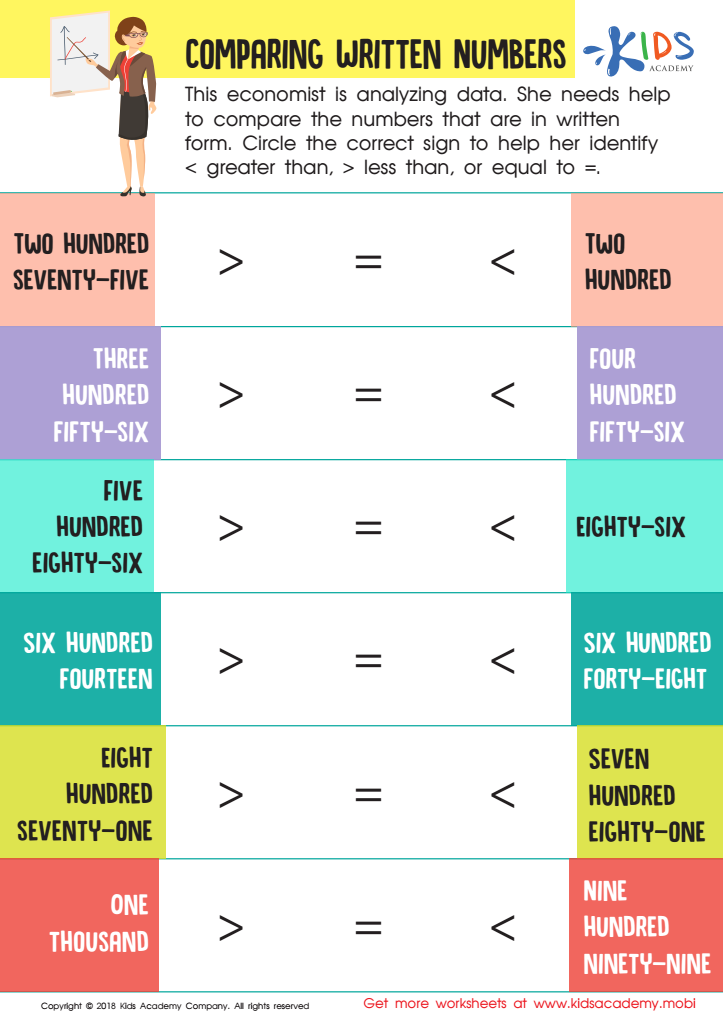
Comparing Written Numbers Worksheet
 Assign to My Students
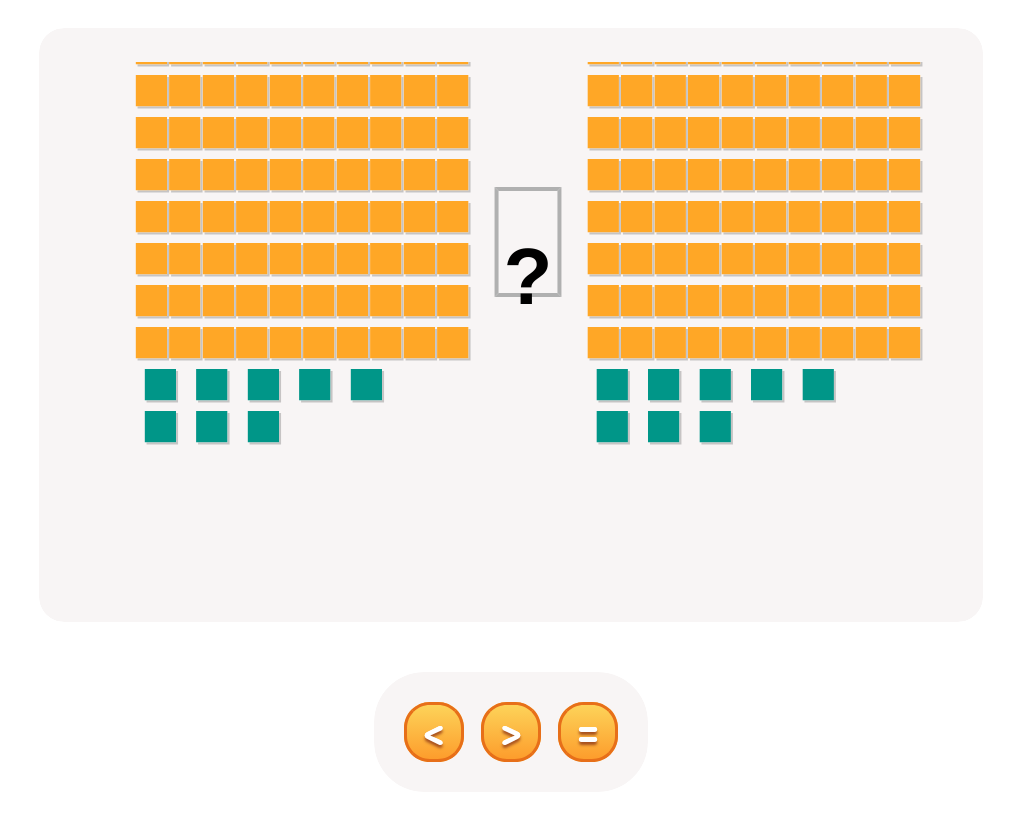

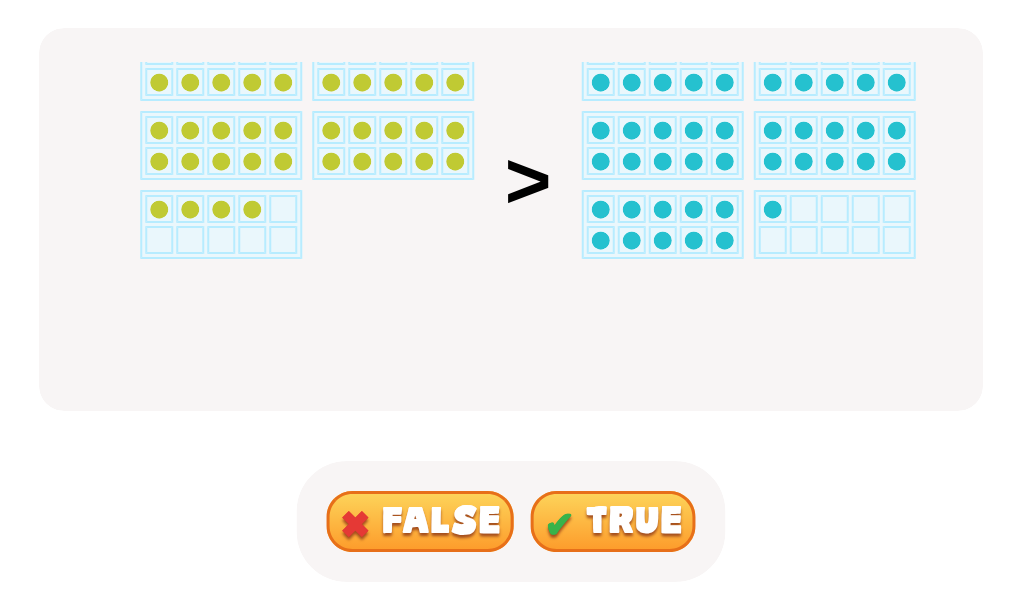
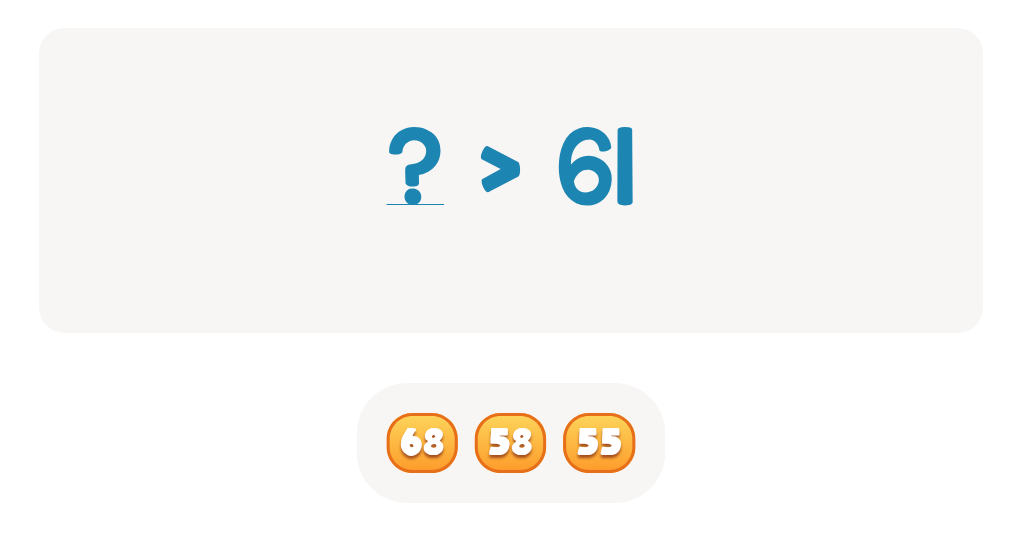
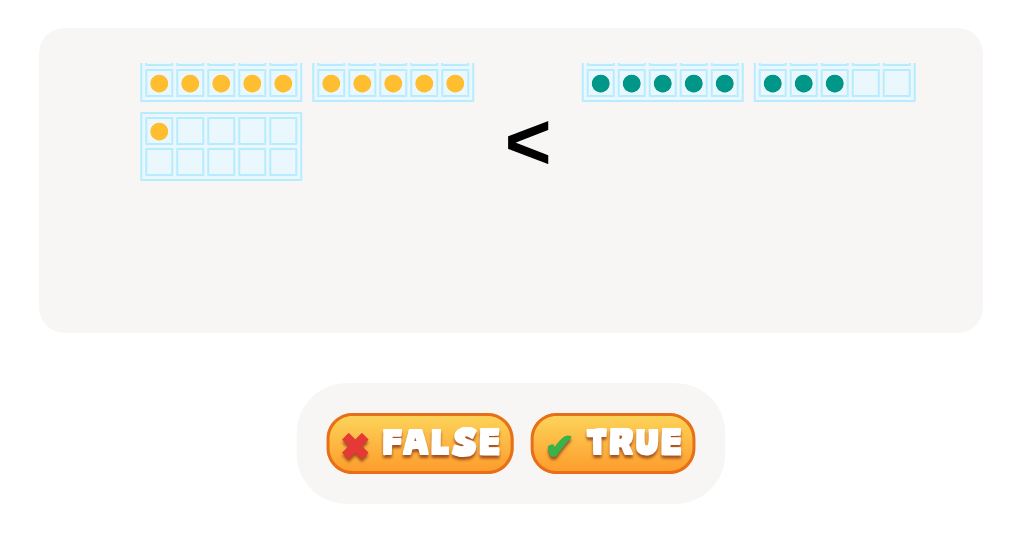
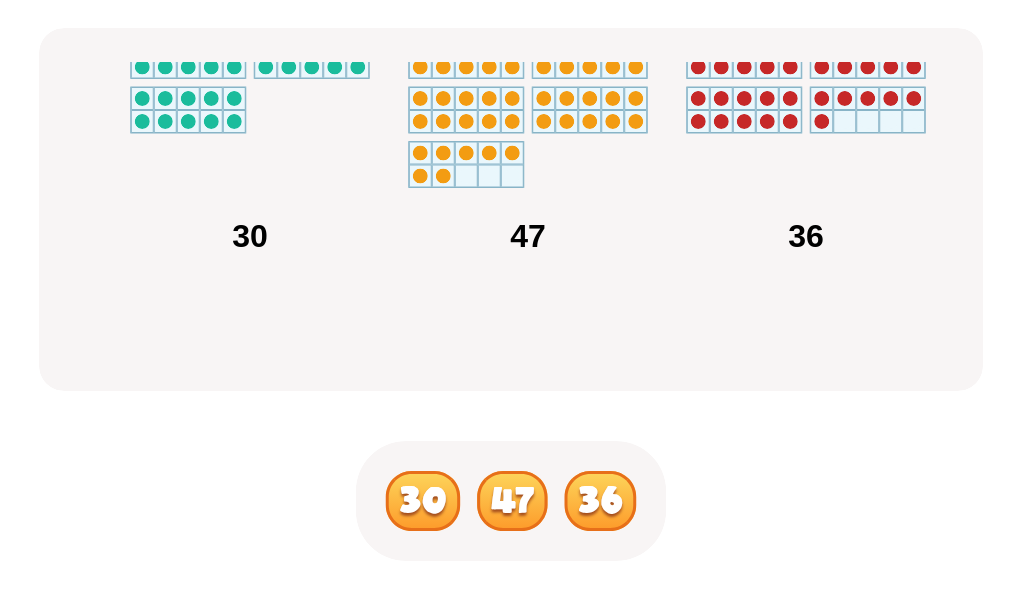
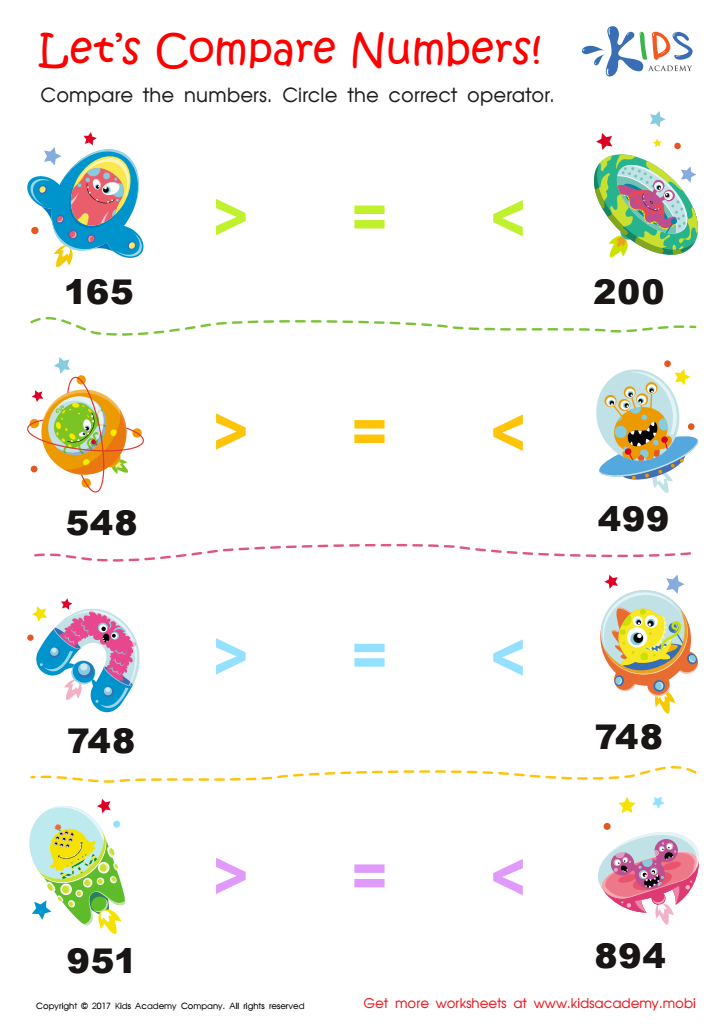
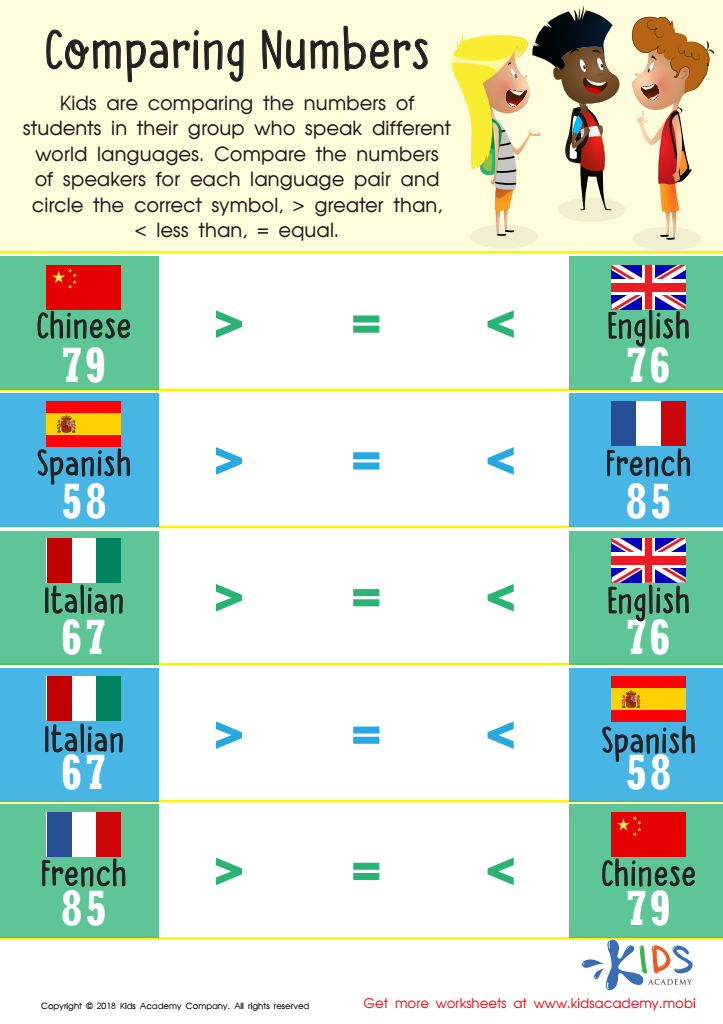
Comparing Numbers Worksheet for 2nd Grade
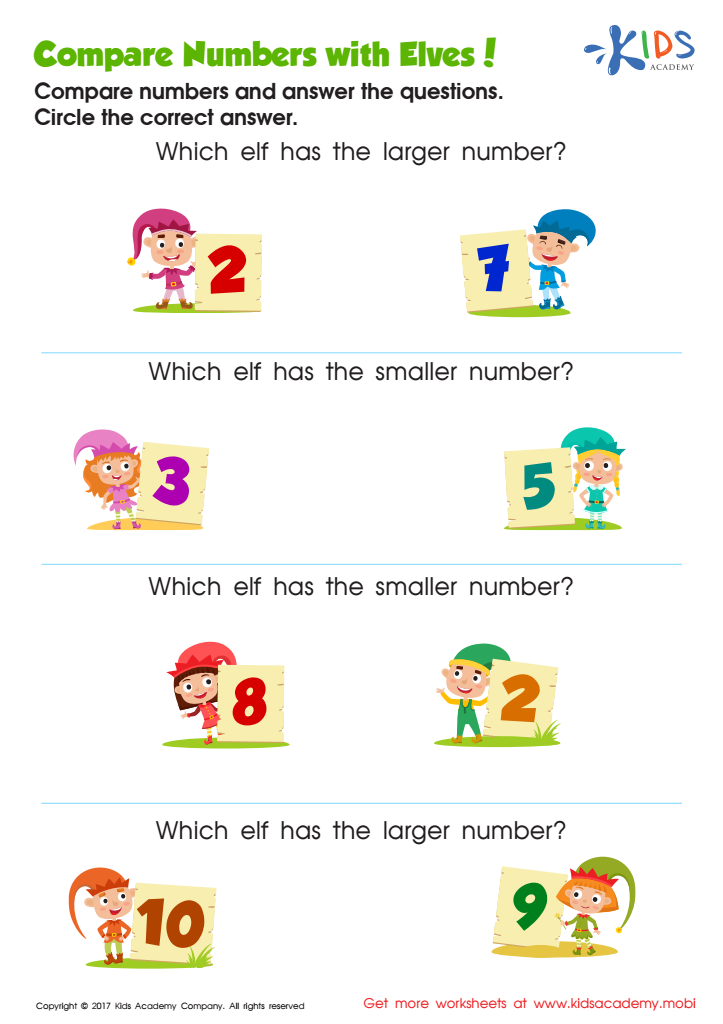
Comparing Numbers Worksheet for 1st Grade
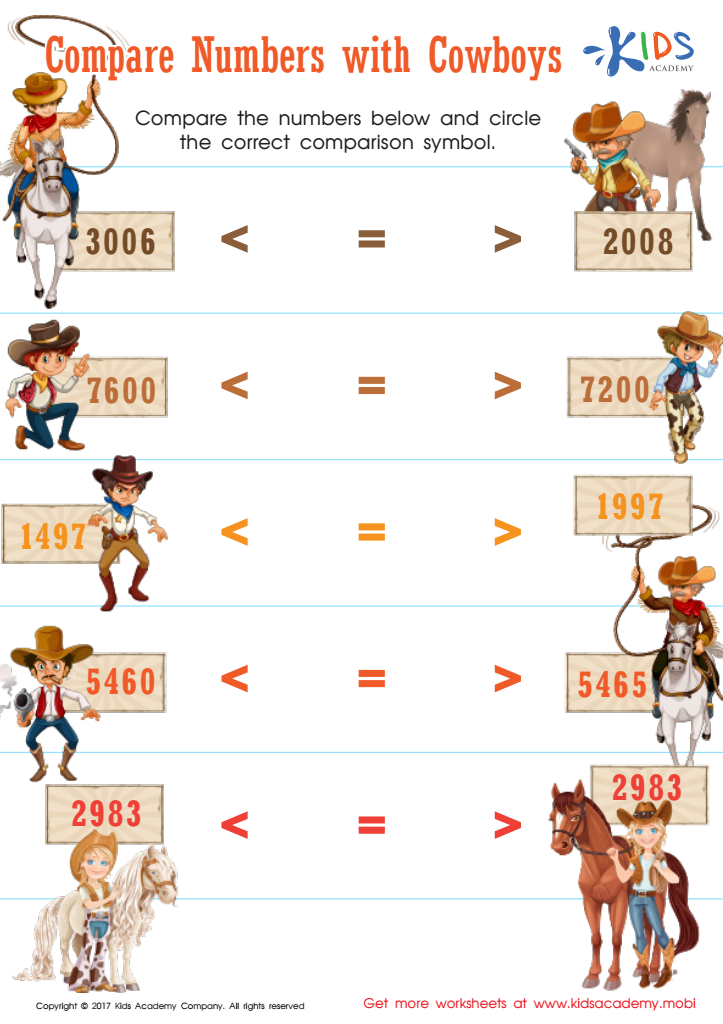
Comparing Numbers Worksheet for Kindergarten
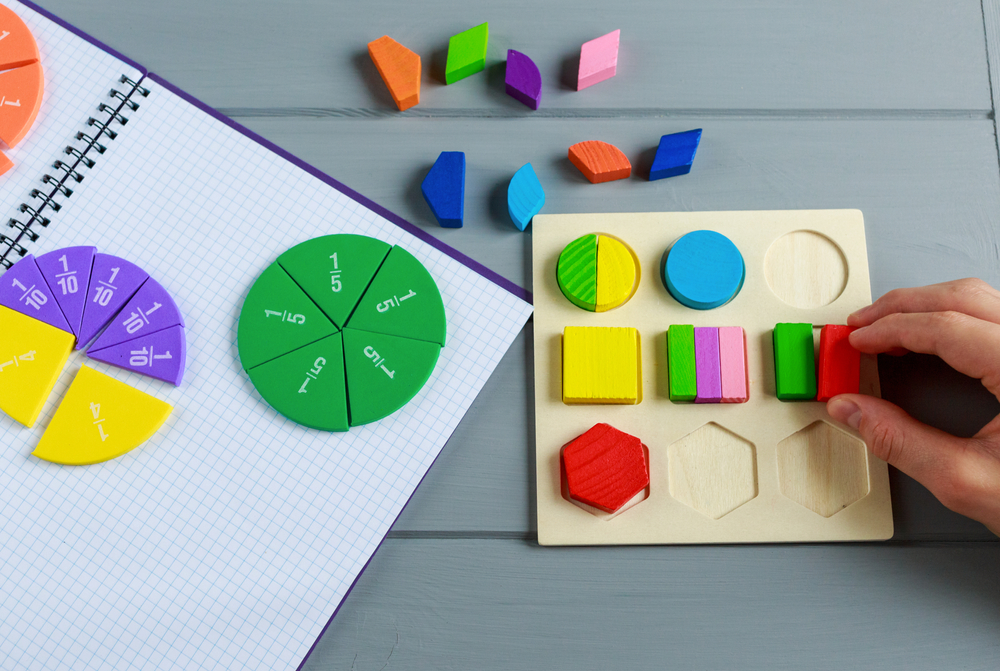
Compare Numbers Worksheet for 3rd Grade







Number comparison is a fundamental skill that lays the foundation for more advanced mathematical concepts. Parents and teachers should care about this skill because it enhances children's number sense, which is crucial for their overall mathematical development. By learning to compare numbers, children develop an understanding of magnitude and value, which helps them make sense of the number system.
When children can effectively compare numbers, they are better equipped to tackle more complex math problems, such as addition, subtraction, and even early algebra. This skill also fosters critical thinking and reasoning, allowing children to justify their choices and understand relationships between quantities. Additionally, strong number comparison skills can boost a child's confidence in their mathematical abilities, leading to a more positive attitude towards math overall.
Moreover, this skill has practical implications in everyday life. Children frequently encounter situations that require them to assess quantities, such as determining which amount is greater when shopping or comparing scores from various activities. By prioritizing number comparison, parents and teachers can ensure that children build a solid mathematical foundation, setting them up for future success in academics and daily life. Ultimately, fostering this essential skill benefits both the child's education and their ability to navigate real-world situations.








