Fine Motor Skills Geometry Worksheets - Page 2
29 filtered results
-
From - To
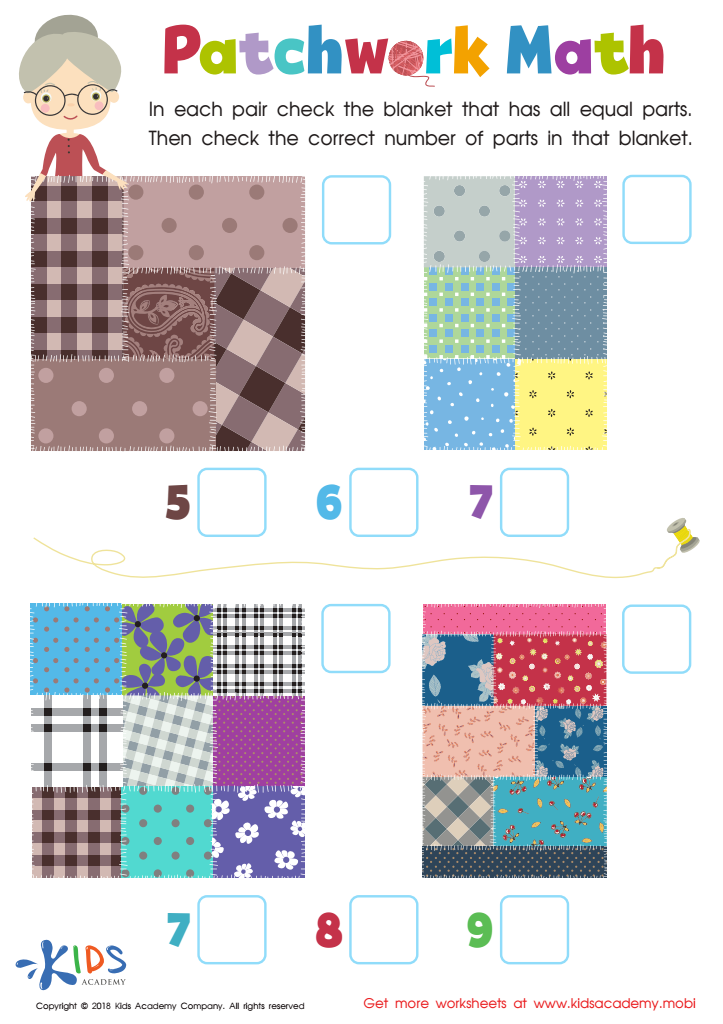
Patchwork Math Worksheet
 Assign to My Students











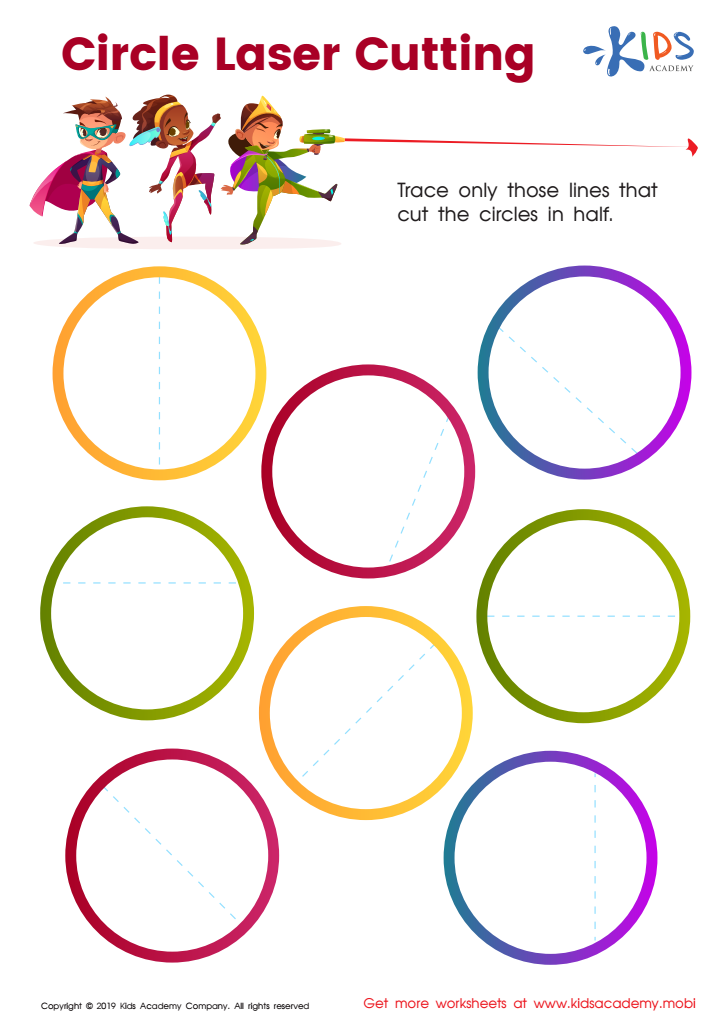
Circle Laser Cutting Worksheet
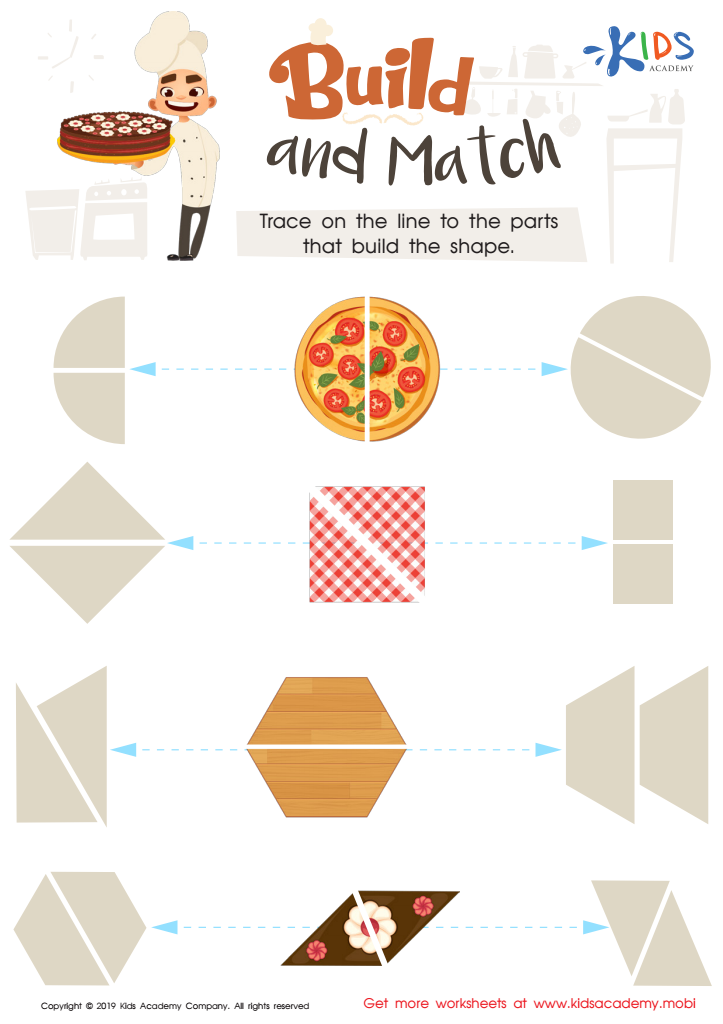
Build and Match Worksheet
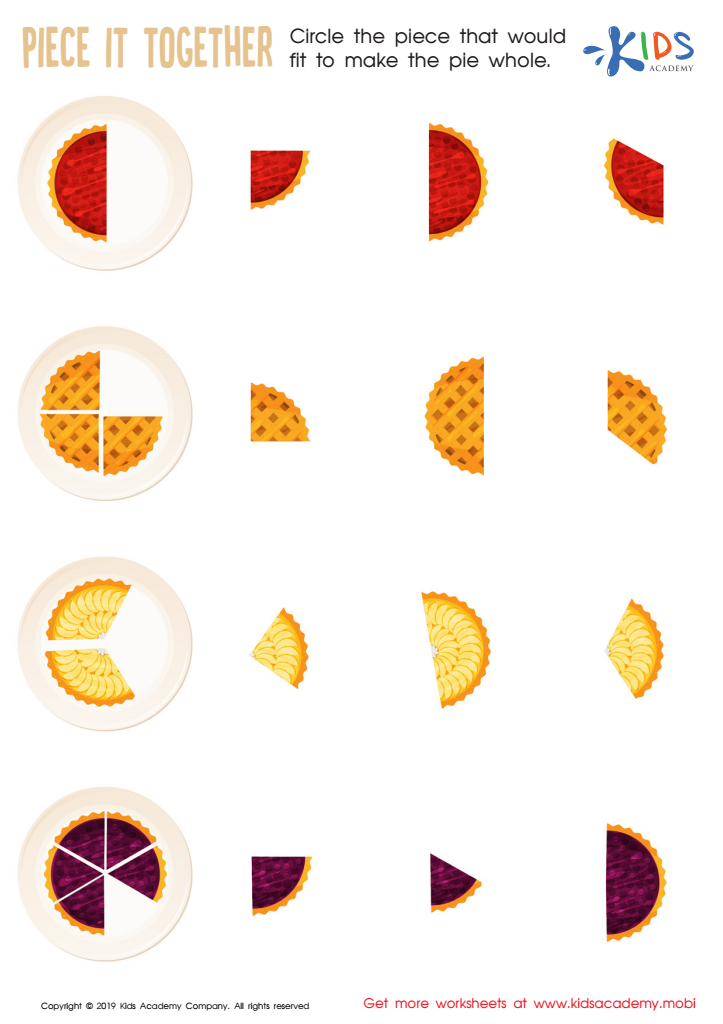
Piece it together Worksheet
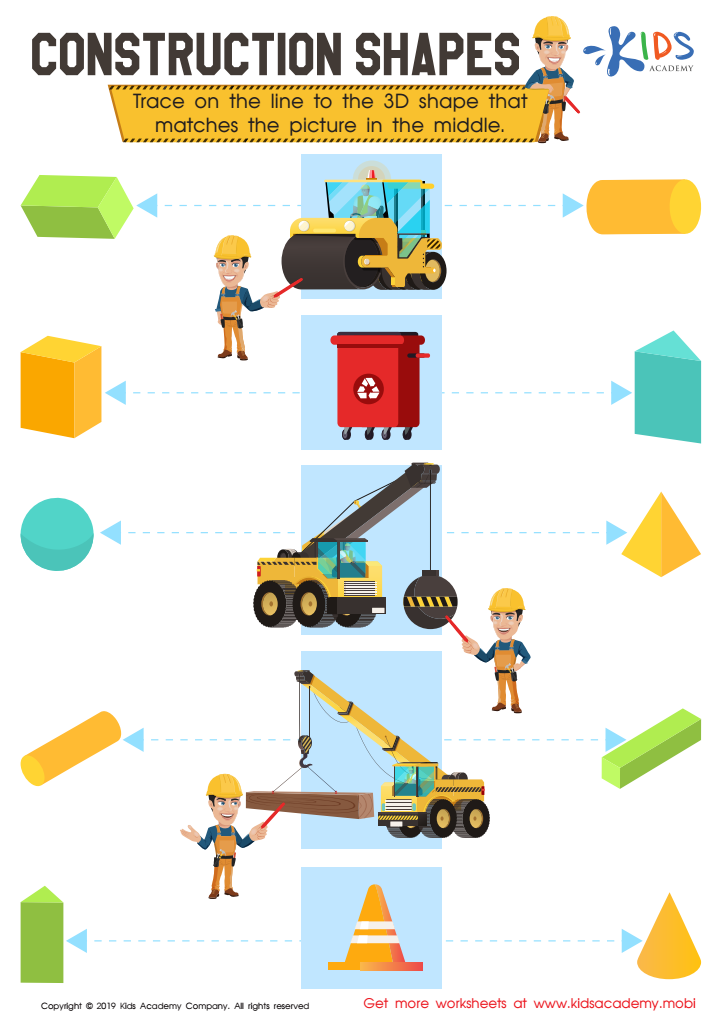
Construction Shapes Worksheet








Fine Motor Skills and Geometry are crucial elements in early childhood development, and parents or teachers should pay close attention to them for several compelling reasons. Fine Motor Skills involve the coordination of small muscles in actions such as writing, buttoning, and cutting with scissors. These skills are foundational to a child's ability to perform academic tasks with autonomy and precision. Conversely, Geometry concepts, such as recognizing shapes, understanding spatial relations, and comprehending sizes, serve as building blocks for higher-level math and logical reasoning.
By integrating Fine Motor Skills with Geometry, children enhance both their cognitive and physical capabilities. For example, activities like drawing shapes or assembling simple puzzles engage children in a multi-sensory experience that boosts hand-eye coordination, spatial awareness, and visual processing skills.
Moreover, these integrated learning experiences foster problem-solving abilities and encourage creativity. Children who develop these skills early are better equipped to tackle more complex concepts in later grades, effectively creating a strong foundation for lifelong learning. Parents and teachers who focus on integrating Fine Motor Skills and Geometry can thus help children develop the holistic skill set needed for academic success and everyday functional activities.








