Visual perception Geometry Worksheets
5 filtered results
-
From - To
Visual Perception Geometry Worksheets enhance early learning by combining fun and education. Tailored for young learners, these worksheets help children recognize patterns, shapes, and spatial relationships, boosting their visual and cognitive skills. They engage kids through interactive activities like shape matching, pattern identification, and symmetry exercises. Designed to align with educational standards, these worksheets are perfect for reinforcing classroom learning or homeschooling. By incorporating visually stimulating tasks, they ensure that students not only learn but enjoy the process. Equip your child with essential geometry skills and a love for learning with our Visual Perception Geometry Worksheets.
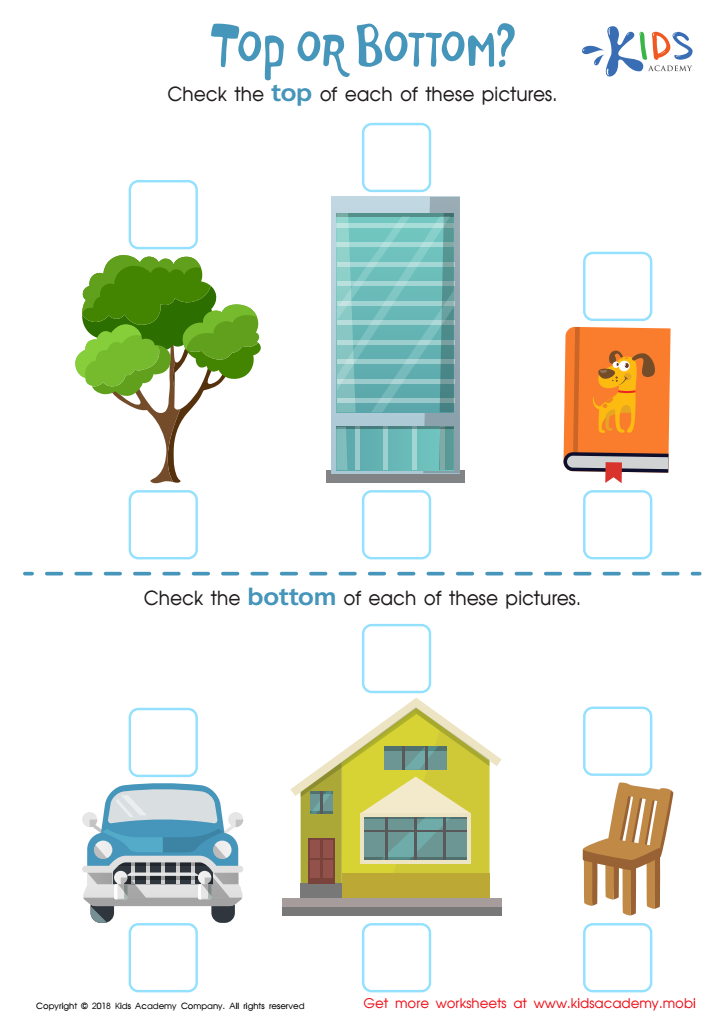
Top or Bottom Worksheet
 Assign to My Students











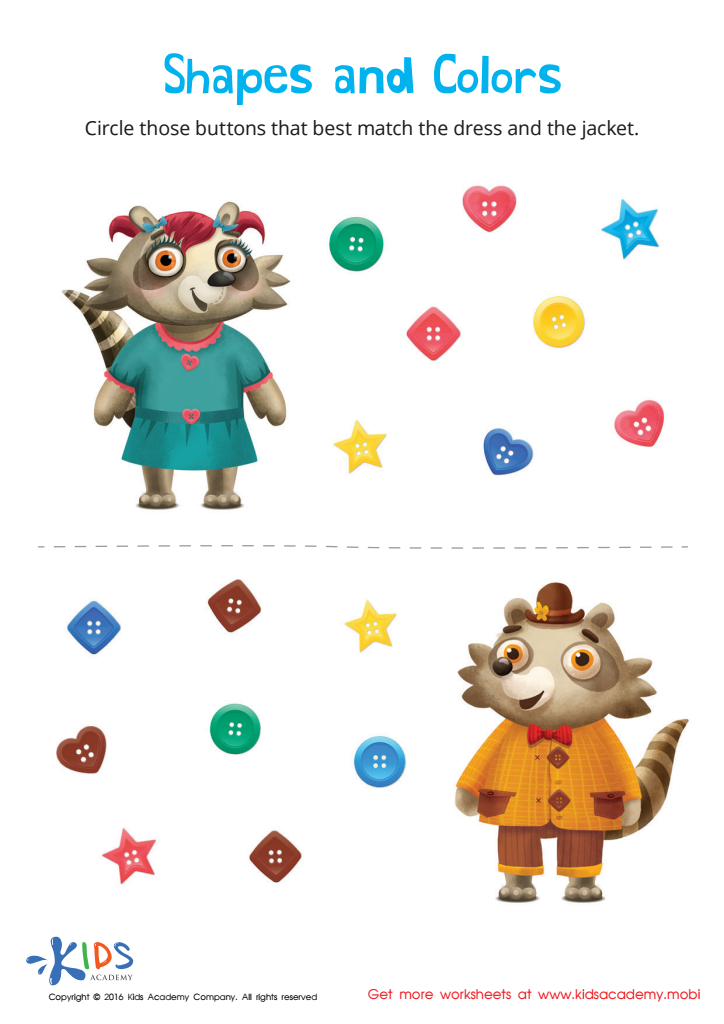
Matching: Shapes and Colors Worksheet
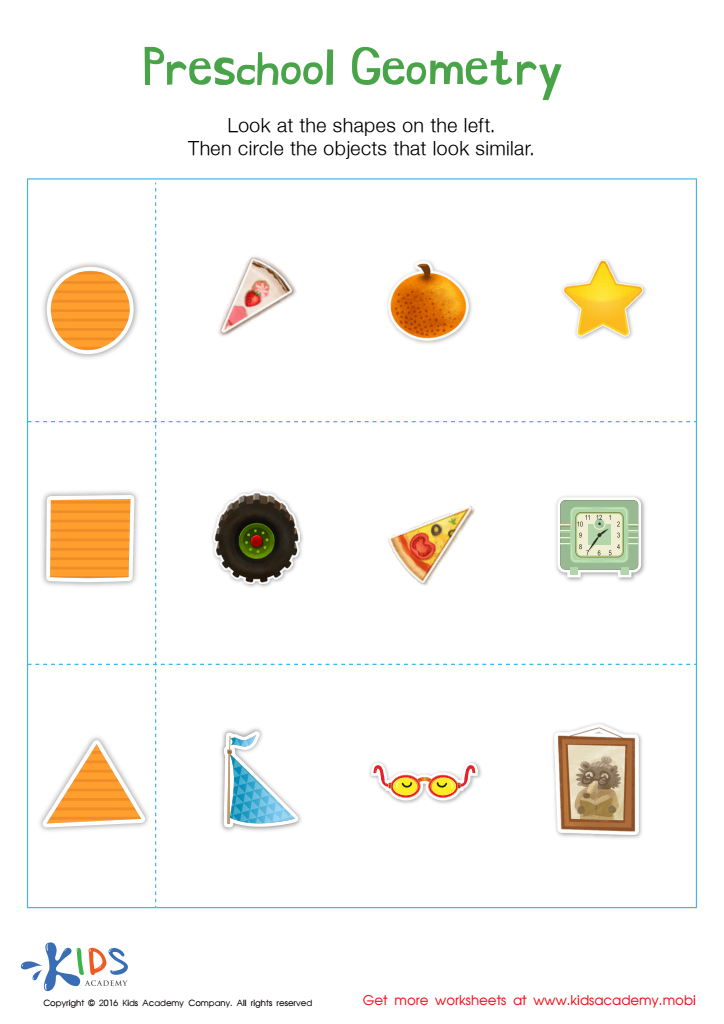
Preschool Geometry Match Up Worksheet
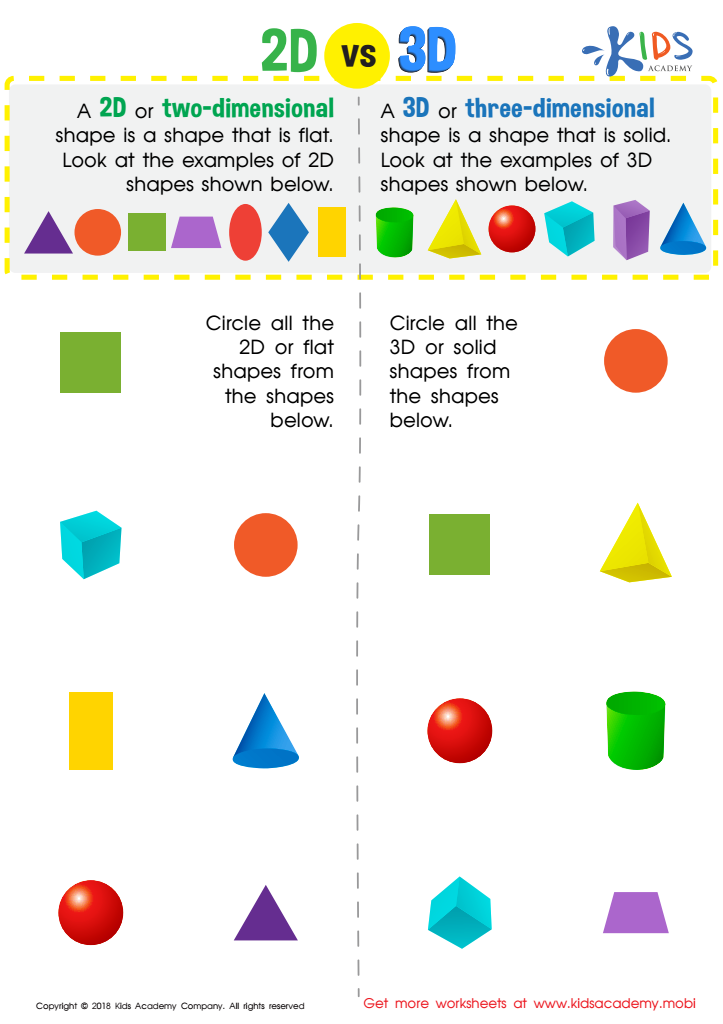
2D vs 3D Shapes Worksheet
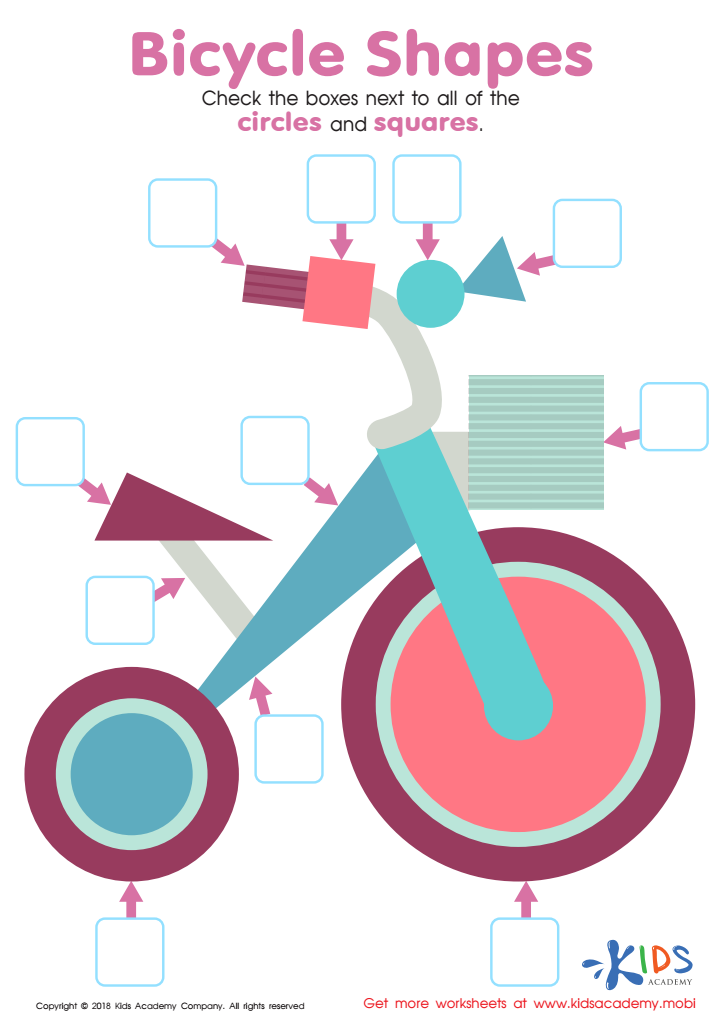
Bicycle Shapes Worksheet








Visual perception geometry, the way that our minds process and understand shapes, spaces, and configurations, is crucial in early childhood development and education. Parents and teachers should care about this aspect because it profoundly influences a child’s learning and overall cognitive development.
First, visual perception is fundamental for recognizing letters and numbers, which are basic elements of reading and mathematics. Children who struggle with visual perception may have difficulty distinguishing between similar shapes, leading to challenges in reading and math. By supporting the development of this skill, parents and teachers can help prevent early academic frustration and build a strong, confident foundation for future learning.
Second, good visual perception skills enhance hand-eye coordination and fine motor skills. Activities like writing, drawing, and even playing sports become easier and more enjoyable for children with well-developed visual perception. This aids in not just academic success but also in socialization and physical health.
Lastly, visual perception cultivates problem-solving and critical thinking abilities. Understanding how shapes fit together, recognizing patterns, and visualizing spatial relationships are all skills that support more complex cognitive tasks.
By prioritizing visual perception geometry, parents and teachers can help ensure children are equipped with essential tools for holistic development, making learning an enjoyable and fruitful experience.








