Analyzing data Numbers Worksheets
3 filtered results
-
From - To
Discover our "Analyzing Data Numbers Worksheets" designed to boost early learners' math skills! These engaging worksheets help young students grasp essential data analysis concepts through fun activities. With colorful visuals and simple exercises, children will learn to interpret graphs, charts, and tables effortlessly. Our worksheets also enhance critical thinking by encouraging kids to observe patterns and make data-driven decisions. Perfect for both classroom use and at-home practice, these printables are a valuable resource for building a solid foundation in math. Visit Kids Academy to download and start fostering your child's analytical abilities today!
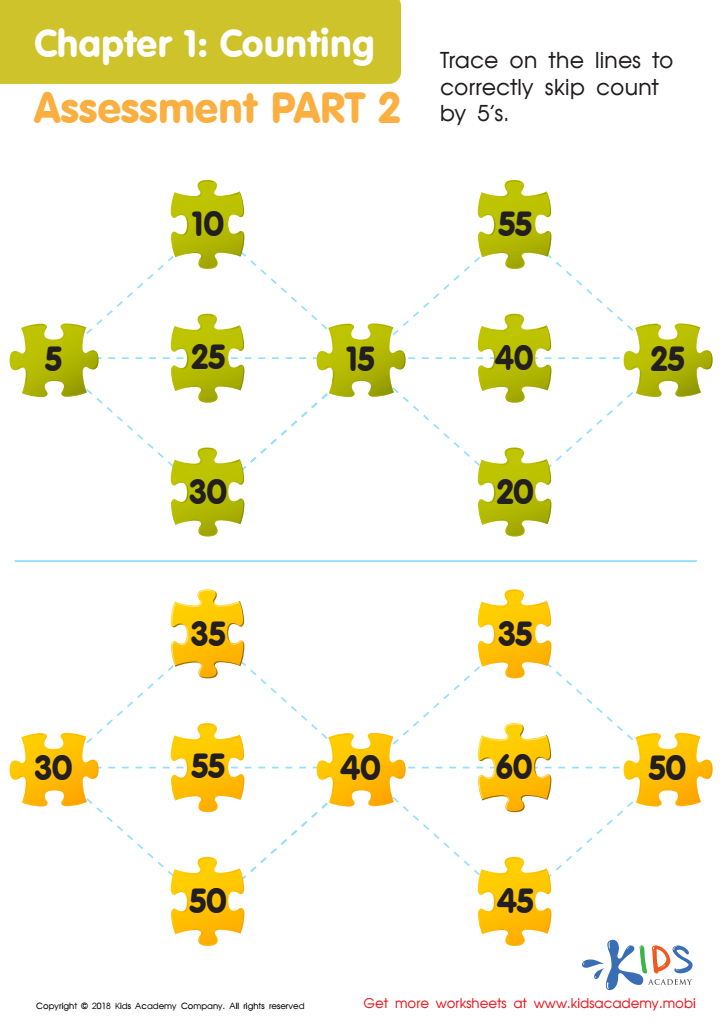
Counting: Assessment 2 Worksheet
 Assign to My Students
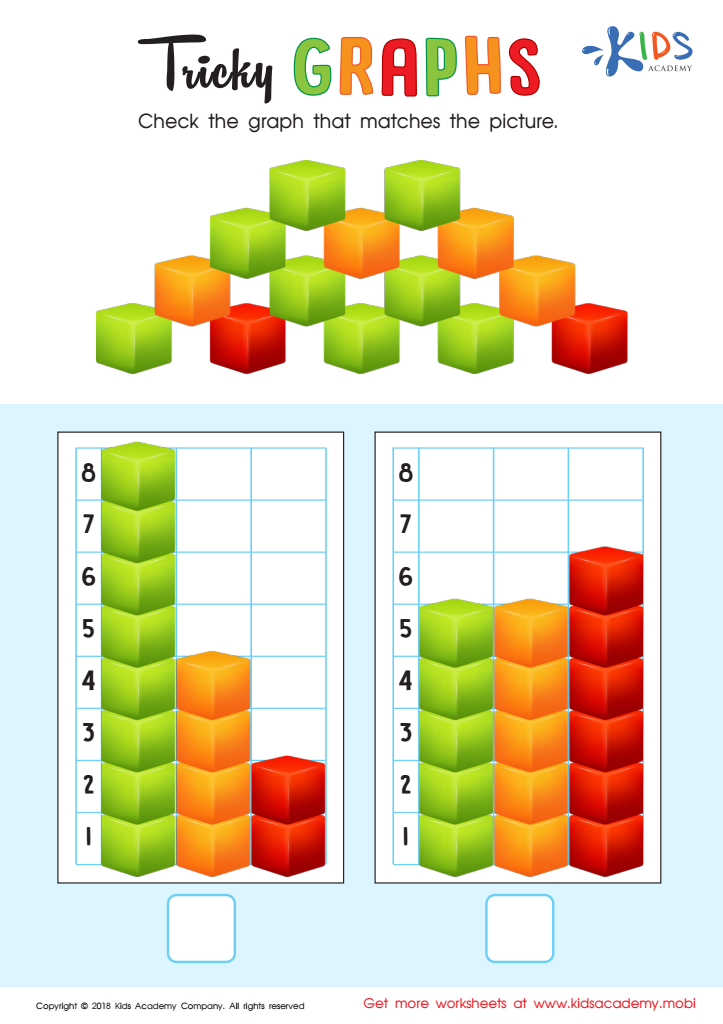
Tricky Graphs Worksheet
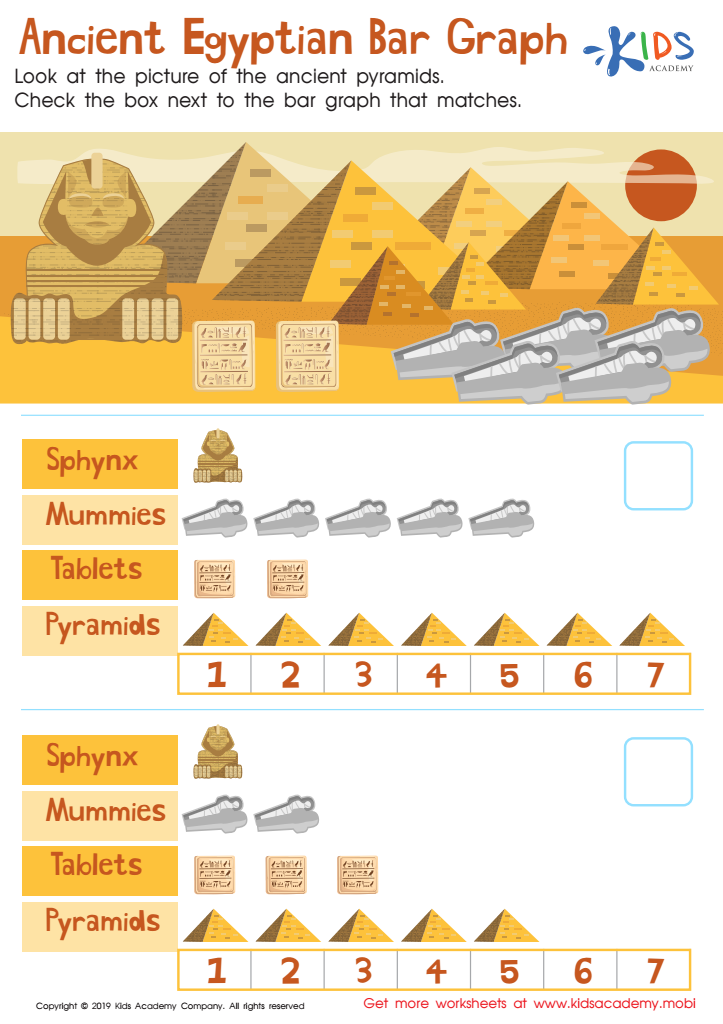
Egyptian Bar Graph Worksheet




%20(1).jpg)



Analyzing data numbers is crucial for both parents and teachers in fostering children’s growth and ensuring educational success. For teachers, data can reveal important insights about students' performance, strengths, and areas needing improvement. By examining test scores, assignment completion rates, or attendance records, teachers can tailor their instructional strategies to meet the unique needs of each child. This personalized approach helps in enhancing student engagement and understanding, making learning more effective.
For parents, understanding data numbers allows them to stay informed about their child's academic progress. Data can provide a clear picture of where their child stands in comparison to educational standards and peers. This information is vital for identifying potential challenges early on and collaborating effectively with teachers to address any issues. Moreover, it can guide parents in supporting their child’s learning at home, whether by providing additional practice in weaker areas or by encouraging activities that build on strengths.
Ultimately, analyzing data numbers supports a proactive approach to education. It equips both teachers and parents with the necessary tools to make informed decisions, fostering an environment where every child can thrive academically and developmentally. By doing so, we set a strong foundation for lifelong learning and success.








