Categorization skills Numbers Worksheets
5 filtered results
-
From - To
Enhance your child’s learning journey with our Categorization Skills Numbers Worksheets! Designed for early learners, these engaging worksheets introduce foundational math concepts by helping kids classify numbers through fun and interactive activities. Perfect for home or classroom use, these resources bolster cognitive development and promote critical thinking as children distinguish between different groups of numbers. Our colorful and age-appropriate designs capture kids’ attention, making learning a delightful experience. By incorporating categorization exercises, children will improve their organizational skills and mathematical understanding, setting a strong base for future math success. Explore our worksheets to foster a love for learning in your little ones today!
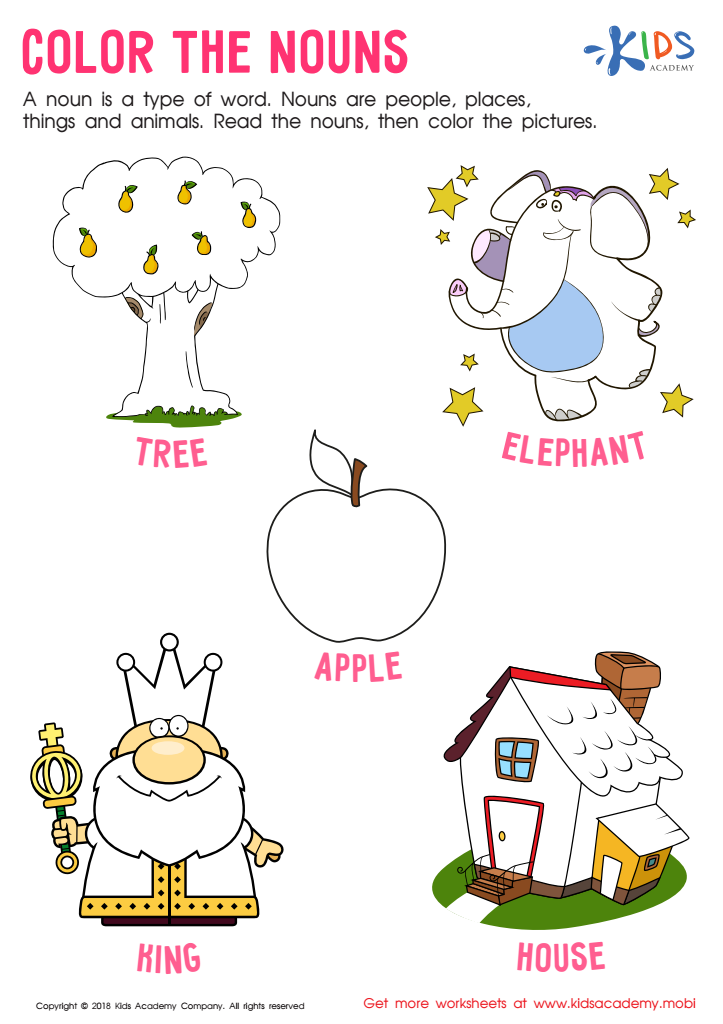
Color the Nouns Worksheet
 Assign to My Students
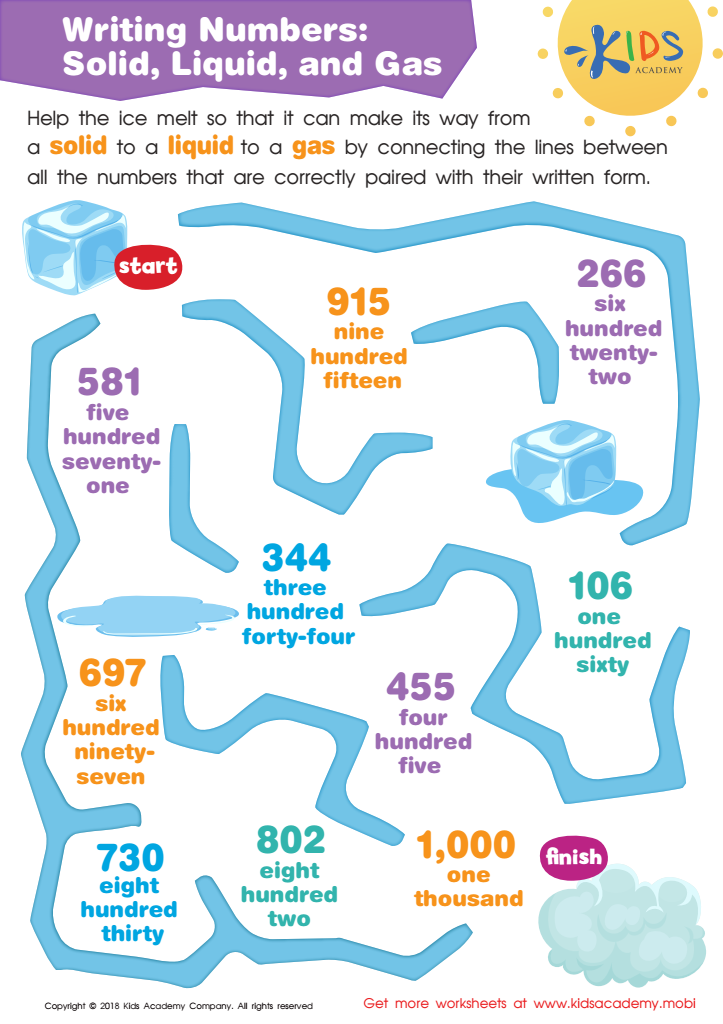
Solid, Liquid, and Gas Writing Numbers Worksheet
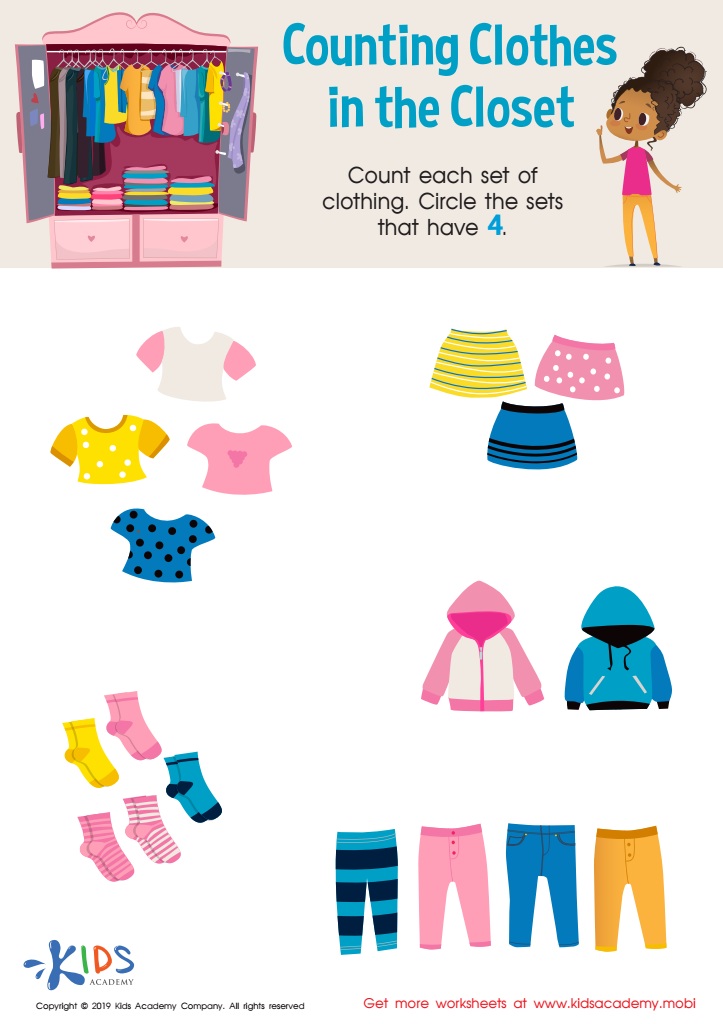
Counting Clothes Worksheet
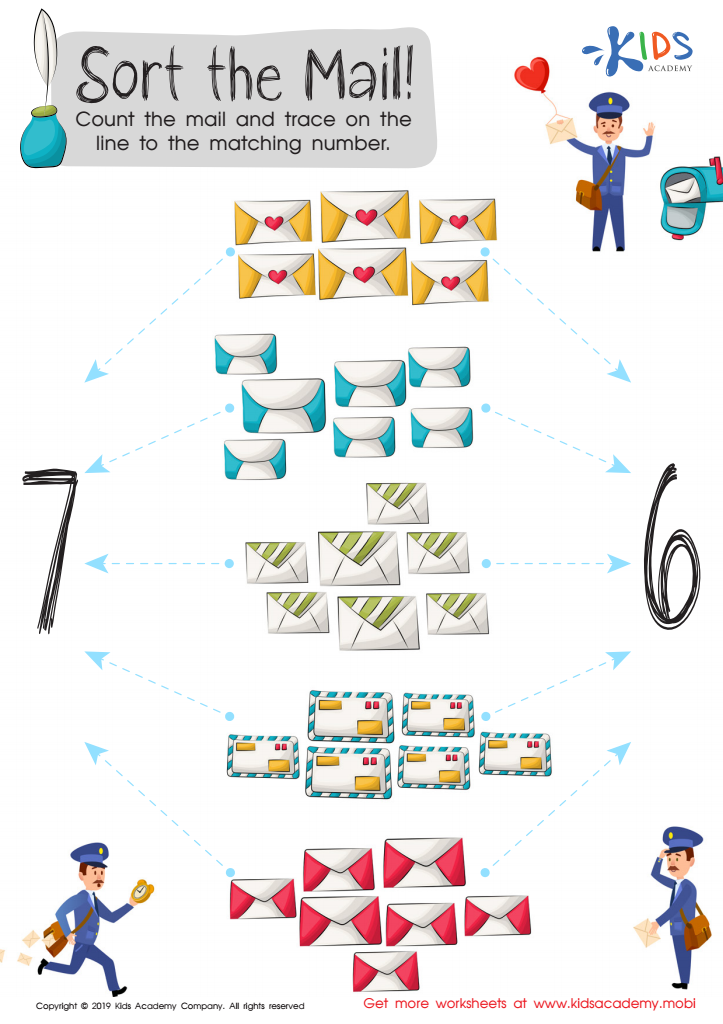
Sort the Mail Worksheet
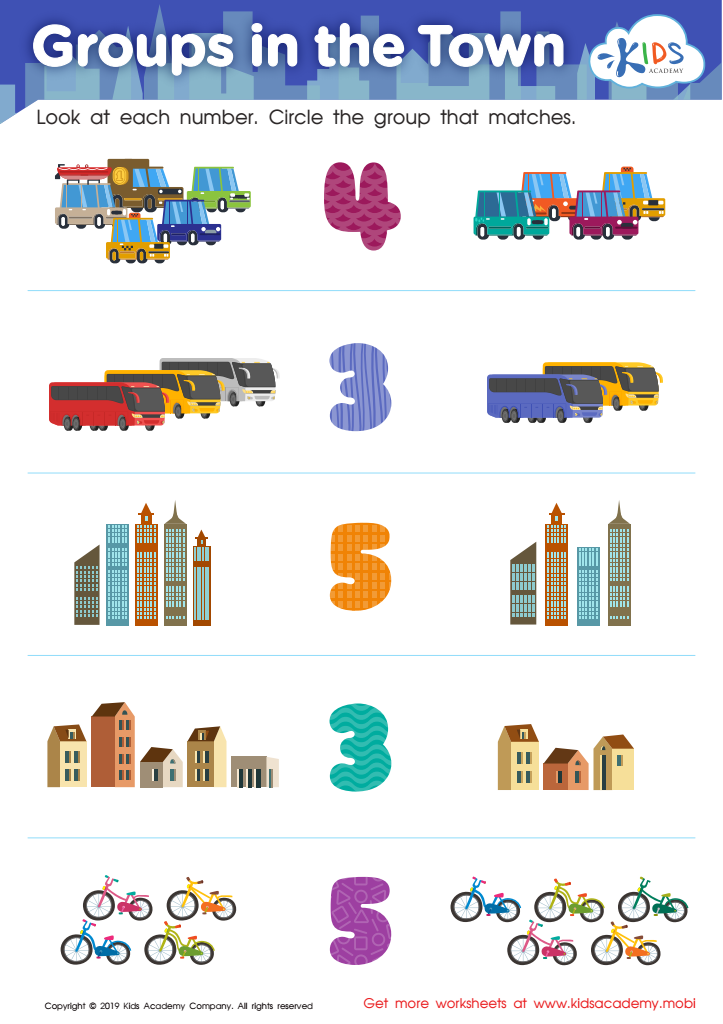
Groups in the Town Worksheet







Categorization skills and number recognition are foundational elements in early childhood education that significantly influence a child's cognitive development. When parents and teachers emphasize categorization skills, they help children learn to group objects based on shared characteristics, such as color, size, shape, or type. This practice fosters critical thinking, as children begin to understand the relationships between different items, enhancing their problem-solving abilities.
Recognizing and understanding numbers is equally vital. It lays the groundwork for mathematics, allowing children to understand quantity, order, and basic arithmetic. Number recognition is essential in everyday situations, helping children navigate the world around them—from counting steps to measuring ingredients in cooking.
Moreover, strong categorization and number skills are linked to greater academic success. These skills are not just educational milestones; they are integral to various learning frameworks. Parents and teachers can use everyday activities, such as sorting toys or counting objects, to reinforce these concepts, making learning engaging and practical.
Ultimately, nurturing these skills helps instill confidence in children, encouraging a positive attitude towards learning. This solid foundation can support their future educational journeys, equipping them with tools to face more complex concepts and challenges.








