Logical thinking Numbers Worksheets
5 filtered results
-
From - To
Enhance your child's logical thinking skills with our engaging Numbers Worksheets, specifically designed for early learners. These interactive activities will challenge children to think critically while mastering number concepts. Kids can explore patterns, sequences, and problem-solving techniques that inspire creativity and establish a strong mathematical foundation. Our worksheets cater to various learning styles, ensuring all children can thrive in a fun, supportive environment. Ideal for homeschooling or classroom use, these resources foster confidence and curiosity in young mathematicians. Download our free printable worksheets today and watch your child’s logical reasoning abilities flourish while they have fun learning numbers!
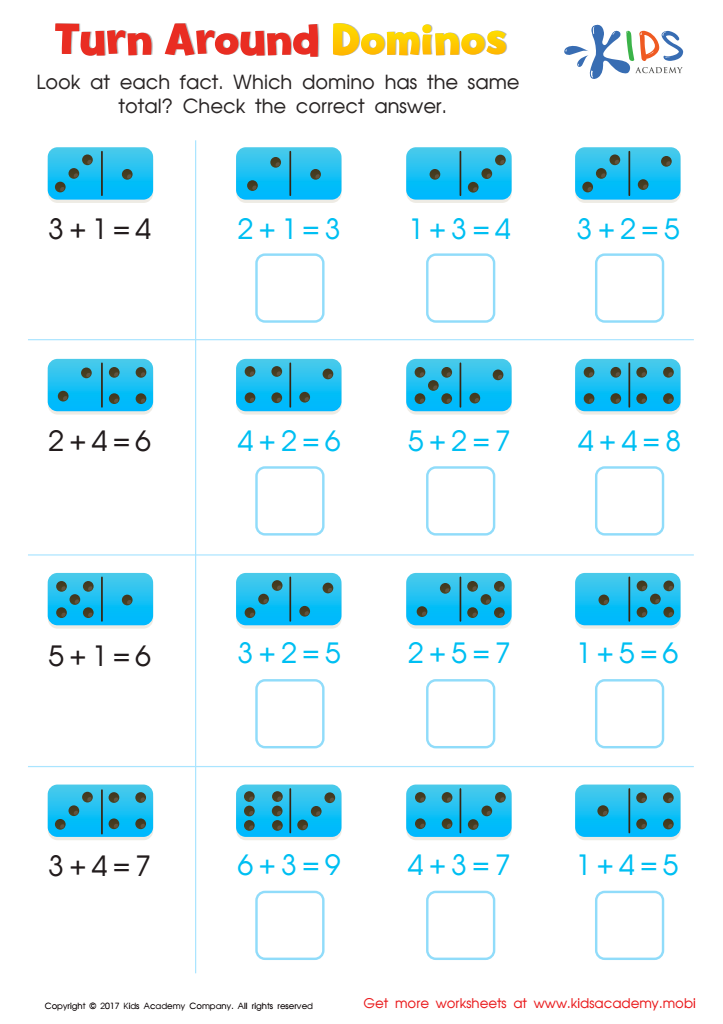
Turn Around Dominos Worksheet
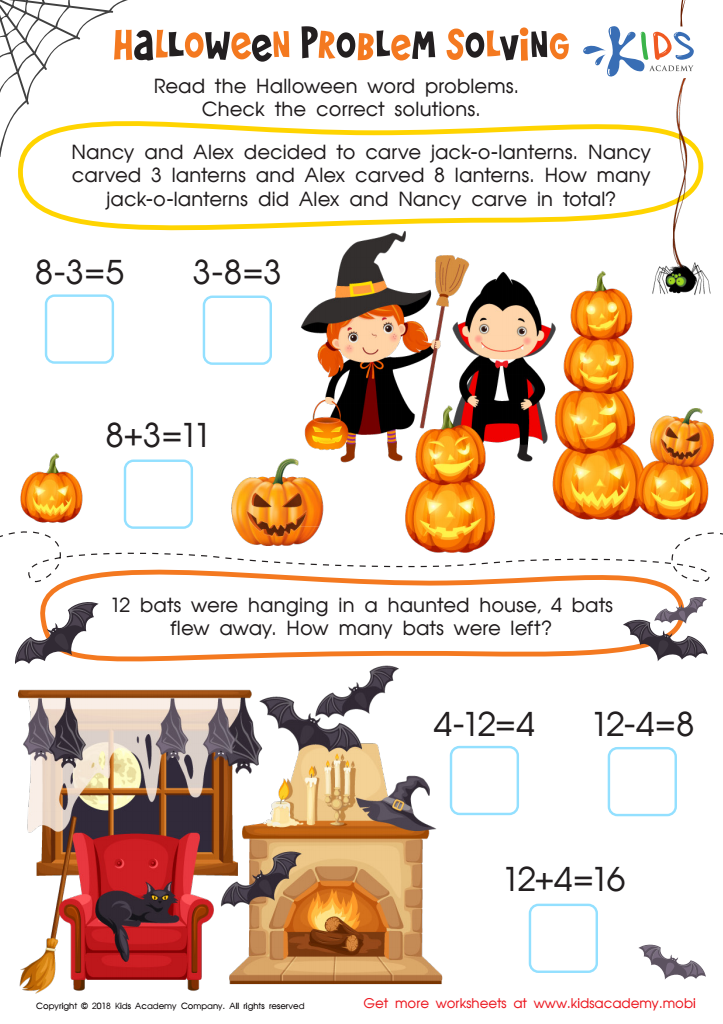
Halloween Problem Solving Worksheet
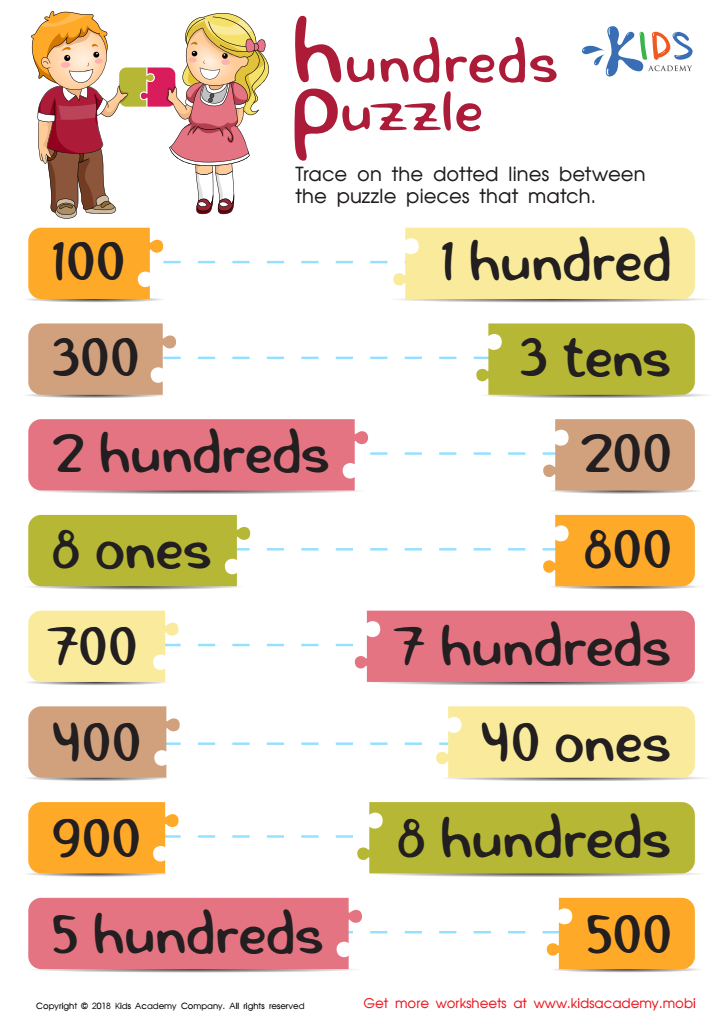
Hundreds Puzzle Worksheet
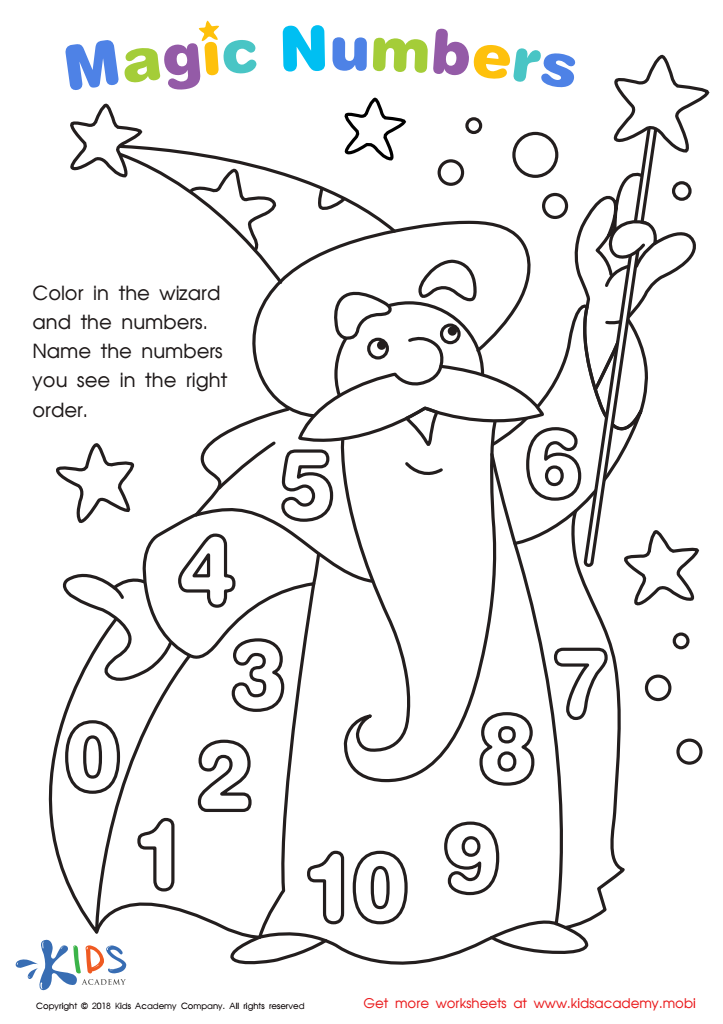
Magic Numbers Worksheet
 Assign to My Students

Transportation: Steps Worksheet








Parents and teachers should prioritize logical thinking in young children, especially concerning numbers, since it lays the foundation for critical problem-solving skills essential in everyday life. Logical thinking involves reasoning, recognizing patterns, and making connections, which are crucial in mathematical operations and understanding complex concepts.
Promoting logical thinking with numbers helps children develop strong mathematical skills and enhances their overall cognitive abilities. When children engage with numbers through puzzles, games, and challenges, they learn to approach problems systematically, evaluate options, and draw informed conclusions. This fosters resilience and persistence, as they learn to tackle difficult tasks.
Moreover, the capacity for logical reasoning transcends mathematics. It equips children with the skills necessary for various subjects, including science, reading comprehension, and even social interactions. Through these exercises, they can learn to assess risks, anticipate results, and make sound decisions, key competencies for their future endeavors.
In an era that values analytical skills due to advancements in technology, instilling logical thinking through numbers is paramount. Parents and teachers play a crucial role in nurturing this skill set, ensuring that children are not just passive recipients of information, but active thinkers and problem solvers prepared for future challenges.








