
Money recognition Numbers Worksheets
3 filtered results
Difficulty Level
Grade
Age
-
From - To
Subject
Activity
Standards
Improve your child's financial literacy with our engaging Money Recognition Numbers Worksheets! Perfect for early learners, these worksheets help kids identify and understand different coins and bills while strengthening their numerical skills. Through fun exercises and playful activities, children will enhance their counting abilities, learn to differentiate between various denominations, and develop essential money-handling skills. Ideal for use at home or in the classroom, our worksheets make learning about money both enjoyable and educational. Visit Kids Academy and download these invaluable resources to give your child a head start on managing money with confidence.
Favorites
With answer key
Interactive
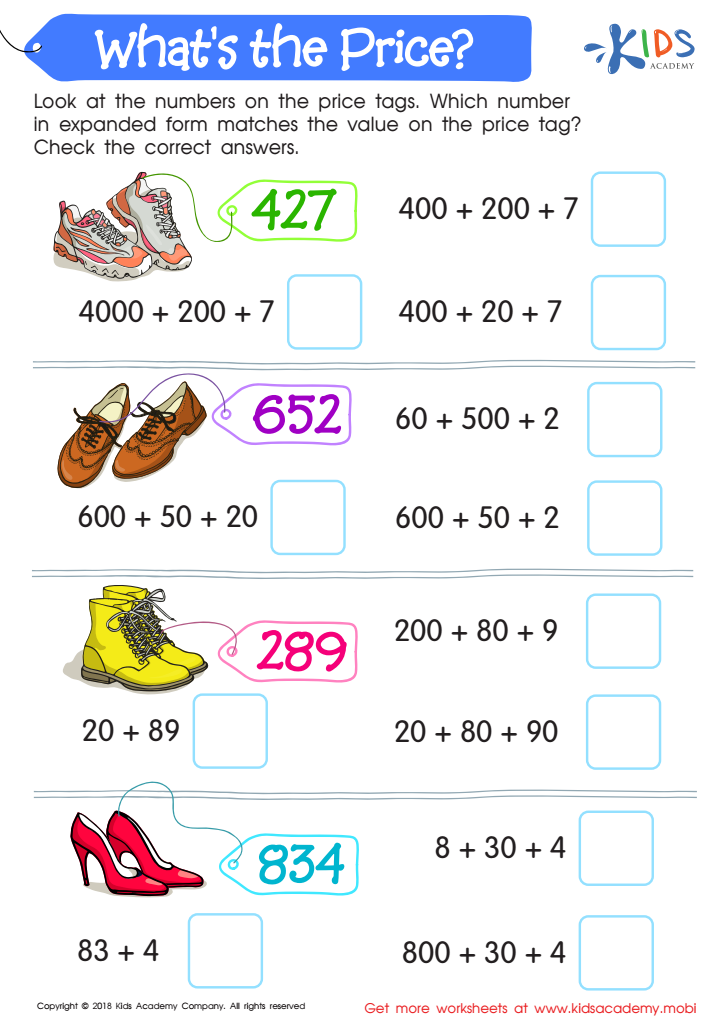
What's the Price? Worksheet
With this price tag worksheet, you and your kids can have some educational fun! Check the numbers on the tags, ask your child to work out their expanded form, and circle the correct answers. It's a great way to teach math and keep them entertained!
 Assign to My Students
What's the Price? Worksheet
Worksheet
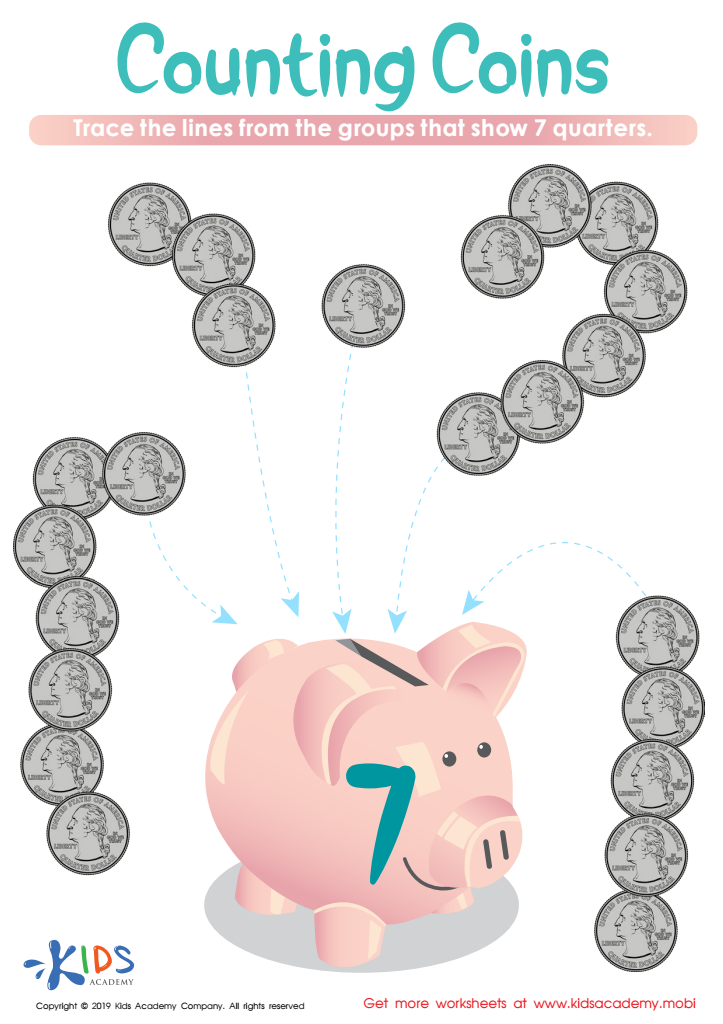
Counting Coins Worksheet
Help your students overcome their fear or aversion of counting and learning numbers with this fun worksheet! It features colorful pictures with four groups of coins. Ask the students to count each group, then trace the lines to the piggy bank. Show them it's easy to count and learn numbers!
Counting Coins Worksheet
Worksheet
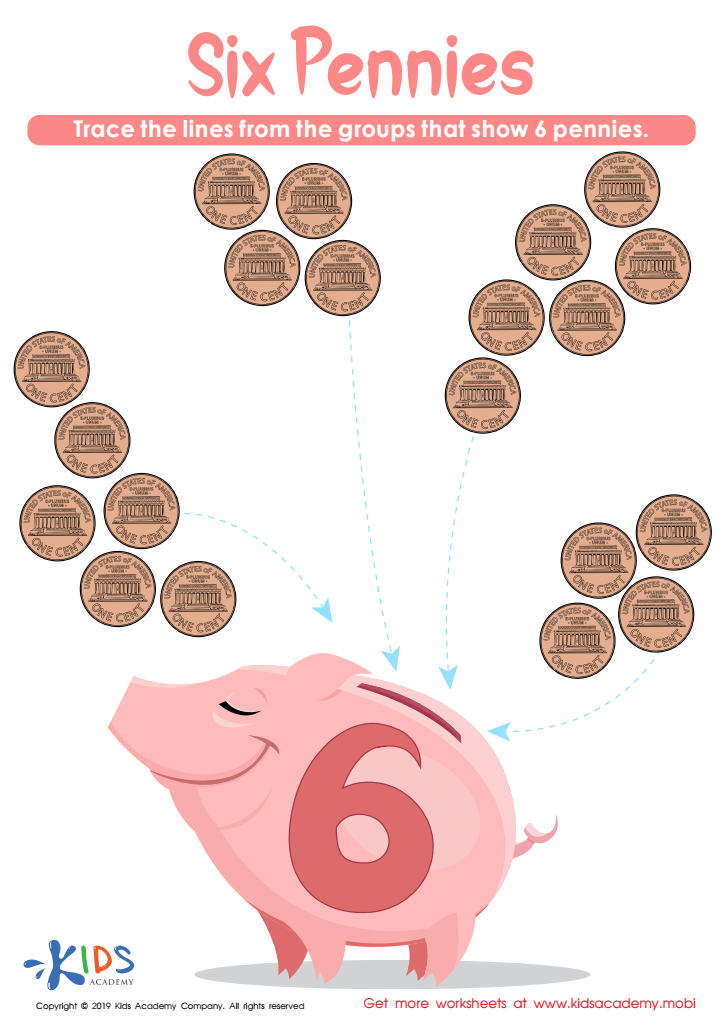
Six Pennies Worksheet
This tracing sheet teaches counting like the pros. Perfect for extra practice with kids, it engages them in an enjoyable way. Four groups of pennies are provided. Have students count each group, then trace the lines from the 6-penny groups. A great way to practice and master counting!
Six Pennies Worksheet
Worksheet
Join Kids Academy for Free
Who is primarily going to use this learning content?





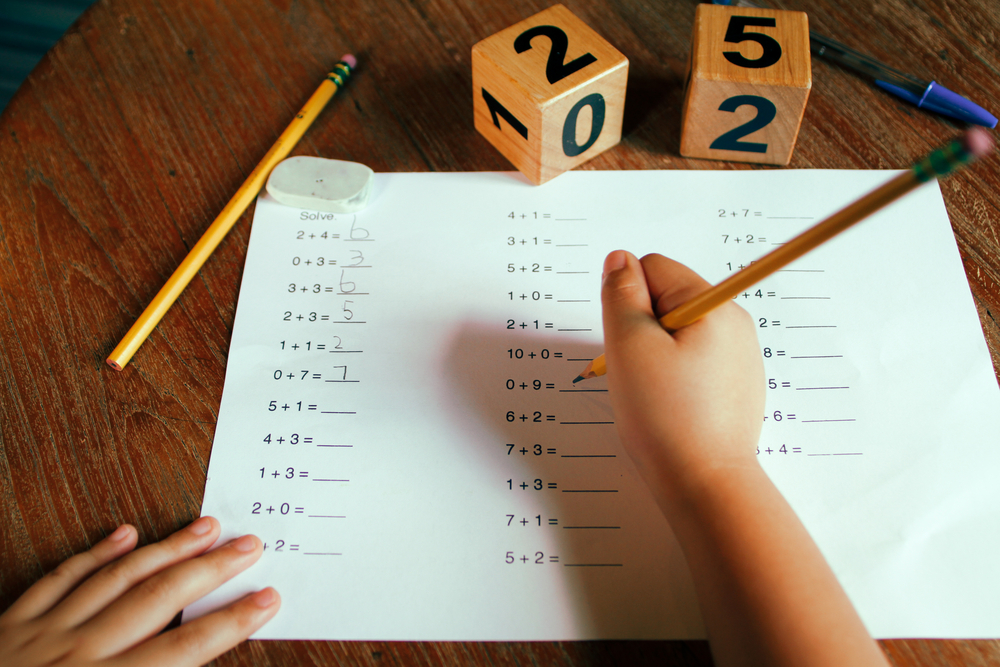


Recognizing money and numbers plays a crucial role in early childhood development and education for both parents and teachers. First, understanding money and numbers lays the foundation for financial literacy, a critical life skill that ensures children grow into adults capable of managing their finances responsibly. Early familiarity with currency helps children grasp the concept of value, differentiating between wants and needs, and understanding savings and budgeting.
Furthermore, working with money and numbers reinforces key math skills. Counting coins and bills, making change, and simple calculations help children with addition, subtraction, multiplication, and division in real-world contexts. This hands-on approach can make learning math more engaging and relevant.
For parents, teaching money recognition drives home essential life lessons about work, earning, and responsible spending. It provides opportunities for family bonding through activities like shopping, where children practice recognizing prices and counting out payments.
Teachers benefit because financial concepts incorporated into lessons can enhance cognitive development and critical thinking in their students. Practical applications of math and numbers foster deeper understanding and retention.
By prioritizing money recognition and numbers, parents and teachers equip children with crucial skills, ensuring they are better prepared for academic success and future financial stability.








