Comparative analysis Math Worksheets
6 filtered results
-
From - To
Unlock essential math skills with our Comparative Analysis Math Worksheets! These engaging resources are designed to help young learners distinguish between quantities, enhancing their understanding of greater than, less than, and equal to concepts. Each worksheet features colorful visuals and varied exercises that promote critical thinking and problem-solving skills while making math practice enjoyable. Ideal for kindergarten and early elementary students, these worksheets cater to diverse learning styles and are perfect for classroom or home use. Foster confidence in mathematical reasoning and lay the groundwork for future success in math. Dive into our collection and watch your child's skills soar!
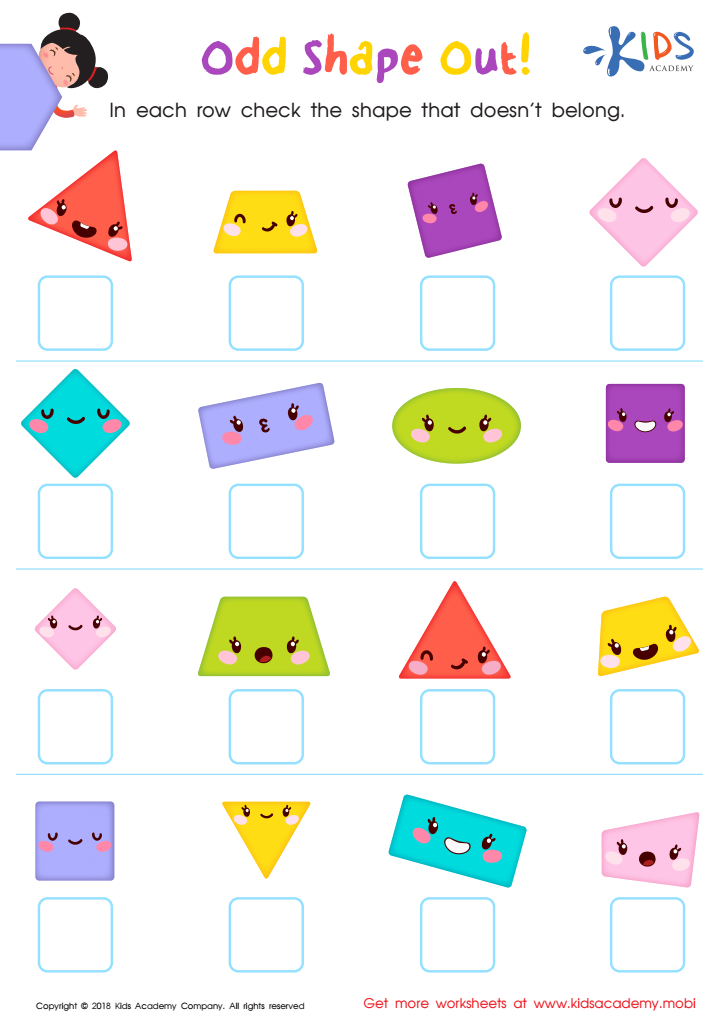
Odd Shape Out Worksheet for Grade 3
 Assign to My Students
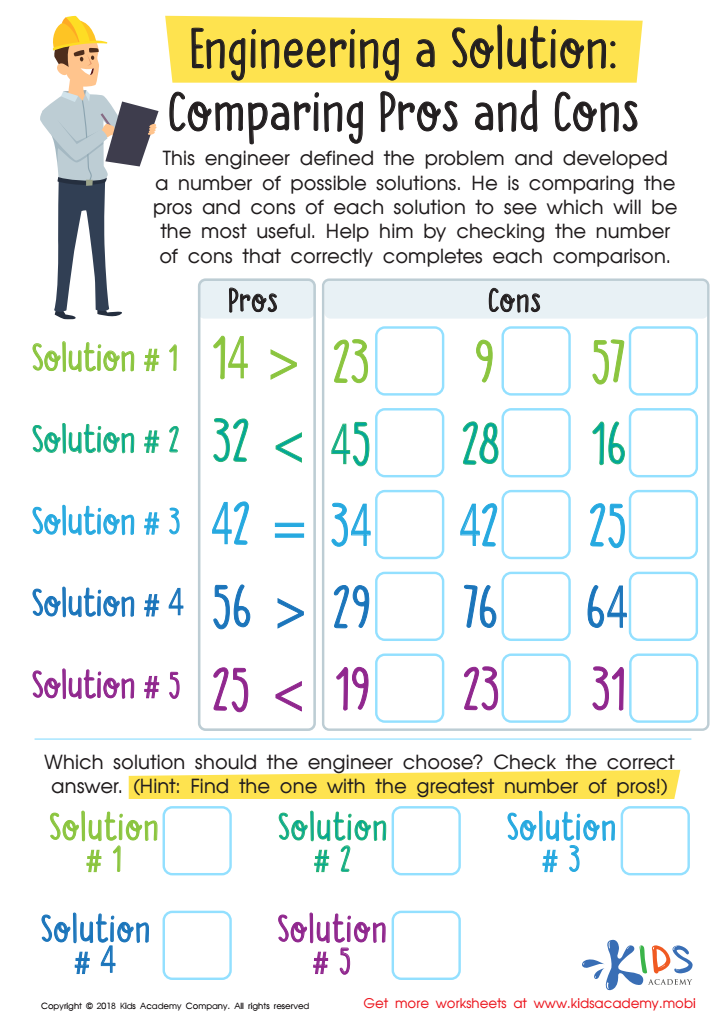
Engineering a Solution: Comparing Pros and Cons Worksheet
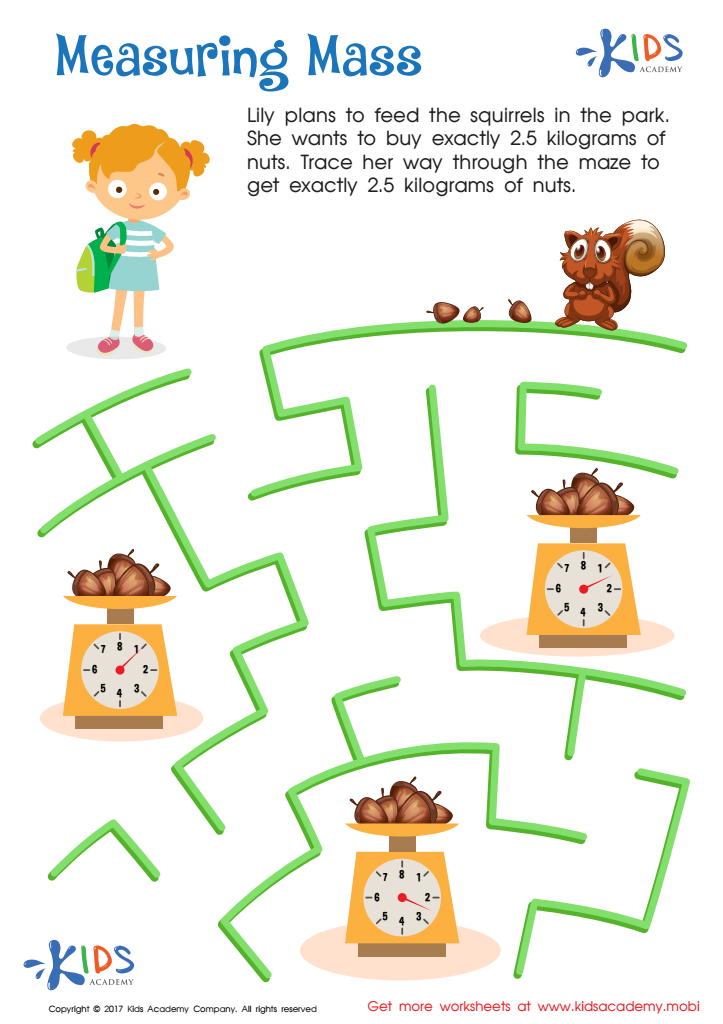
Measuring Mass Worksheet
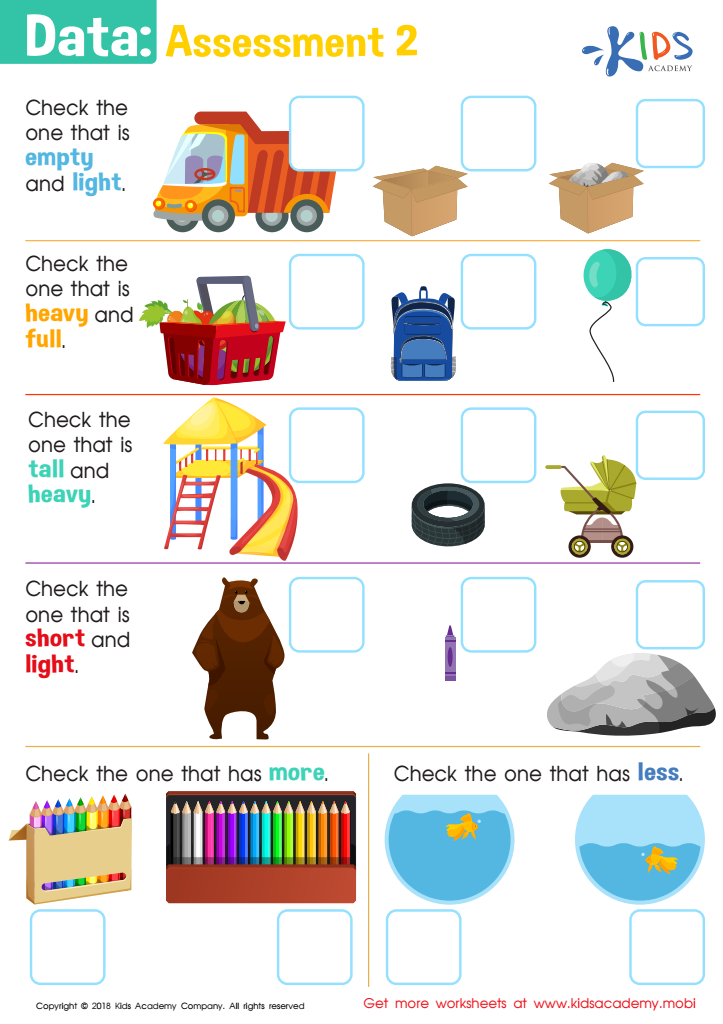
Data: Assessment 2 Worksheet
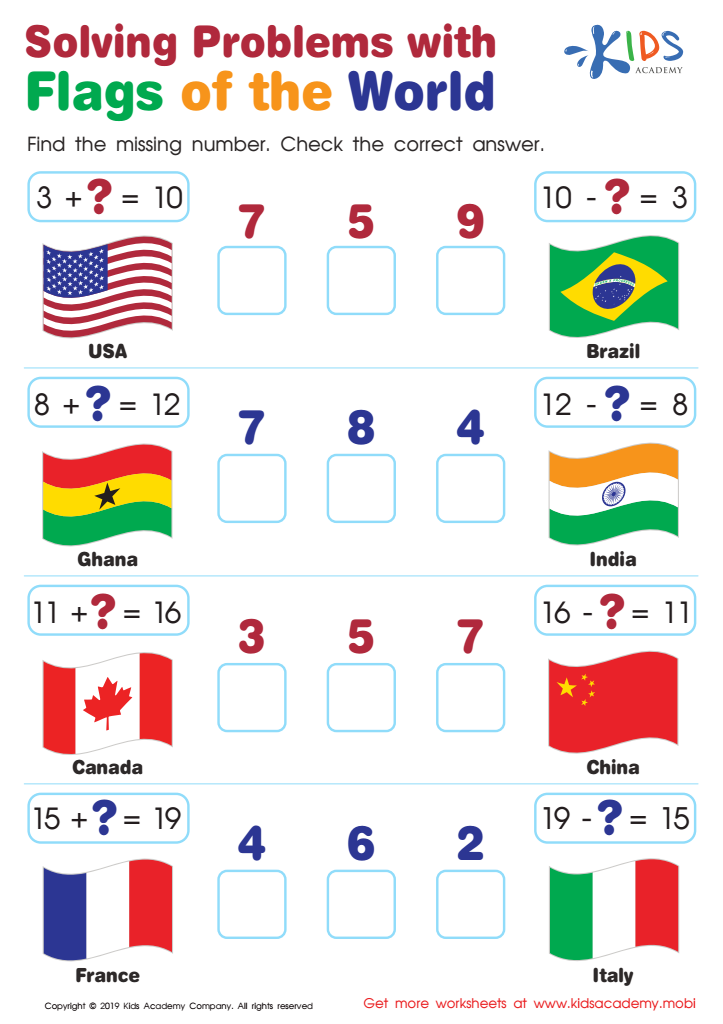
Solving Problems with Flags of the World Worksheet
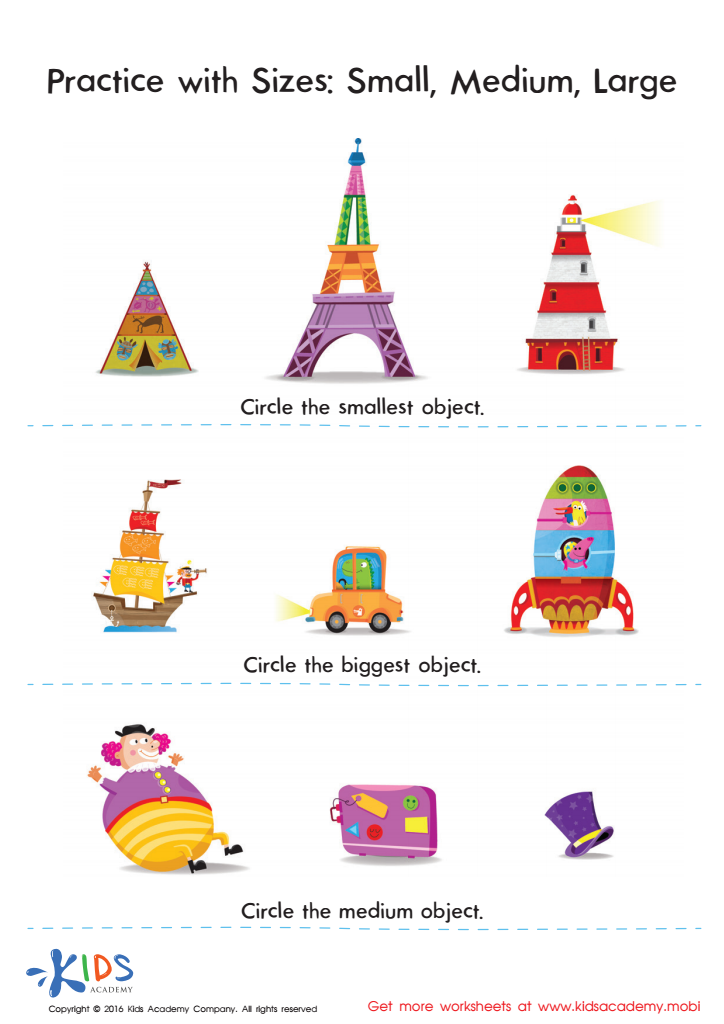








Comparative analysis in math plays a vital role in a child's educational development and should be a focus for both parents and teachers. This approach involves comparing different mathematical concepts, methods, or problem-solving strategies to deepen understanding. By prioritizing comparative analysis, educators can enhance critical thinking skills, allowing students to see connections between ideas and apply their knowledge flexibly in various contexts.
For parents, understanding comparative analysis fosters a supportive home environment. Being aware of this approach helps them guide their children effectively, encouraging them to ask questions, draw comparisons, and explore different solutions. It also empowers parents to engage in meaningful mathematical conversations, enhancing the child's motivation and confidence in math.
For teachers, integrating comparative analysis into lesson plans promotes active learning and engagement. It allows students to explore concepts in depth and see the relevance of math in everyday life. Such practices can help identify and address individual learning gaps, ensuring that all students progress.
Ultimately, comparative analysis equips children with the skills necessary to tackle complex problems, fosters a lifelong love of learning, and prepares them for future academic and real-world challenges. This collaborative effort between parents and teachers is crucial in nurturing mathematically literate and confident individuals.








