Counting skills Math Worksheets - Page 20
459 filtered results
-
From - To
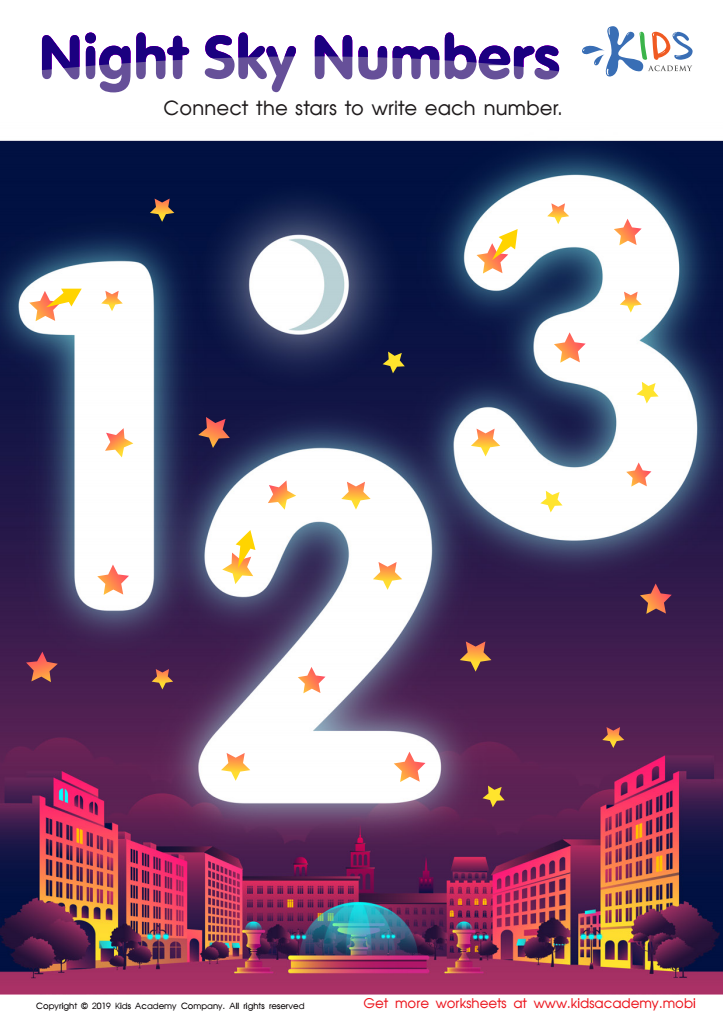
Night Sky Numbers Worksheet
 Assign to My Students
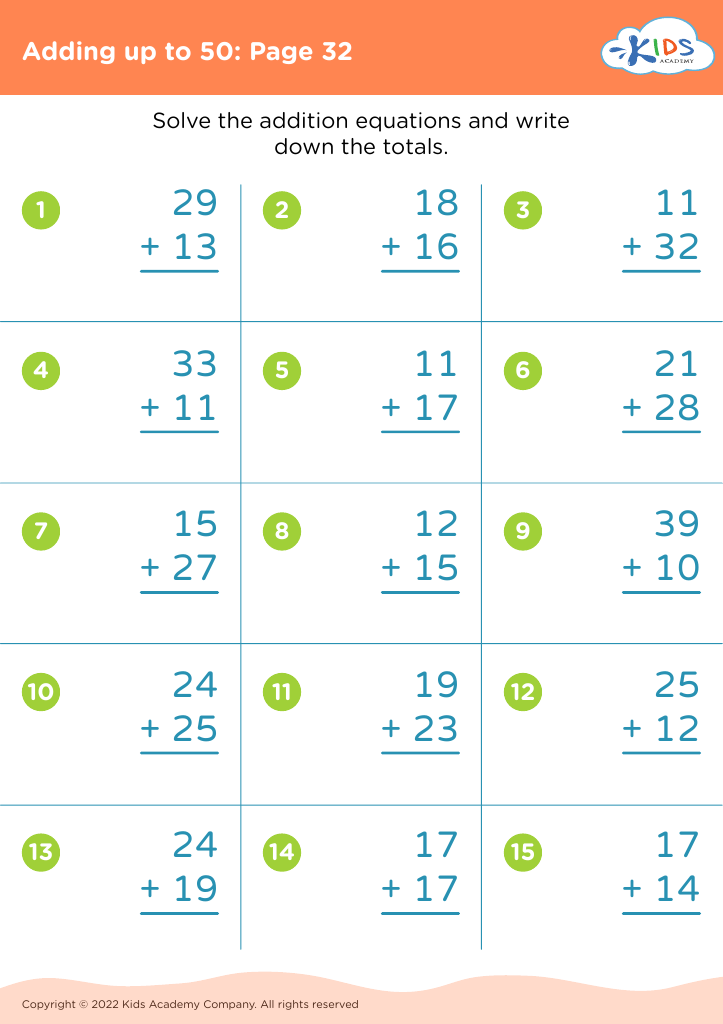
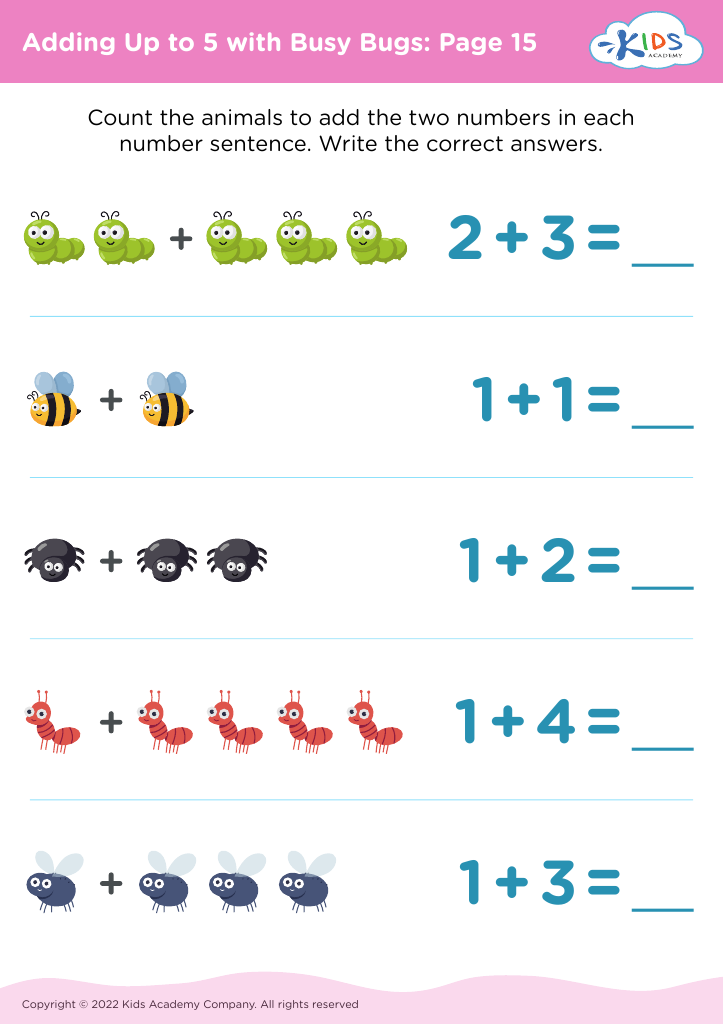







Counting skills are foundational for children's mathematical development and overall cognitive growth. Firstly, counting is one of the earliest math skills children learn, serving as the basis for more complex concepts like addition, subtraction, and later, multiplication and division. When children develop strong counting skills, they build number sense, which enhances their ability to understand quantity, order, and patterns.
Moreover, counting exercises promote critical thinking and problem-solving abilities. Engaging in counting fosters cognitive connections, allowing children to make associations between numbers and their representations in the real world. These skills go beyond math, influencing their abilities in reading, science, and even social studies.
Furthermore, counting skills contribute significantly to a child's confidence and self-esteem. When students succeed in counting, they are more likely to tackle other math challenges with a positive attitude. This confidence can lead to sustained interest in math and learning as a whole.
Lastly, strong counting skills prepare children for future academic endeavors and life skills, such as budgeting, time management, and logical reasoning. By prioritizing counting skills, parents and teachers pave the way for a well-rounded math education that supports lifelong learning.








