Enhancing fine motor skills Math Worksheets
3 filtered results
-
From - To
Discover our "Enhancing Fine Motor Skills Math Worksheets," designed to support young learners in developing essential fine motor skills while mastering mathematical concepts. These engaging worksheets combine playful learning and skill-building activities, helping children strengthen their hand-eye coordination and dexterity as they complete various math tasks. From tracing numbers to using manipulatives, these worksheets promote active participation and enhance problem-solving abilities. Ideal for preschool and early grade teachers, our resources cater to diverse learning styles, making math fun and approachable. Equip your classroom with these effective tools to encourage both fine motor skill development and a solid foundation in math. Start exploring today!
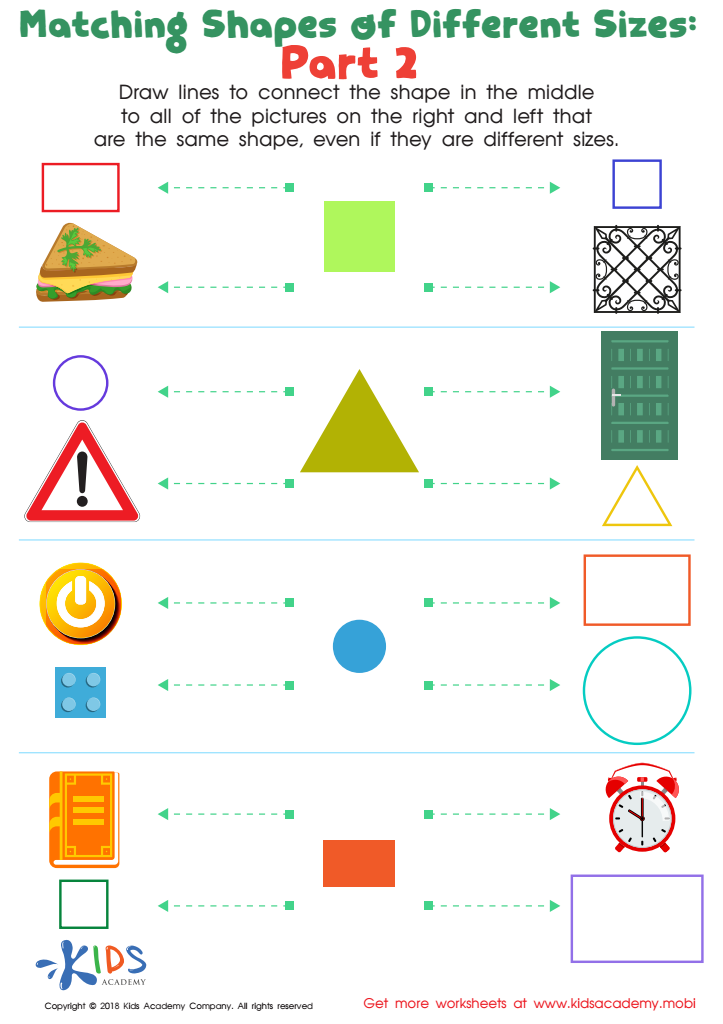
Geometry: Part 2 Worksheet
 Assign to My Students
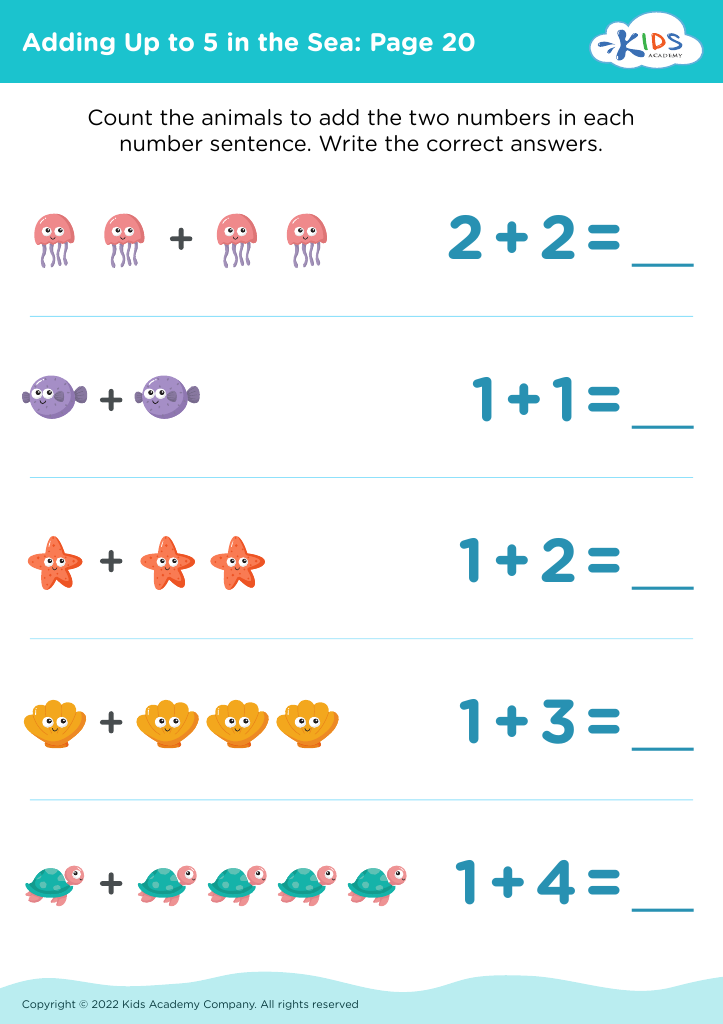
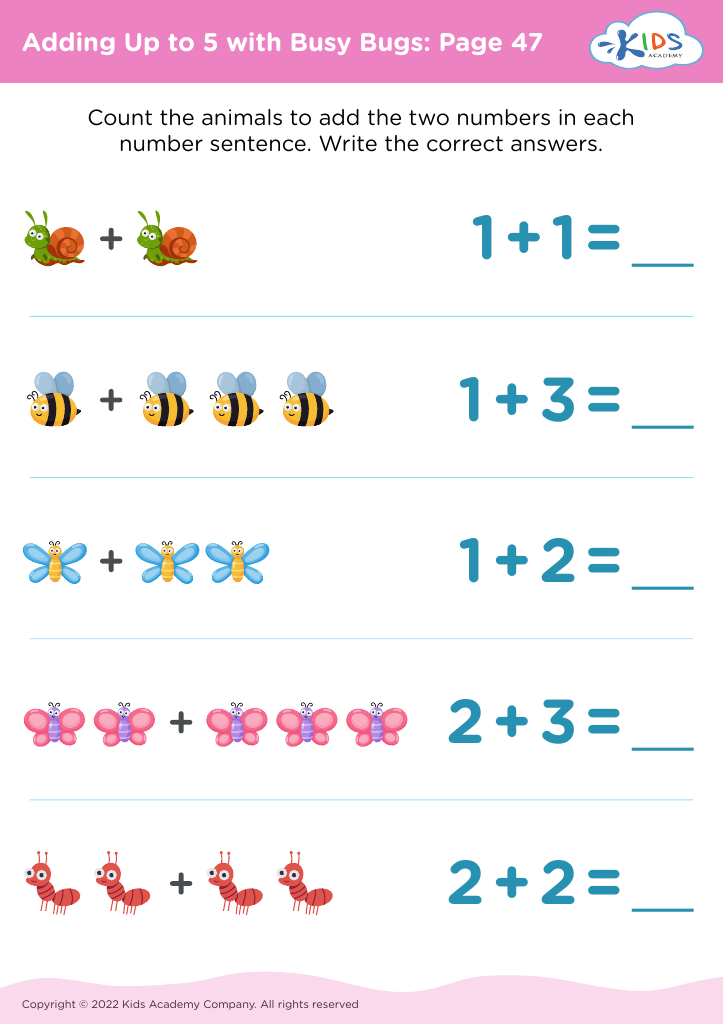








Enhancing fine motor skills in early math education is crucial for several reasons. Fine motor skills, which involve the coordination of small muscles in hands and fingers, play a significant role in children's ability to engage with mathematical concepts. When children can manipulate tools, write numbers, and perform tasks such as cutting and pasting, they are better equipped to fully participate in hands-on learning activities. These activities, crucial in early childhood math, often involve sorting, counting, and arranging objects, fostering a deeper understanding of mathematical relationships.
Furthermore, developing fine motor skills contributes to children's confidence and independence in problem-solving. When children can physically interact with materials, they gain a sense of control and ownership over their learning. This tactile experience strengthens cognitive connections and enhances memory retention, making math concepts more accessible and enjoyable.
Parents and teachers should prioritize these skills because they lay the foundation for academic success. Children with strong fine motor abilities are more likely to excel in math and other subjects, setting a positive trajectory for their educational journey. Additionally, fostering fine motor skills encourages creativity and expression, making learning a more holistic and engaging experience. Encouraging play and practice in this area thus benefits both math comprehension and overall development.








