Fine motor skills (drawing) Math Worksheets
6 filtered results
-
From - To
Enhance your child's fine motor skills and creativity with our engaging Fine Motor Skills (Drawing) Math Worksheets! These printable worksheets not only integrate art and mathematics but also help young learners develop essential dexterity and coordination. Through fun activities like tracing, connecting dots, and coloring, children will reinforce their understanding of basic math concepts while honing their drawing abilities. Perfect for preschool and early elementary students, these resources encourage active learning and critical thinking. Explore our collection to support your child's development while making learning an enjoyable experience. Start nurturing their skills today with our creative worksheets!
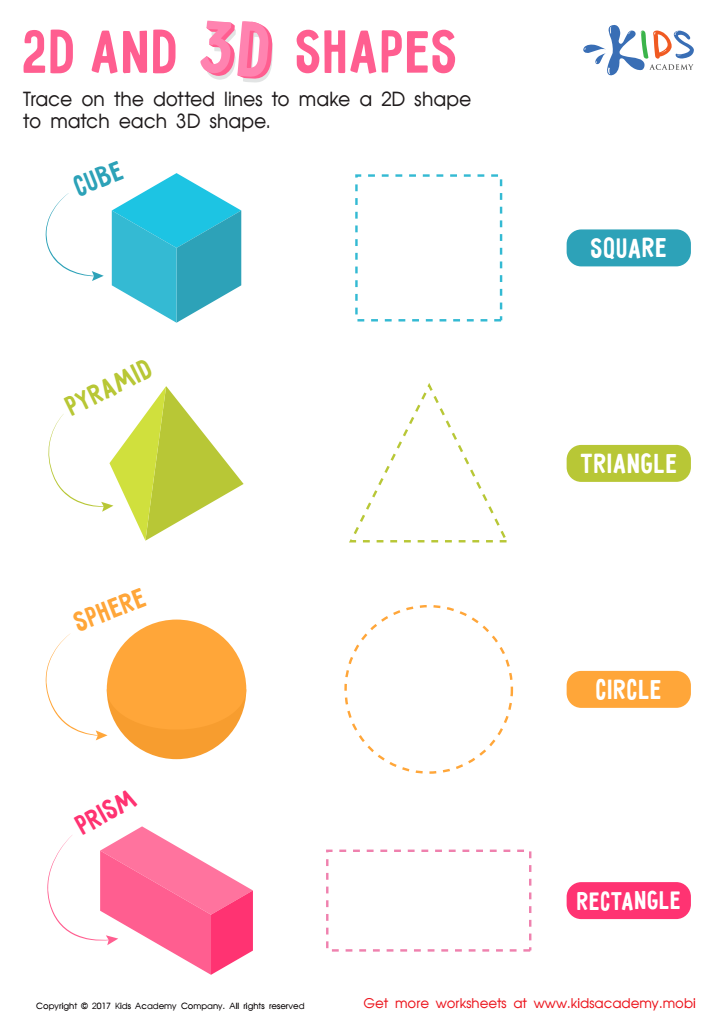
2D and 3D Shapes Worksheet
 Assign to My Students

Make it Even: St. Valentine's Day Worksheet
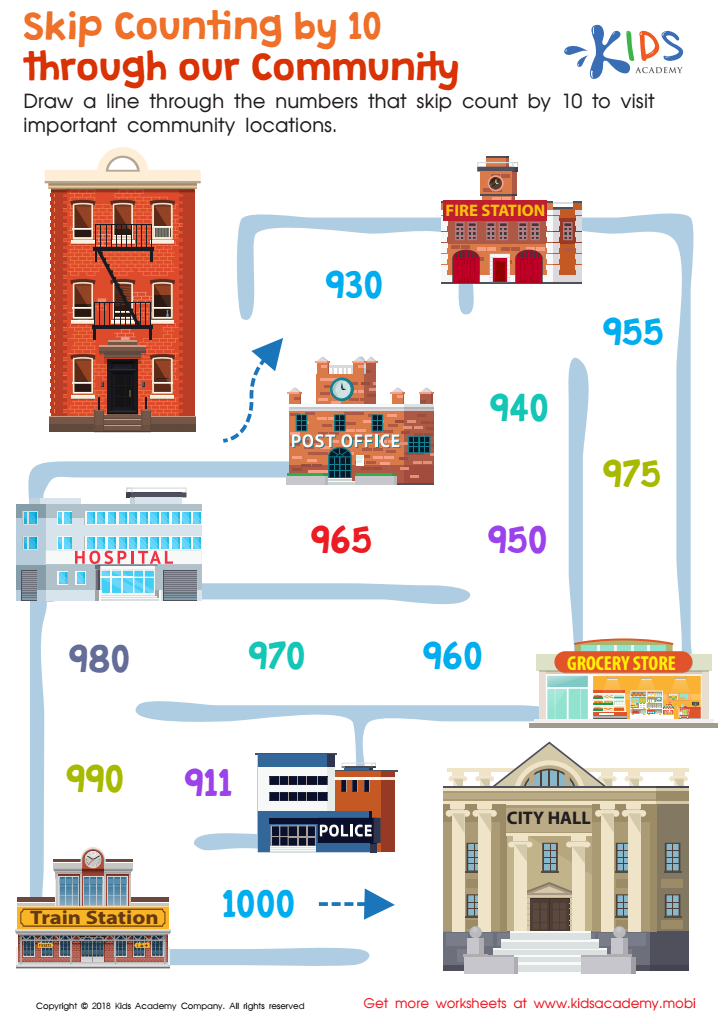
Skip Counting by 10 Through Our Community Worksheet
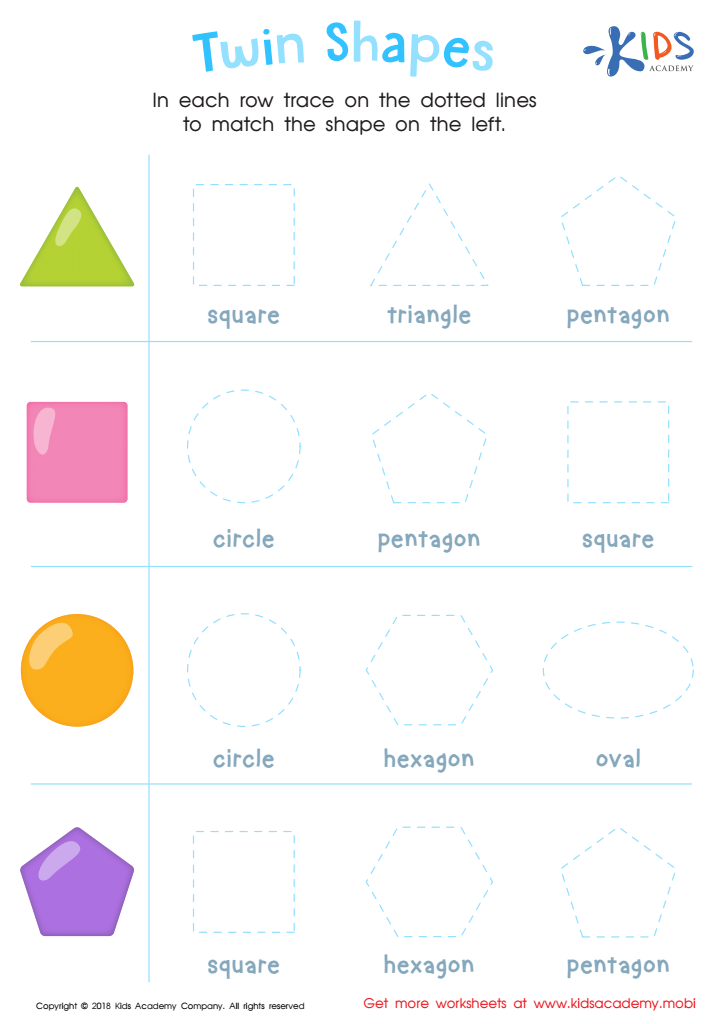
Twin Shapes Dot-to-Dot Worksheet
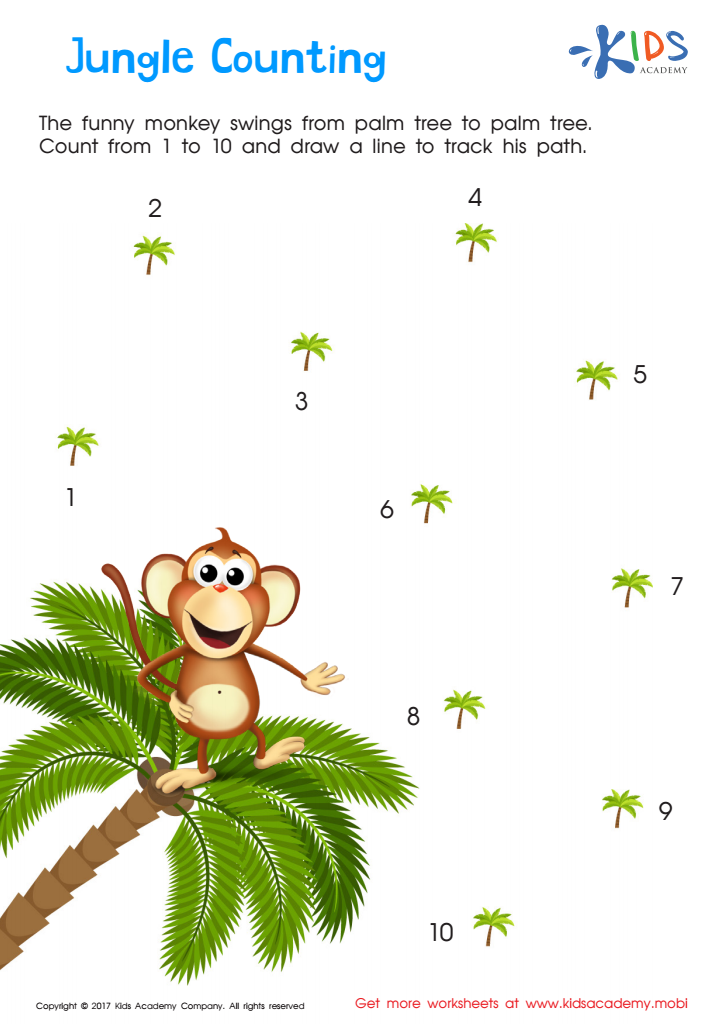
Jungle Counting Connect Dots Worksheet







Fine motor skills are crucial for a child’s overall development, particularly in early childhood. They refer to the small muscle movements in hands and fingers that enable activities like drawing, writing, and manipulating objects. These skills lay the foundation for many academic tasks and everyday activities.
Parents and teachers should care about fine motor skills for several reasons. Firstly, drawing helps enhance hand-eye coordination, which is essential not only for creative expression but also for tasks like writing and completing math exercises. As children refine their grip, dexterity, and control through drawing, they become better equipped to handle tools such as scissors, pencils, and math manipulatives—key elements in early math learning.
Additionally, engaging in fine motor activities fosters patience and concentration, crucial traits for learning. When children pour effort into drawing, they develop problem-solving skills as they think critically about shape, size, and spatial relationships—all integral components of early math concepts. Supporting fine motor development will therefore create a solid foundation for mathematical understanding and academic success in the future. By nurturing these skills, parents and teachers promote not just artistic ability but a children’s readiness for a wide range of competencies.








