Improve number recognition Math Worksheets
15 filtered results
-
From - To
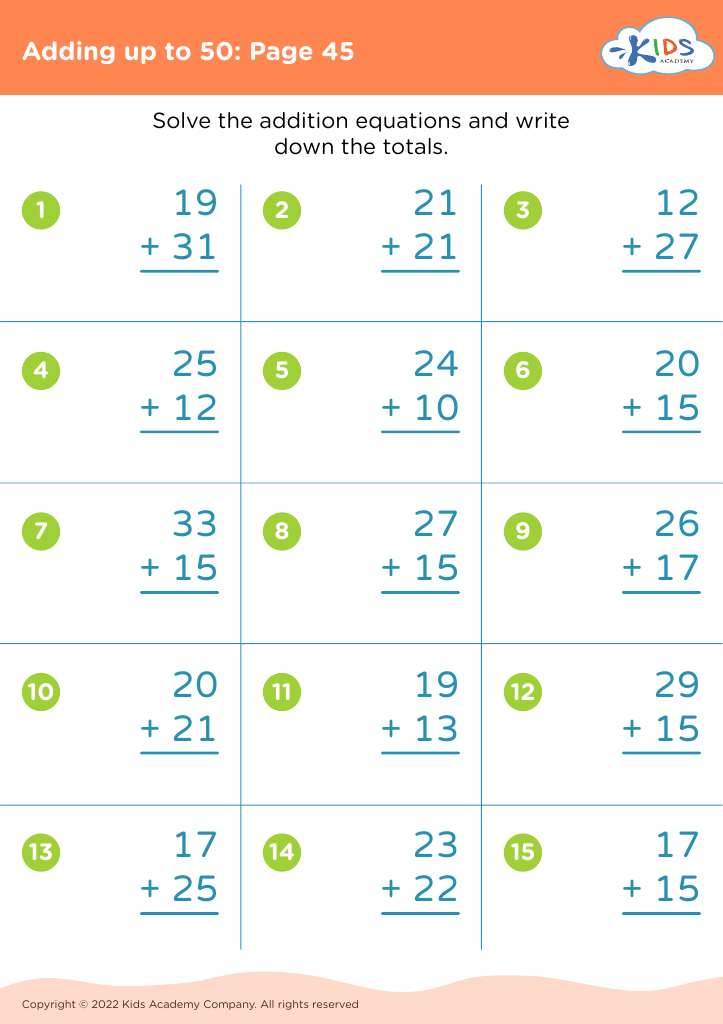
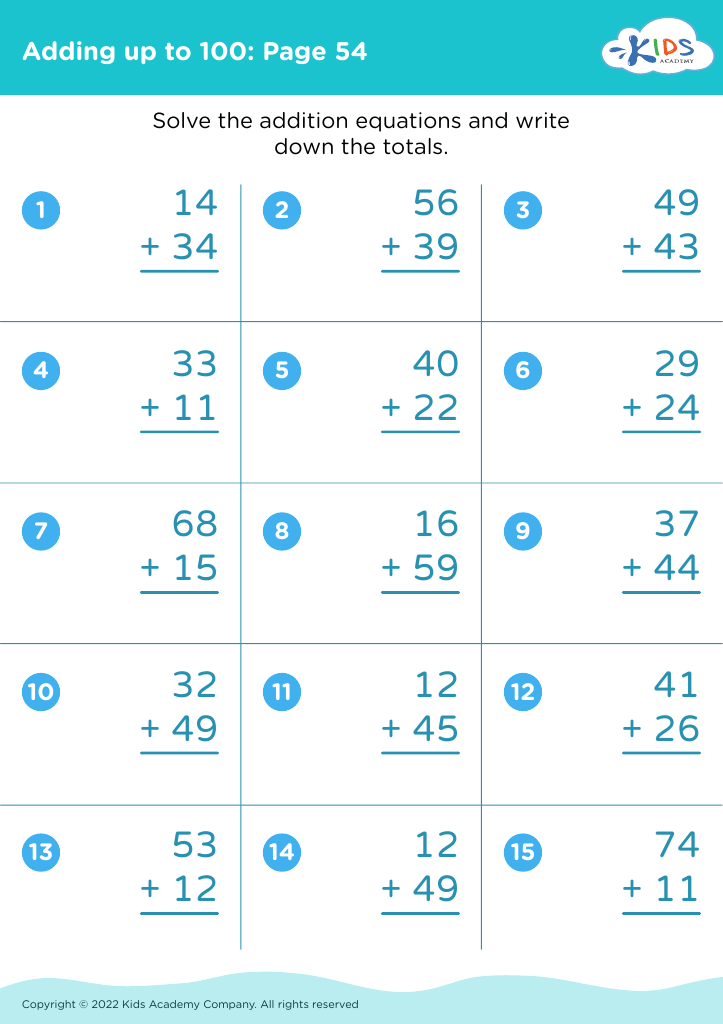
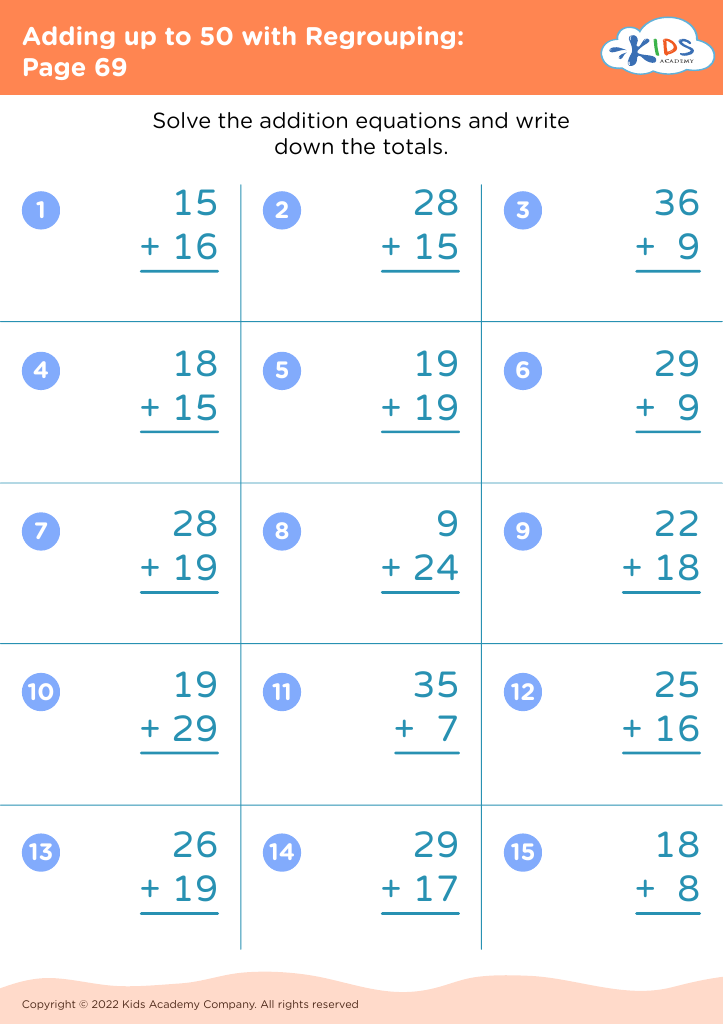
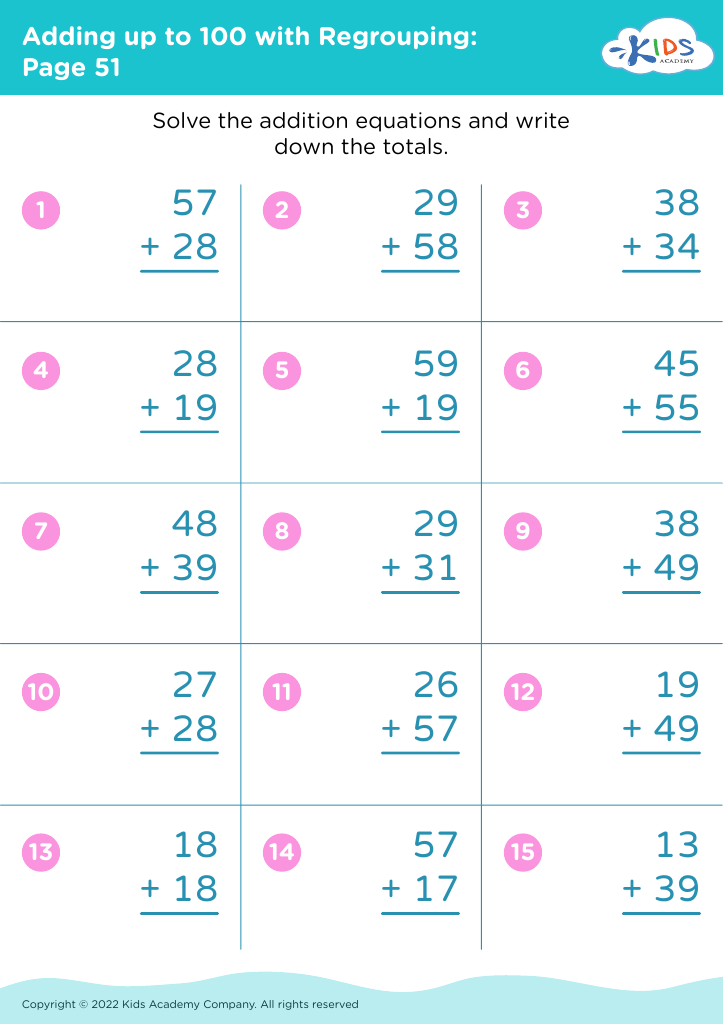
Boost your child's number recognition skills with our engaging Math Worksheets! Designed for early learners, these worksheets provide a fun and interactive way to help young students identify and understand numbers. With a variety of activities—including tracing, coloring, and matching exercises—kids will develop essential math foundations while enjoying the process. Our sheets cater to different learning styles, ensuring every child can thrive. Perfect for both classroom use and at-home practice, our resources make learning numbers enjoyable. Visit our collection today and watch your child gain confidence and competence in their math skills!
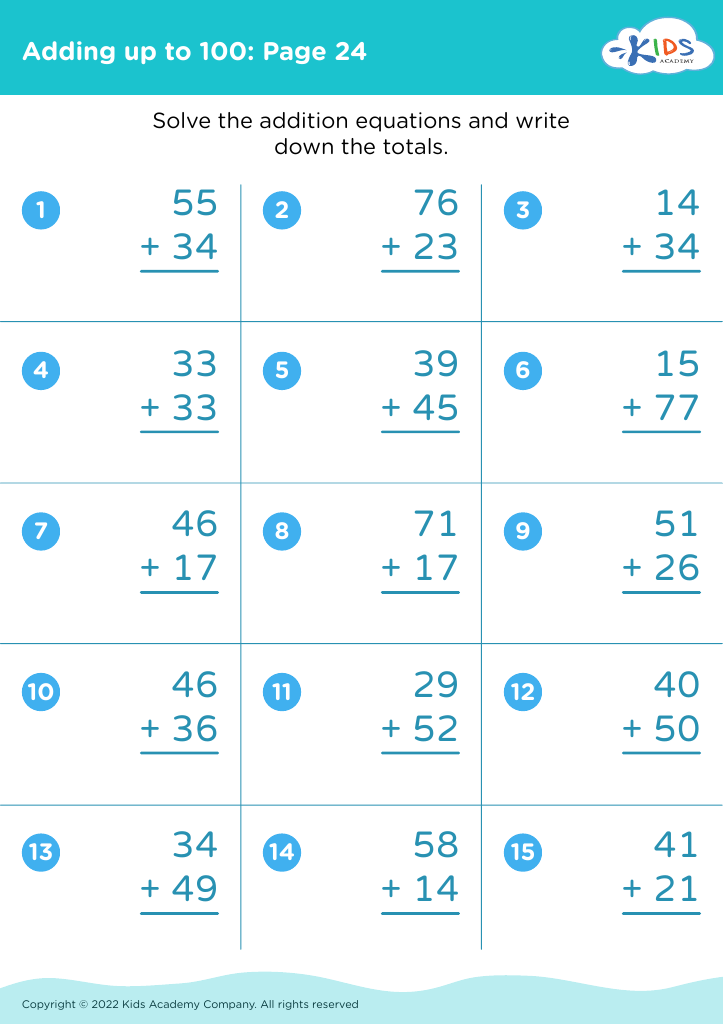
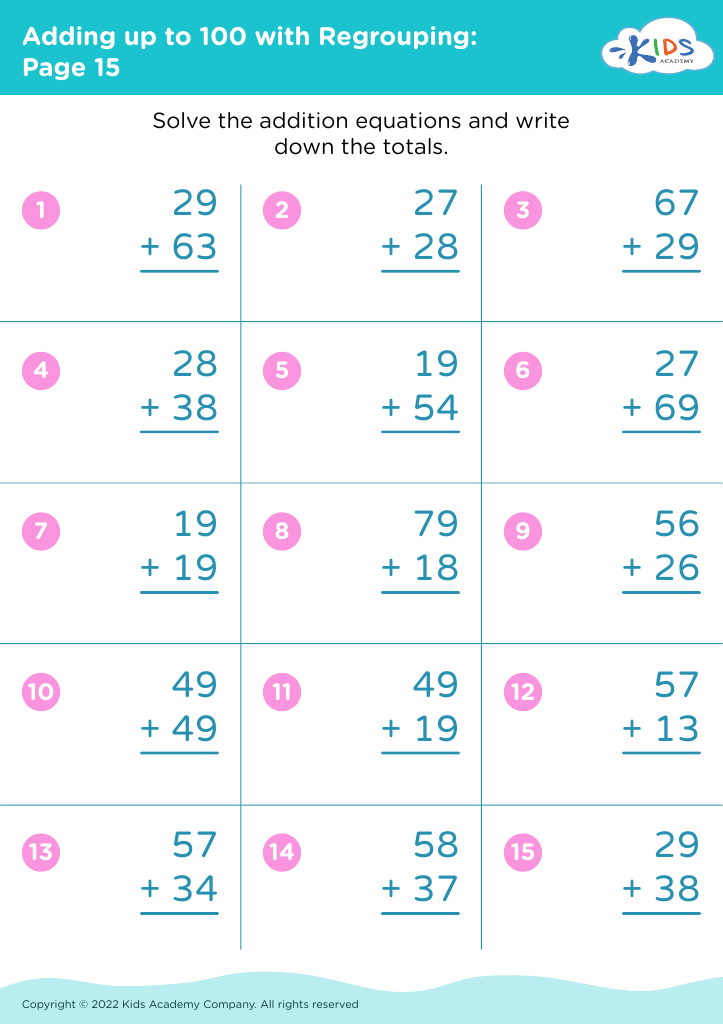
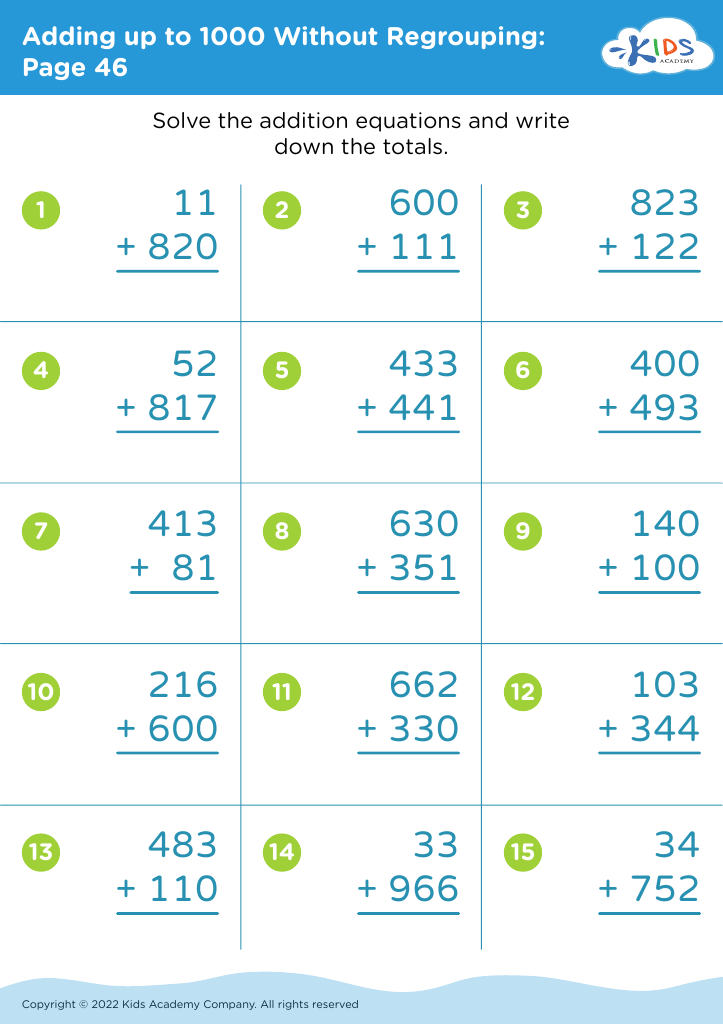
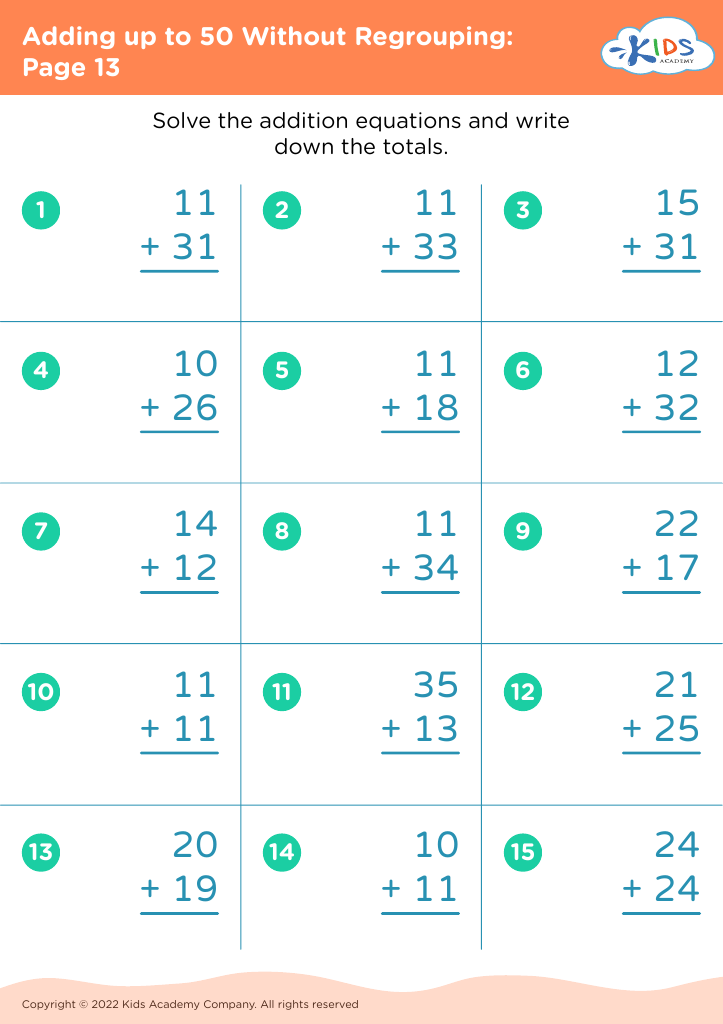
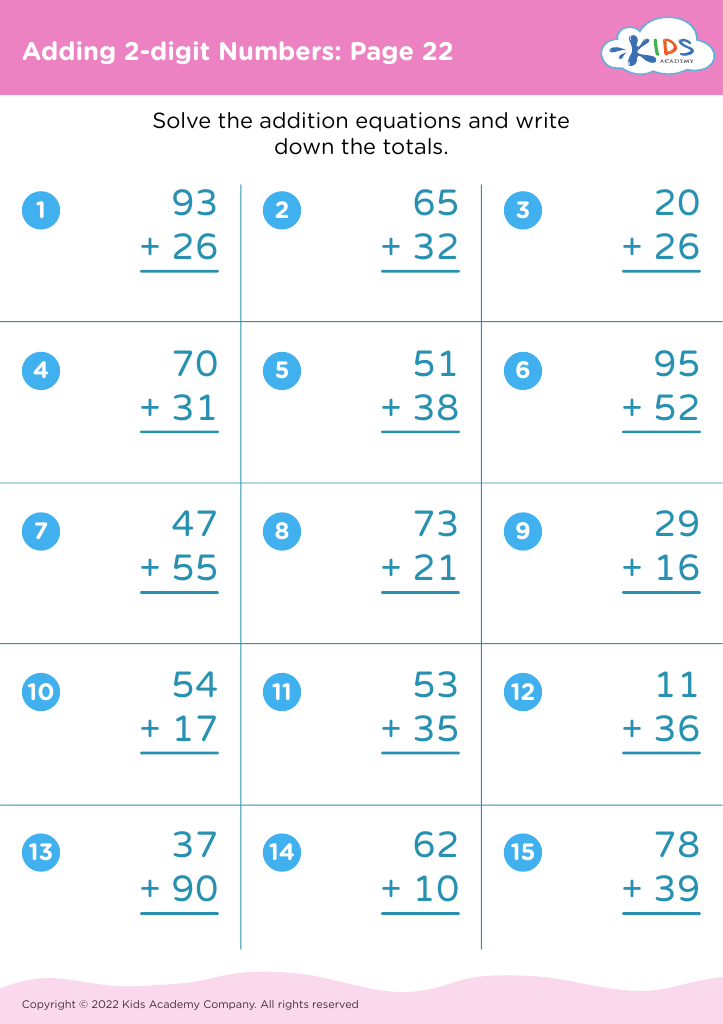
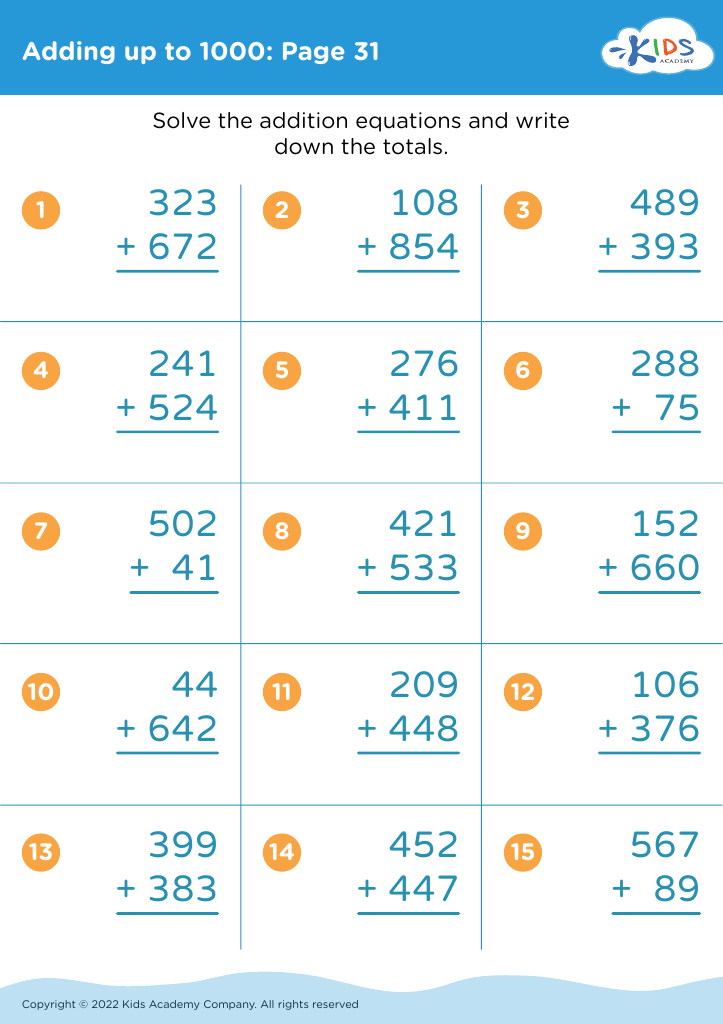
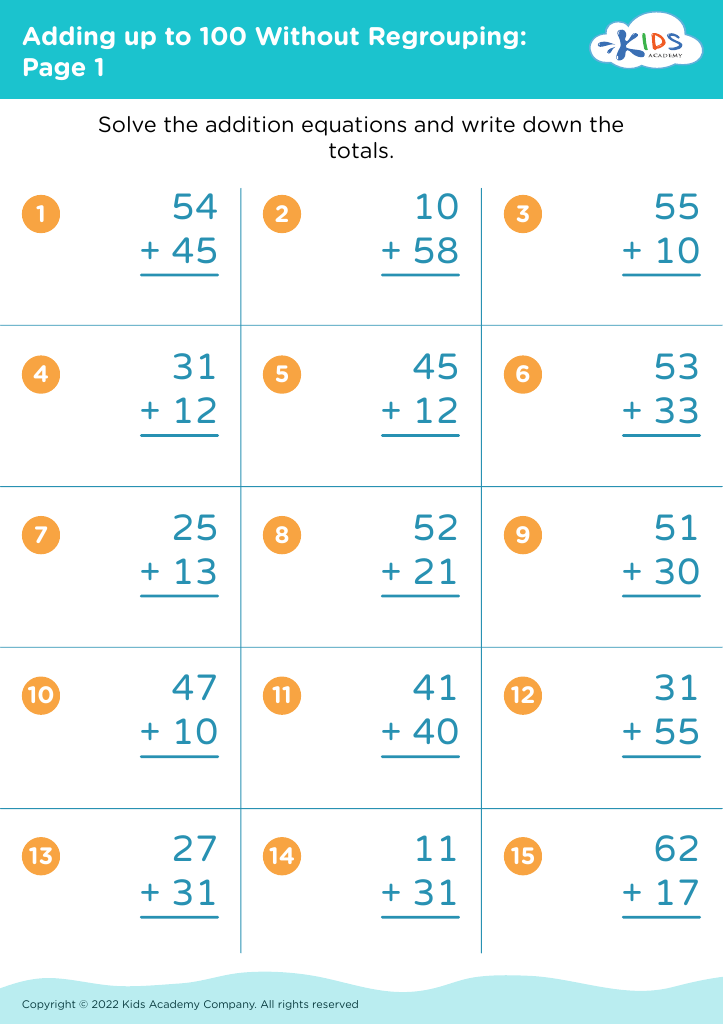
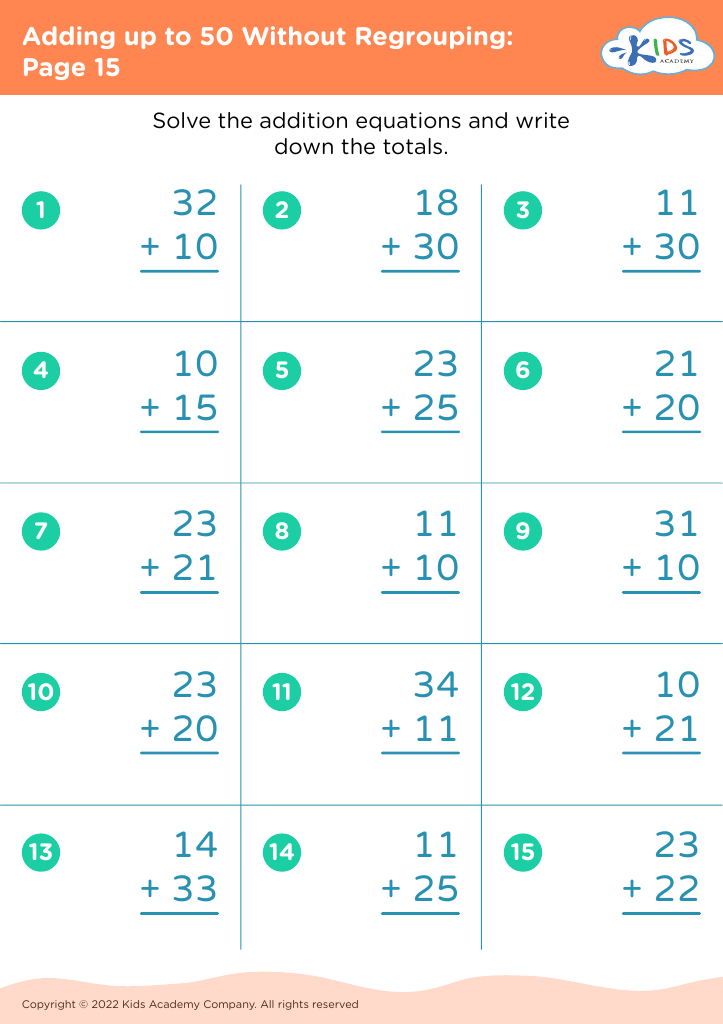








Parents and teachers should prioritize improving number recognition in early learners because it lays the foundational skills necessary for future mathematical understanding and overall academic success. Number recognition, the ability to identify and understand numbers, is essential for children's engagement with mathematical concepts. Proficient number recognition helps children grasp arithmetic operations, fosters problem-solving abilities, and enhances logical reasoning skills.
Moreover, number recognition directly impacts a child’s confidence and enjoyment in learning math. When students can easily identify and manipulate numbers, they are more likely to participate actively in class, persevere through challenges, and develop a positive attitude toward mathematics. This confidence can transcend the classroom, benefiting children in everyday situations involving basic math and financial literacy.
Additionally, early mastery of number recognition can prevent future learning difficulties, allowing students to build on their skills rather than struggle with foundational concepts. Support from parents and teachers can make a significant difference; counting games, math-focused activities, and real-life applications reinforce learning, making it fun and meaningful. Ultimately, fostering strong number recognition not only supports individual academic journeys but also equips children with essential life skills for their future.








