Learn new vocabulary Math Worksheets
4 filtered results
-
From - To
Discover exciting "Learn New Vocabulary Math Worksheets" designed to enhance your child’s mathematical language skills! Our worksheets introduce essential math vocabulary in an engaging format, perfect for early learners. Each printable activity focuses on key terms used in math, such as addition, subtraction, multiplication, and division, helping students build a strong foundation. With colorful visuals and interactive exercises, children can easily grasp new concepts while boosting their confidence in math. Encourage your child to explore numbers and terms through fun and educational activities. Whether at home or in the classroom, these worksheets will foster a love for learning and strengthen their math vocabulary!
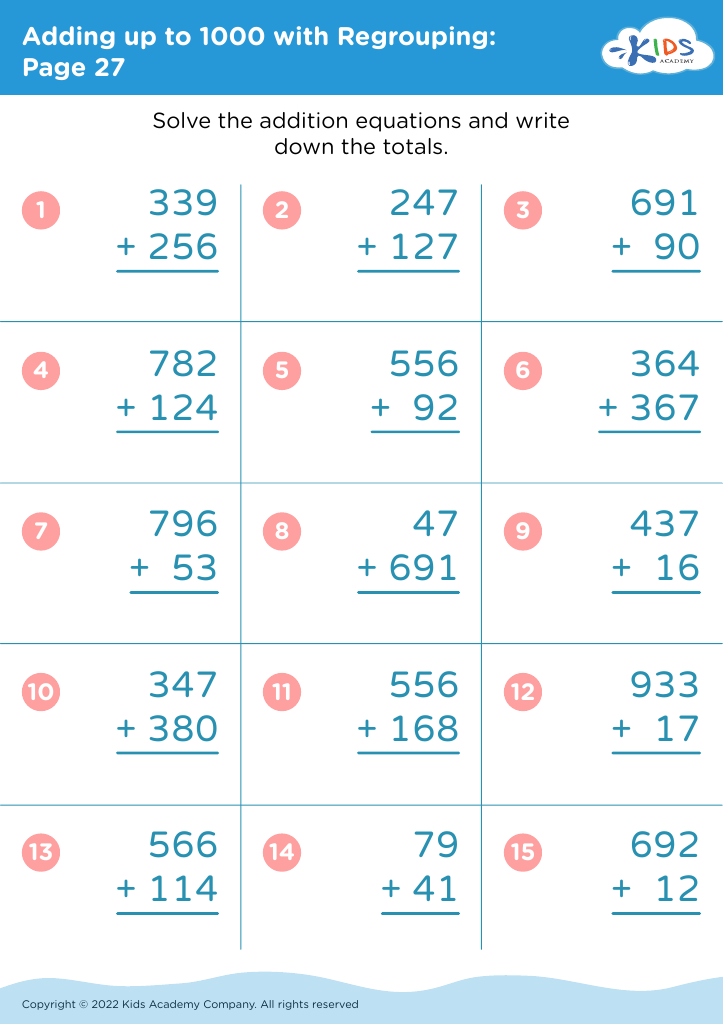
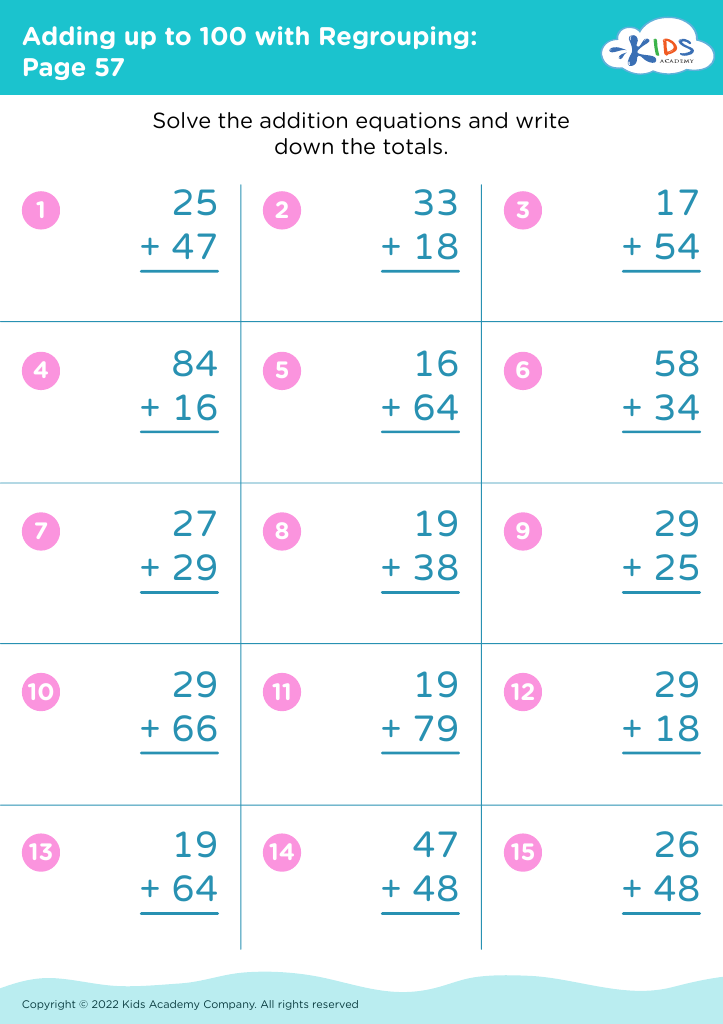
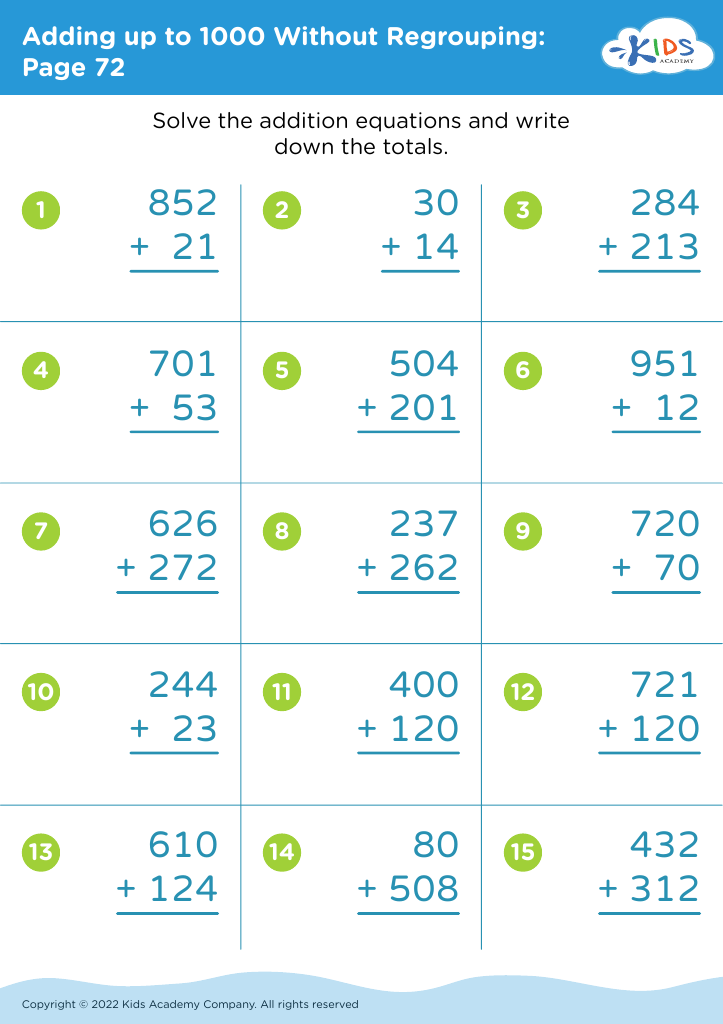
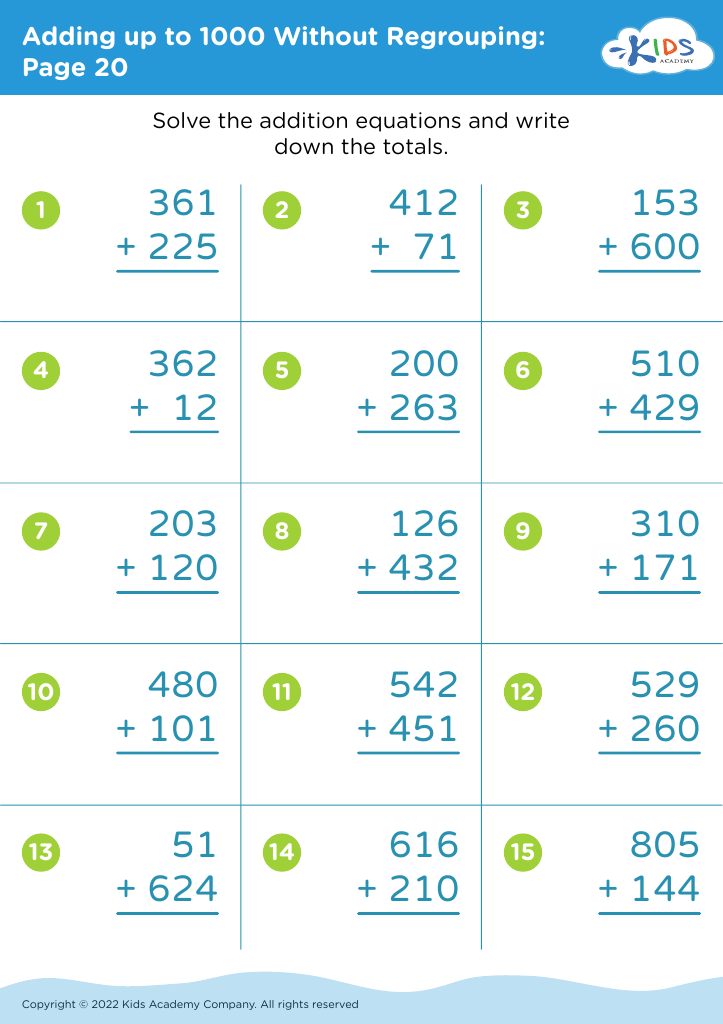





.jpg)
Understanding new vocabulary in math is crucial for both parents and teachers because it lays the foundational groundwork for a child's cognitive development and problem-solving skills. Math vocabulary includes terms like "sum," "difference," "fraction," and "perimeter," each of which carries specific meanings and applications. Familiarity with such terms enables students to comprehend and engage with mathematical concepts more effectively.
When children grasp the language of math, they can better express their reasoning, ask questions, and articulate their understanding, which fosters deeper learning. A strong mathematical vocabulary helps students feel more confident when tackling problems, reducing anxiety, and encouraging a growth mindset. For teachers, promoting math vocabulary is essential for creating a language-rich classroom environment where all students can thrive.
Moreover, parents can effectively support their children's learning by reinforcing vocabulary at home. Engaging in everyday conversations about math and encouraging the use of mathematical language during practical activities condition children to think critically about numerical concepts. By prioritizing math vocabulary, both parents and teachers contribute significantly to improving students' academic outcomes and secondary skills such as communication, collaboration, and critical thinking—essential tools for future success in any field.








