Mathematical thinking Math Worksheets
7 filtered results
-
From - To
Unlock your child's potential with our engaging Mathematical Thinking Math Worksheets! Designed for early learners, these worksheets encourage critical thinking and problem-solving skills through fun and interactive activities. From shapes and patterns to measurement and classification, our resources support foundational math concepts that are essential for lifelong learning. Perfect for home or classroom use, each worksheet promotes independent thinking while enhancing children's ability to analyze and interpret information. Explore a variety of themes that cater to diverse learning styles, making math enjoyable. Equip your child with the tools they need to succeed—download our Mathematical Thinking Math Worksheets today!
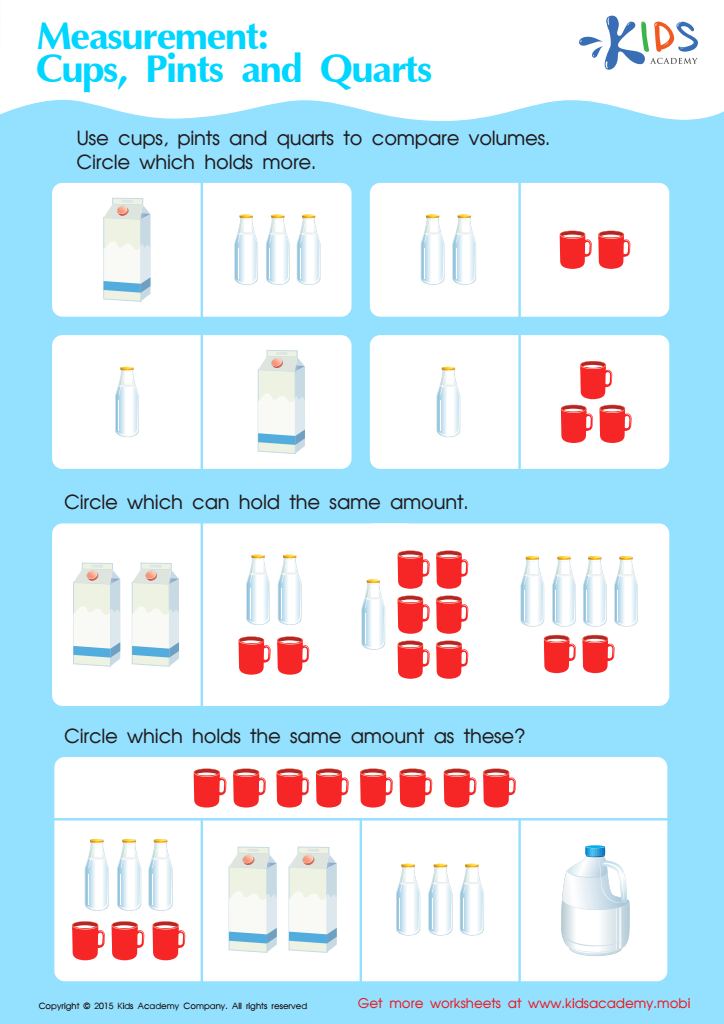
Measurement: Compare Volumes Worksheet
 Assign to My Students
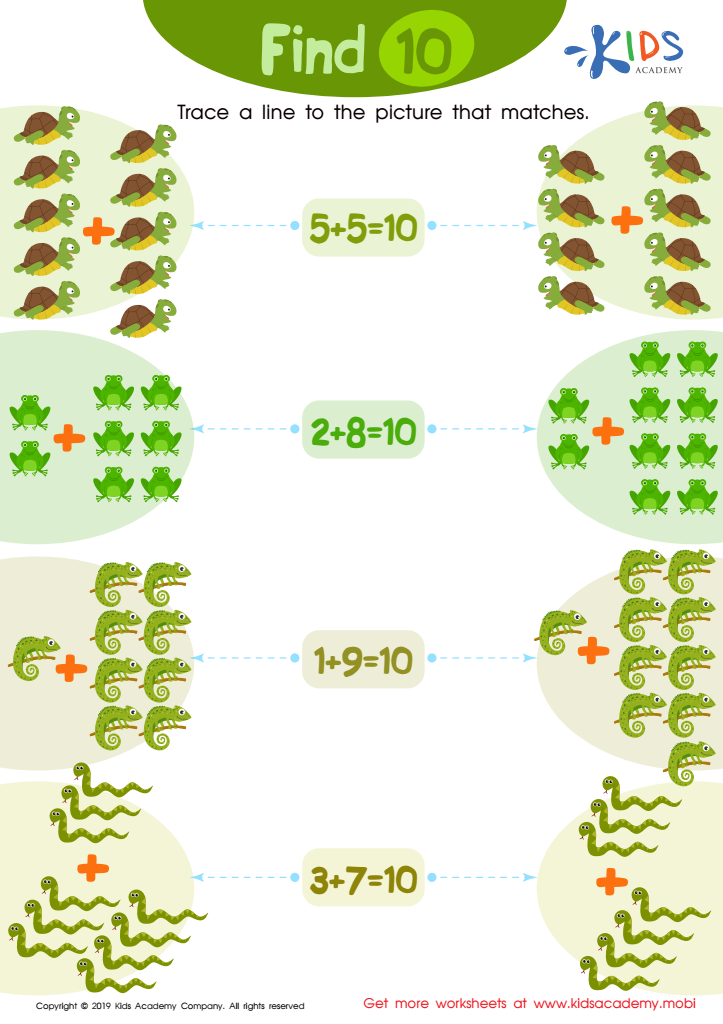
Find 10 Worksheet
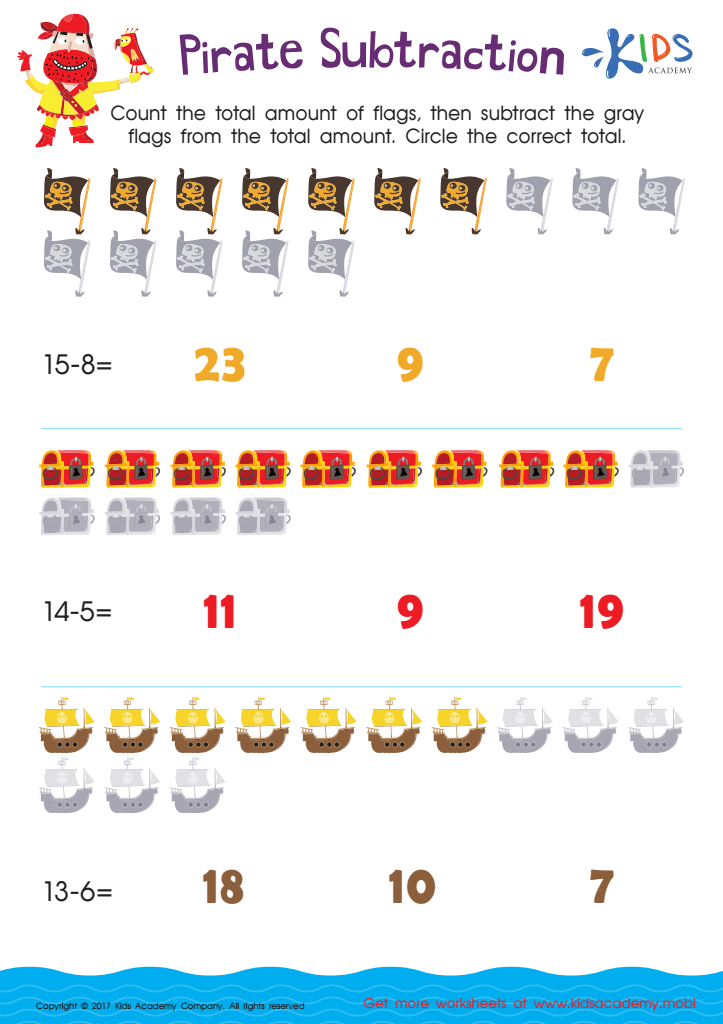
Pirate Subtraction Substraction Worksheet
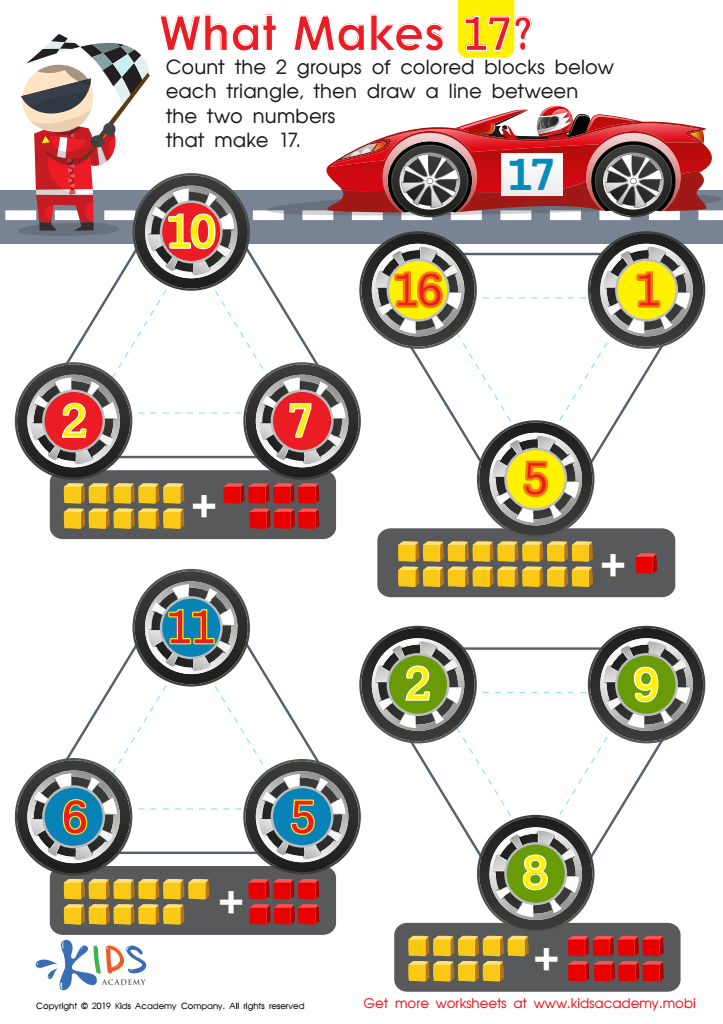
What Makes 17 Worksheet
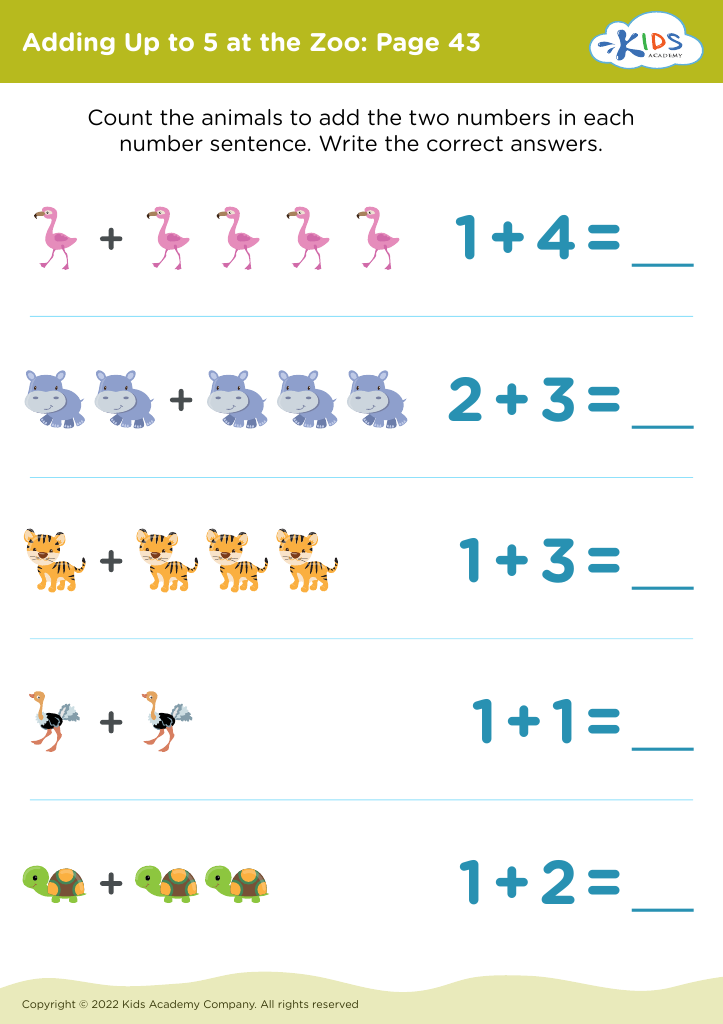
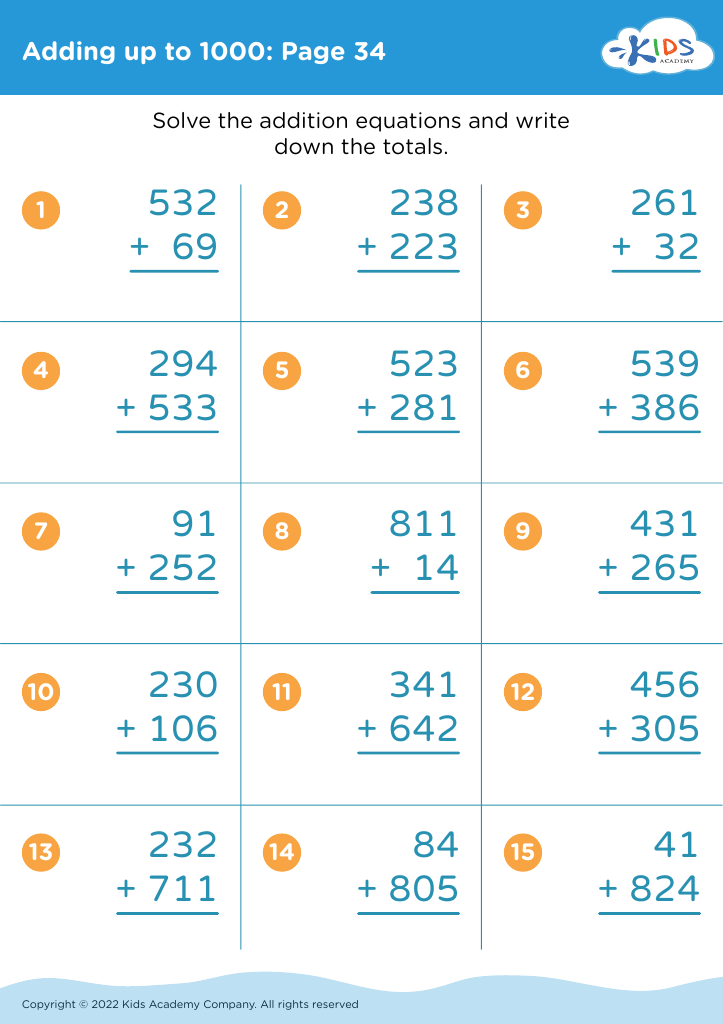







Mathematical thinking is crucial for children as it fosters critical skills that extend beyond the realm of numbers and equations. For parents and teachers, promoting mathematical thinking is essential for several reasons. Firstly, it enhances problem-solving abilities, enabling children to analyze situations systematically and devise effective solutions. This approach develops logical reasoning, which is fundamental in everyday decision-making.
Secondly, mathematical thinking supports cognitive development. Engaging in math helps children learn to recognize patterns, make connections, and understand abstract concepts. These skills lay the groundwork for competencies in science, technology, engineering, and mathematics (STEM), areas that are increasingly vital in our technology-driven world.
Moreover, fostering a positive mindset toward math can reduce anxiety and build confidence in students. When parents and teachers actively encourage mathematical discourse and exploration, children are more likely to engage with math in meaningful ways, seeing it as a tool for understanding the world rather than just a subject in school.
Lastly, mathematical thinking nurtures collaboration, as students often work together to solve problems, enhancing communication and teamwork skills. For these reasons, prioritizing mathematical thinking ensures that children not only succeed academically but also develop essential life skills.








