Reading analog clocks Math Worksheets
8 filtered results
-
From - To
Enhance your child's time-telling skills with our comprehensive collection of Reading Analog Clocks Math Worksheets! Designed for early learners, these worksheets provide engaging activities that make learning to read clocks enjoyable and effective. From recognizing hour and minute hands to solving real-world time scenarios, our resources cater to various skill levels, ensuring that every student can practice at their own pace. Parents and teachers will find valuable tools to reinforce mathematics and critical thinking. Download printable worksheets today, and help your child master the art of telling time on analog clocks while having fun along the way!
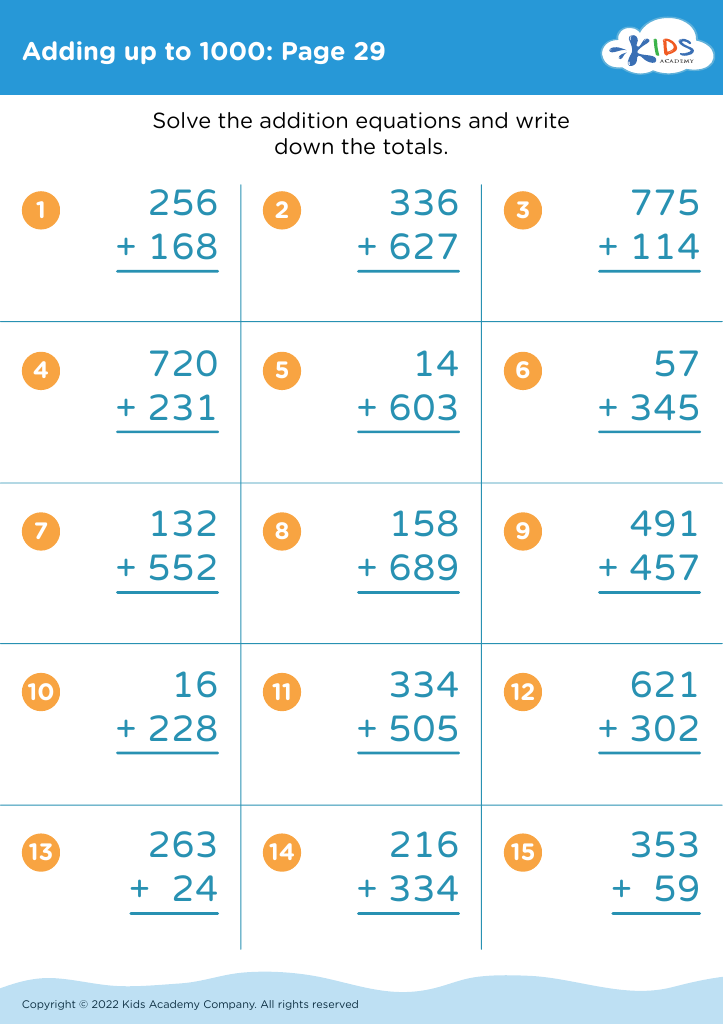
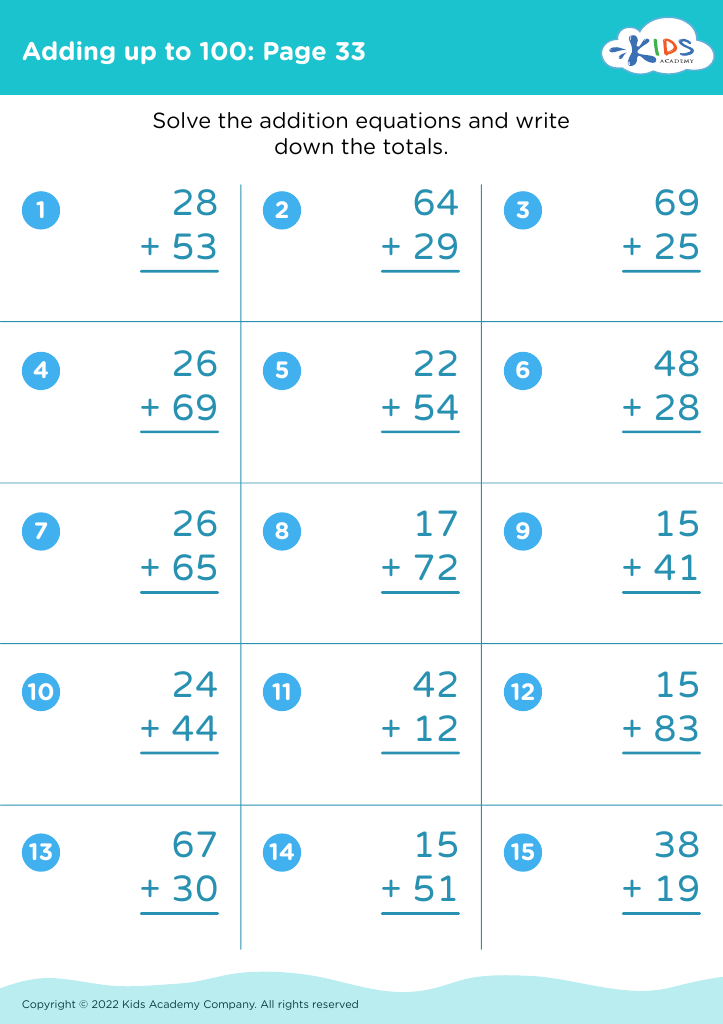
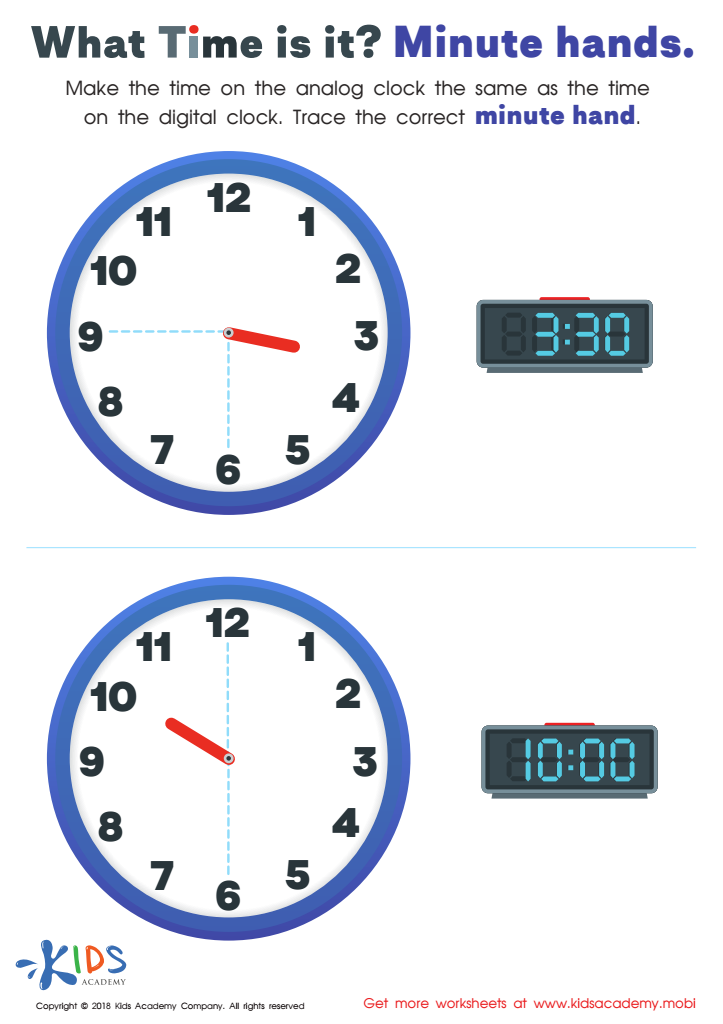
What Time Is it? Minute Hands Worksheet
 Assign to My Students
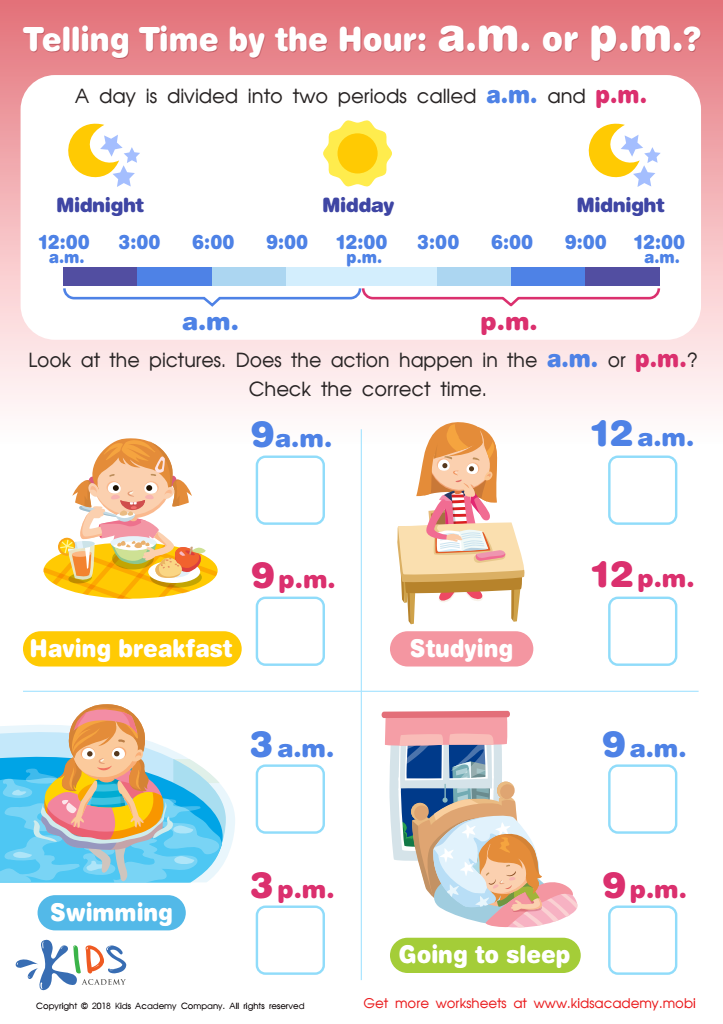
Tilling Time by the Hour: a.m. or p.m.? Worksheet
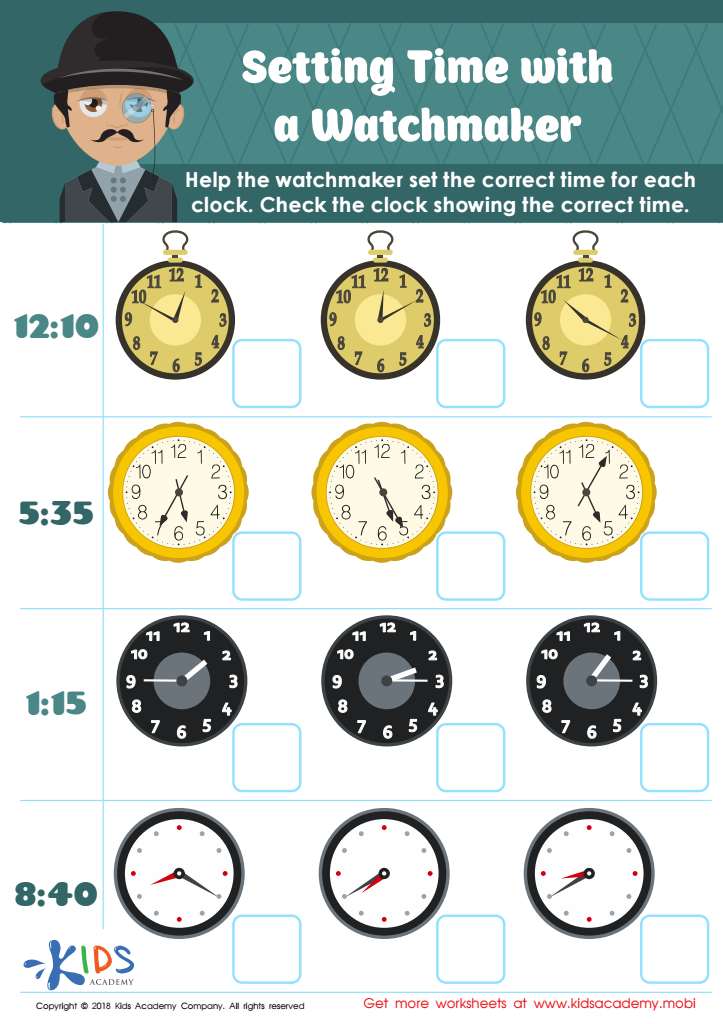
Setting Time with Watchmaker Worksheet
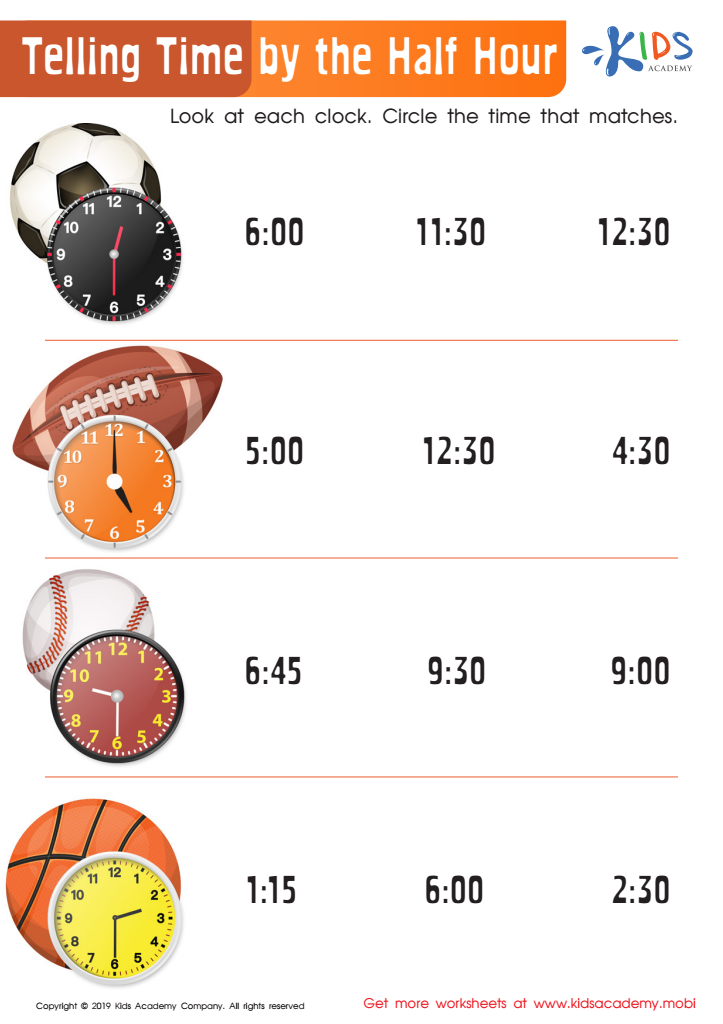
Telling Time by the Half Hour Worksheet








Understanding how to read analog clocks is an essential skill that goes beyond simply telling time; it lays the foundation for important mathematical concepts and cognitive development. For parents and teachers, fostering this skill encourages critical thinking and enhances numerical literacy in children.
Firstly, reading analog clocks involves recognizing the differences between the hour and minute hands and their respective movements, which reinforces counting and sequencing skills. It integrates time-related concepts with fractions, as children learn how a clock divides the hour into five-minute increments.
Moreover, reading analog clocks promotes spatial awareness and logic. Children learn how to interpret positions on the clock face in relation to time, improving their problem-solving skills.
Encouraging proficiency in this area can also foster independence. Being able to tell time aids in helping children manage their daily activities, supporting a sense of responsibility.
Furthermore, in a rapidly digitalizing world, understanding traditional timekeeping enhances appreciation for various cultural and historical contexts where analog clocks remain relevant.
By emphasizing the importance of reading analog clocks, parents and teachers can equip children with essential life skills that cultivate confidence, discipline, and a deeper understanding of mathematics.








