Recognizing equal parts Math Worksheets
3 filtered results
-
From - To
Our "Recognizing Equal Parts Math Worksheets" are designed to introduce young learners to the fundamental concept of equal partition. These engaging and interactive worksheets help children identify and create equal parts through various activities like coloring, drawing, and labeling. Perfect for children in early grades, these resources build a strong mathematical foundation by enhancing their understanding of fractions and spatial awareness. With vibrant visuals and fun exercises, our worksheets keep kids motivated and make learning about equal parts an enjoyable experience. Equip your child with the skills needed for success in mathematics with our comprehensive and easy-to-follow worksheets.
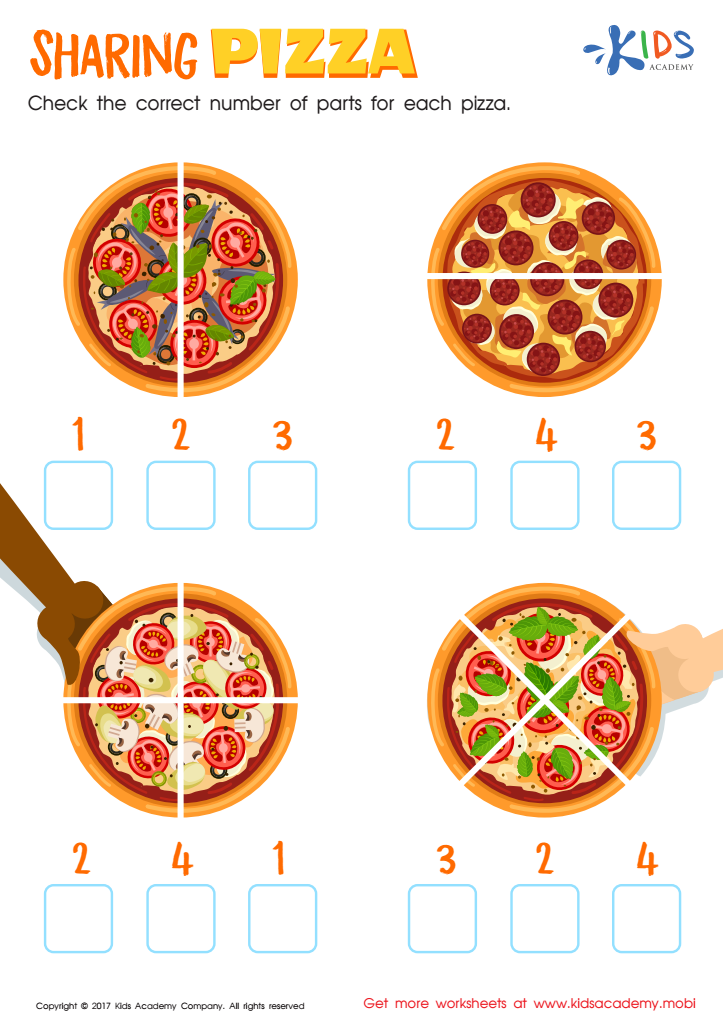
Sharing Pizza Worksheet
 Assign to My Students
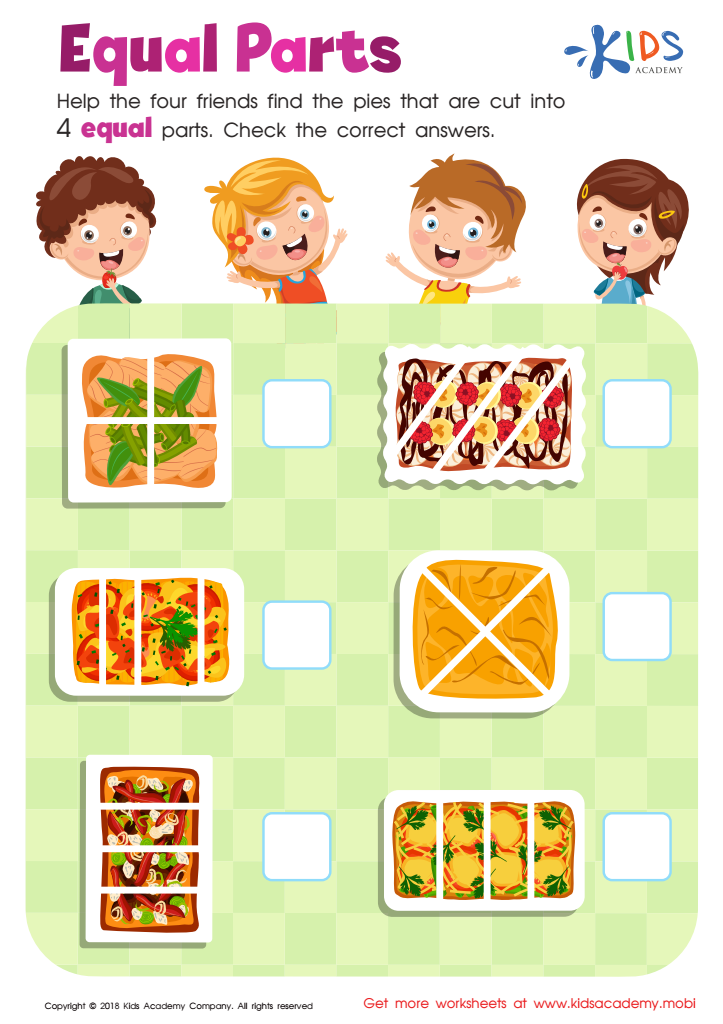
Equal Parts: Food Worksheet


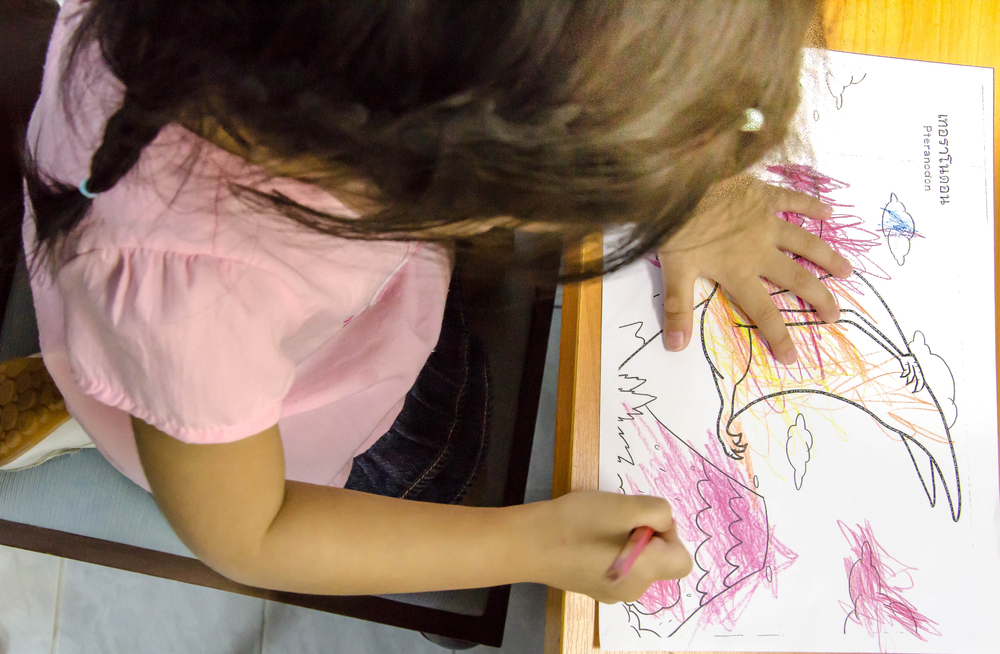



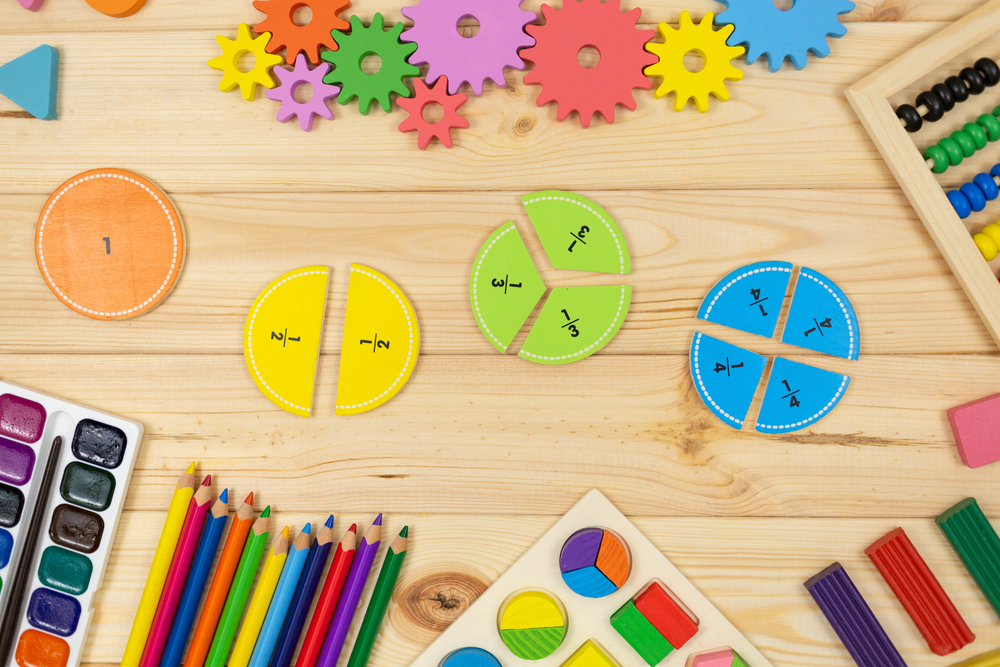
Recognizing equal parts in math, particularly through concepts like fractions, shapes, and measurements, is a foundational skill crucial for young learners. It sets the stage for understanding more complex mathematical concepts they will encounter later. For parents and teachers, acknowledging and fostering this skill in early education can significantly benefit a child’s cognitive development and functional numeracy.
When children learn to recognize equal parts, they are not only gaining mathematical skills but also enhancing their ability to think critically and solve problems. They learn to divide wholes into smaller parts and then consider how these parts relate to the whole, an important skill for real-world applications like sharing, cooking, and budgeting.
Equally important, understanding equal partitions aids in developing spatial awareness and fine motor skills. For example, dividing a piece of paper into equal sections involves understanding space and precision. Early familiarity with such concepts provides a smoother transition into geometry and algebra in later grades.
Moreover, fostering competency in equal parts builds a child’s confidence in math. When students feel confident, they are more likely to enjoy learning and less likely to experience math anxiety. This positive attitude can be nurtured both at home and in the classroom, reflecting the collaborative effort required to ensure a strong mathematical foundation.
By prioritizing the understanding of equal parts, parents and teachers invest in a child’s broader educational journey, enhancing their academic performance and daily life skills.








