Subtraction practice Math Worksheets - Page 3
89 filtered results
-
From - To
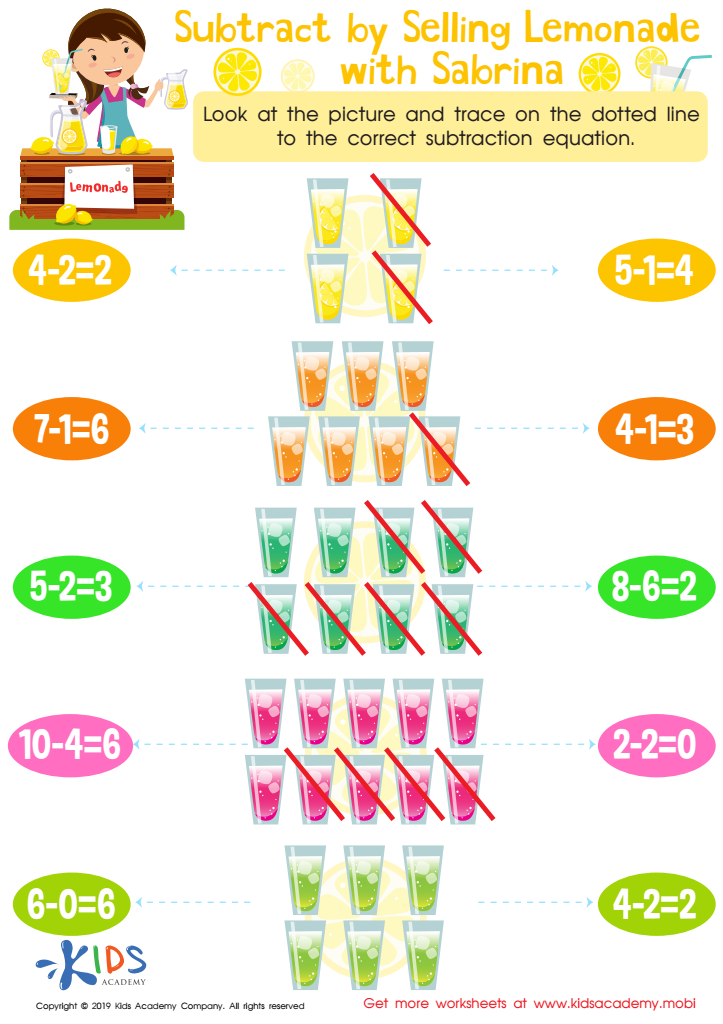
Subtract by Selling Lemonade with Sabrina Worksheet
 Assign to My Students
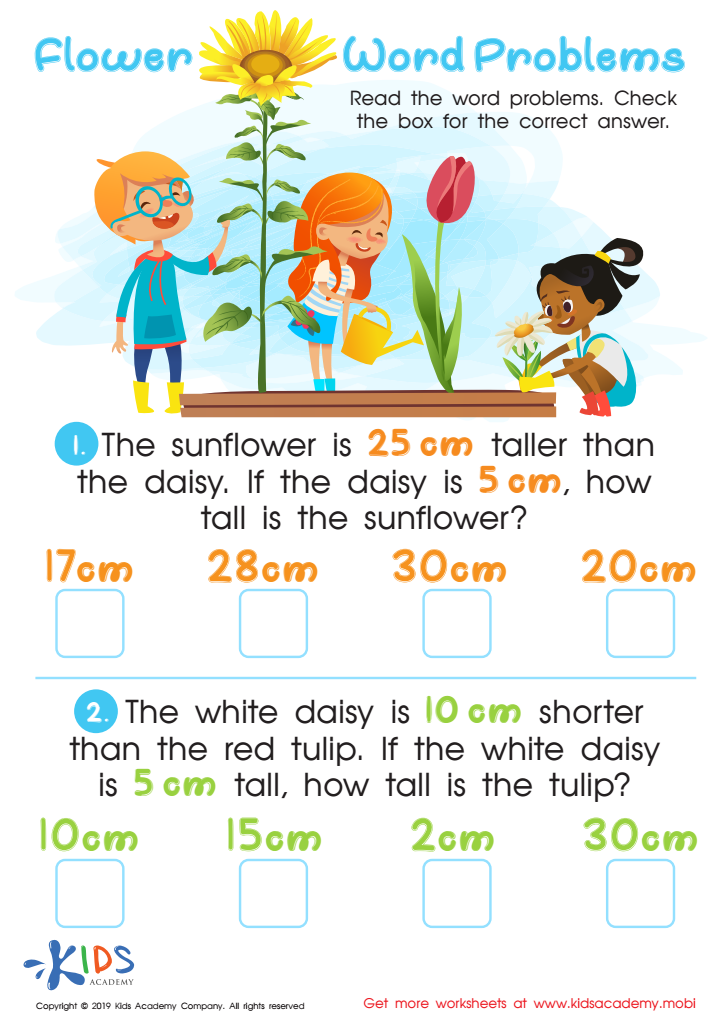
Flower Word Problems Worksheet
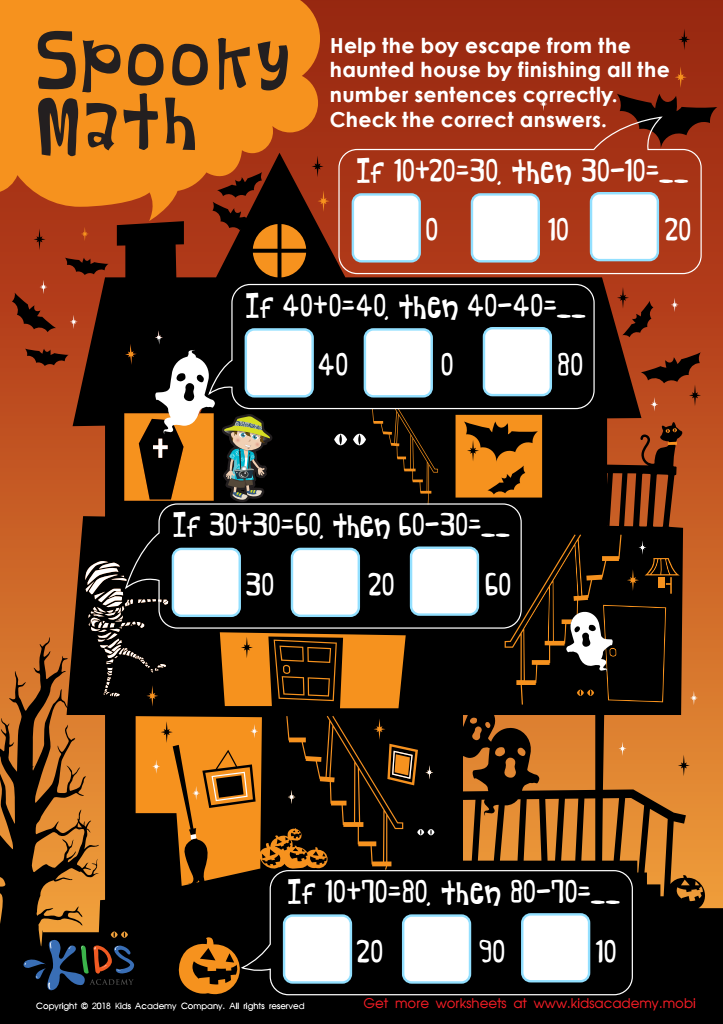
Subtract Tens: Spooky Math Worksheet
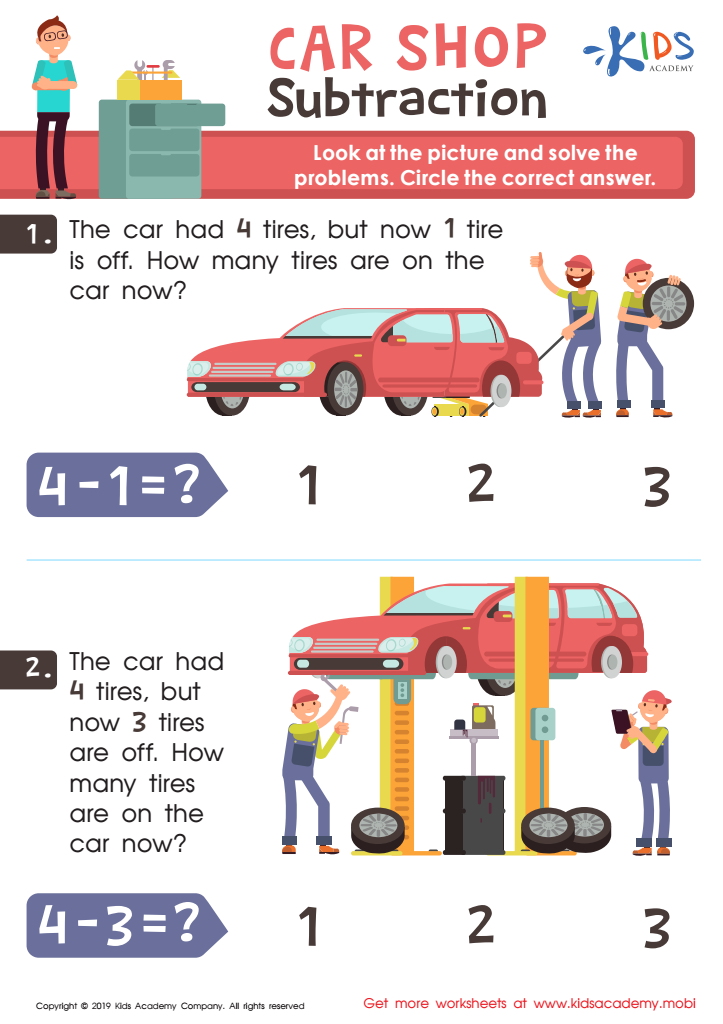
Car Shop Subtraction Worksheet
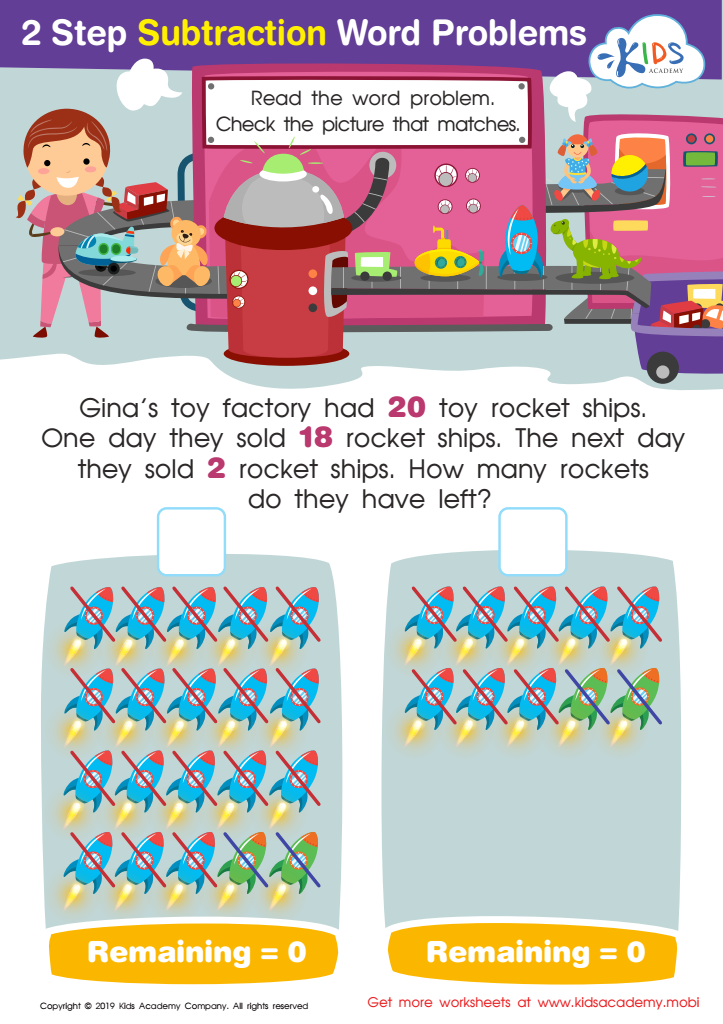
Step Subtraction Word Problems Worksheet
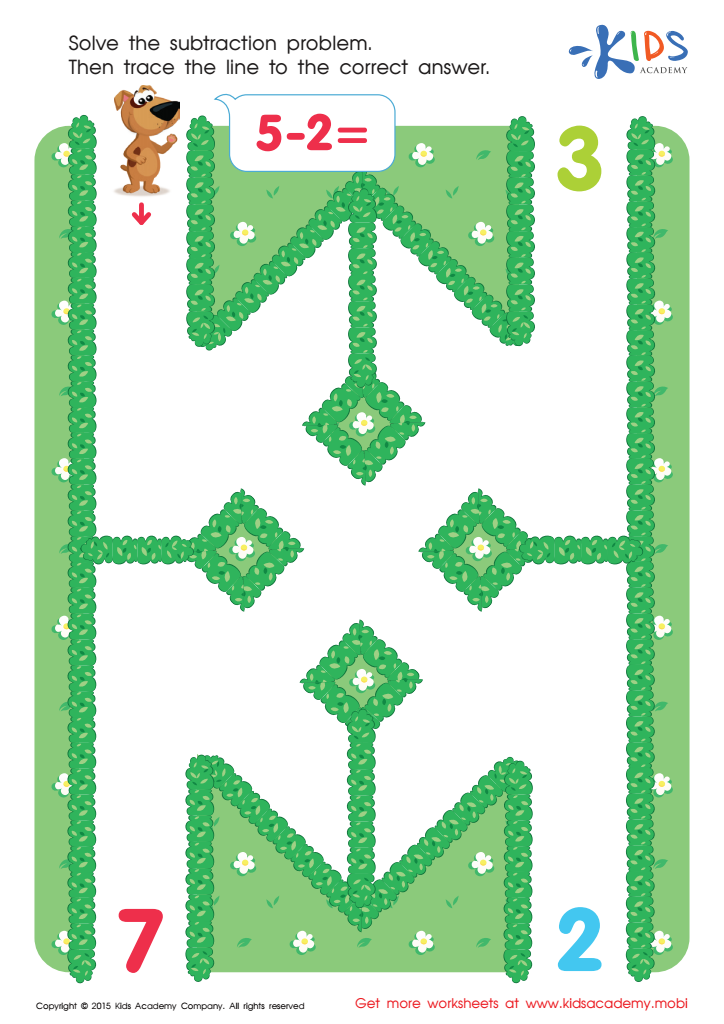
Five Minus Two Worksheet
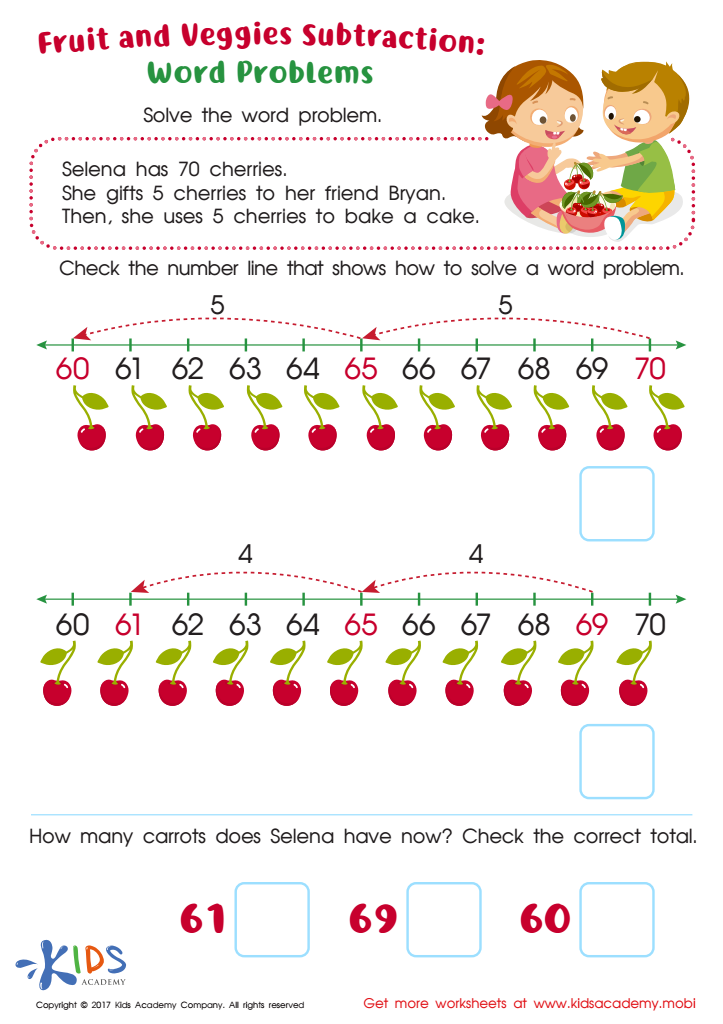
Subtraction Word Problems Free Printable
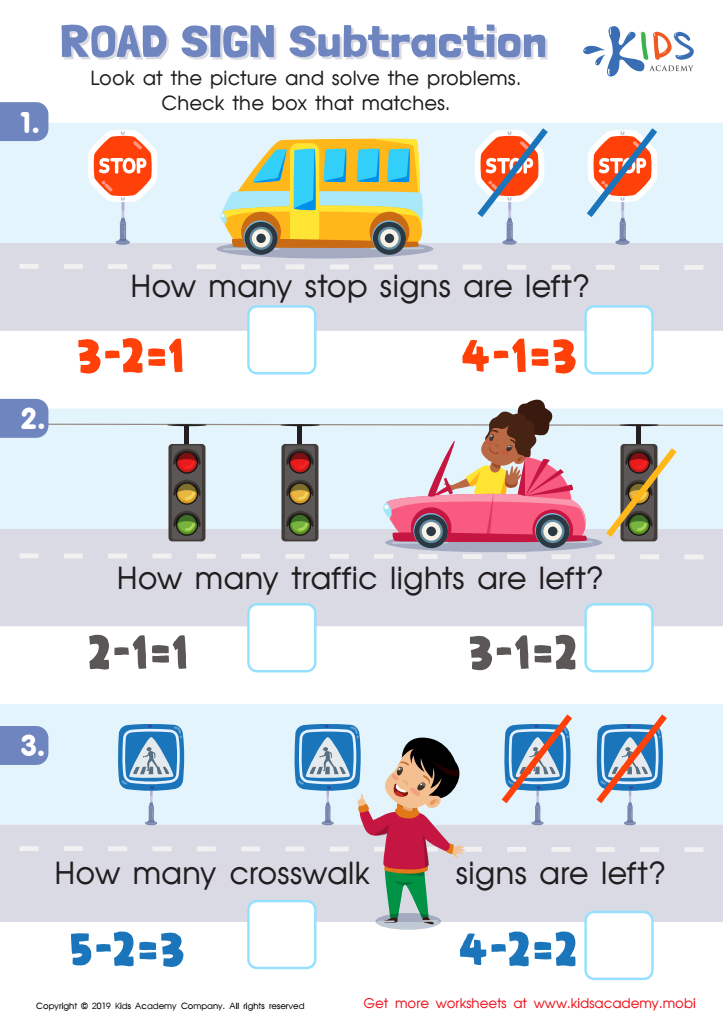
Road Sign Subtraction Worksheet
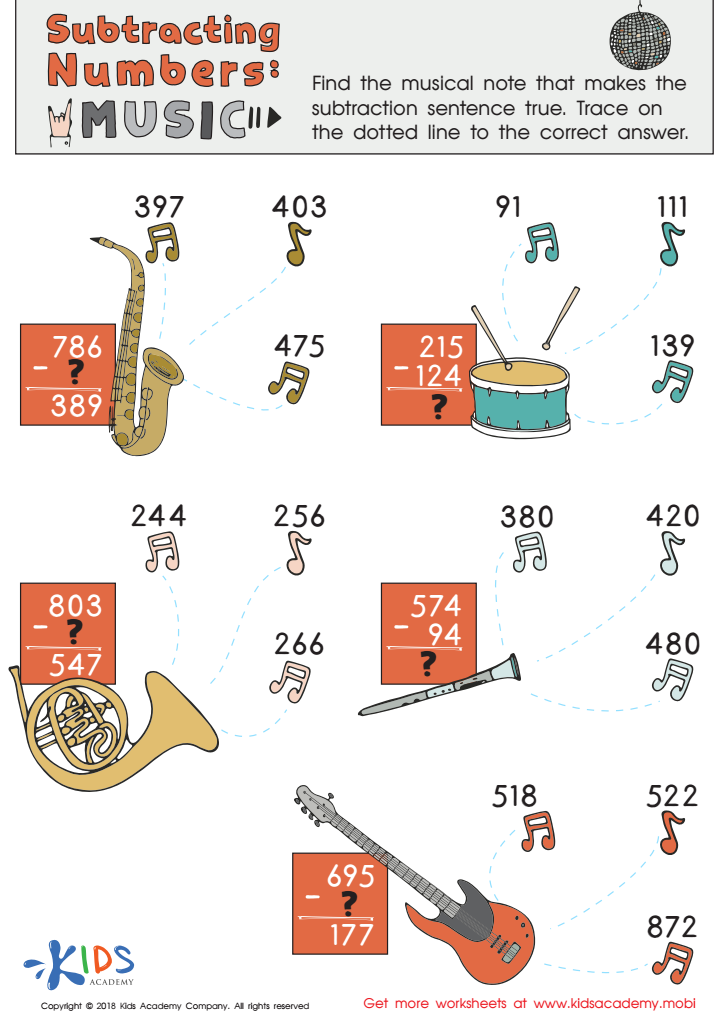
Subtracting Numbers: Music Worksheet
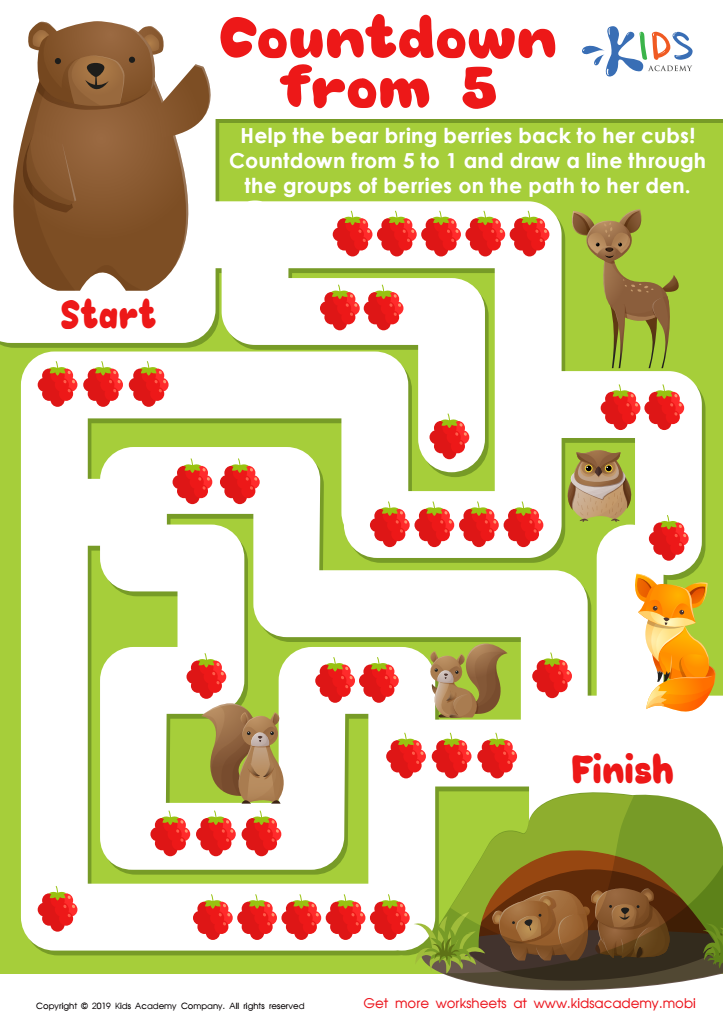
Countdown from 5 Worksheet
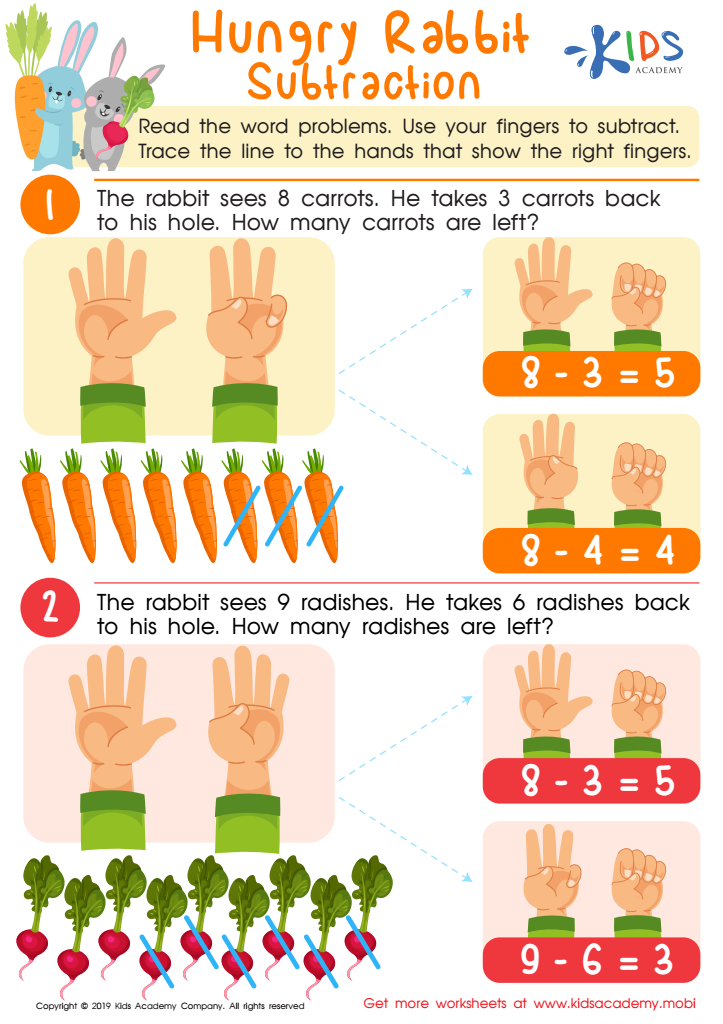
Hungry Rabbit Subtraction Worksheet
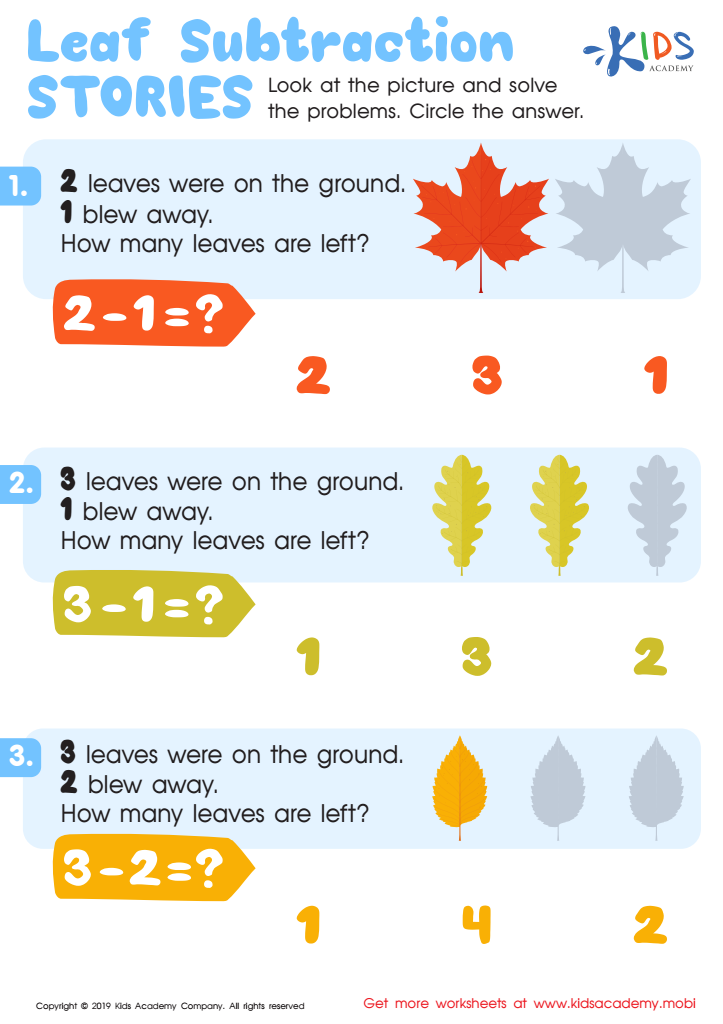
Leaf Subtraction Stories Worksheet
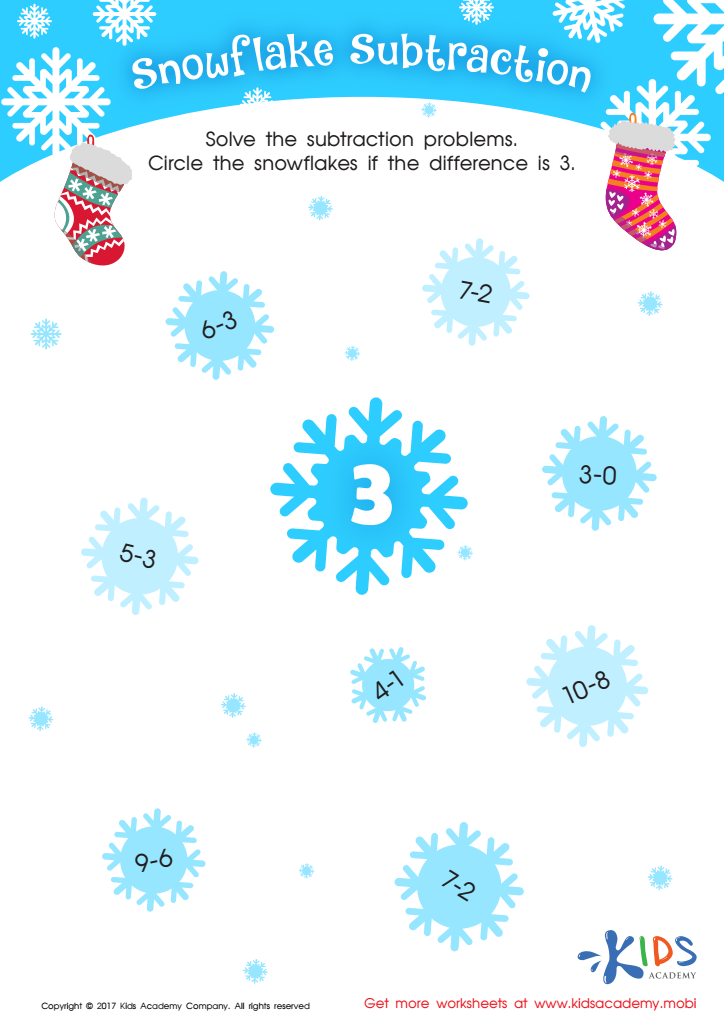
Snowflake Subtraction Worksheet
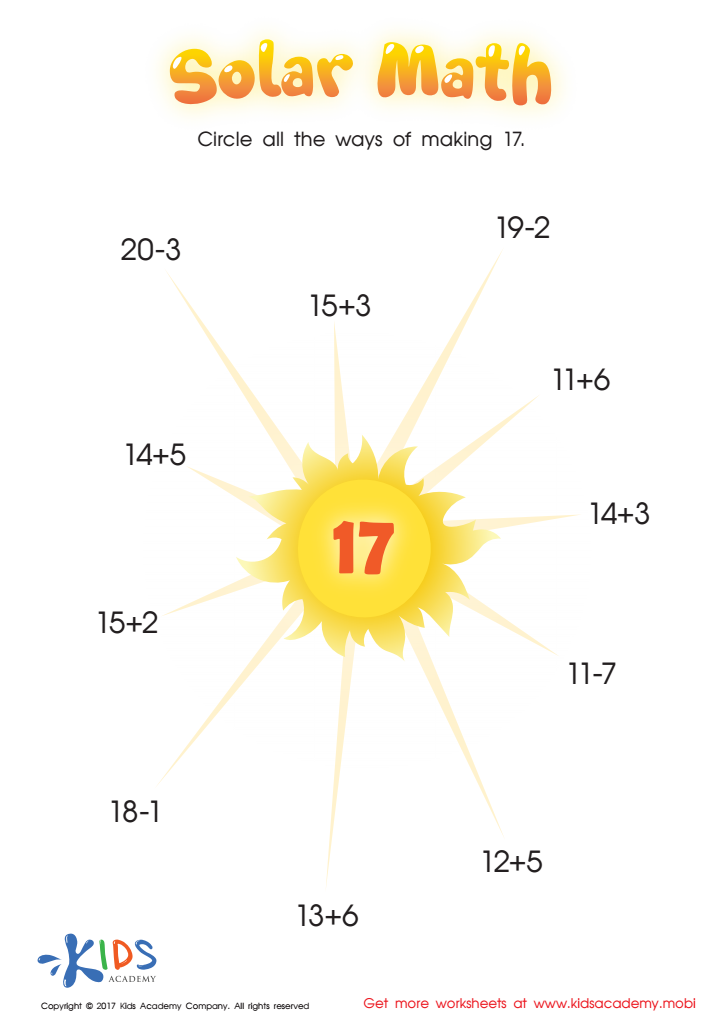
Solar Math Substraction Worksheet
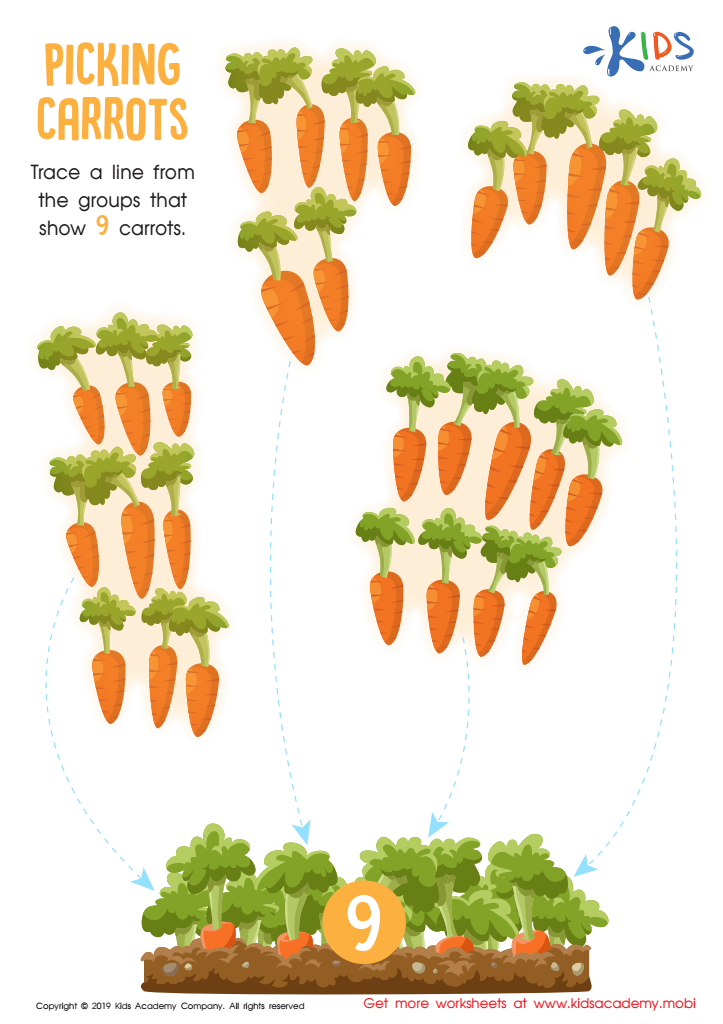
Picking Carrots Worksheet
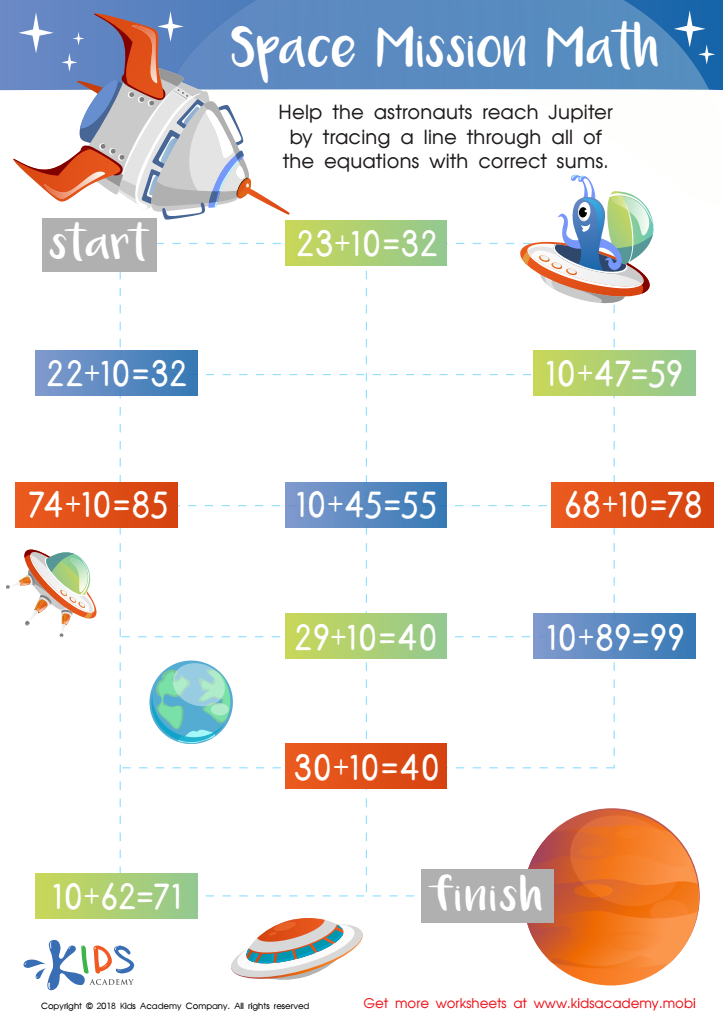
Space Mission Math Worksheet
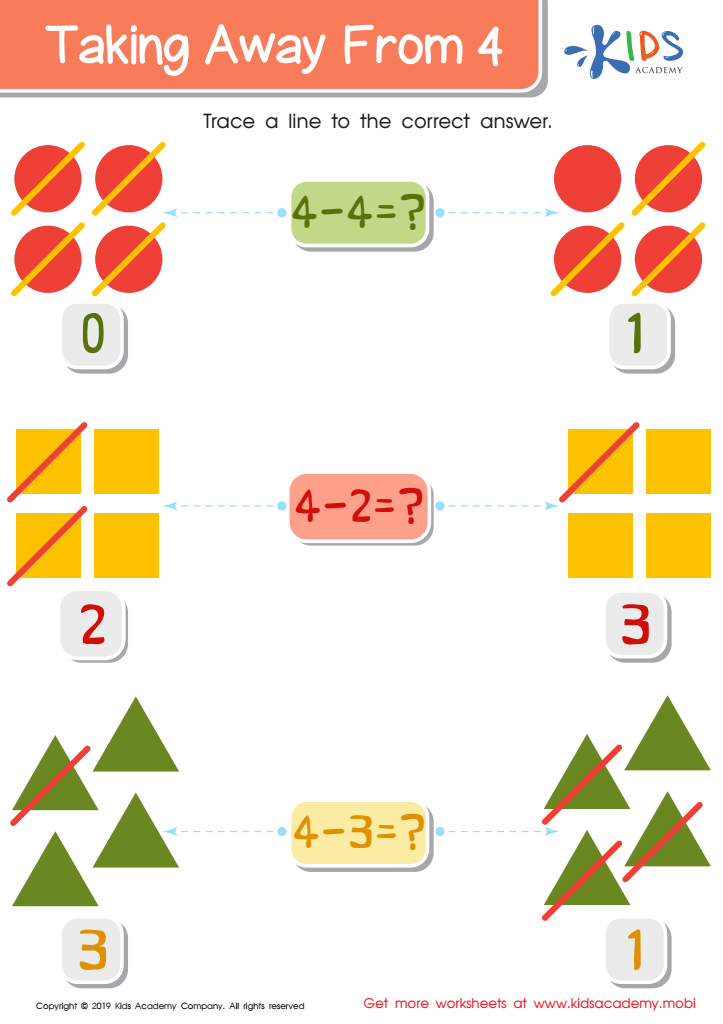
Taking Away from 4 Worksheet
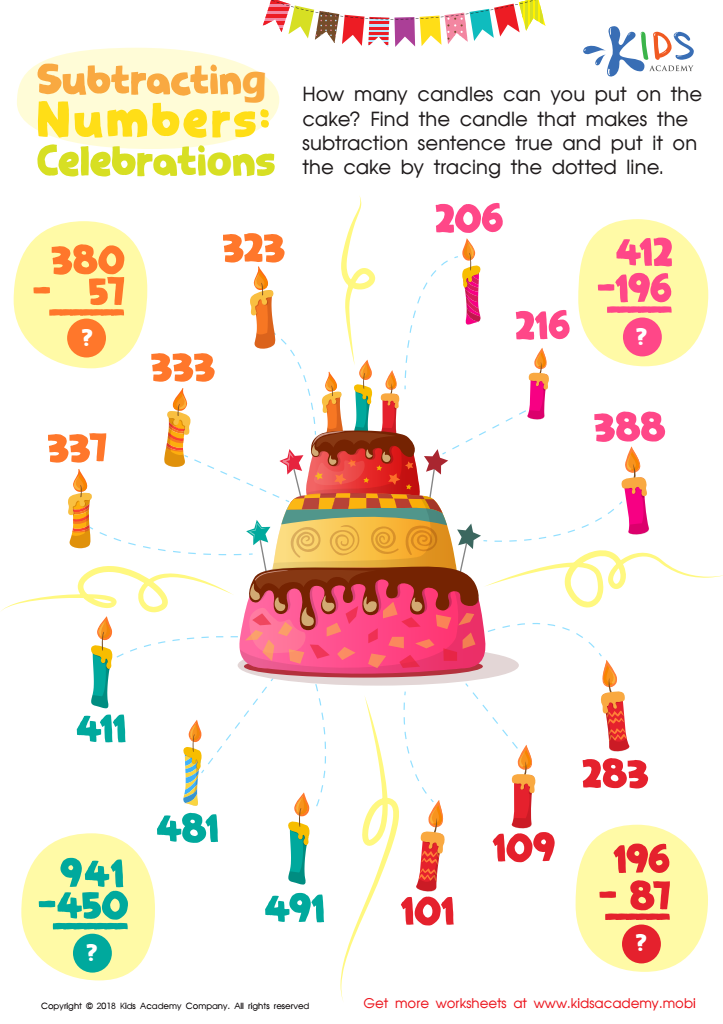
Subtracting Numbers: Celebrations Worksheet
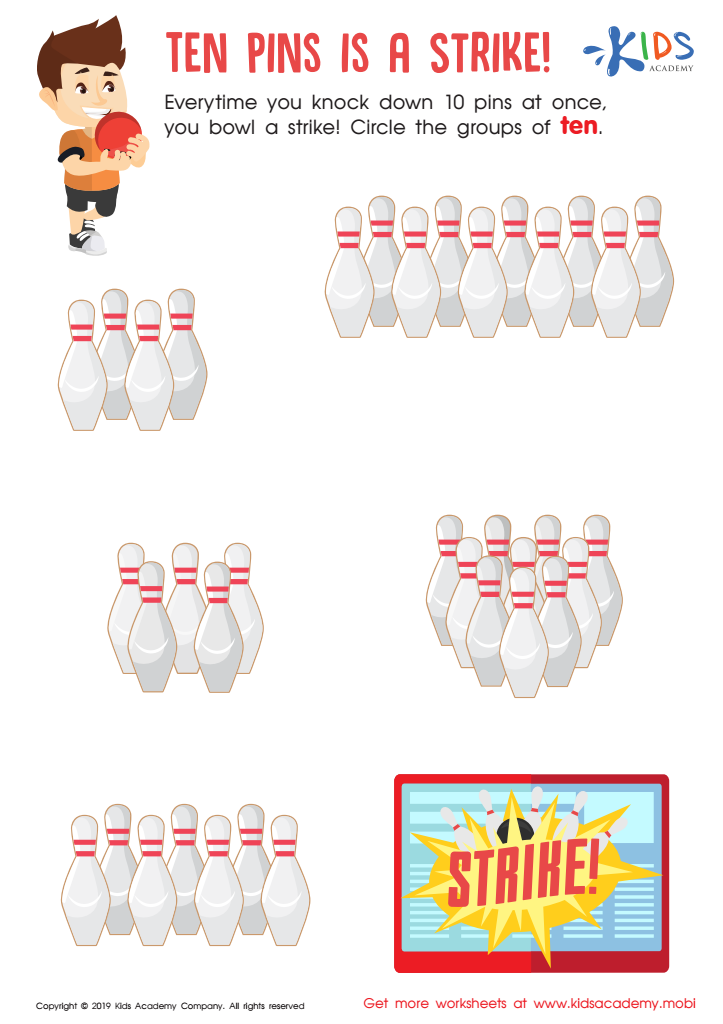
Ten Pins is a Strike Worksheet
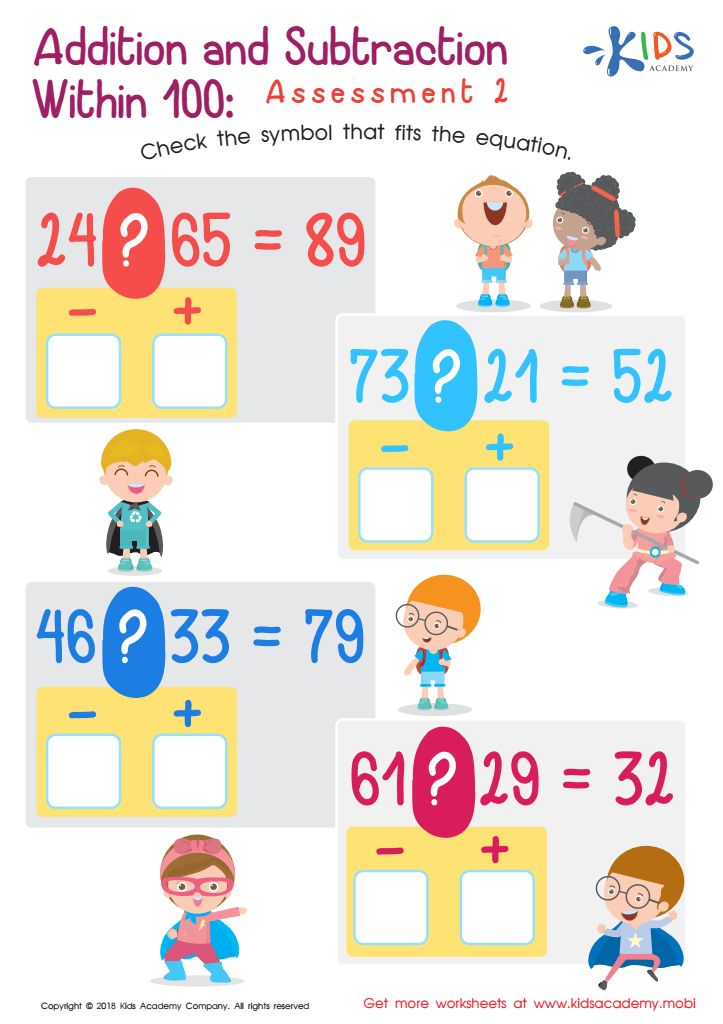
Addition and Subtraction Within 1: Assessment 2 Worksheet
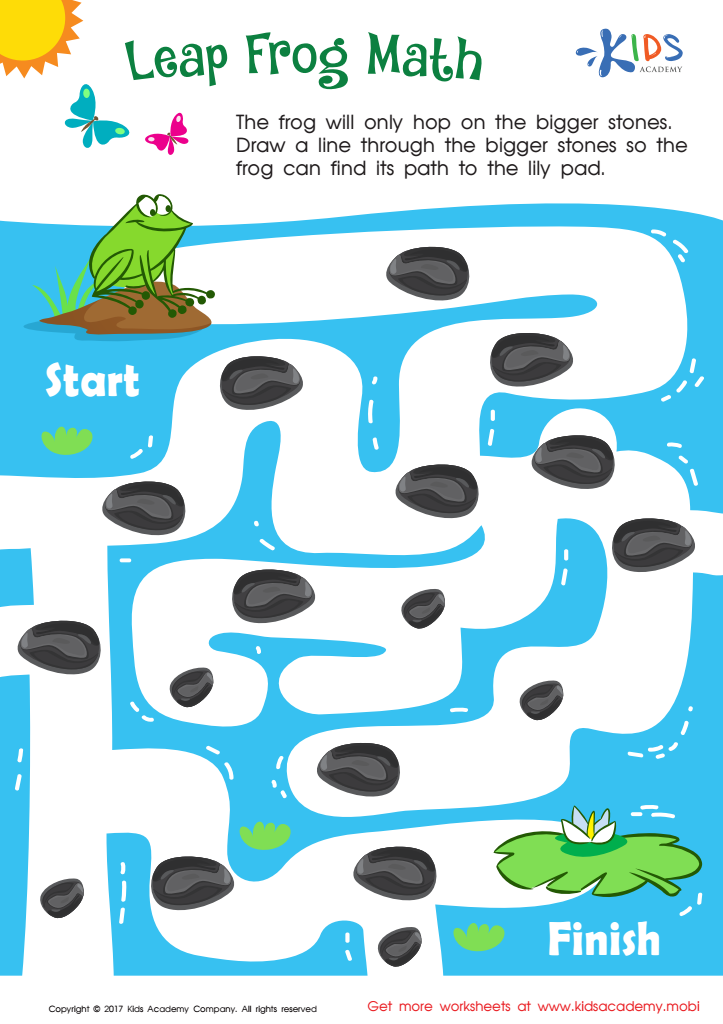
Math Puzzle Worksheet
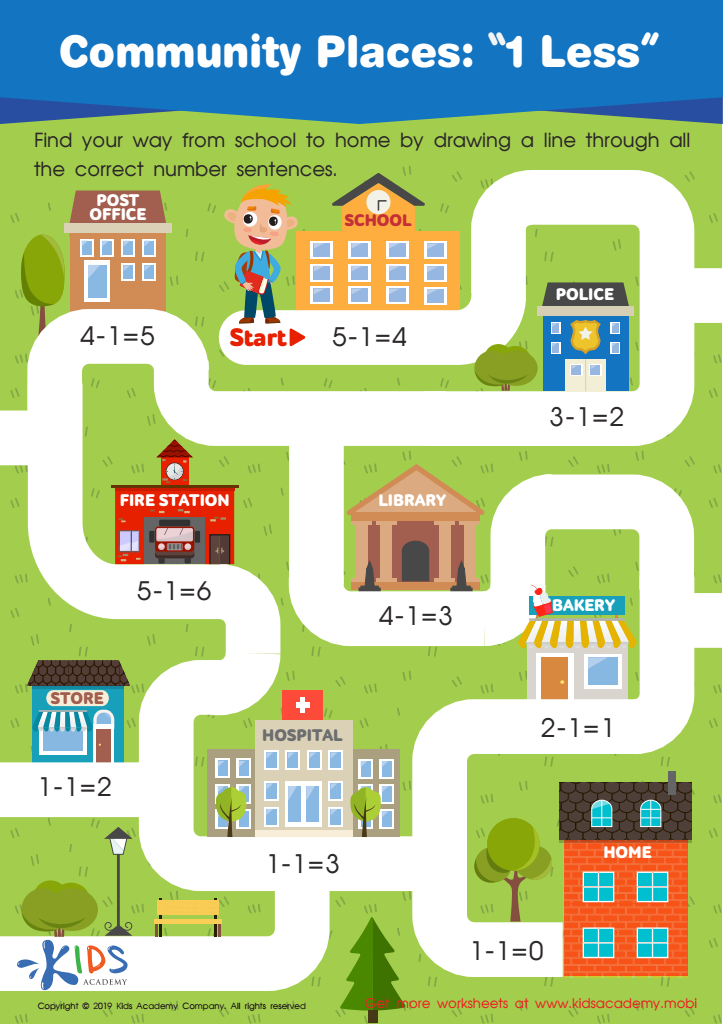
Community Places: 1 Less Worksheet
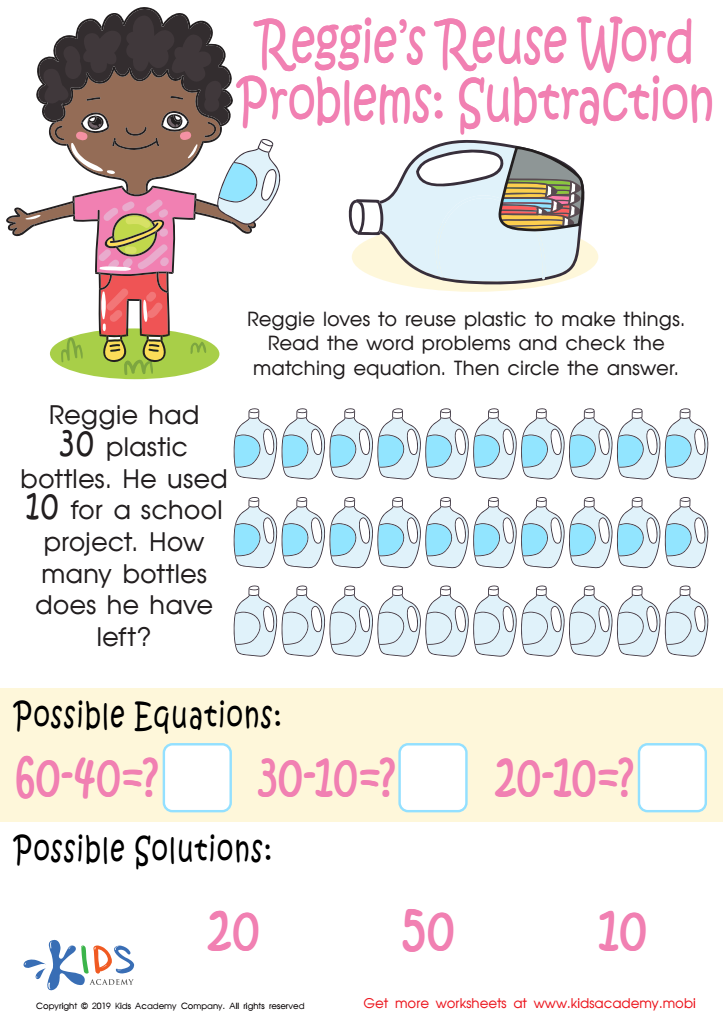
Reggie's Reuse Word Problems: Subtraction Worksheet
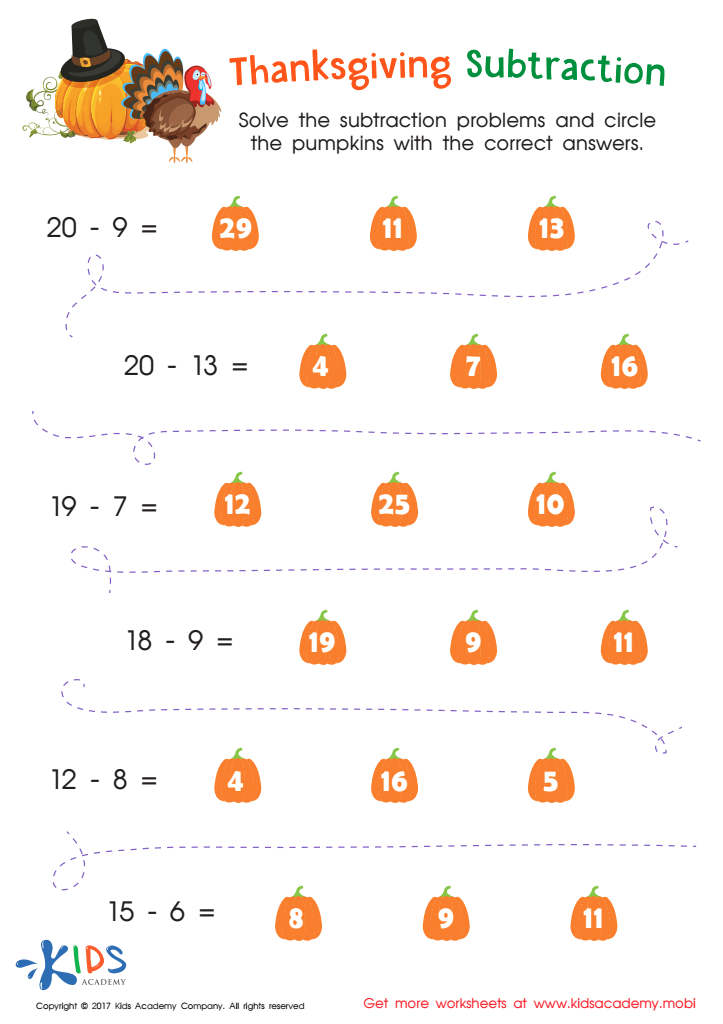
Thanksgiving Subtraction Substraction Worksheet







Subtraction practice in early education is crucial for a child’s cognitive development and foundational math skills. Mastering subtraction enhances a child's problem-solving abilities, critical thinking, and reasoning skills. When children confidently navigate subtraction, they are better prepared for more complex mathematical concepts in later grades.
Moreover, subtraction is not just a math skill; it fosters independence in decision-making. When children learn to subtract, they understand concepts of loss, change, and comparison, which are essential in both mathematical inquiry and everyday life situations. This understanding translates to real-world applications such as budgeting, shopping, or even sharing resources.
Regular practice helps solidify these skills, as consistent repetition reinforces learning and memory retention. Parents and teachers can foster a supportive environment that encourages these practices, transforming learning into a fun and engaging activity through games and interactive exercises.
Additionally, early proficiency in subtraction positively impacts children's self-esteem and confidence in their math abilities. By prioritizing subtraction practice, parents and teachers contribute to building a strong mathematical foundation that will serve students throughout their academic journey and beyond. Igniting interest in math at an early age cultivates future lifelong learners and problem solvers.








