Understanding number values Math Worksheets
3 filtered results
-
From - To
Unlock your child's potential in math with our "Understanding Number Values" worksheets. These engaging activities help young learners grasp essential number concepts, including counting, comparing, and ordering numbers. Perfect for early grade students, our expertly crafted worksheets blend fun graphics with foundational exercises that make learning enjoyable. Kids build critical thinking skills as they distinguish between greater than, less than, and equal to values. Designed by educational experts, these printable resources support classroom lessons and enhance home practice, setting the stage for future math success. Discover how our worksheets can transform number mastery into a delightful adventure!
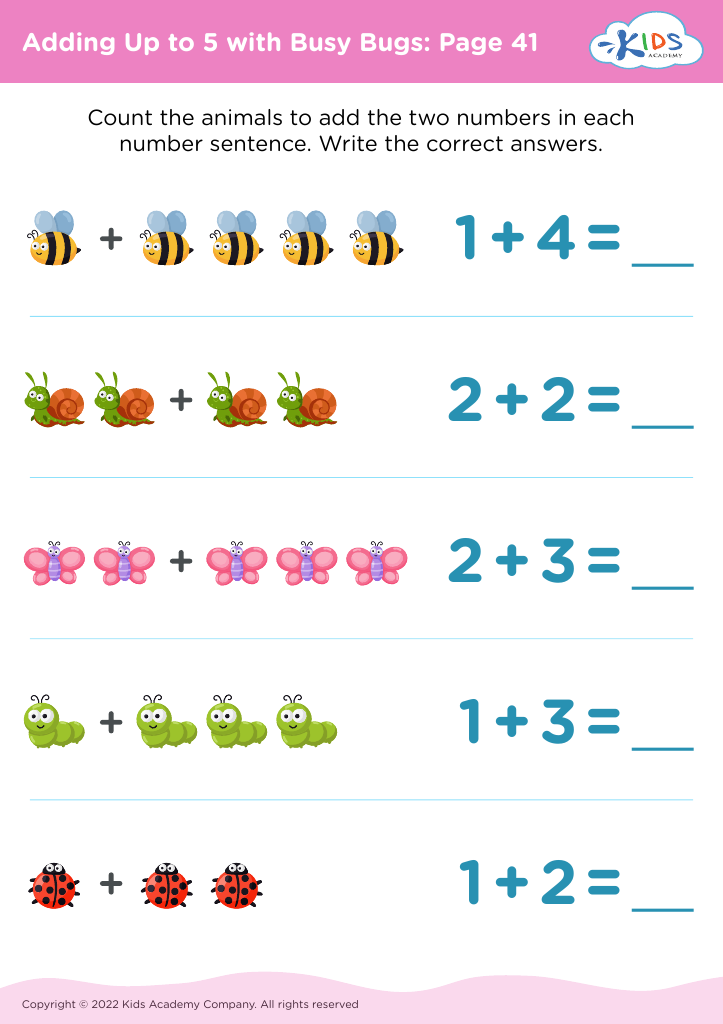
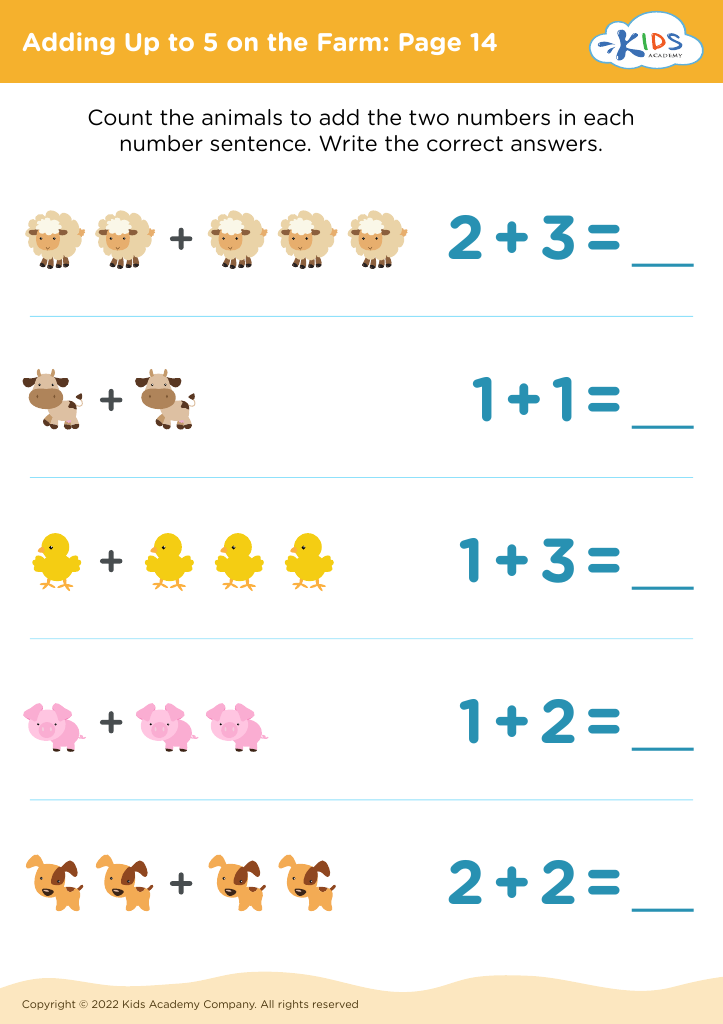
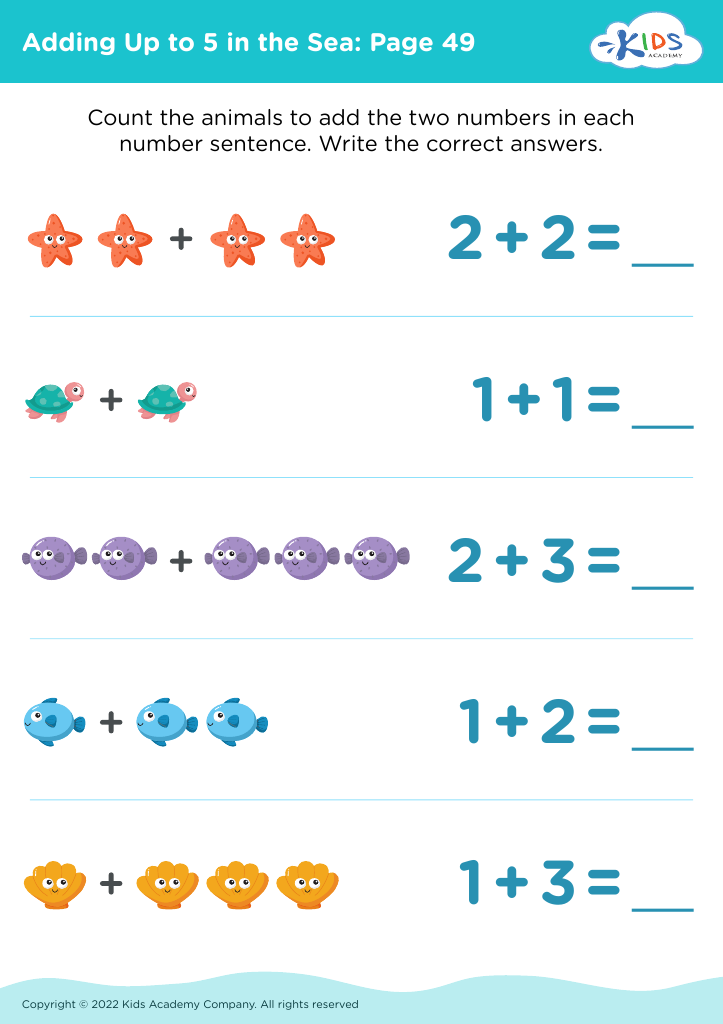







Understanding number values is fundamental for young children as it builds the foundation for more advanced mathematical concepts and everyday life skills. For parents and teachers, promoting this comprehension is crucial. Firstly, number sense lays groundwork for future math learning, ensuring children grasp basic concepts like addition, subtraction, and place value. Without a solid understanding, advanced topics become daunting and may lead to math anxiety.
In everyday life, numerical proficiency is vital. Children use numbers when telling time, handling money, measuring ingredients for a recipe, or even during play. Cultivating these skills enhances their problem-solving abilities and logical thinking, enabling smoother, independent navigation through daily tasks.
Educationally, a strong grasp on number values boosts overall academic performance. Numeracy supports critical areas such as science, engineering, and technology. Strong mathematical skills foster analytical thinking, critical for subjects beyond math.
Additionally, early success in math builds confidence. Children who feel competent in math are more likely to participate actively, tackle challenging subjects enthusiastically, and take intellectual risks. Parents and teachers who emphasize understanding number values help nurture well-rounded, confident learners capable of facing various academic and real-world challenges successfully. This foundational knowledge ultimately shapes their future educational paths and career opportunities.








