Understanding patterns Math Worksheets - Page 3
52 filtered results
-
From - To
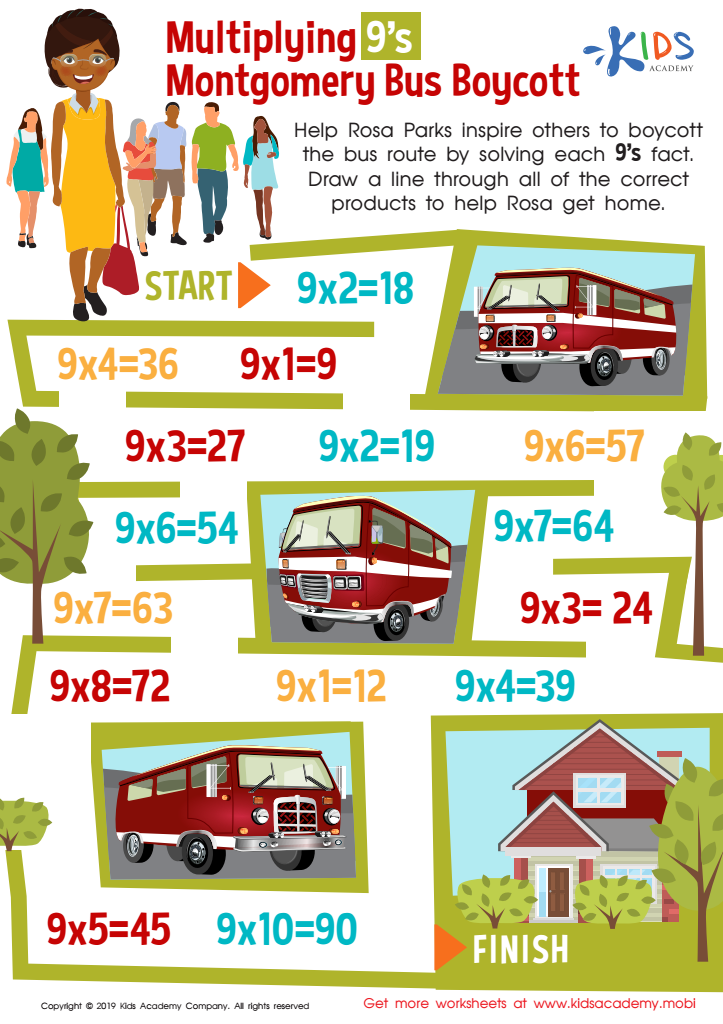
Multiplying 9’s Montgomery Bus Boycott Worksheet
 Assign to My Students
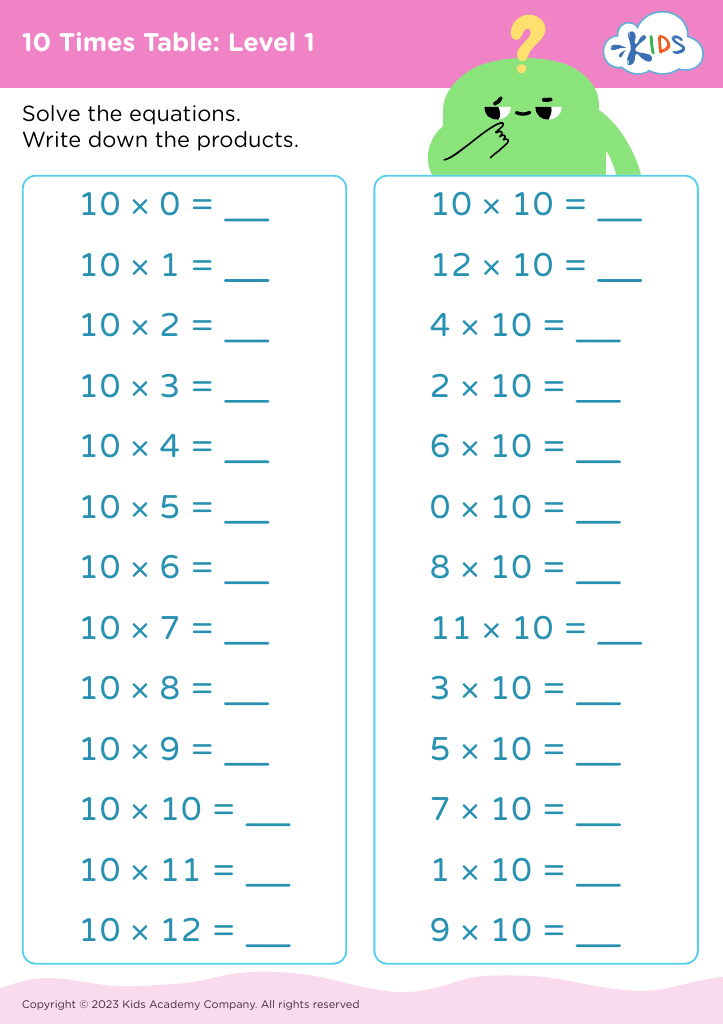
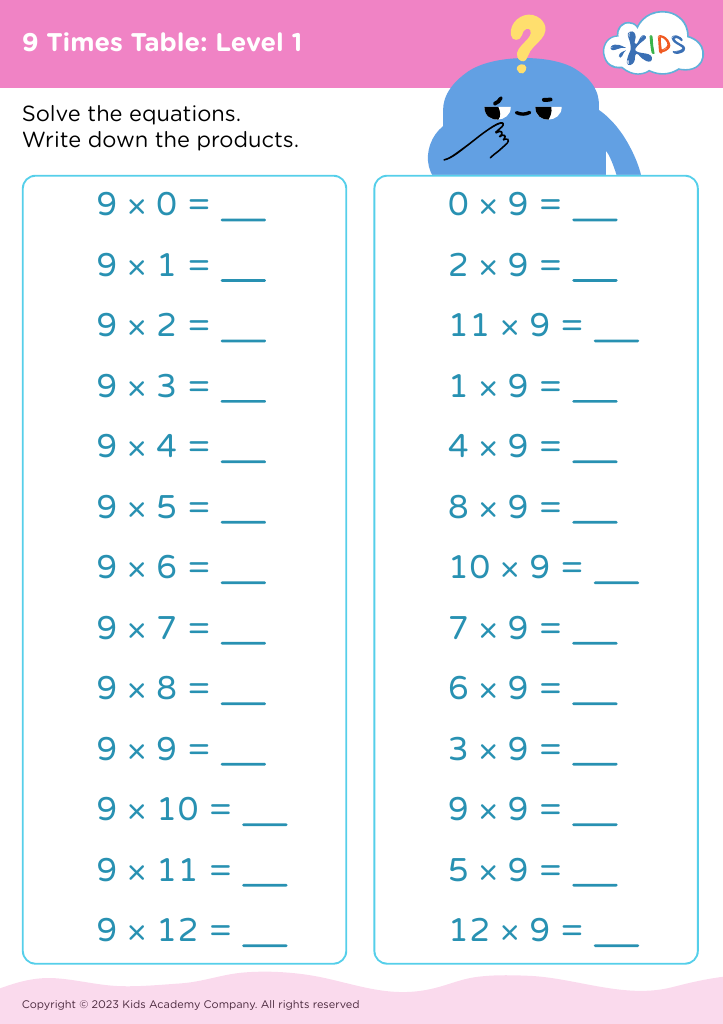
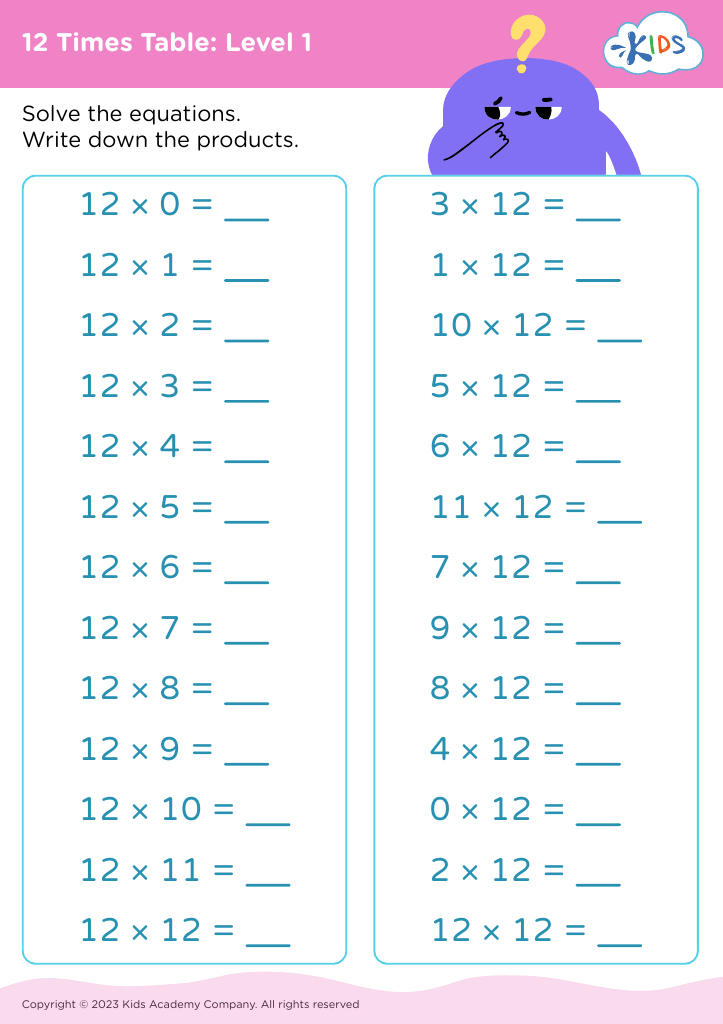





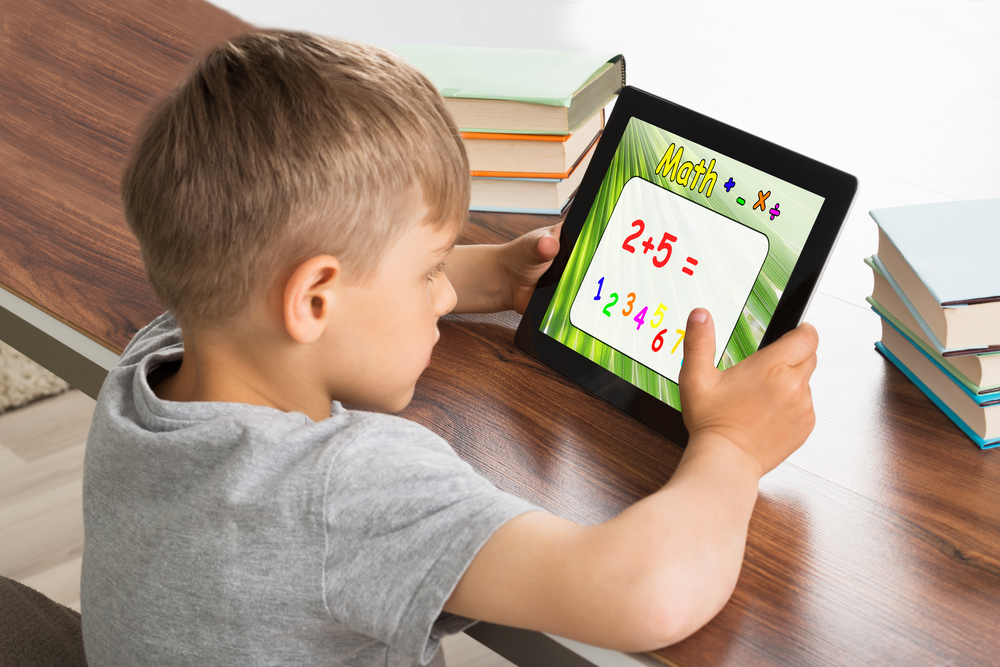

Understanding patterns in math is foundational for boosting a child's cognitive development and problem-solving skills. For parents and teachers, recognizing the significance of pattern recognition can transform how children approach learning not only in math but across various disciplines. Patterns serve as a basis for mathematical concepts, helping children to predict, make connections, and understand relationships between numbers. For instance, recognizing numerical sequences lays the groundwork for comprehending more complex topics like algebra and geometry.
Moreover, pattern recognition enhances logical reasoning, a key skill vital for solving real-life problems. When children learn to identify and create patterns, they develop critical thinking skills and the ability to see order in chaos, teaching them to make decisions based on observed regularities.
In early education, engaging children with pattern-based activities—like sorting objects, completing sequences, or exploring rhythmic claps—makes learning math both entertaining and practical. This interconnected approach enriches their learning experiences and enhances their ability to grasp new concepts more quickly and accurately.
Prioritizing an understanding of patterns equips children with a mental toolkit that fosters analytical thinking, boosts academic performance, and nurtures a lifelong love for learning. As educators and parents, encouraging pattern recognition offers children a robust educational foundation, setting them up for future success in both school and everyday life.








