Visual discrimination Matching Worksheets
3 filtered results
-
From - To
Enhance your child's visual discrimination skills with our engaging Visual Discrimination Matching Worksheets! Tailored for early learners, these printable resources help children recognize, compare, and differentiate between various shapes, colors, and sizes. By solving these fun matching activities, kids boost their cognitive abilities and develop essential skills needed for successful learning in math and reading. Perfect for classroom or home use, our worksheets promote critical thinking and problem-solving in a playful environment. Explore a variety of themes designed to captivate young minds while reinforcing their observational skills. Get started today to support your child's educational journey!
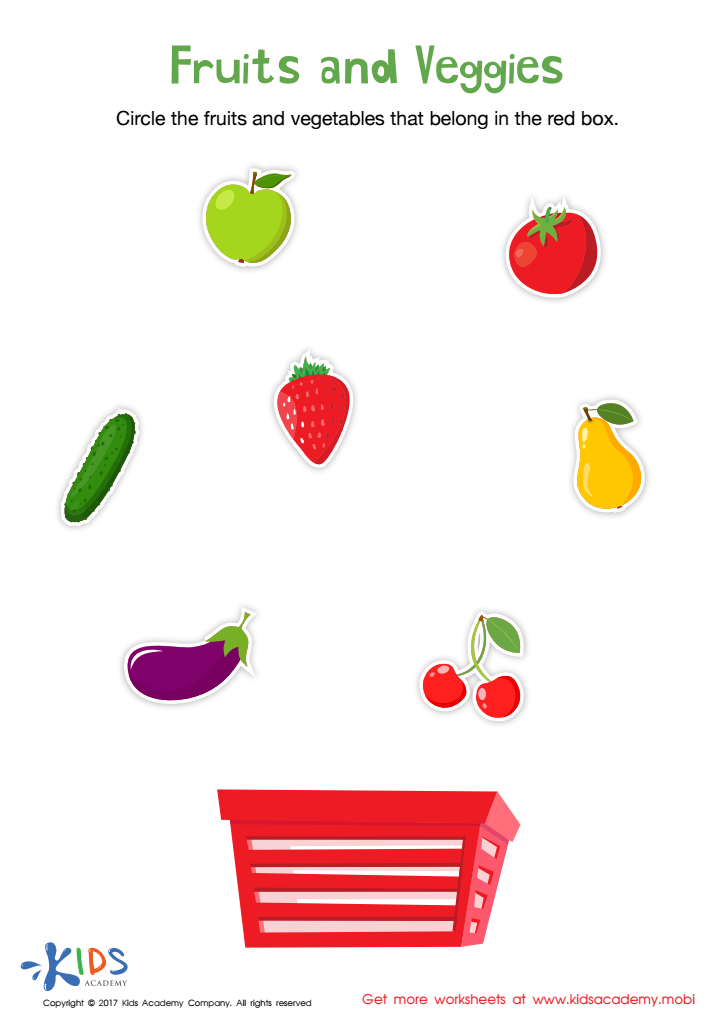
 Assign to My Students
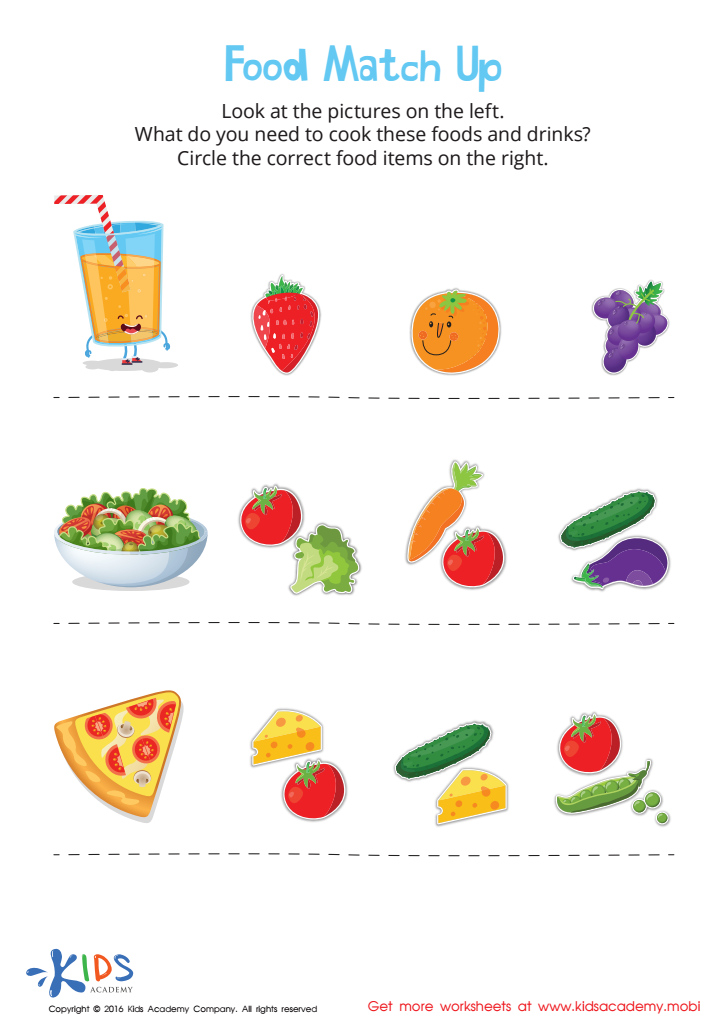
Food Match Up Worksheet
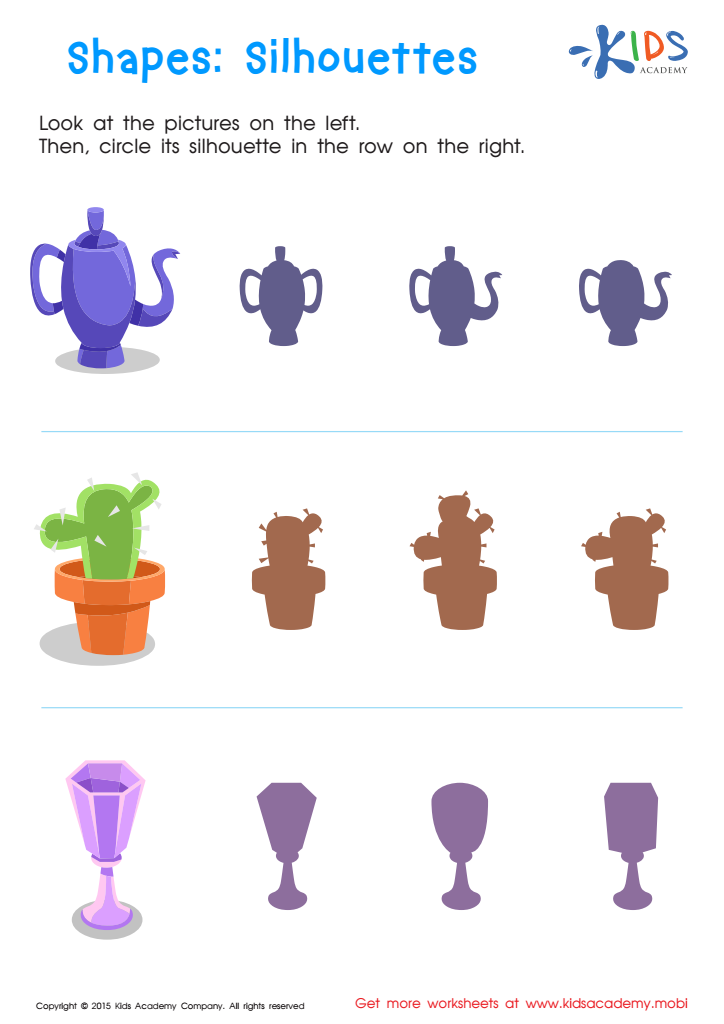
Silhouettes – Shapes Worksheet


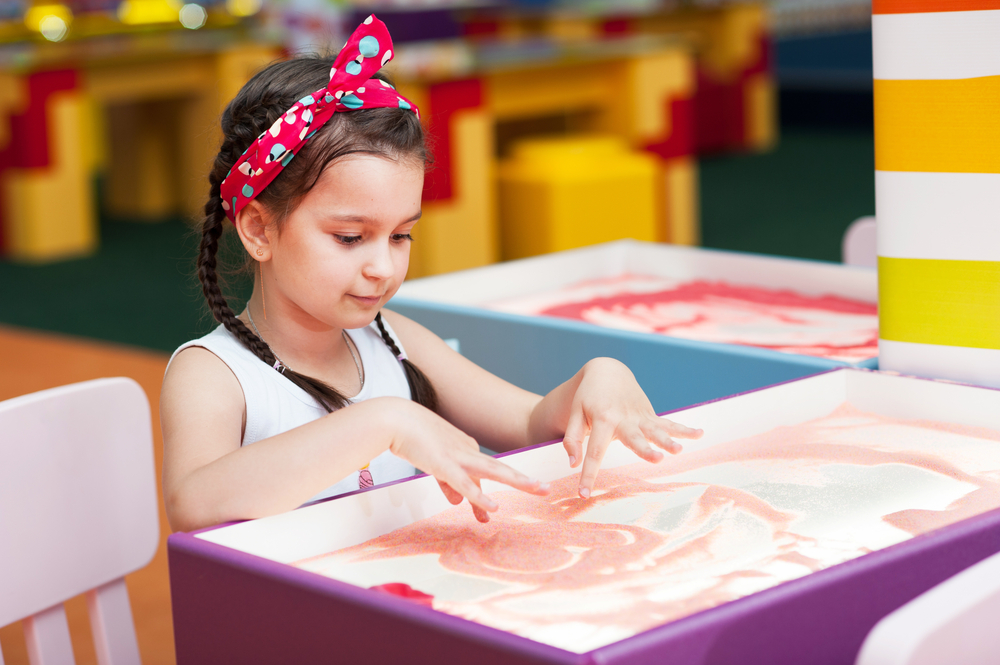





Visual discrimination matching is a foundational skill that involves the ability to distinguish differences and similarities in shapes, colors, and patterns. For parents and teachers, fostering this skill is vital for several reasons.
Firstly, visual discrimination is crucial for early literacy development. It helps children recognize letters and words, which are essential for reading and writing. When children can visually differentiate between letters such as “b” and “d,” or “p” and “q,” they facilitate their progress in reading.
Secondly, strong visual discrimination skills support mathematical understanding. Recognizing differences in quantities or shapes aids children in developing concepts related to counting, classifying, and pattern recognition, which are integral to early math skills.
Moreover, these skills enhance problem-solving and critical thinking abilities. Children who can effectively match and categorize are often better equipped to engage in more complex tasks in the future.
Lastly, visual discrimination activities encourage attention to detail and observation—qualities important for overall learning and development. By integrating visual discrimination exercises into everyday activities and learning, parents and teachers can significantly contribute to a child's cognitive growth, laying a solid foundation for their academic success.








