Visual perception Matching Worksheets
5 filtered results
-
From - To
Enhance your child's learning experience with our Visual Perception Matching Worksheets! Designed for young learners, these engaging worksheets focus on developing essential visual recognition and matching skills. By using vibrant images and interactive exercises, kids can improve their ability to identify similarities and differences in shapes, colors, and patterns. Perfect for preschool and early grade classrooms, our resources provide a fun way to build anticipation and enhance cognitive abilities. Encourage critical thinking and boost visual processing through playful activities that keep children motivated. Download our tailored worksheets today and support your child's journey to mastering visual perception in a delightful and educational way!
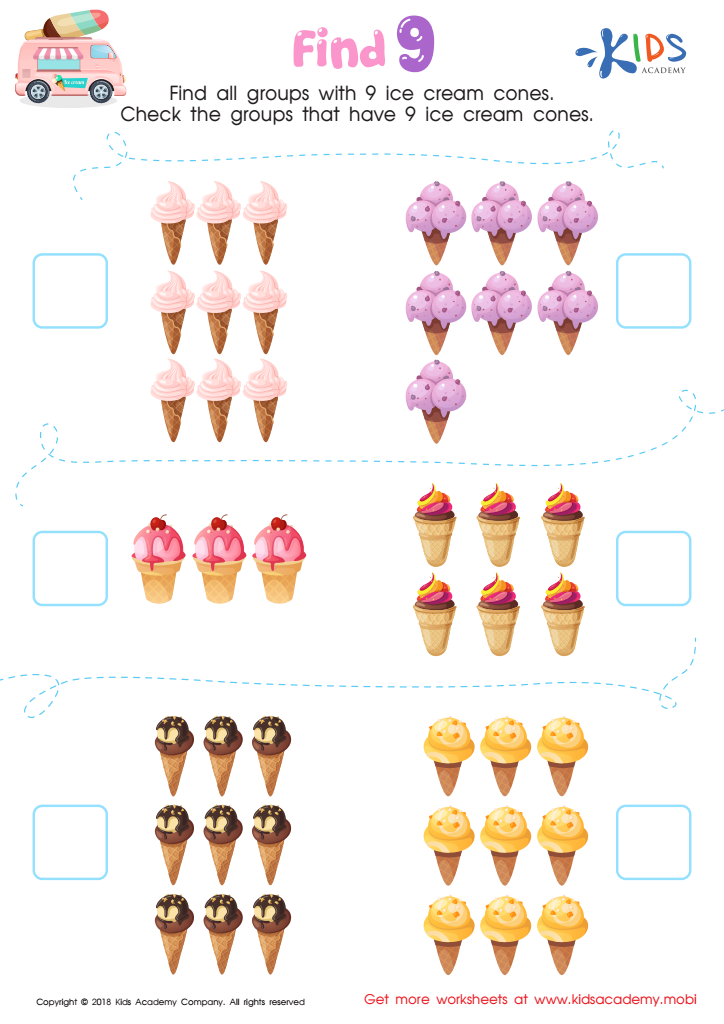
Find 9 Worksheet
 Assign to My Students
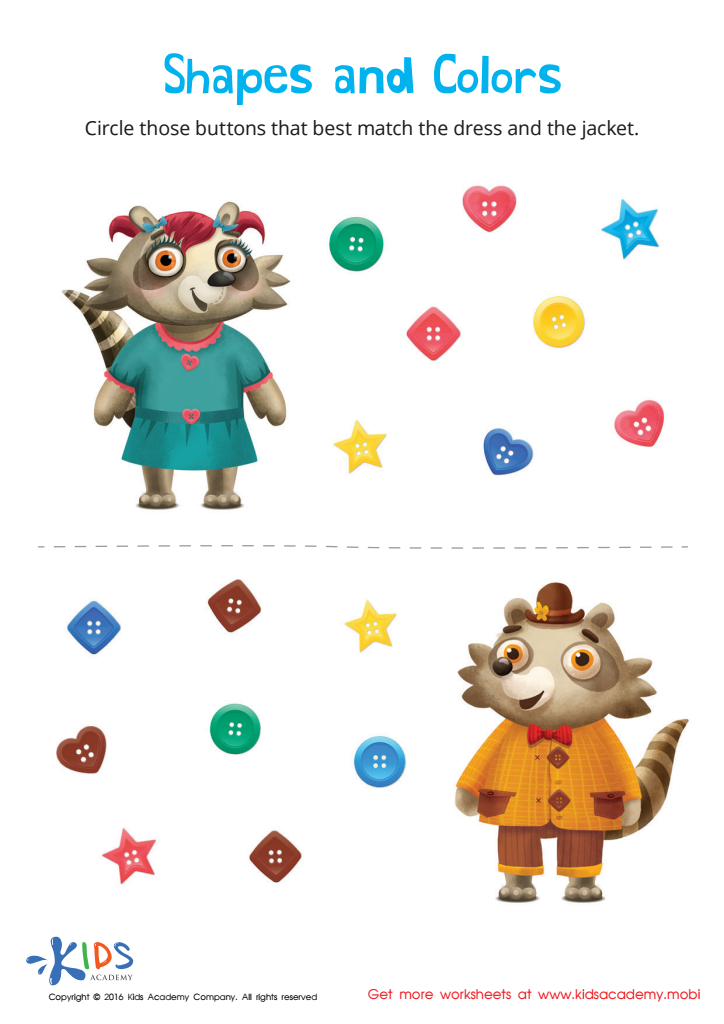
Matching: Shapes and Colors Worksheet
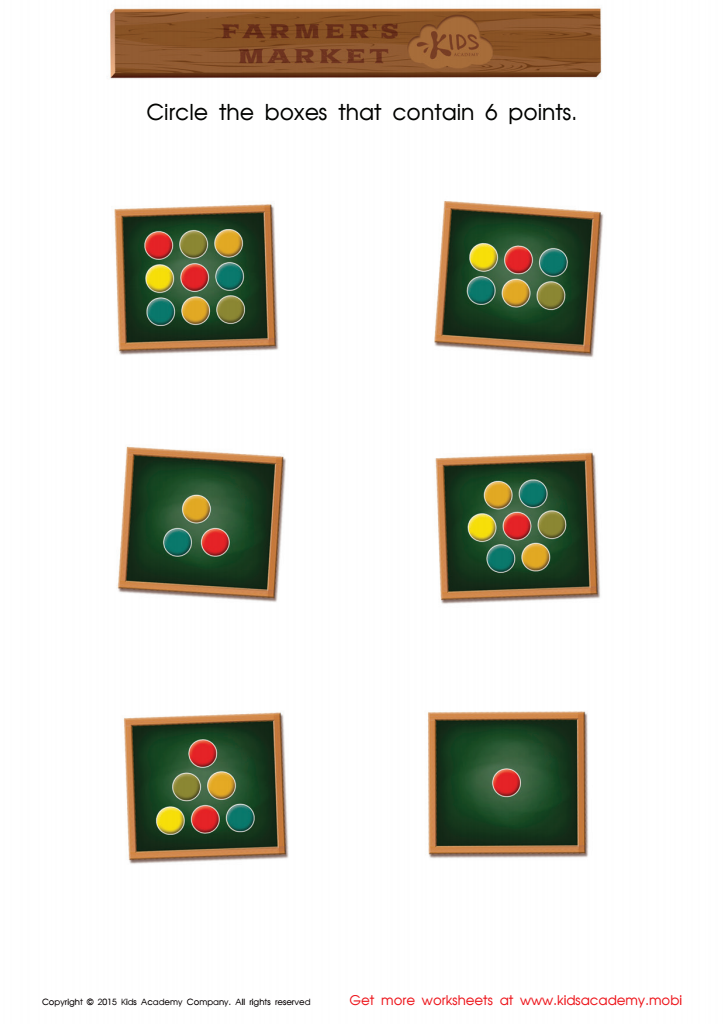
Count and Match Points 6 Math Worksheet
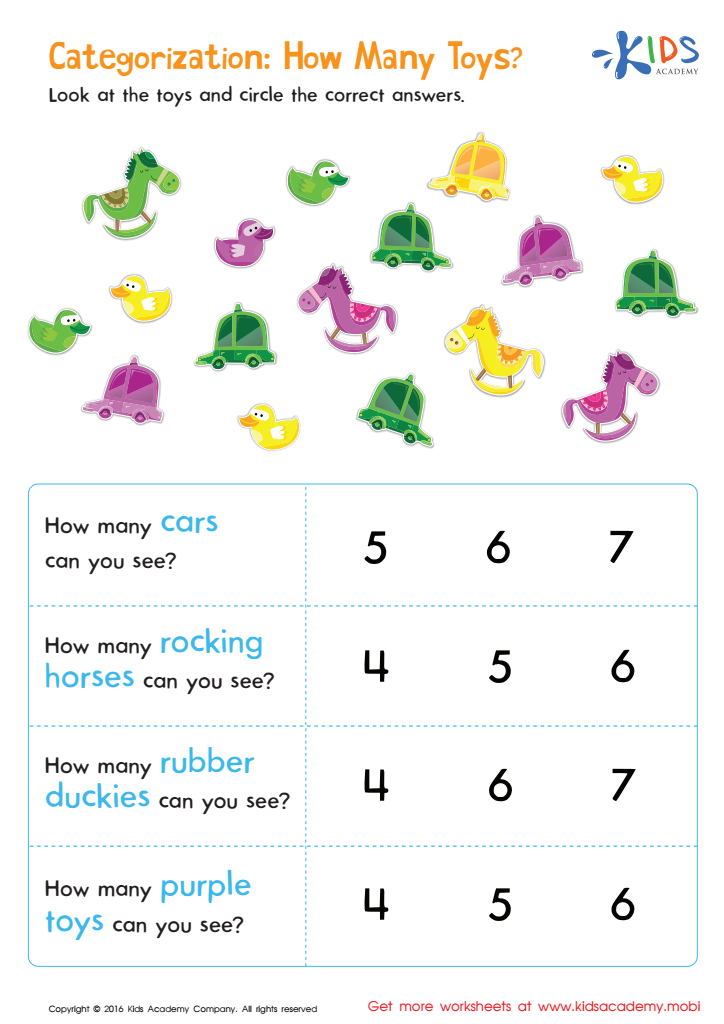
Classifying Toys by Type and Color Sorting Worksheet
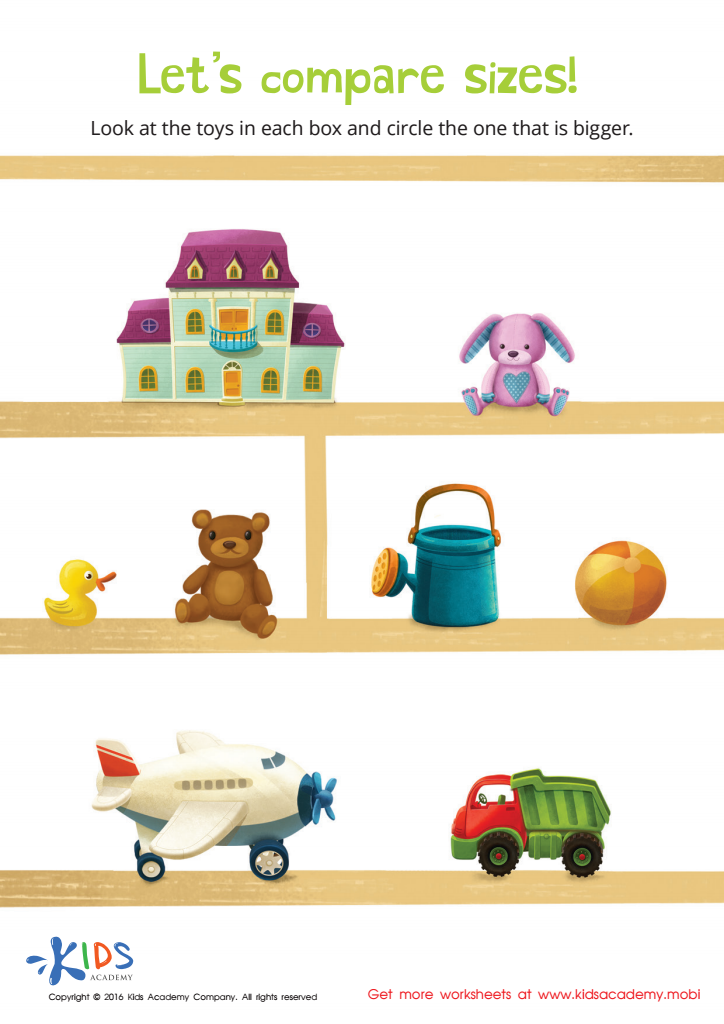
Classifying by Size Sorting Worksheet







Visual perception matching is a critical skill that enables children to interpret and engage with the world around them effectively. It involves the ability to recognize, organize, and respond appropriately to visual information, such as shapes, colors, and patterns. Parents and teachers should care about this skill for several reasons.
Firstly, visual perception matching is fundamental for academic success. It supports learning in subjects like mathematics, art, and reading, where children must identify letters, numbers, and shapes. Without strong visual processing skills, students may struggle with tasks such as distinguishing between similar letters or performing pattern recognition required for math problems.
Moreover, visual perception influences daily activities and independence. Children who develop these skills can better navigate their environment and engage in activities like drawing or playing games. This boosts their confidence and self-esteem.
Additionally, visual perception matching has implications for social interactions. Being able to read non-verbal cues in peers—like body language and facial expressions—relies on strong visual processing. Noticing visual details can help foster empathy and understanding in social contexts.
In summary, nurturing visual perception matching in children lays the foundation for academic success, fosters independence, and enhances social skills, making it a key concern for both parents and educators.








