Interpreting data Measurement Worksheets
5 filtered results
-
From - To
Discover our engaging "Interpreting Data Measurement Worksheets" designed for early learners! These worksheets help children develop essential math skills by interpreting and analyzing data related to measurements. From reading graphs to answering questions based on provided information, our activities promote critical thinking and enhance understanding of measurement concepts. Suitable for home or classroom use, they are perfect for reinforcing what students learn in school. With colorful visuals and user-friendly formats, these worksheets make learning enjoyable. Encourage your child's confidence in math and data interpretation with our comprehensive and exciting materials. Start your journey towards data literacy today!
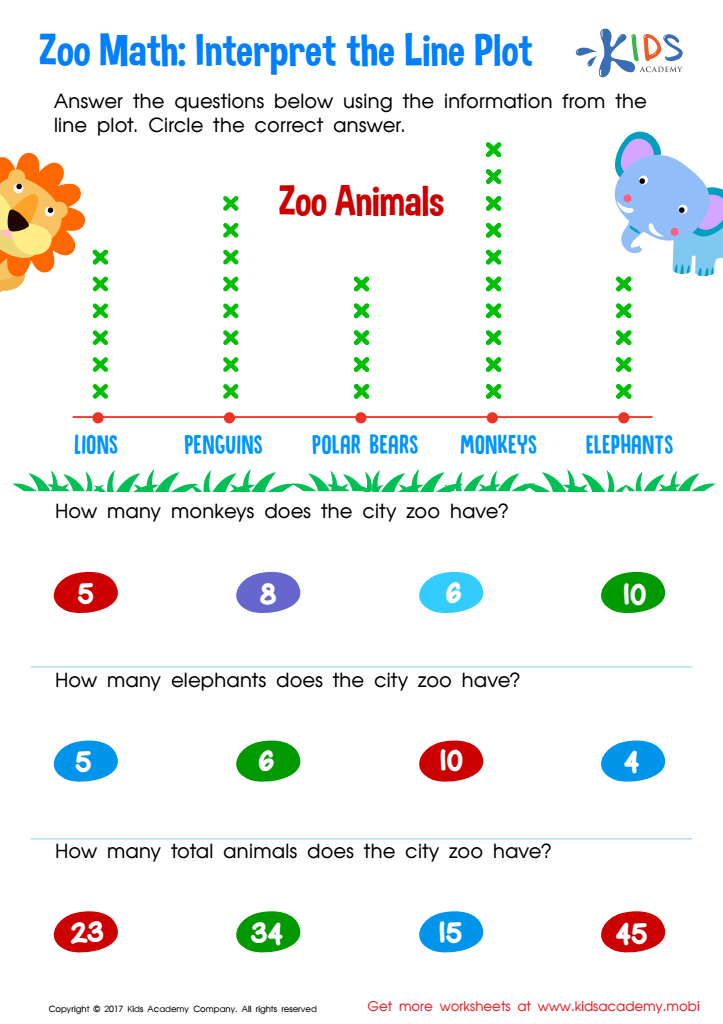
Interpret Line Plot Worksheet
 Assign to My Students
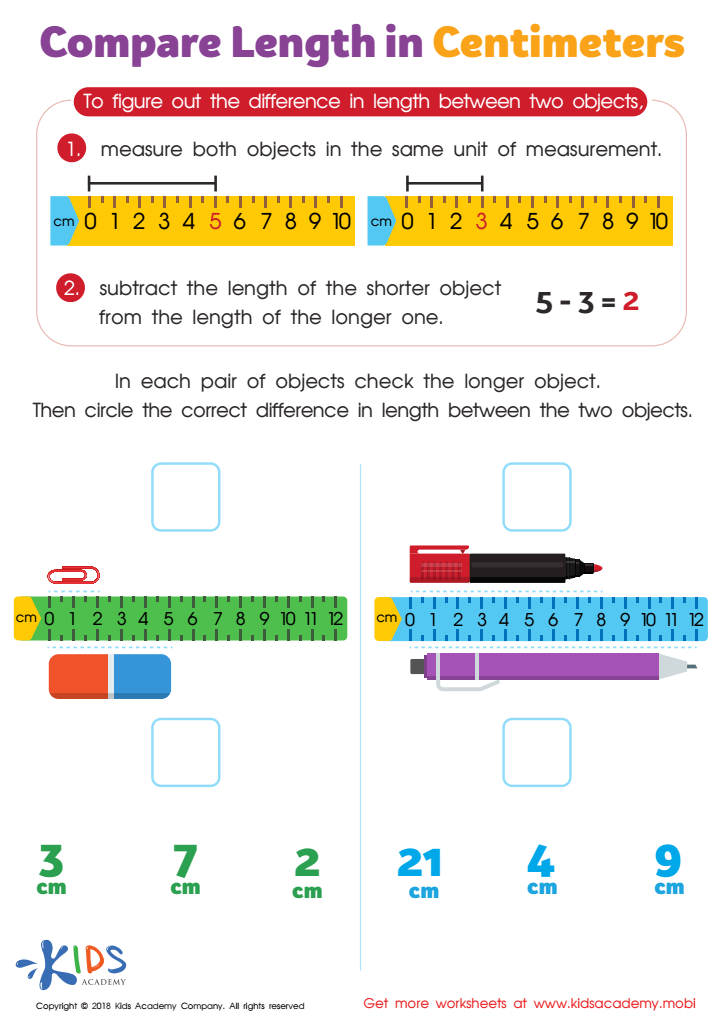
Compare Length in Centimeters Worksheet
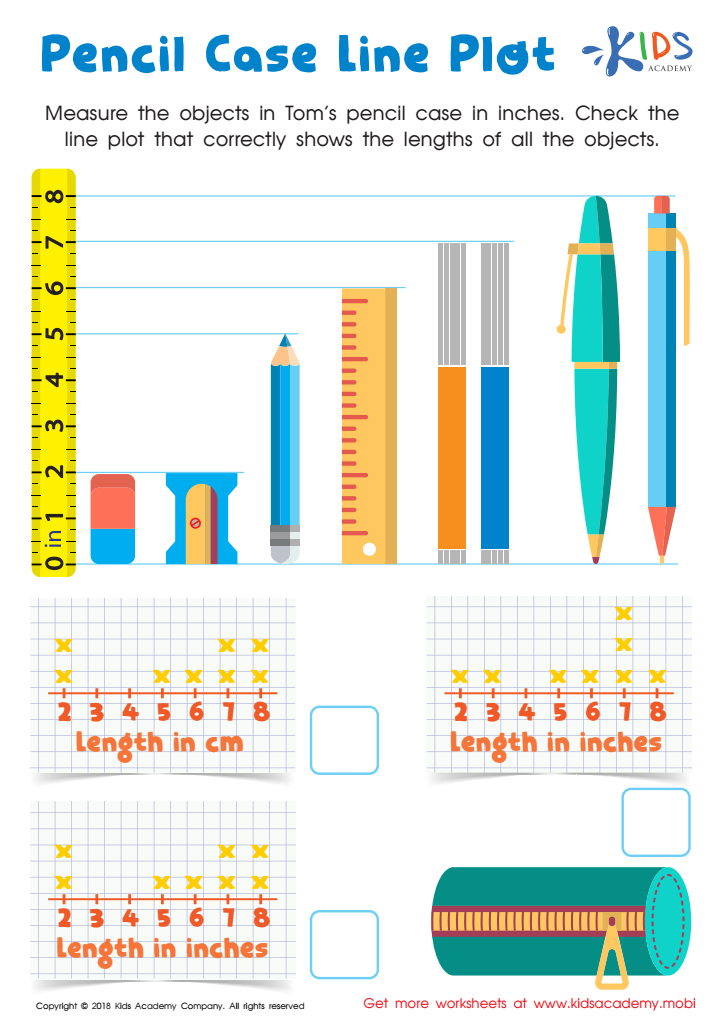
Pencil Case Line Plot Worksheet
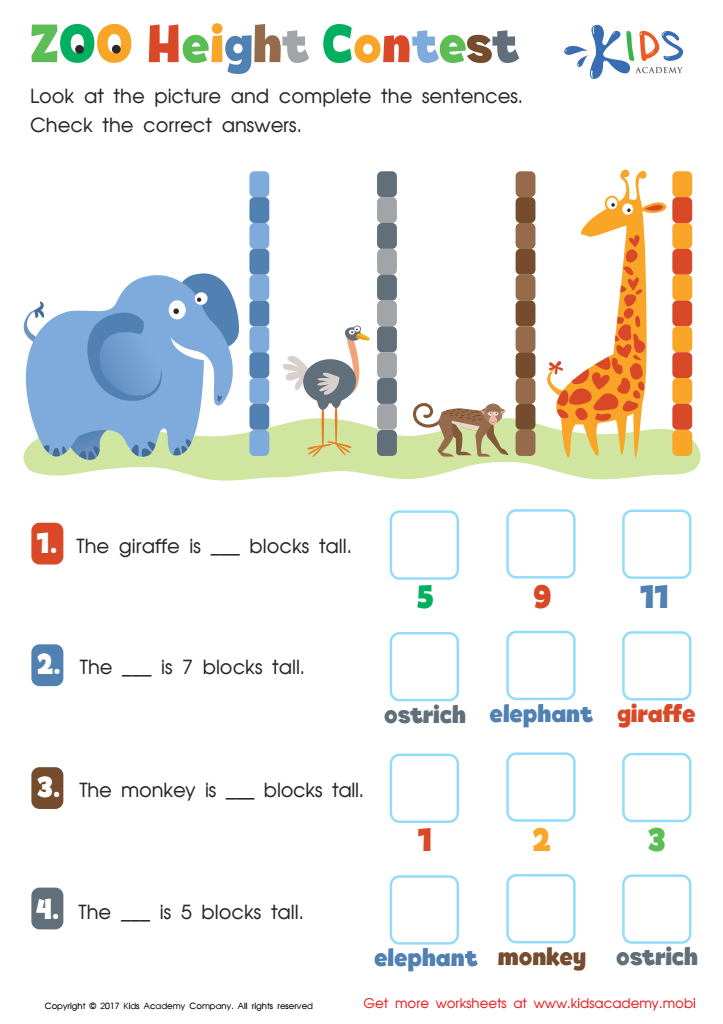
Zoo Height Contest Worksheet
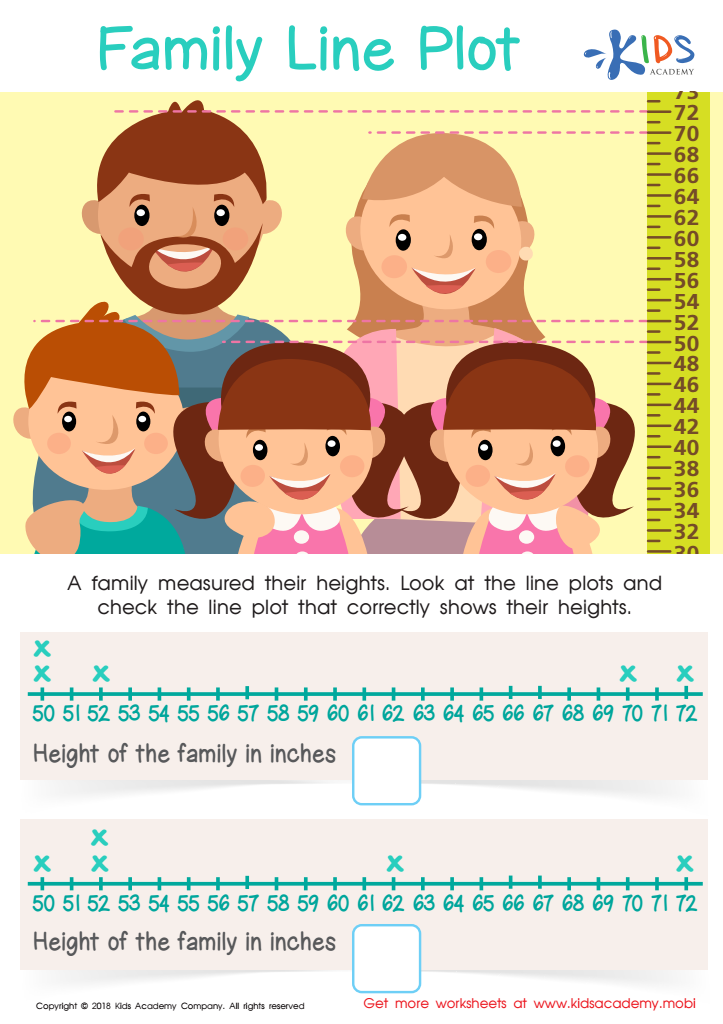
Family Line Plot Worksheet







Interpreting data measurement is crucial for both parents and teachers as it directly impacts student success and educational outcomes. Understanding data allows educators to evaluate student progress, identify learning gaps, and tailor instruction to meet individual needs. By analyzing test scores, assessments, and other relevant metrics, teachers can adapt their teaching strategies to enhance engagement and comprehension, ensuring that all students thrive in their learning environment.
For parents, being involved in data interpretation fosters meaningful discussions about their child's strengths and areas for improvement. It enables parents to support their child's learning journey, motivating them to engage with resources and activities that reinforce skills at home. Additionally, informed parents can advocate for necessary changes or additional support if their child is struggling.
Moreover, effective data interpretation can inform school-wide decisions, facilitating the allocation of resources, teacher professional development, and the development of curricula based on students' needs. In essence, by prioritizing the interpretation of data measurement, both parents and teachers contribute to creating a supportive, responsive educational framework that ensures every child has the opportunity to excel and succeed academically.








