Hand-eye Coordination Numbers up to 100 Worksheets
3 filtered results
-
From - To
Hand-eye Coordination Numbers up to 100 Worksheets are designed to help young learners enhance their fine motor skills while mastering numbers up to 100. These engaging activities encourage children to trace, recognize, and write numbers, fostering precise hand movements and visual tracking. Our expertly crafted worksheets offer fun and educational exercises that support early counting and number recognition, ensuring kids develop both cognitive and physical coordination skills. Perfect for parents and teachers, these printables are an excellent resource for building a strong mathematical foundation in a playful and progressive manner. Explore today to make learning numbers enjoyable!
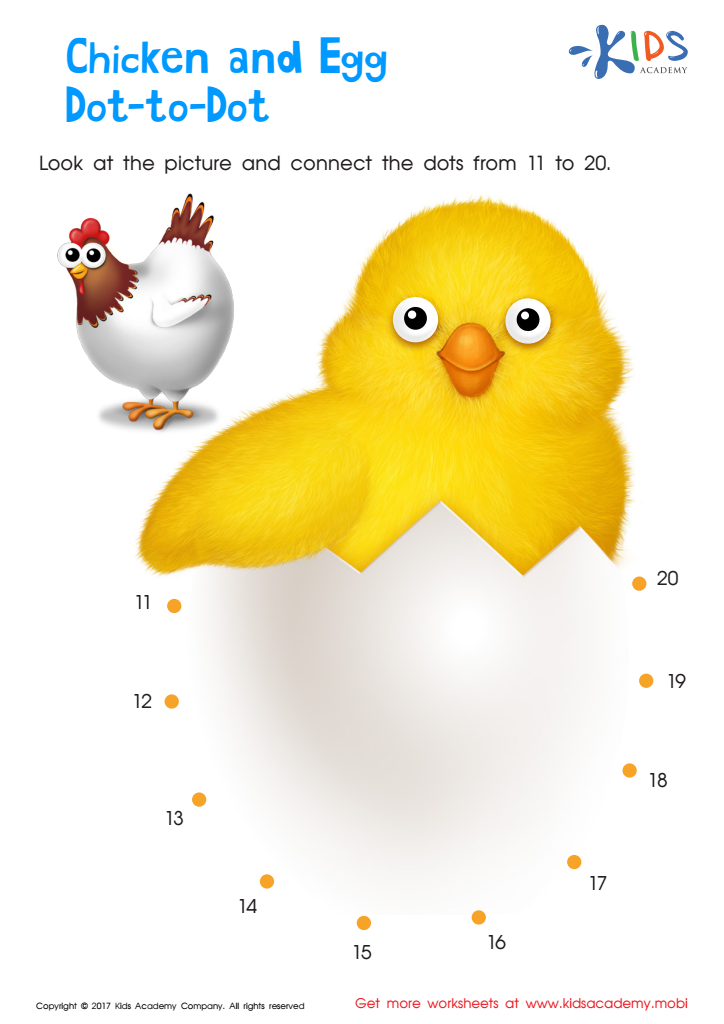
Ordering 11–20: Chicken & Egg Dot–to–dot Worksheet
 Assign to My Students
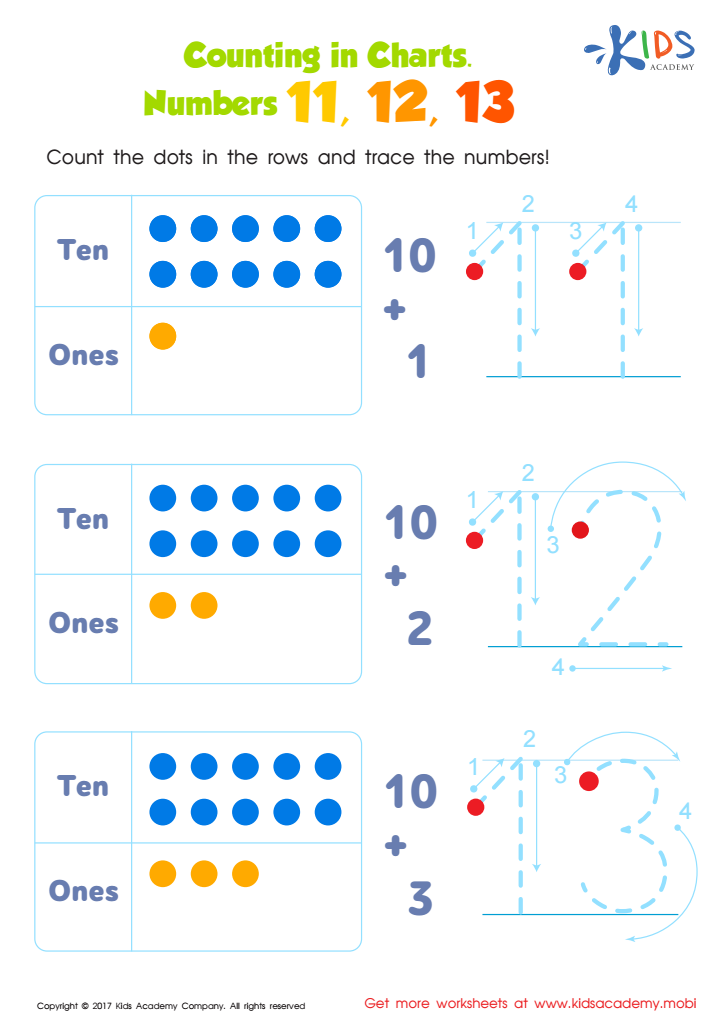
Number Tracing Worksheet For Kindergarten
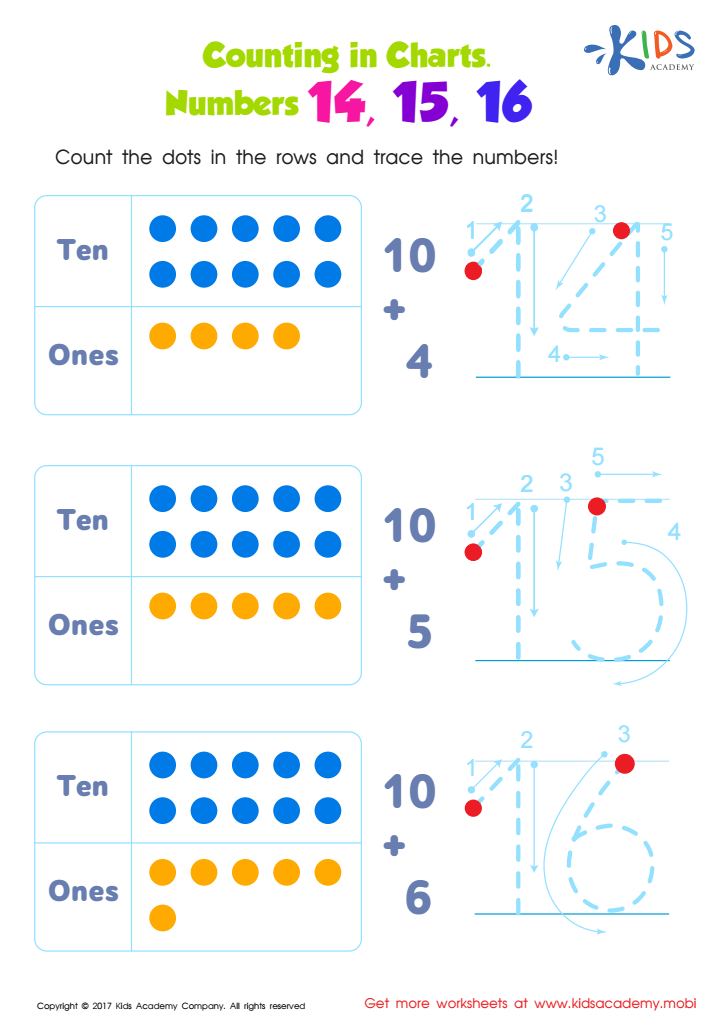
Number Tracing Worksheet




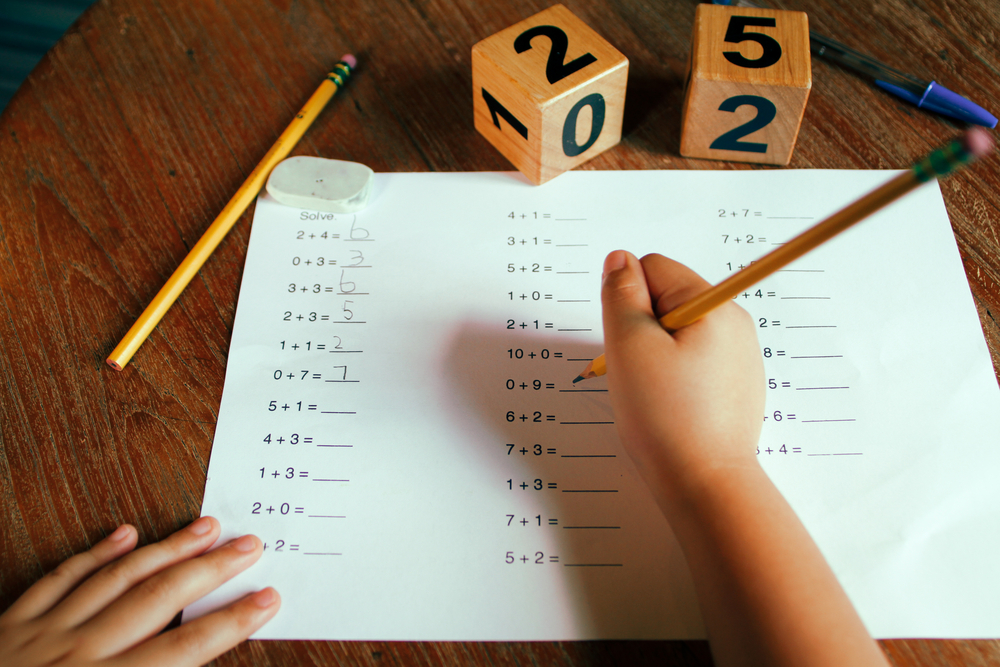


Hand-eye coordination is a crucial skill that plays an essential role in a child's overall development, especially when dealing with numbers up to 100. This coordination involves the integration of visual input and motor control, enabling children to perform tasks that require precision and accuracy. For parents and teachers, fostering solid hand-eye coordination can significantly enhance learning experiences and academic success.
Firstly, children learning numbers up to 100 benefit from engaging activities that require hand-eye coordination, such as tracing numbers, counting objects, or playing interactive games. These activities boost their ability to recognize and write numbers accurately, laying a strong foundation for future math skills. Good hand-eye coordination also positively impacts reading ability by aiding in word tracking and text comprehension, both related essential skills.
Additionally, superior hand-eye coordination can enhance a child’s ability in sports and other recreational activities, which promote social interaction and physical health. This, in turn, builds self-confidence and encourages a positive attitude toward learning and trying new tasks.
In conclusion, parents and educators should actively promote hand-eye coordination because it supports children in crucial areas of academic performance and personal development. By ensuring children are proficient in this skill, they set the stage for more effective learning and overall well-rounded development.