Visual perception Numbers up to 100 Worksheets
4 filtered results
-
From - To
Our "Visual Perception Numbers up to 100 Worksheets" are designed to enhance your child’s understanding of numbers through engaging and interactive activities. These worksheets utilize visual learning techniques to help children identify, compare, and manipulate numbers up to 100. With fun graphics and clear instructions, the exercises boost essential skills such as number recognition, counting, and critical thinking. Perfect for early learners and educators, these resources contribute to a well-rounded mathematical foundation. Encourage your child's number sense and visual discrimination abilities with our thoughtfully crafted worksheets, making learning enjoyable and effective. Explore our collection and watch your child thrive in math!
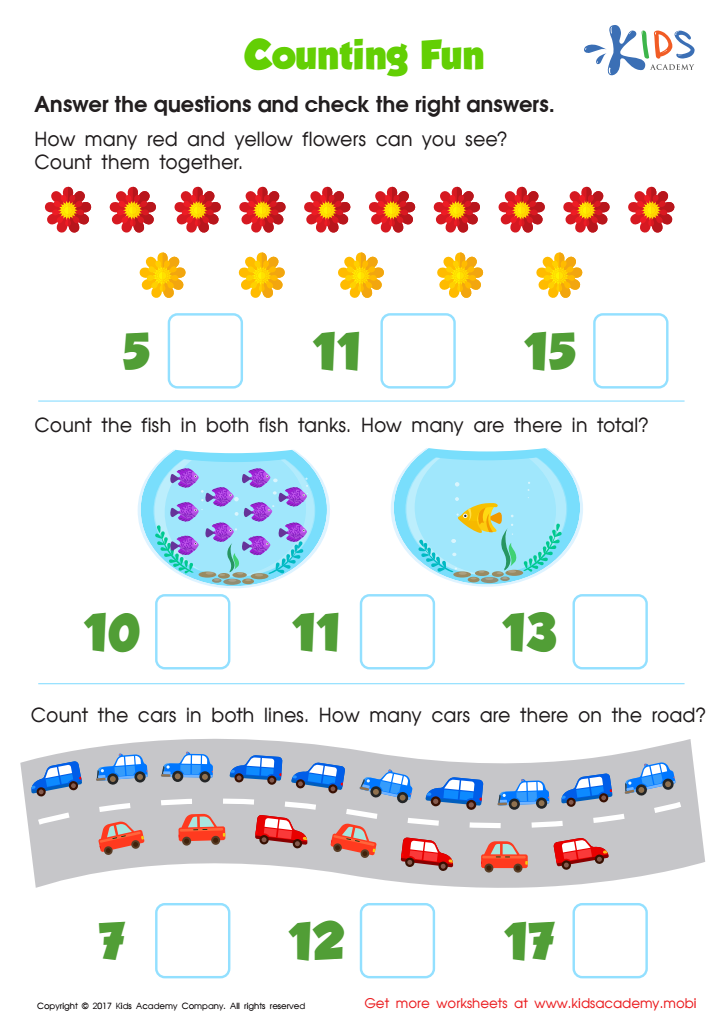
Counting Fun Worksheet
 Assign to My Students
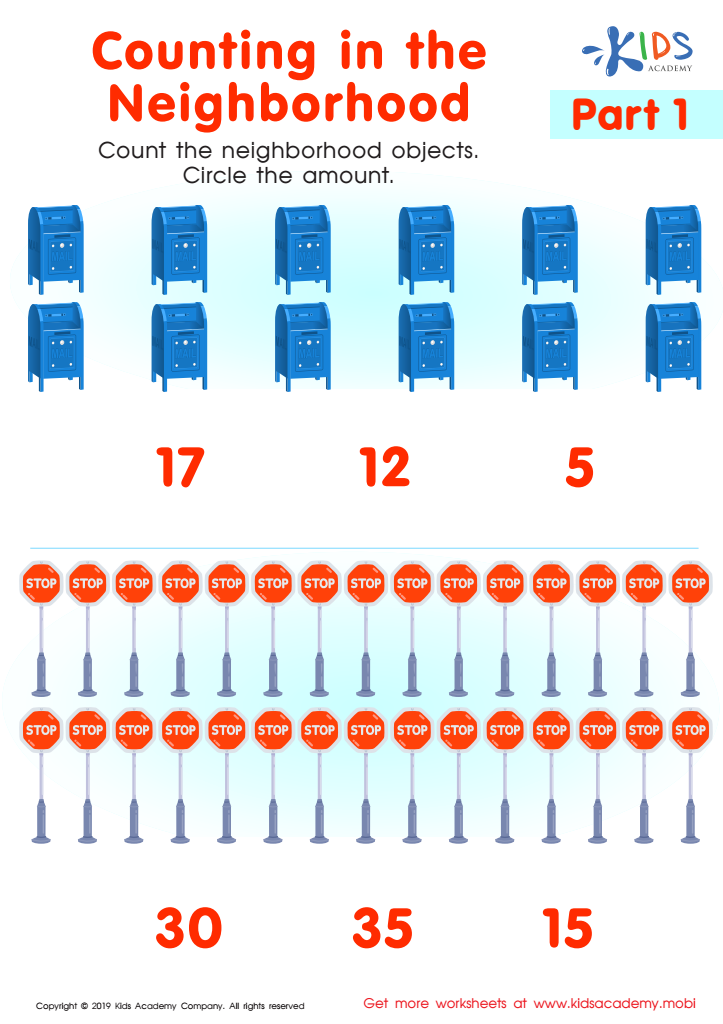
Counting in the Neighborhood Part1 Worksheet
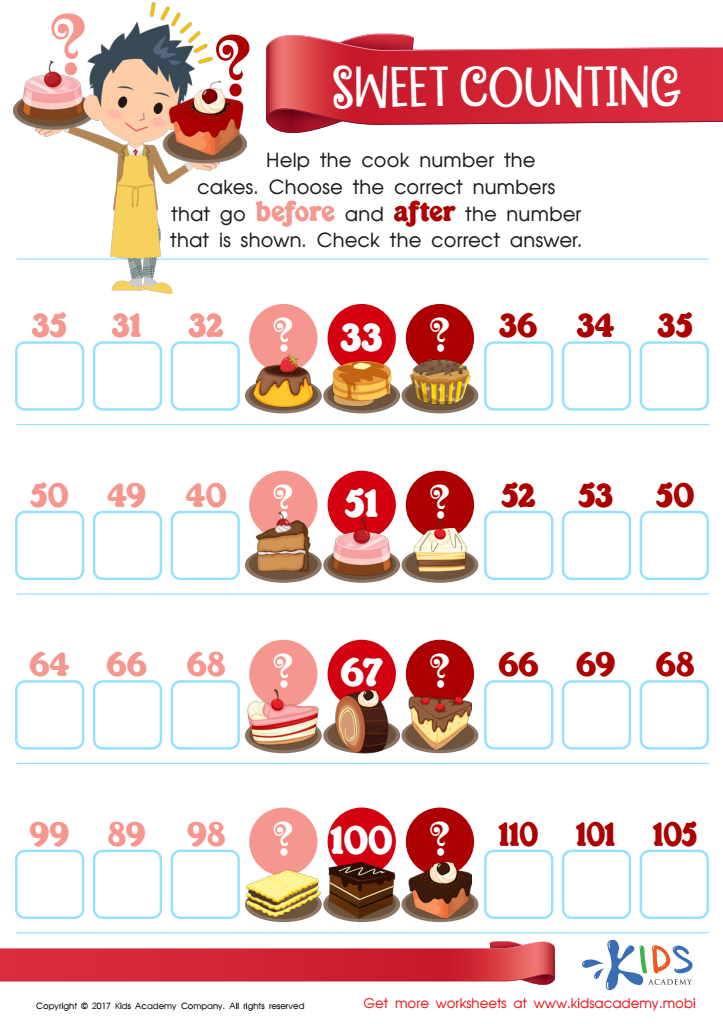
Sweet Counting - Part 1 Worksheet
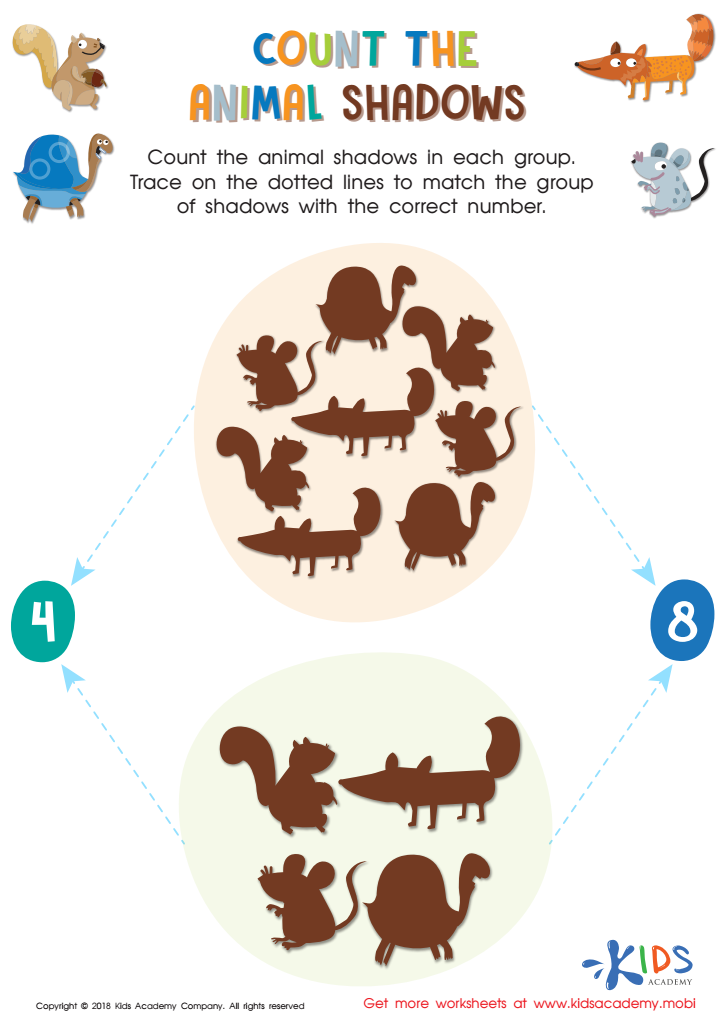
Count the Animal Shadows Worksheet




%20(1).jpg)


Visual perception is a critical skill for children, particularly when it comes to understanding and working with numbers up to 100. Parents and teachers should care about this because it forms the foundation for many important academic skills, especially in math. Visual perception allows children to recognize, analyze, and interpret visual information, enabling them to identify numbers, patterns, and quantities.
Understanding visual perception helps children develop number sense, an essential ability to comprehend how numbers relate to one another. This understanding lays the groundwork for more complex mathematical concepts and operations, such as addition, subtraction, and even early algebra.
Moreover, strong visual perception skills contribute to improved problem-solving abilities and logical reasoning, helping children tackle math-related challenges more confidently. In group settings, like classrooms, children with enhanced visual perception are often better at working collaboratively and sharing ideas, further enhancing their social and cognitive development.
Lastly, recognizing the importance of visual perception can guide parents and teachers in incorporating targeted activities and games that strengthen these skills, ensuring their children are equipped for academic success. By fostering visual perception, adults play a vital role in nurturing a child's overall learning journey.