Problem-Solving Skills Skip Counting Worksheets
4 filtered results
-
From - To
Enhance your child’s math proficiency with our Problem-Solving Skills Skip Counting Worksheets! Designed for early learners, these engaging resources help children practice skip counting while developing critical thinking and problem-solving abilities. Through a variety of interactive exercises, students will explore patterns, improve their counting rhythm, and strengthen their number sense. Each worksheet is tailored to make learning fun and effective, providing a solid foundation for future math concepts. Perfect for teachers and parents alike, these worksheets promote independent learning and confidence in mathematics. Download our printable worksheets today and watch your child excel in their problem-solving journey!
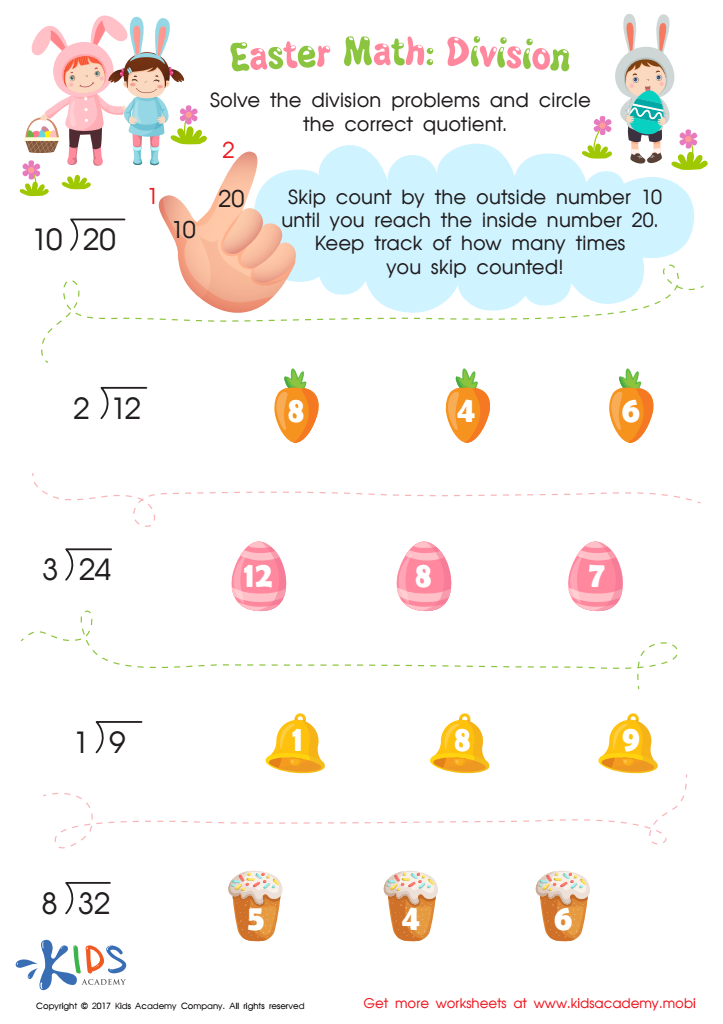
Division Worksheet
 Assign to My Students
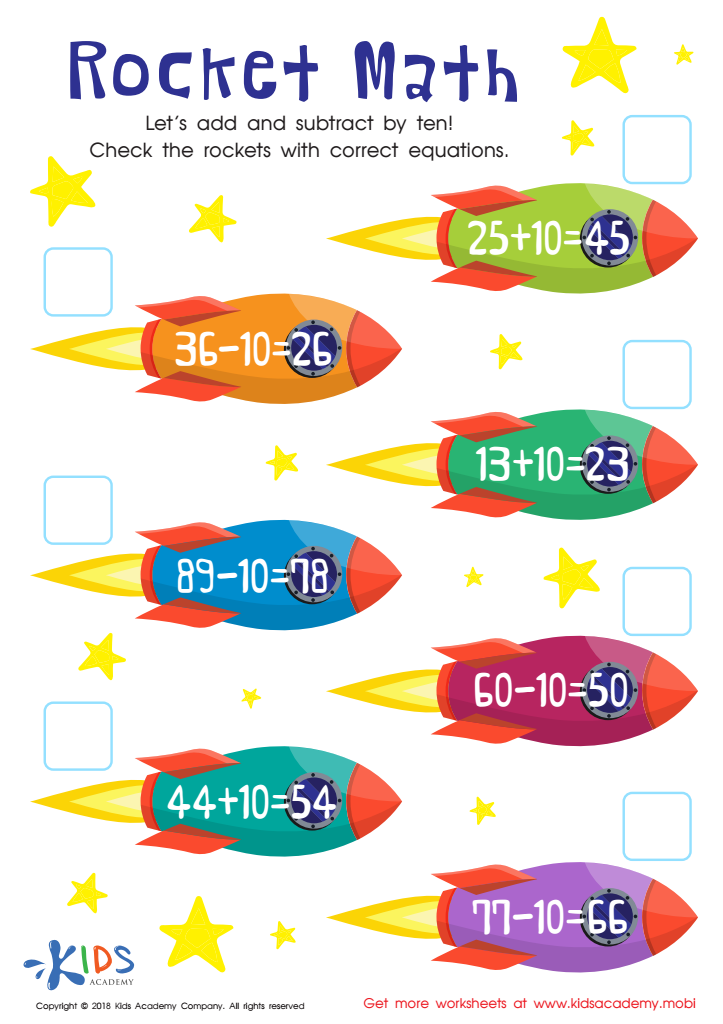
Rocket Math Worksheet
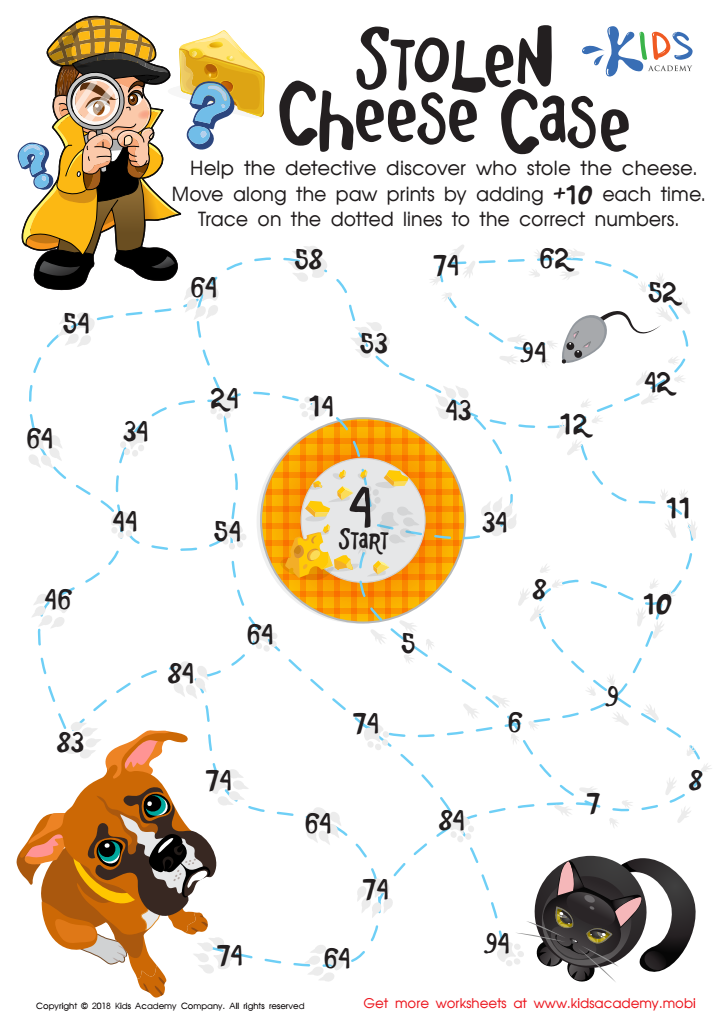
Stolen Cheese Case Maze Worksheet
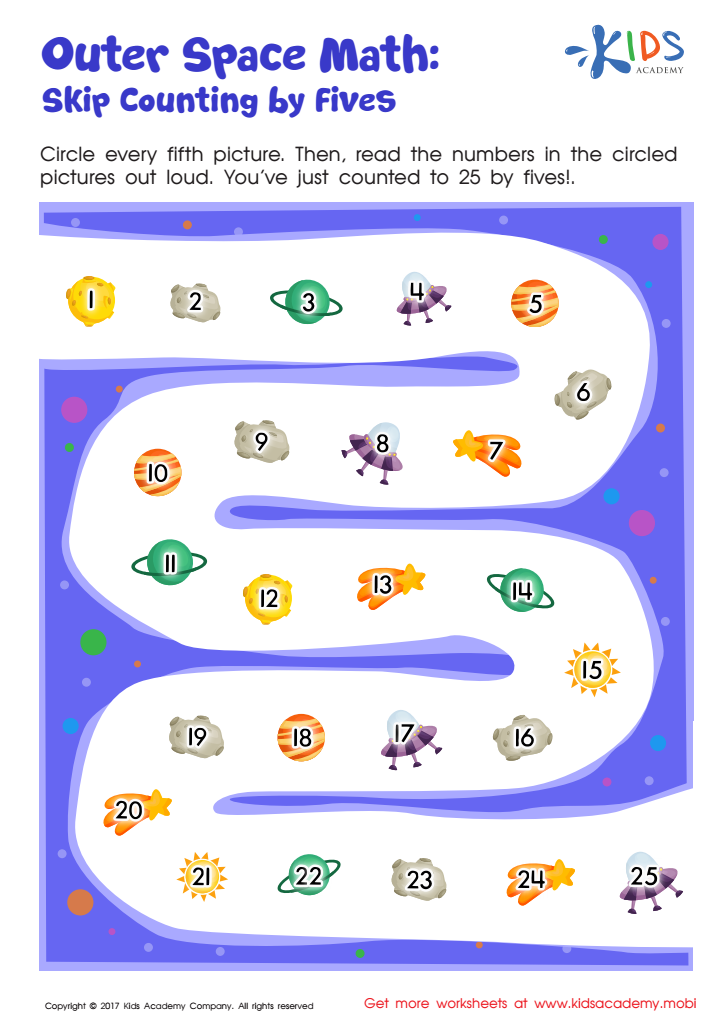
Skip Counting by 5s: Outer Space Math Printable








Parents and teachers should prioritize teaching problem-solving skills and skip counting because they are foundational elements in a child's mathematical development and overall cognitive abilities. Skip counting, the process of counting by numbers other than one (such as twos, fives, or tens), enhances numerical fluency, helping children recognize patterns and sequences. This skill forms the basis for more complex mathematical operations, including addition and multiplication, ultimately boosting confidence in math.
Moreover, problem-solving skills foster critical thinking and resilience. When children encounter challenges, employing systematic approaches like skip counting enables them to break down problems into manageable components. This step-by-step reasoning not only assists in mathematics but applies to real-world situations as well.
Additionally, solid problem-solving abilities equip children with tools necessary for academic success across subjects, as they learn to analyze situations, identify solutions, and evaluate outcomes. Encouraging these skills from an early age supports lifelong learning and adaptability.
Ultimately, the development of problem-solving skills and skip counting is crucial for nurturing self-sufficient, confident learners. When parents and teachers actively engage in this process, they contribute to building a strong foundation for their children's future educational journeys.








