Reading readiness Normal Alphabet Worksheets for Ages 3-4
4 filtered results
-
From - To
Our "Reading Readiness: Normal Alphabet Worksheets for Ages 3-4" are designed to help your preschooler develop essential pre-reading skills. Tailored specifically for young learners, these worksheets introduce alphabet recognition, letter sounds, and basic phonics through engaging activities. Each worksheet is crafted to captivate children’s interest while supporting cognitive development and fine motor skills. Ideal for parents and educators, these printables foster a love for reading, paving the way for your child’s future academic success. Explore our comprehensive collection and empower your little one with the foundational tools needed for reading fluency. Start nurturing your child's literacy journey today!
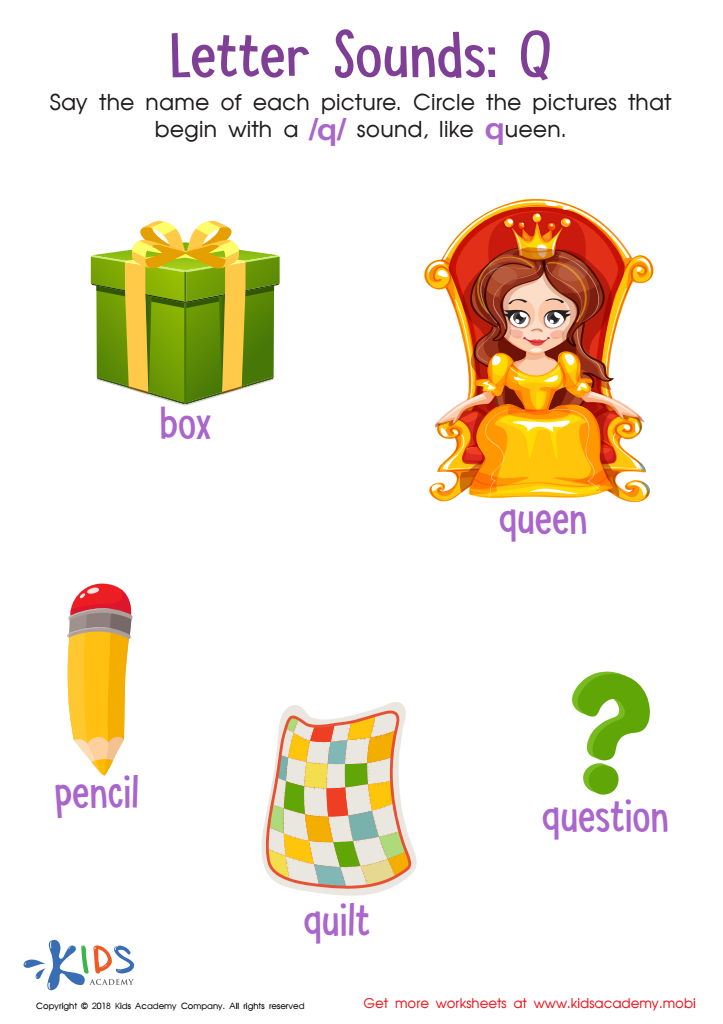
Letter Q Sounds Worksheet
 Assign to My Students
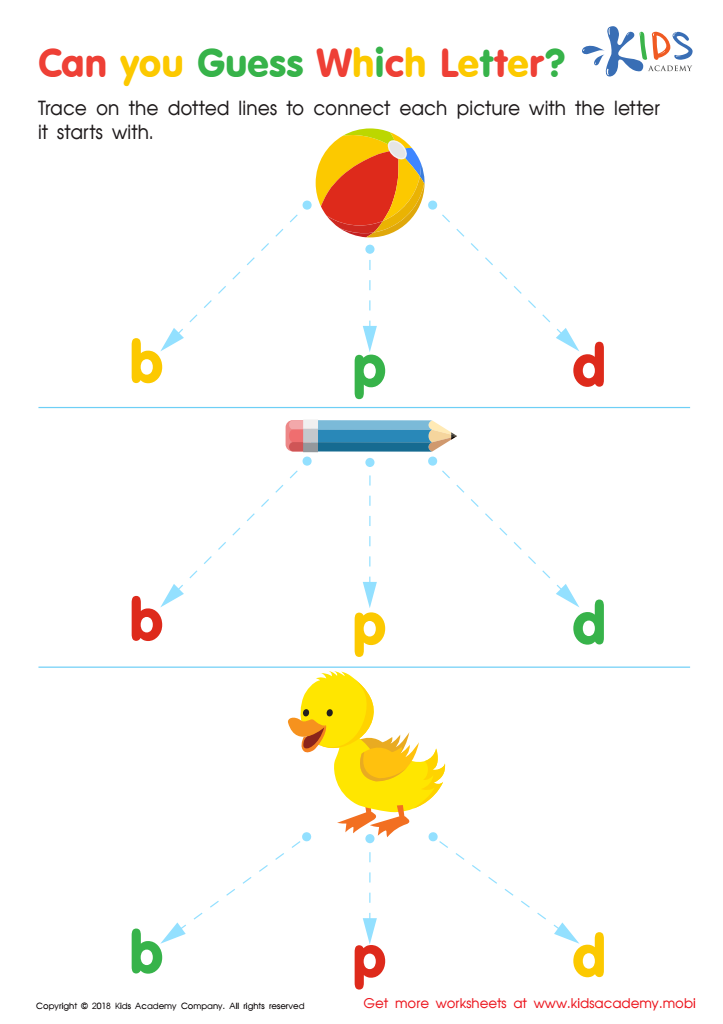
Can you Guess Which Letter? Worksheet
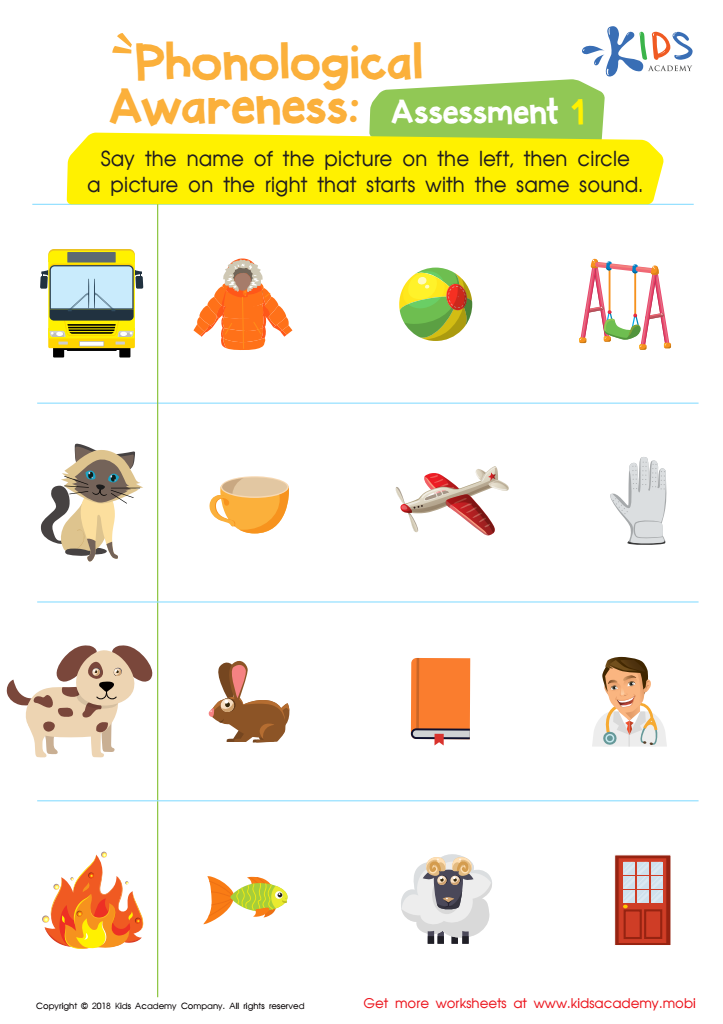
Phonological Awareness: Assessment 1 Worksheet
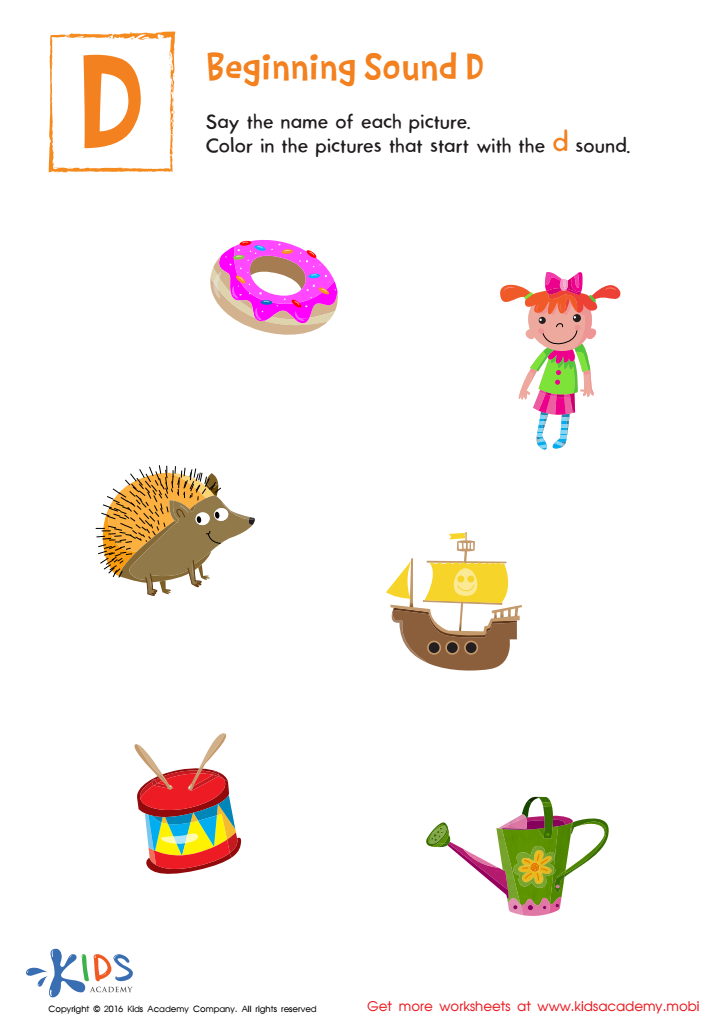
Beginning Sound D Worksheet






Parents and teachers should deeply care about reading readiness in preschoolers as it lays a vital foundation for their future academic success and lifelong learning. For ages 3-4, children are in a crucial developmental stage where they are highly receptive to new information and experiences. Reading readiness at this age does not mean they must start reading books independently but involves basic skills like recognizing letters, understanding that print has meaning, and developing phonemic awareness.
Fostering these skills should begin with the normal alphabet. By introducing children to letter names and sounds, we strengthen their basic literacy foundations necessary for future word recognition. Engaging in activities that include naming alphabets, singing alphabet songs, and practicing letter-associated crafts can ignite an early interest in reading.
Furthermore, early literacy experiences influence critical thinking and comprehension skills. These skills are essential for problem-solving and understanding complex ideas later in life. Addressing reading readiness for young children typically increases their attentiveness, concentration, and memory skills.
Finally, the social-emotional aspect isn't negligible. Success early on can boost a child’s confidence and enthusiasm towards learning while preventing potential struggles and frustrations when they reach formal schooling. Encouraging reading readiness helps provide a balanced, supportive environment conducive to holistic growth.







