Alphabet Recognition Normal Worksheets for Ages 3-4 - Page 2
42 filtered results
-
From - To
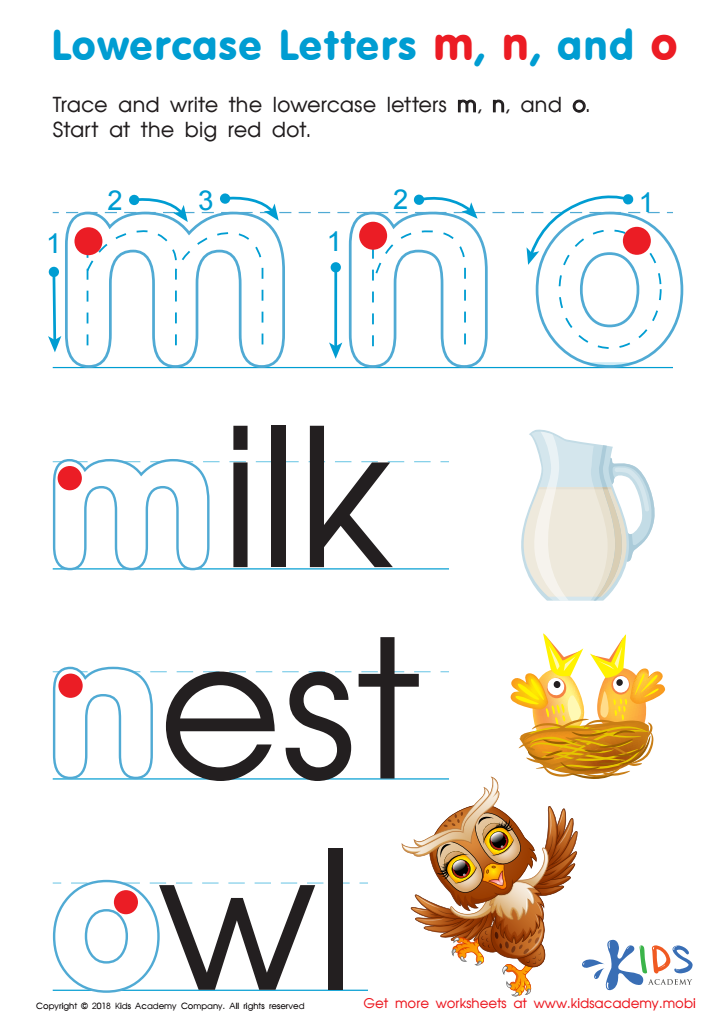
Lowercase Letters m n o Worksheet
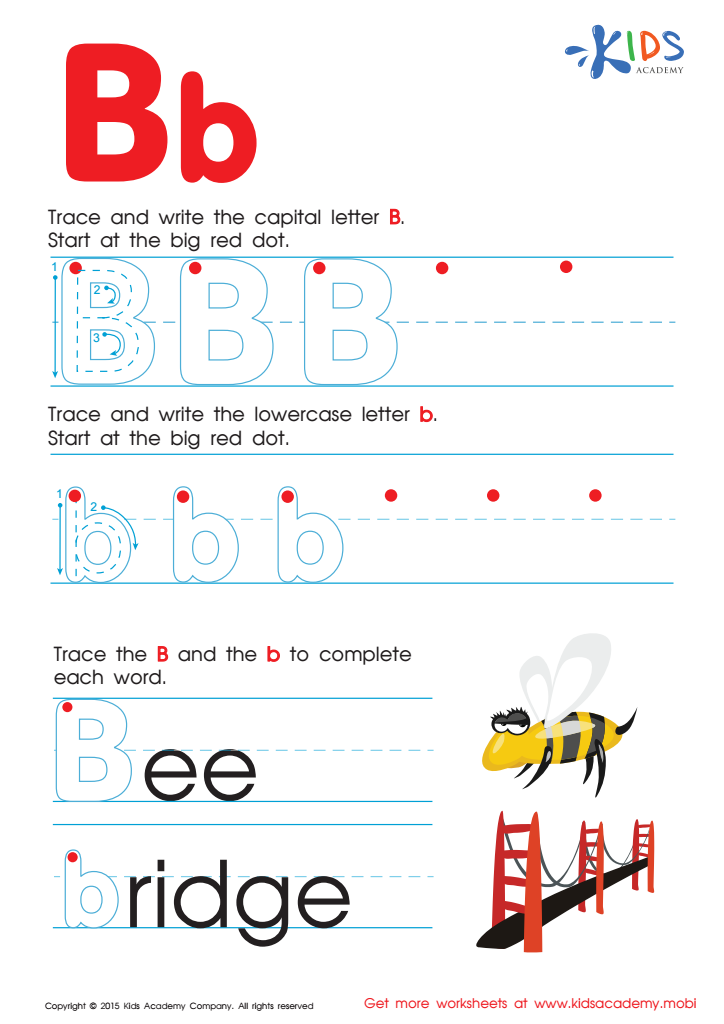
Letter B Tracing Page
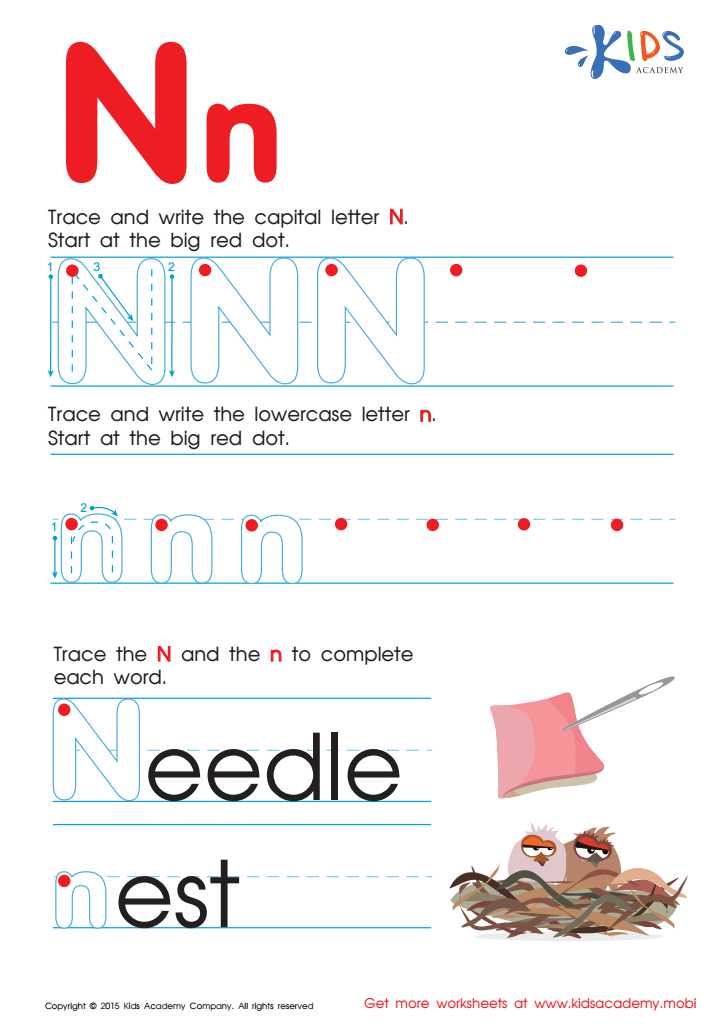
Letter N Tracing Page
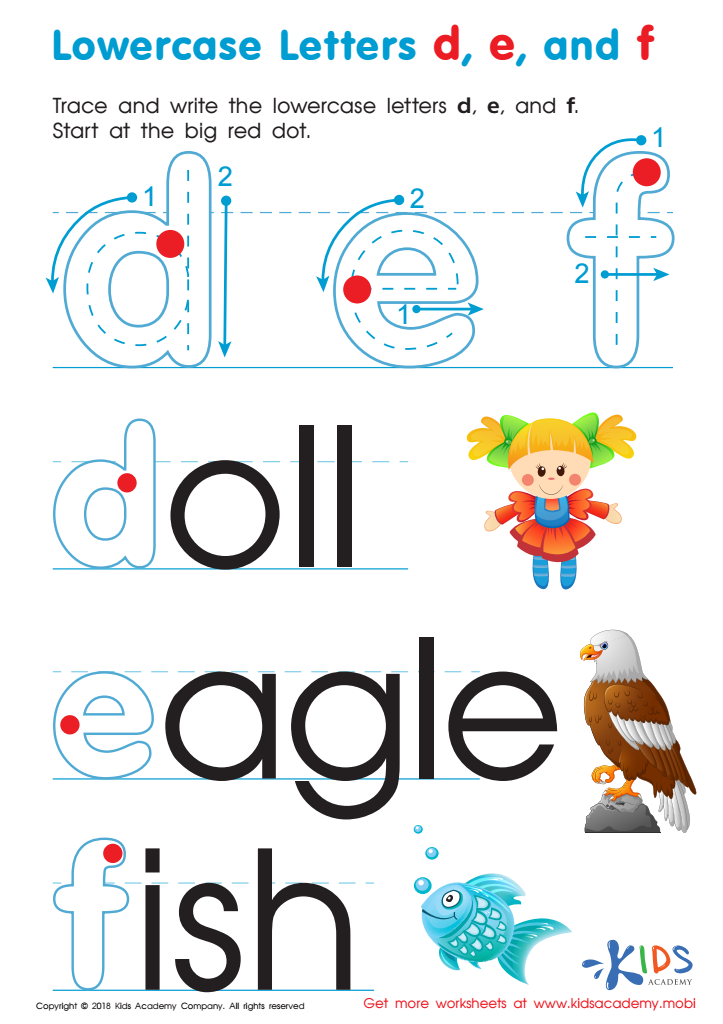
Lowercase Letters d e f Worksheet
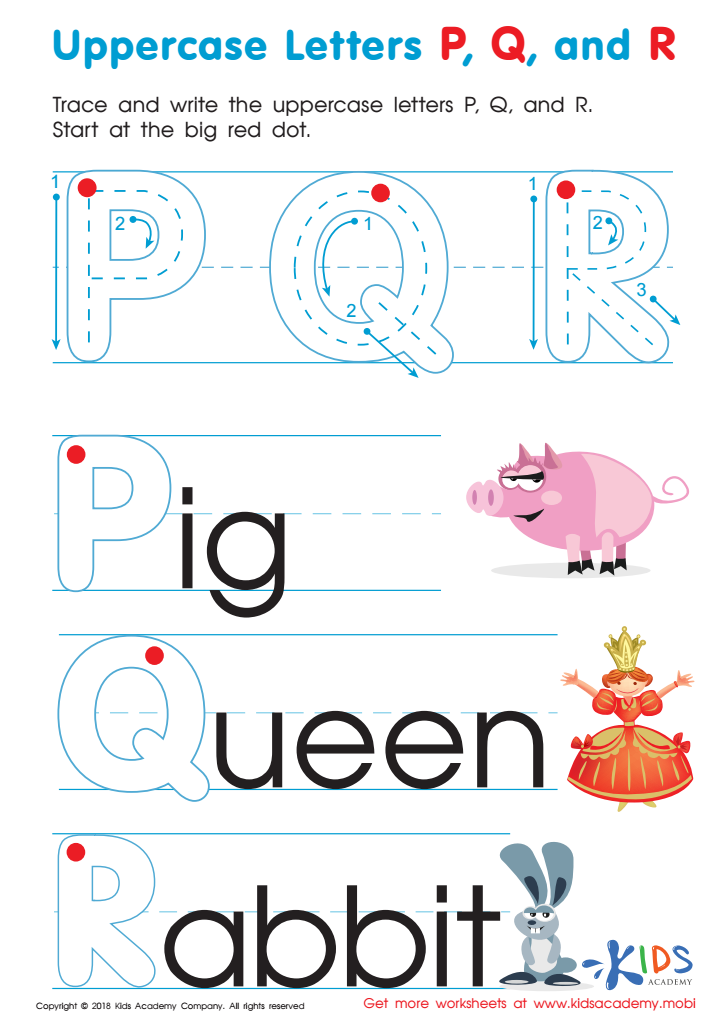
Uppercase Letters P, Q, and R Worksheet
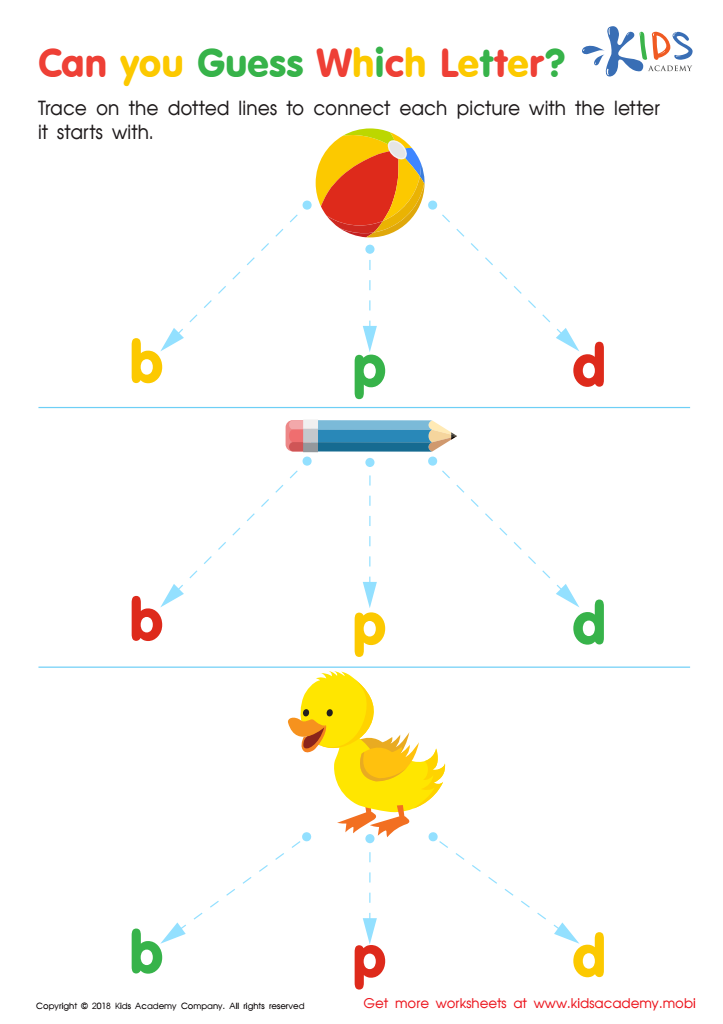
Can you Guess Which Letter? Worksheet
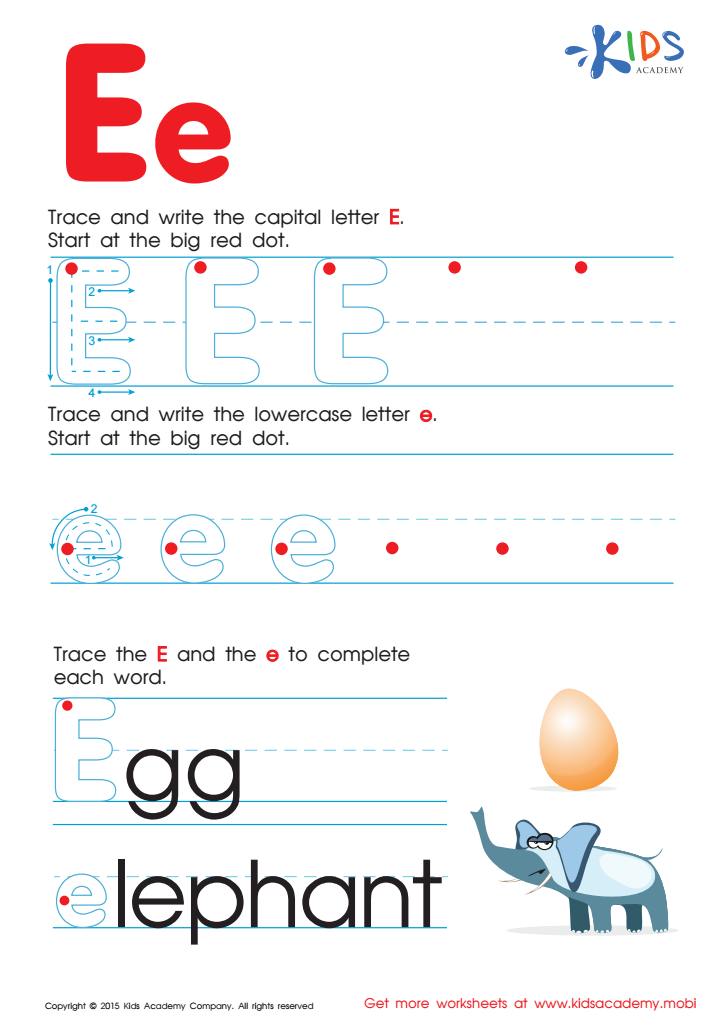
Letter E Tracing Page
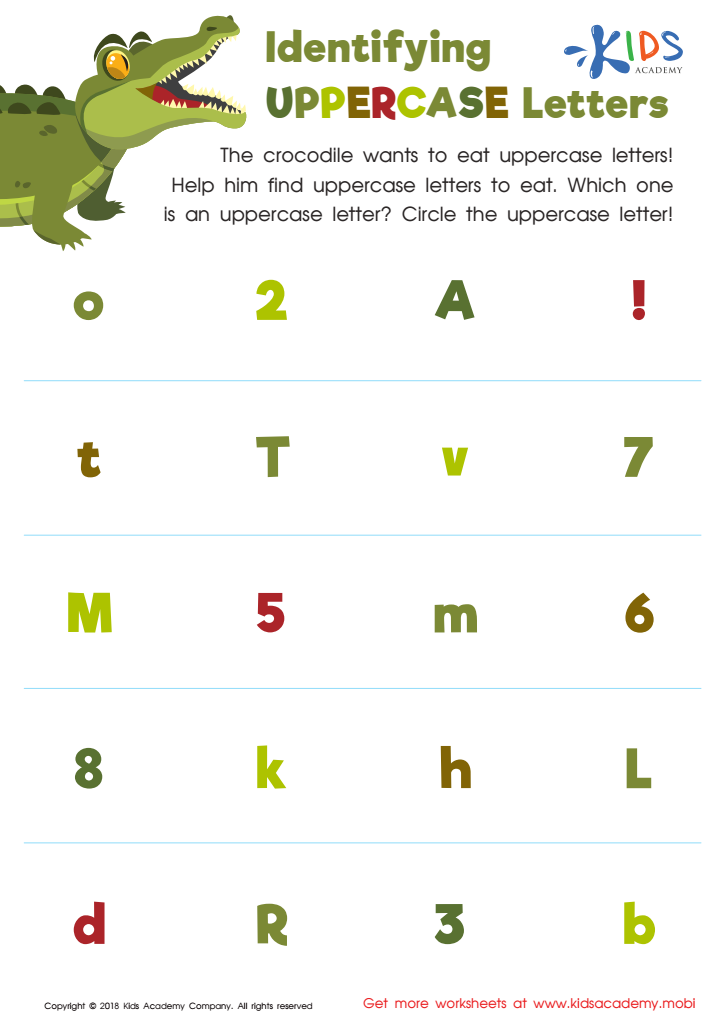
Identifying Uppercase Letters Worksheet
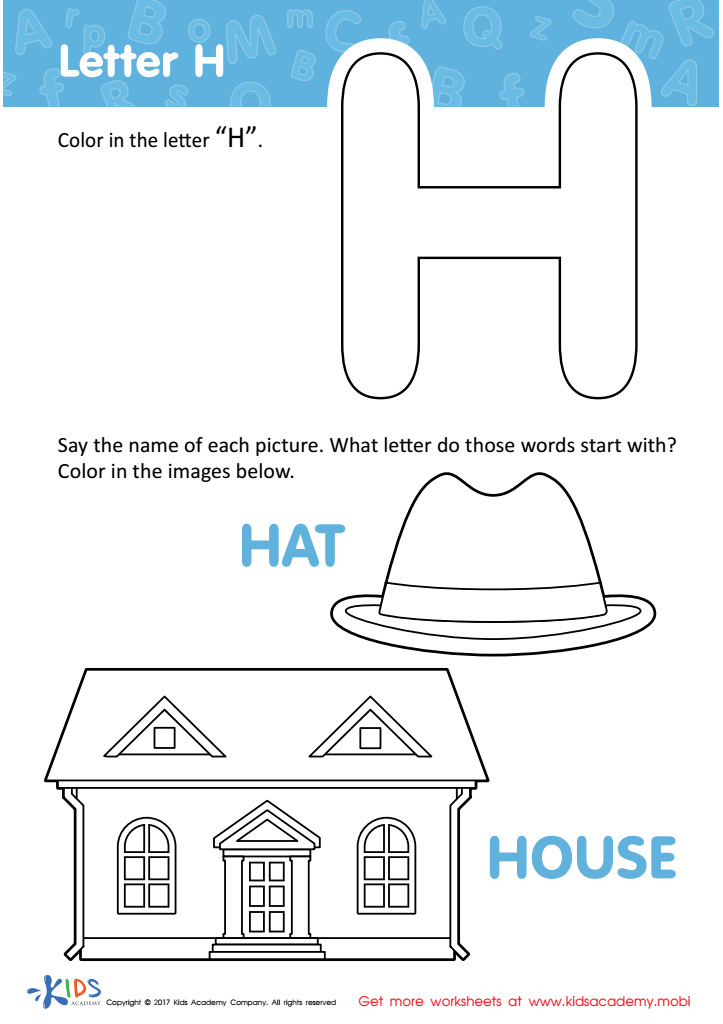
Letter H Coloring Sheet
 Assign to My Students
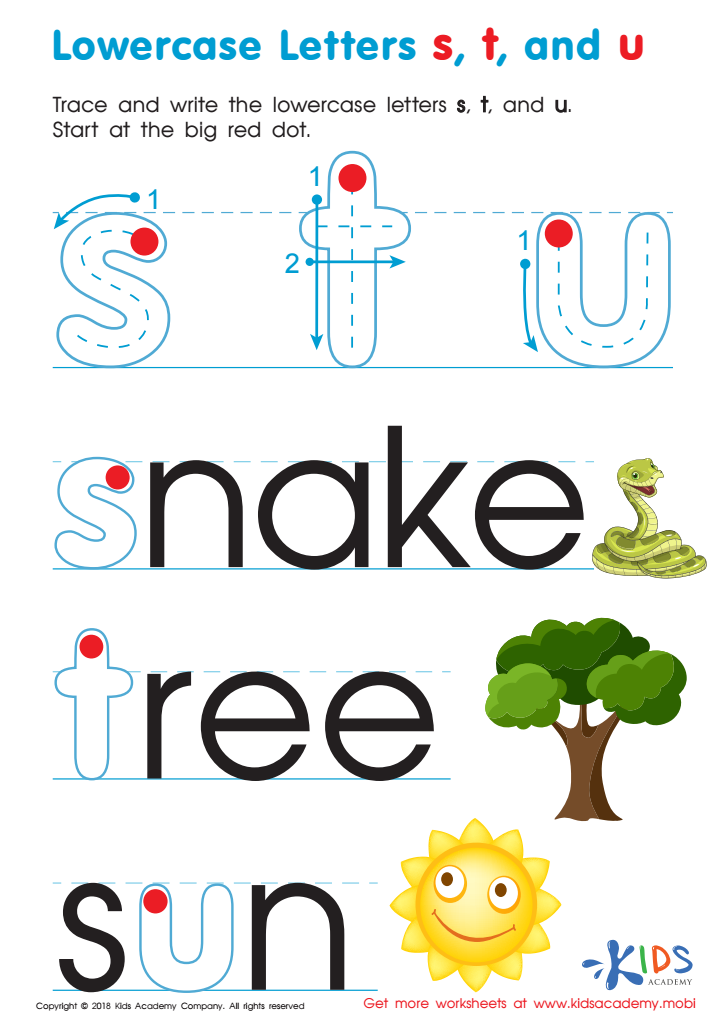
Lowercase Letters s t u Worksheet
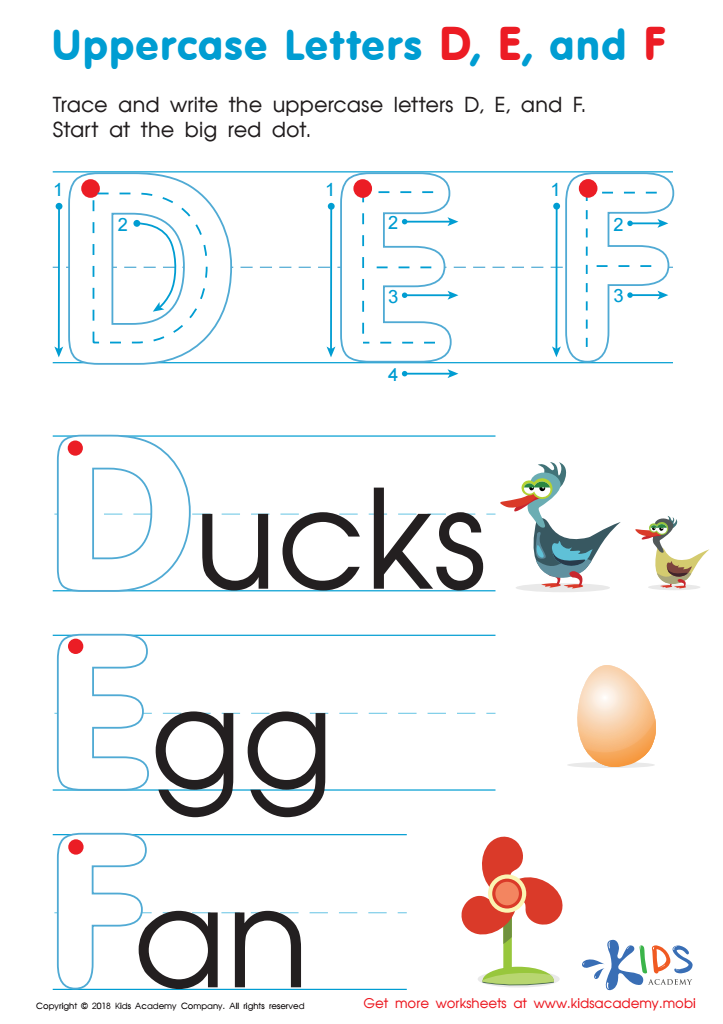
Uppercase Letters D, E, and F Worksheet
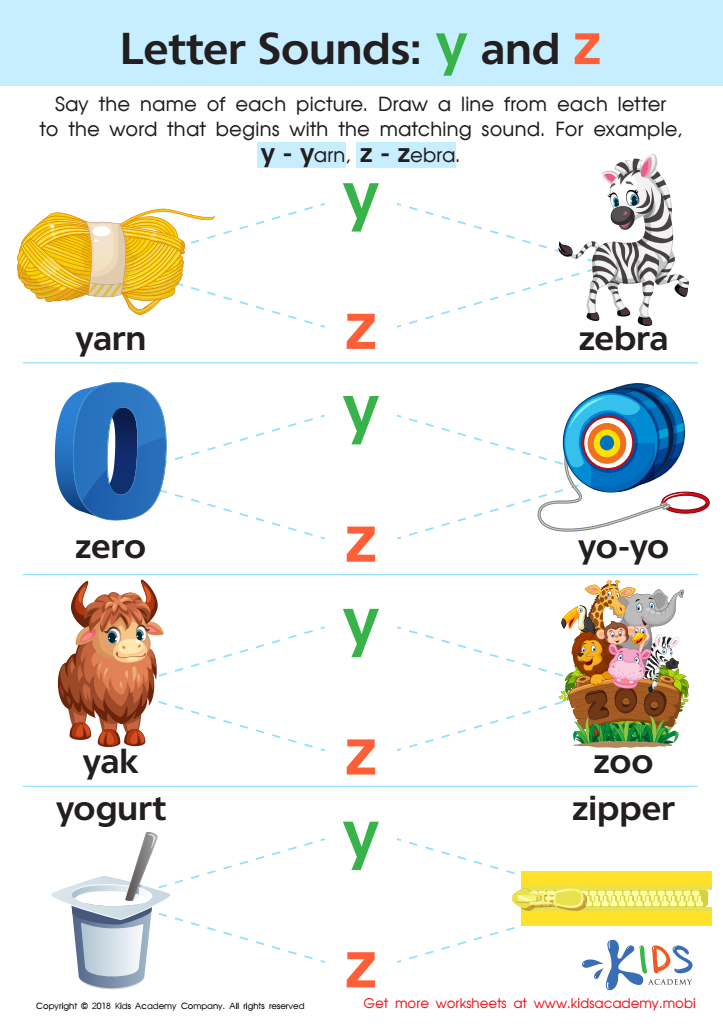
Letter Y and Z Sounds Worksheet
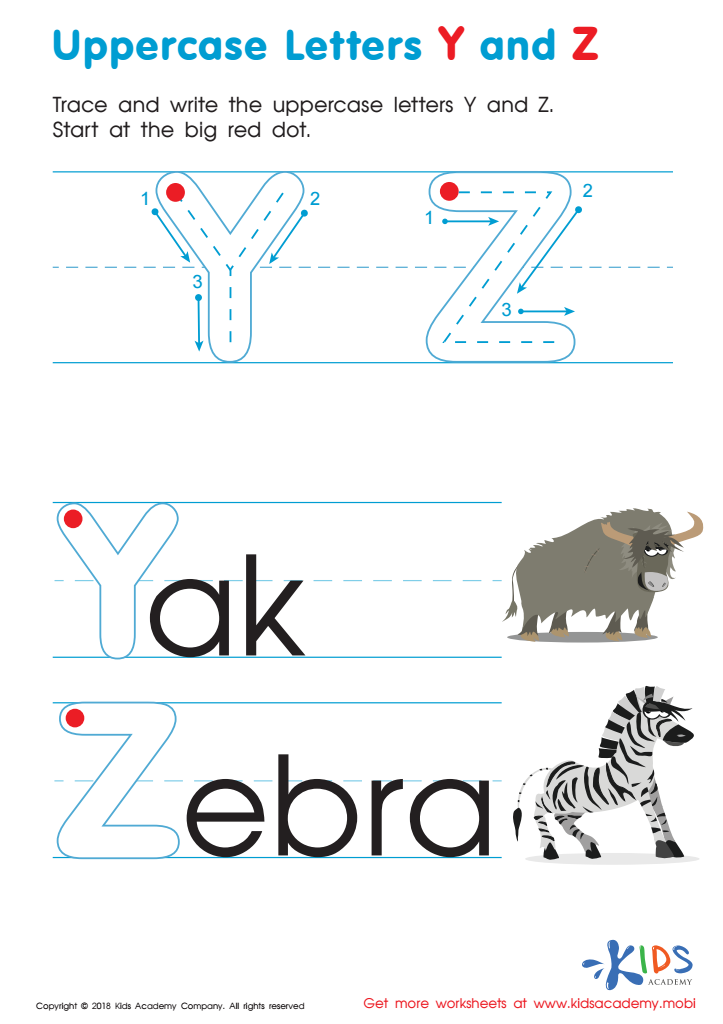
Uppercase Letters Y Z Worksheet
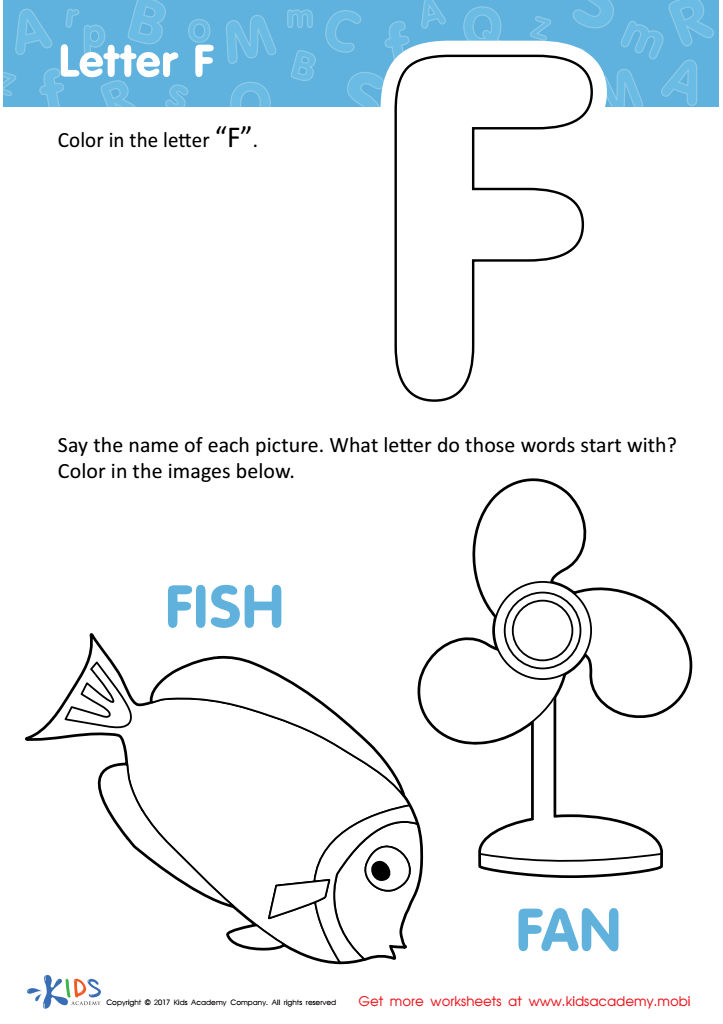
Letter F Coloring Sheet
Assign to My Students
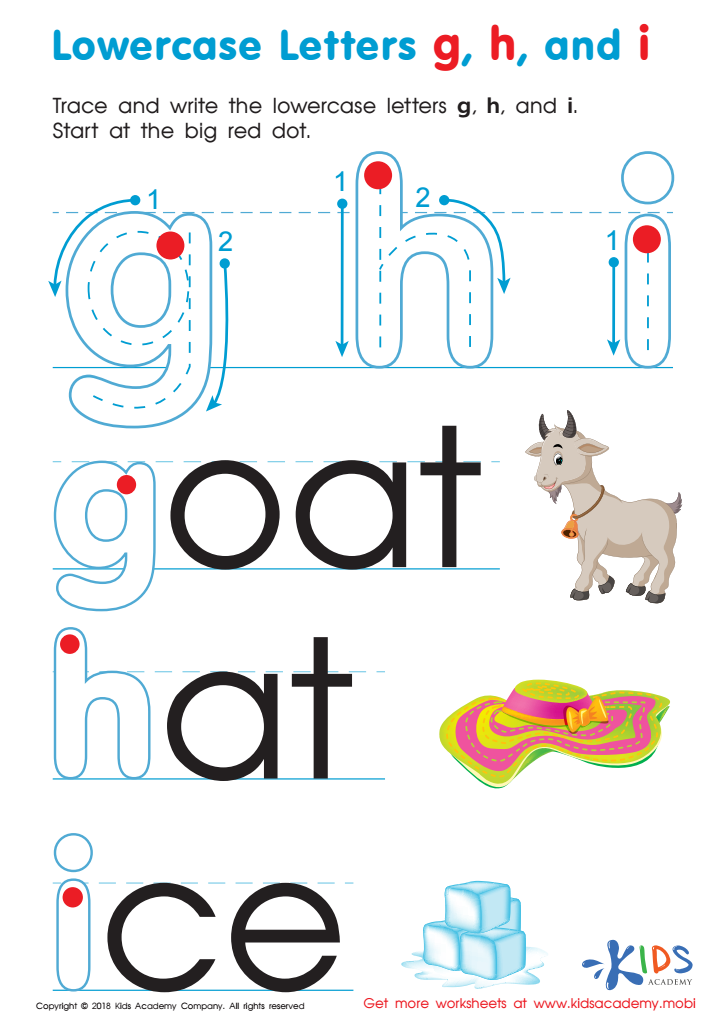
Lowercase Letters g h i Worksheet
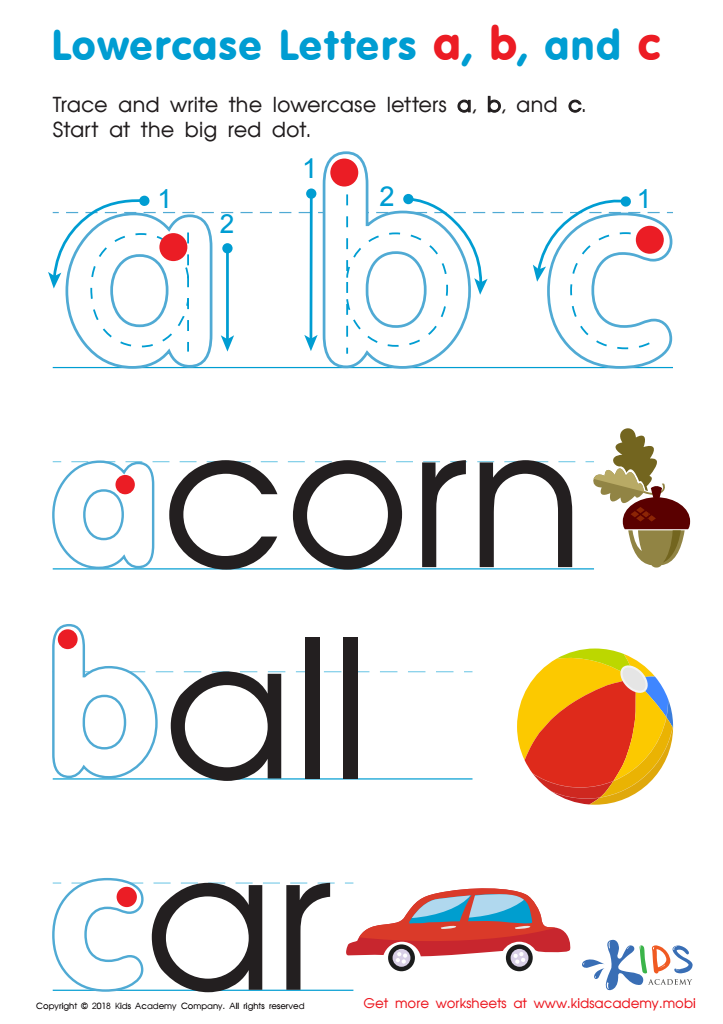
Lowercase Letters a b c Worksheet
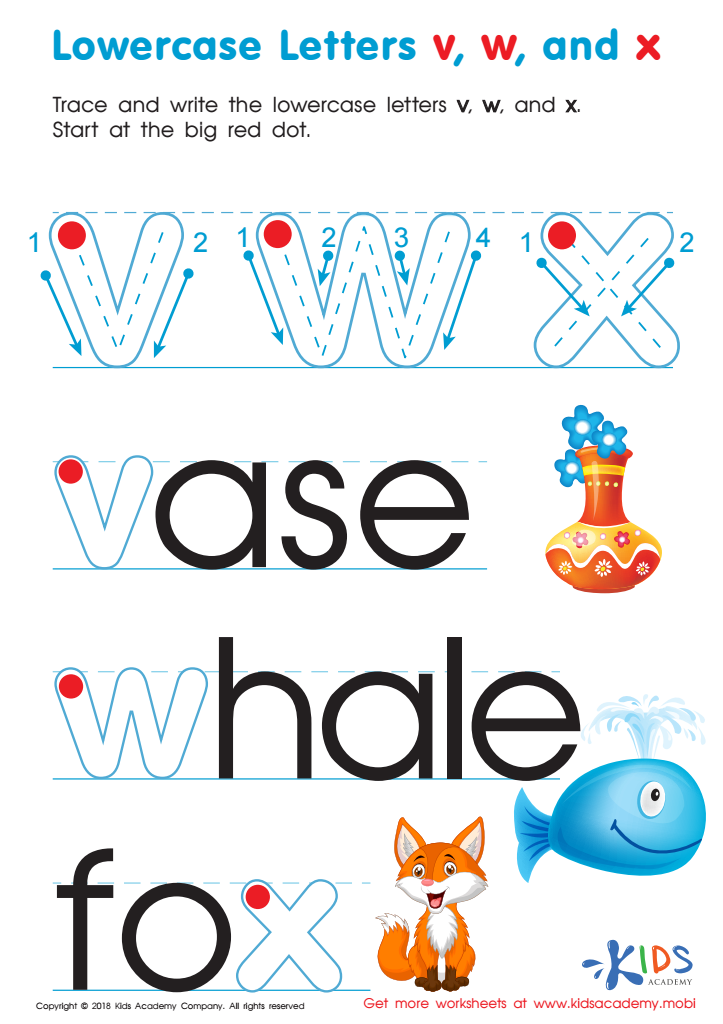
Lowercase Letters v w x Worksheet
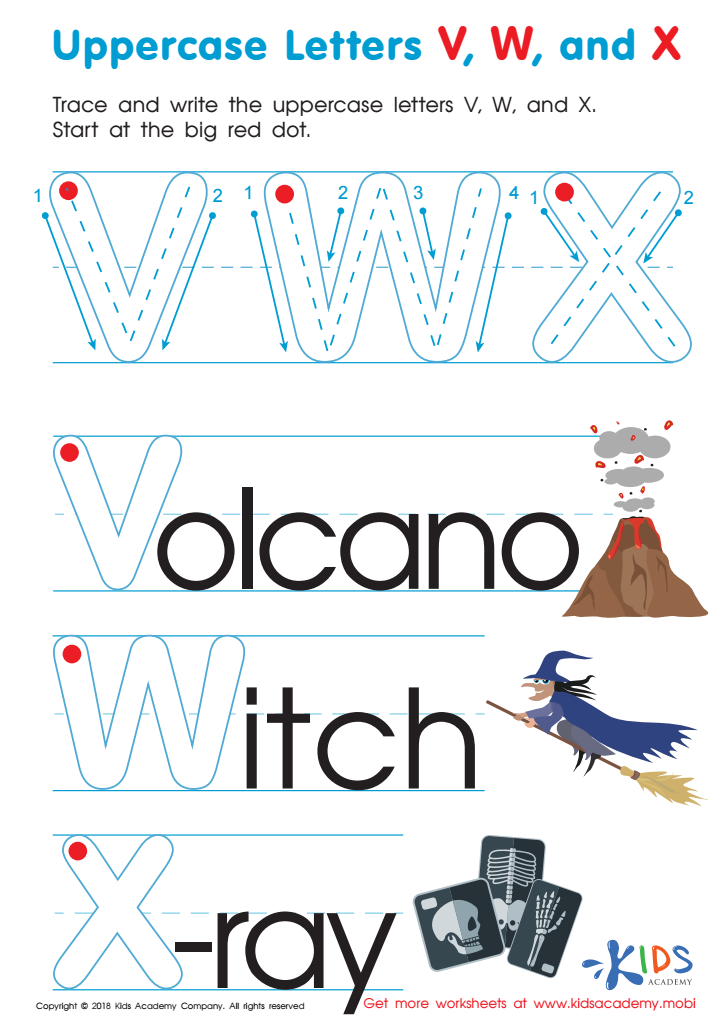
Uppercase Letters V, W, and X Worksheet



.jpg)


.jpg)

Alphabet recognition is a crucial developmental milestone for children ages 3-4, playing a significant role in their early literacy skills. Parents and teachers should care about this skill because it serves as the foundation for reading and writing proficiency. Recognizing letters helps children understand that these symbols represent sounds and meanings, paving the way for phonemic awareness and vocabulary development.
Moreover, when children gain confidence in identifying letters, they're more likely to engage in reading activities and express interest in books, fostering a lifelong love of learning. Early exposure to alphabet recognition can also enhance cognitive development as children begin to make connections between letters and words, which is essential for their academic success.
In preschool settings, teachers can incorporate fun activities, such as sing-alongs and interactive games, to support this learning in an enjoyable way. For parents, engaging in activities like letter hunts or reading alphabet books at home can reinforce these skills. As early literacy sets the stage for future educational experiences, fostering alphabet recognition is a valuable tool in nurturing a child’s overall development and self-confidence, empowering them on their educational journey.








