Mathematical reasoning Normal Worksheets for Ages 3-4
10 filtered results
-
From - To
Nurture early math skills with our "Mathematical Reasoning Normal Worksheets for Ages 3-4". Designed to inspire young minds, these worksheets help children develop critical thinking through fun and engaging activities. Each sheet is crafted to enhance cognitive abilities and provide a strong foundation in mathematics. Activities include pattern recognition, basic counting, and simple problem-solving tasks. These worksheets not only boost children's confidence but also prepare them for more advanced concepts in the future. Suitable for home or classroom use, our carefully curated materials support overall growth and are perfect for setting the stage for lifelong learning and mathematical success.
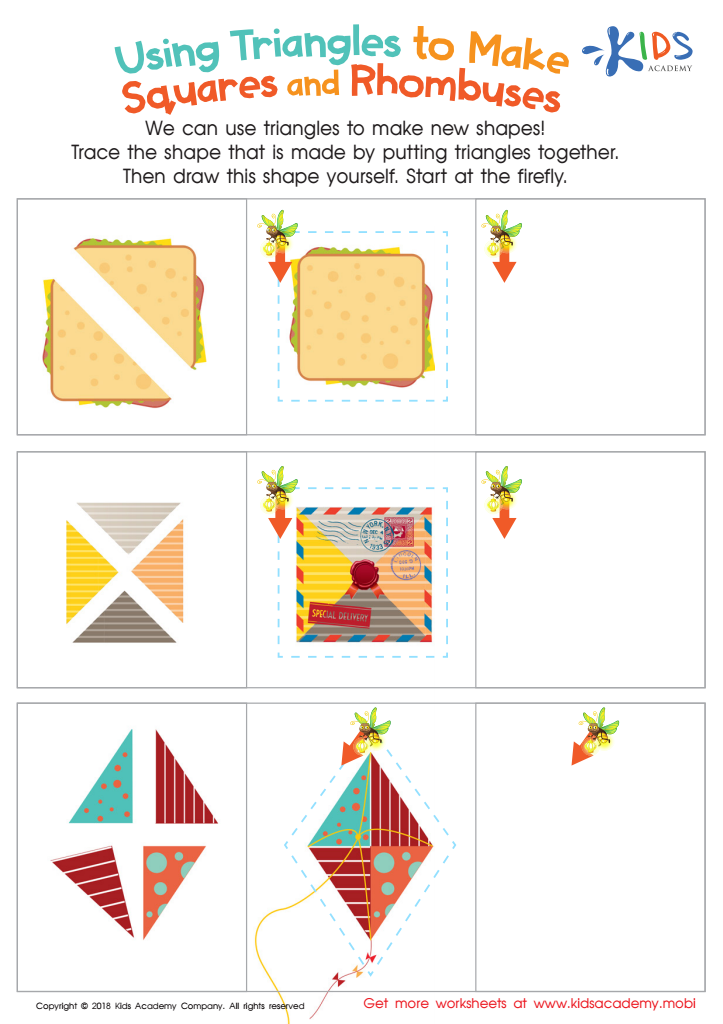
Using Triangles to Make Squares and Rhombuses Worksheet
 Assign to My Students
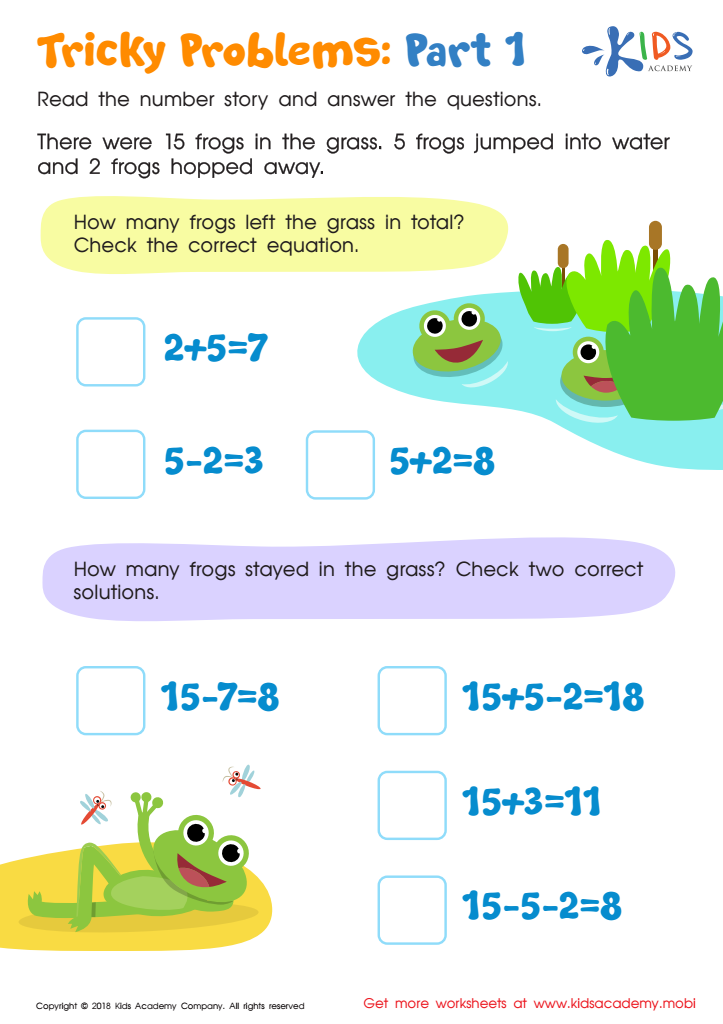
Tricky Problems Worksheet: Part 1
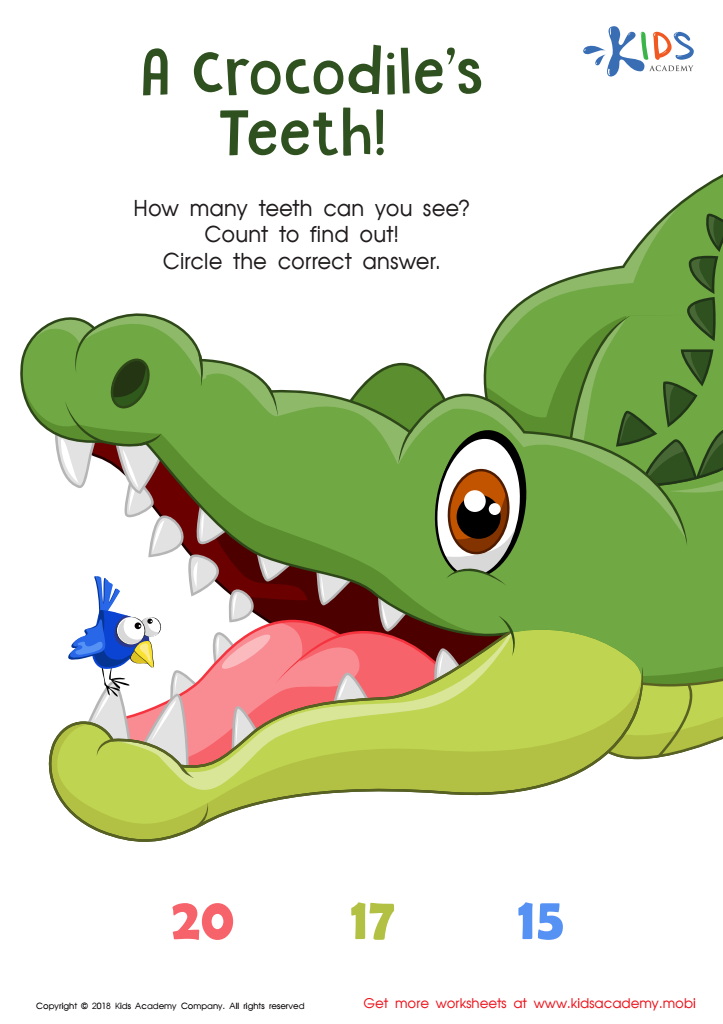
A Crocodile's Teeth Worksheet
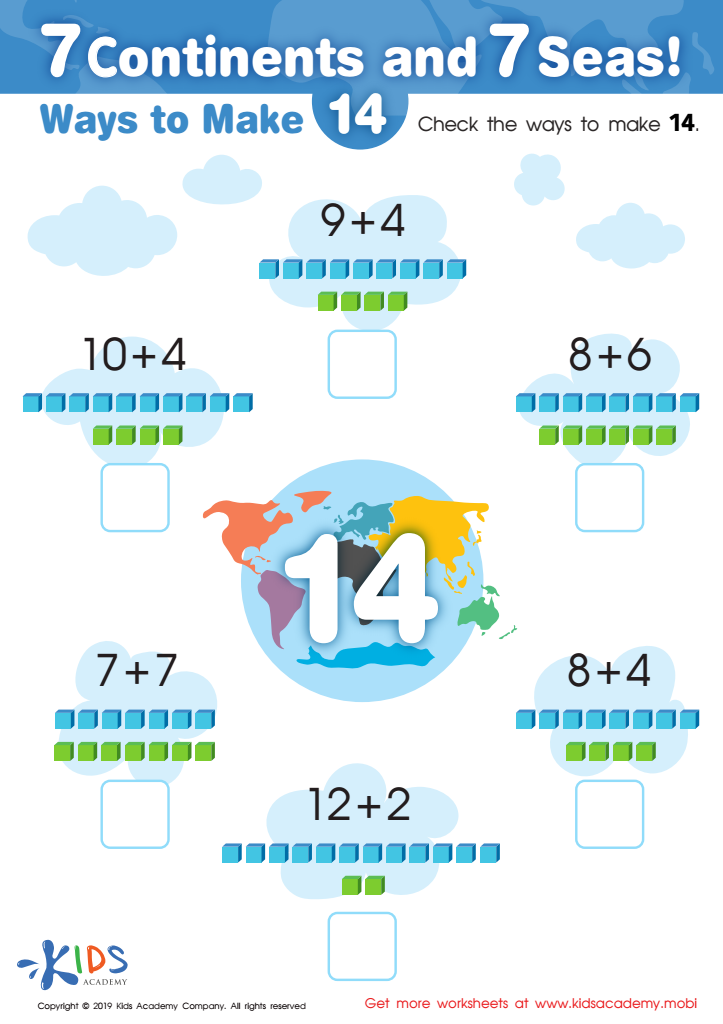
7 Continents and 7 Seas Worksheet
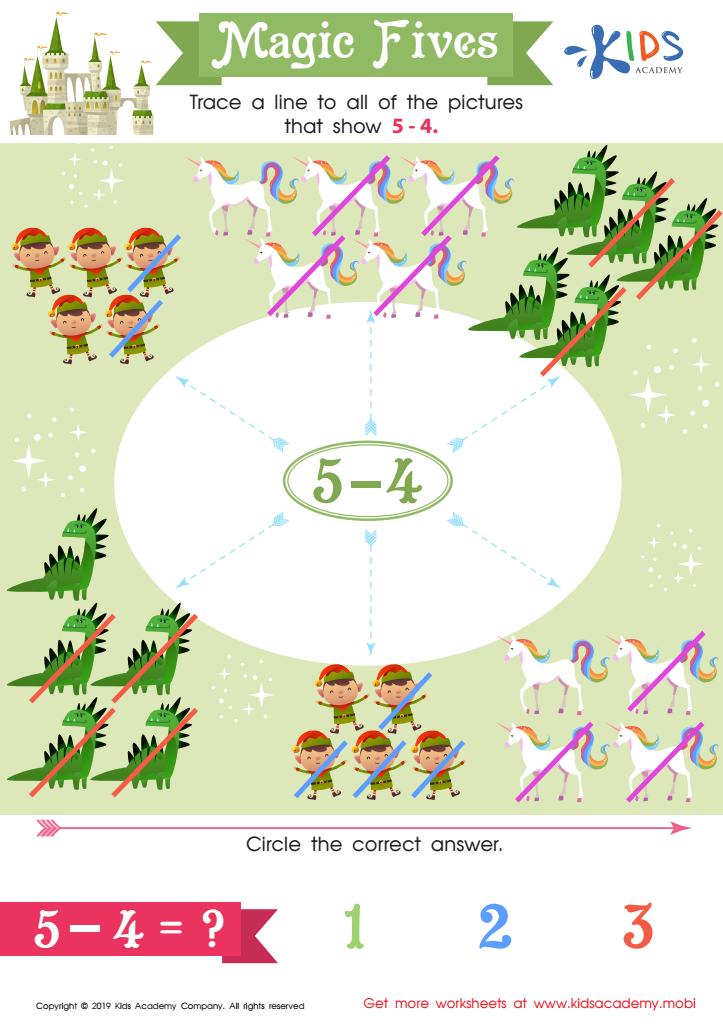
Magic Fives Worksheet
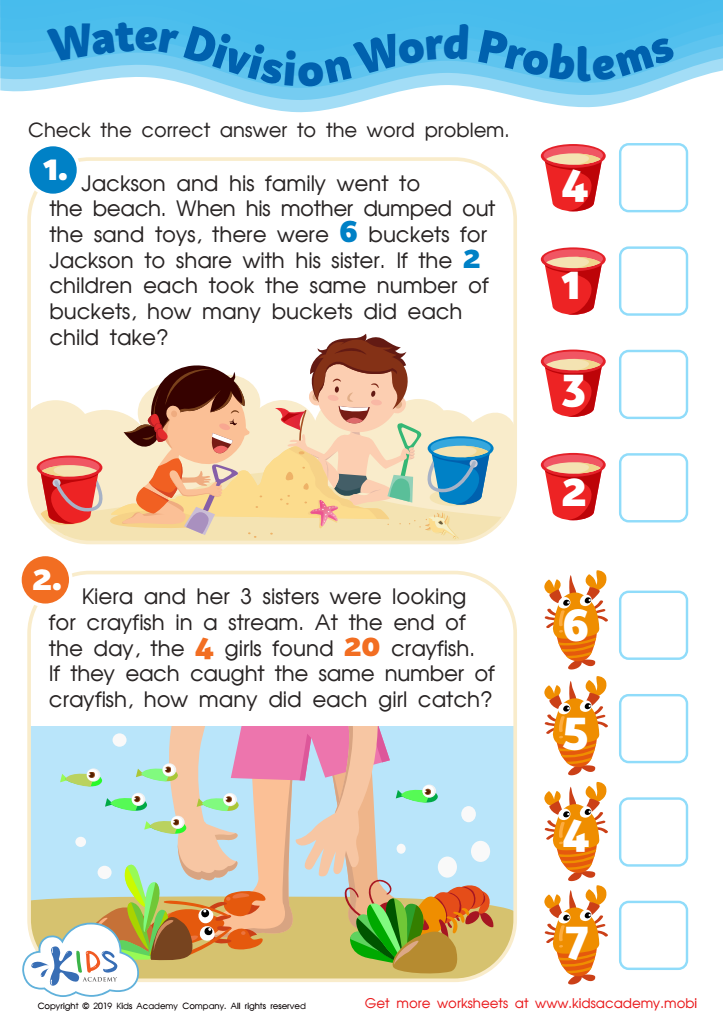
Water Division Word Problems Worksheet
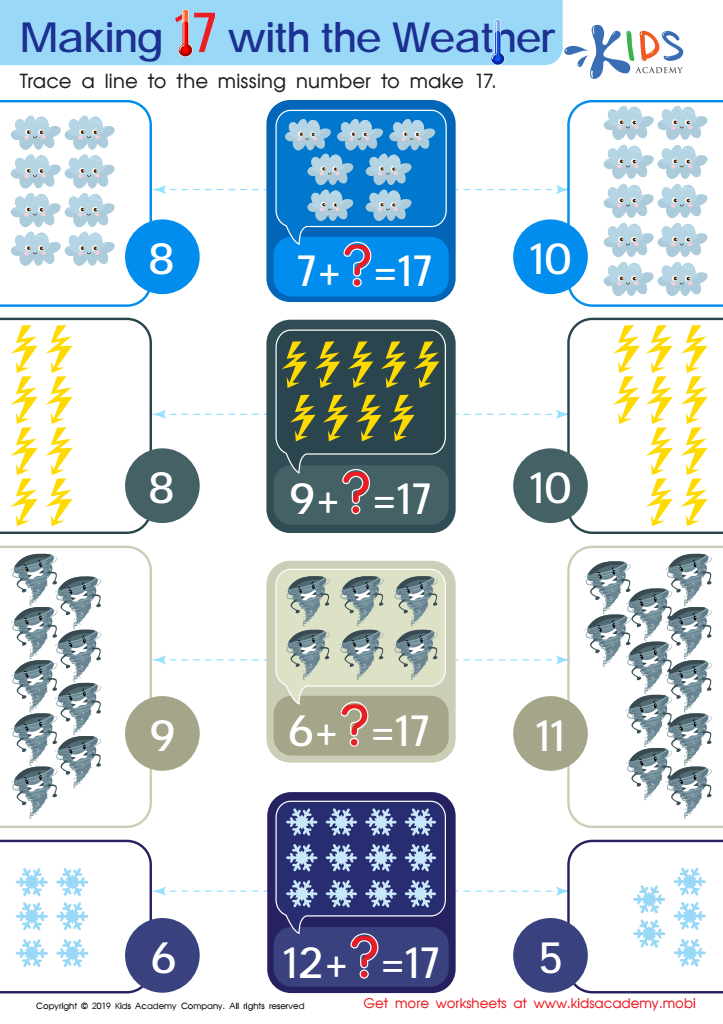
Making 17 with the Weather Worksheet
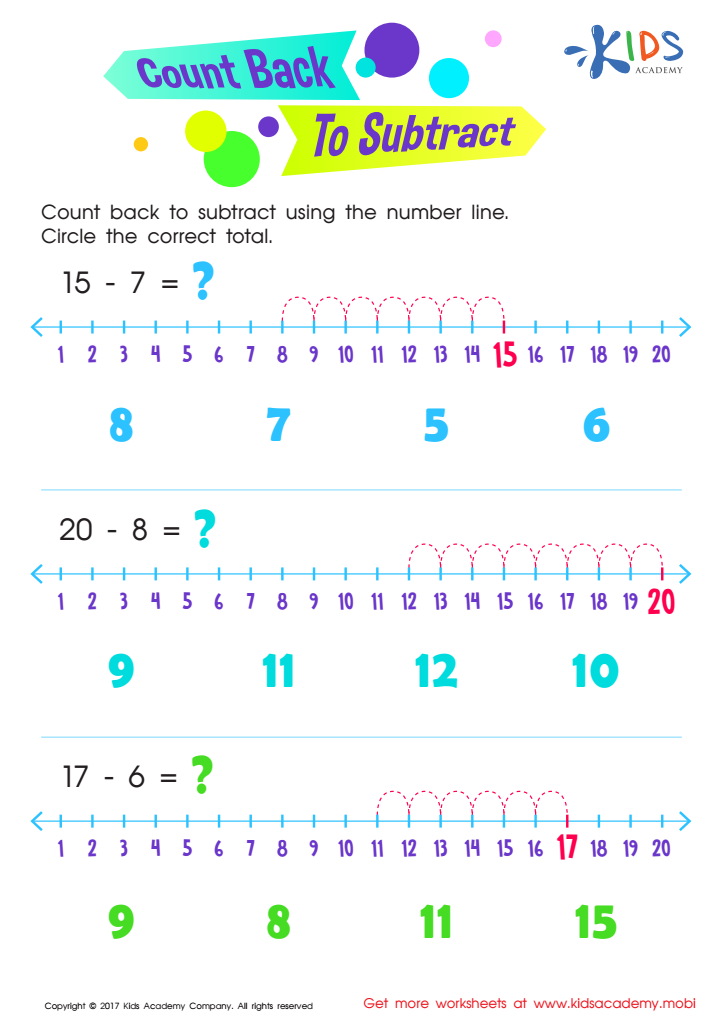
Count Back to Subtract Substraction Worksheet
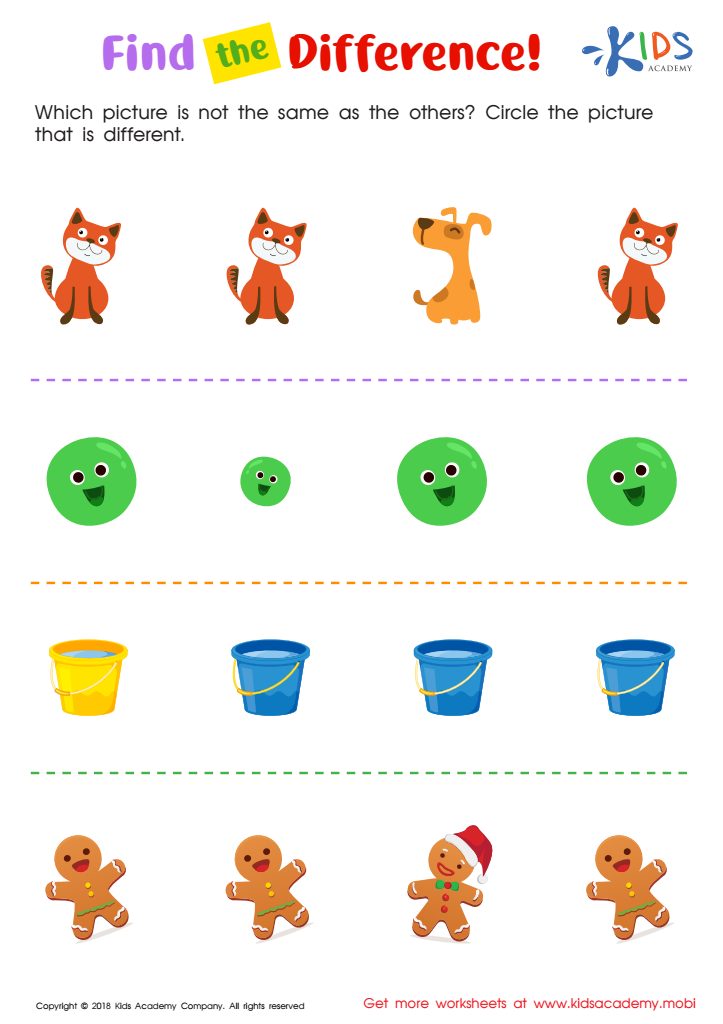
Find the Difference Worksheet
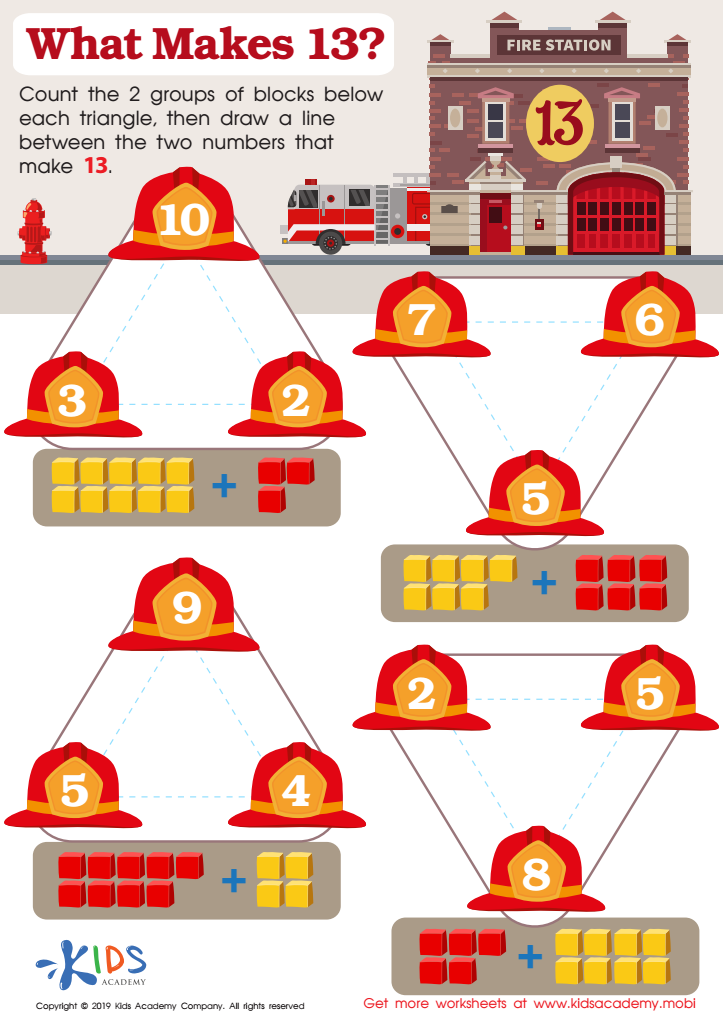
What Makes 13 Worksheet






Mathematical reasoning for children ages 3-4 is fundamental because it lays the groundwork for future cognitive development and academic success. This period is characterized by rapid brain development, and young minds are remarkably receptive to new concepts. Introducing mathematical reasoning at this stage helps children develop critical thinking and problem-solving skills that are essential across all areas of learning.
First, it nurtures a child's ability to recognize patterns, make comparisons, and understand basic relationships, setting the stage for more complex mathematical concepts later on. Second, early exposure to math fosters a positive attitude towards the subject, reducing fears and anxieties associated with it as children grow older. By incorporating simple activities such as counting objects, sorting shapes, or identifying colors, parents and teachers can seamlessly integrate math into everyday play, making learning both fun and effective.
Additionally, mathematical reasoning enhances linguistic skills, as children learn to describe their thought processes and understand mathematical vocabulary. Socially, working on math problems in group settings encourages collaboration and communication, key competencies in any educational environment. Therefore, prioritizing mathematical reasoning in early childhood prepares children not only for school but for lifelong learning and problem-solving.








