Critical Thinking Normal 2D Shapes Worksheets for Ages 3-4
5 filtered results
-
From - To
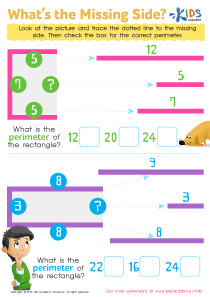
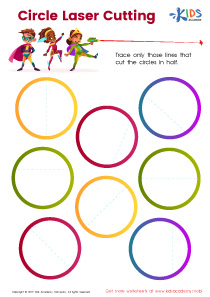
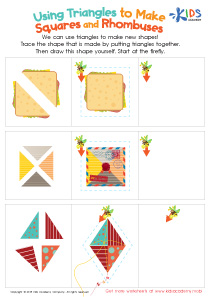
Nurture your child's analytical skills with our "Critical Thinking Normal 2D Shapes Worksheets" for ages 3-4. Specially designed to engage young minds, these printable activities help little learners identify and differentiate between basic 2D shapes. Not only do these exercises establish foundational math and geometry concepts, but they also promote problem-solving and logic development. Each worksheet bursts with fun and colorful illustrations to hold a child’s interest while they practice critical thinking. Ideal for preschoolers, this collection makes learning both enjoyable and educational. Perfect for parents and educators aiming to give early learners a head start.
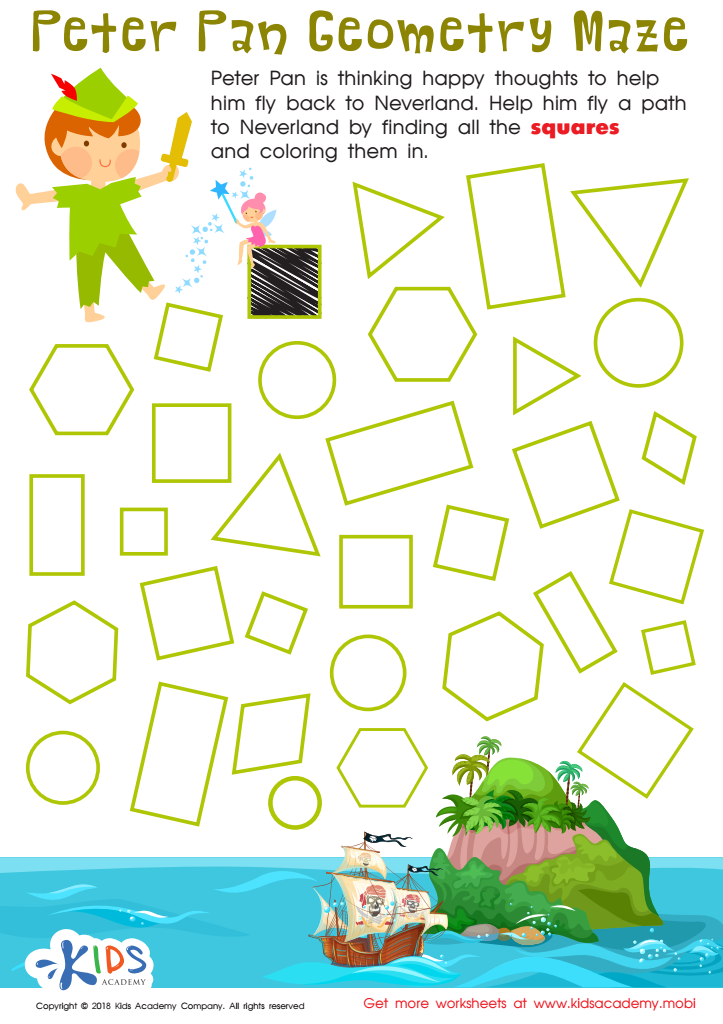
Peter Pan Worksheet
 Assign to My Students


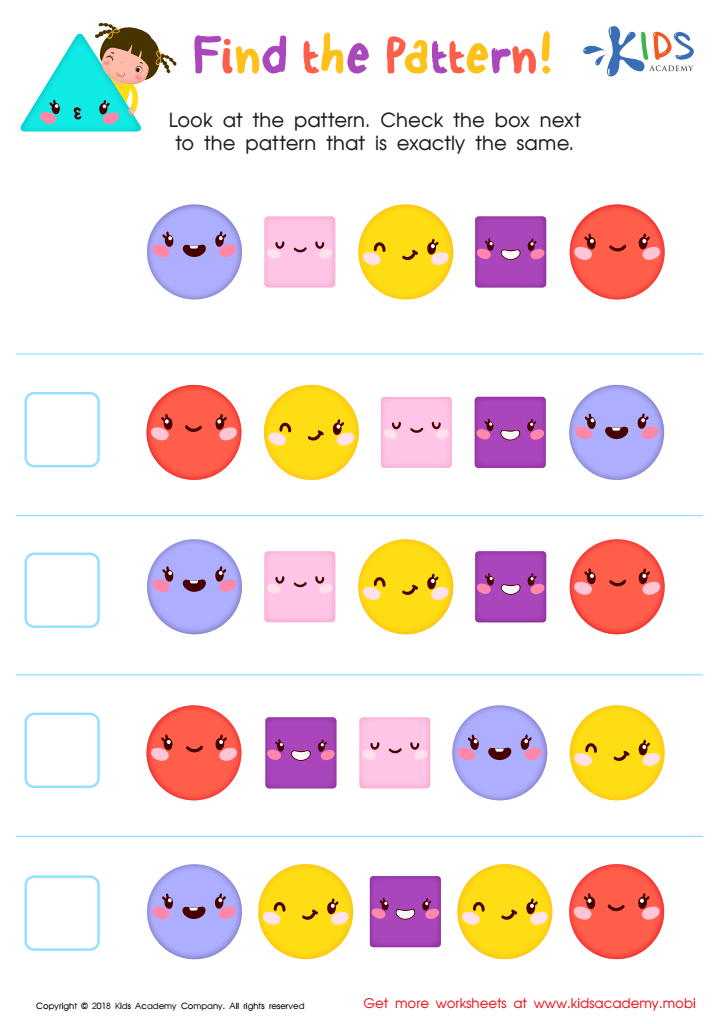
Find the Pattern Worksheet
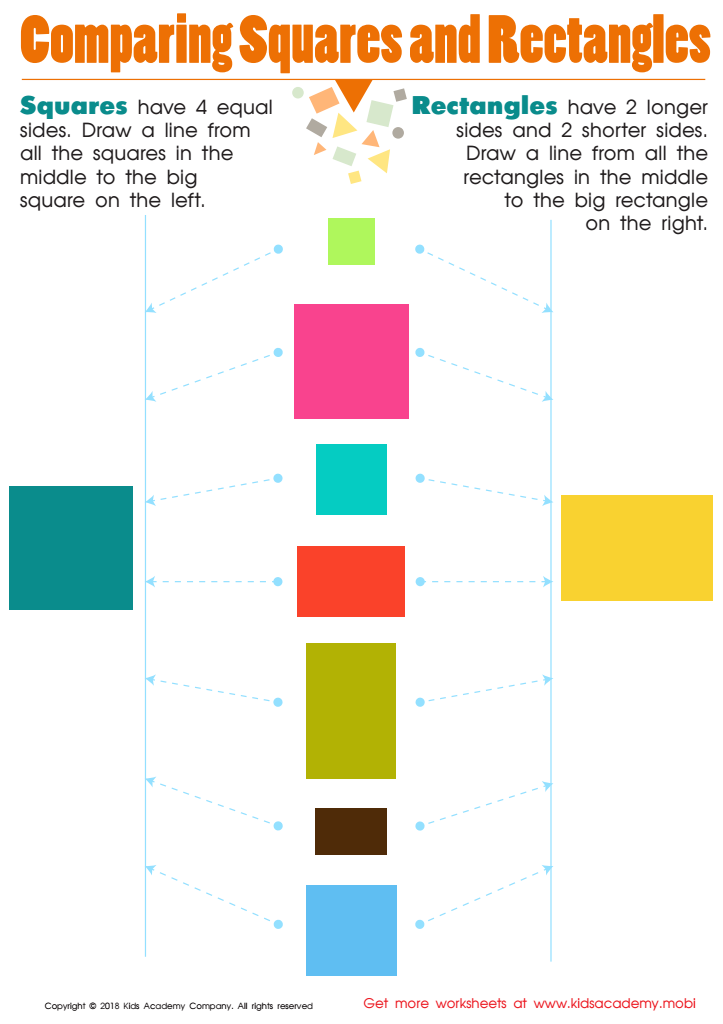
Comparing Squares Rectangles Worksheet
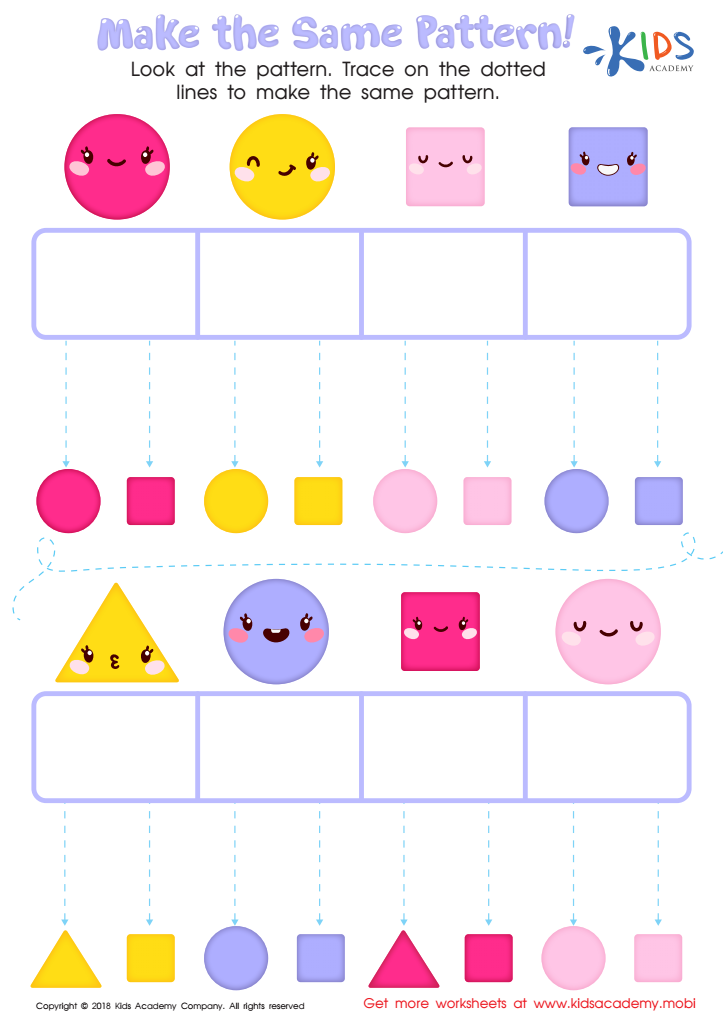
Make the Same Pattern Worksheet
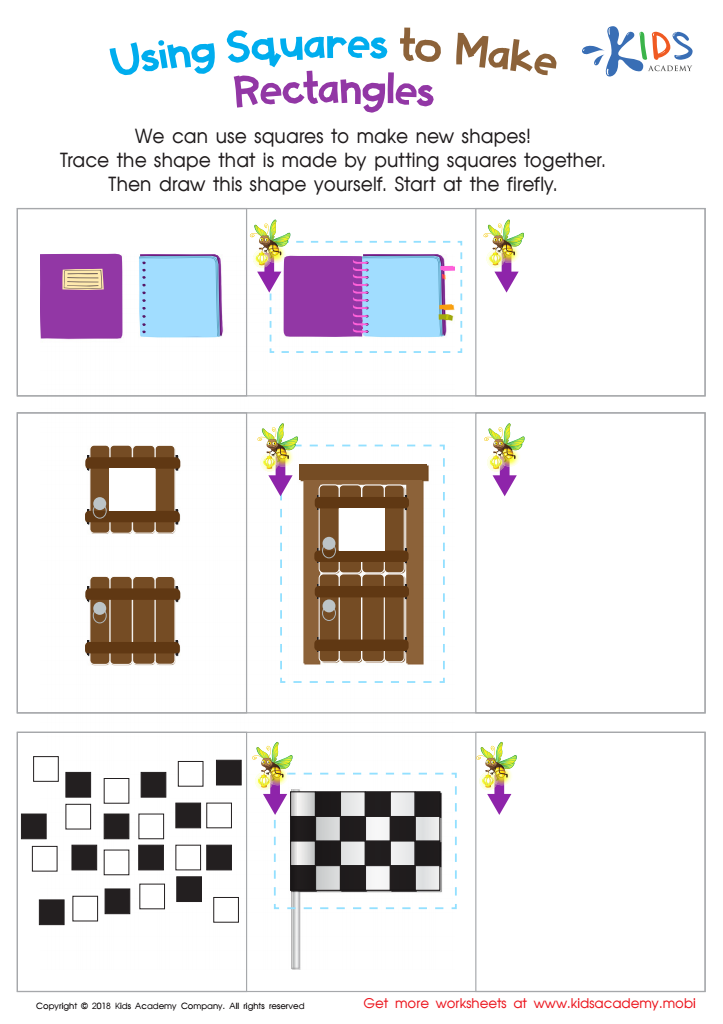
Using Squares to Make Rectangles Worksheet








Introducing critical thinking through normal 2D shapes to children aged 3-4 is highly beneficial for both cognitive and developmental reasons. At this tender age, young minds are incredibly receptive and are building foundational skills that will support their learning journey across various disciplines.
Firstly, understanding 2D shapes helps young children identify and classify objects based on their attributes, promoting early mathematical skills. Recognizing different shapes aids in developing spatial awareness, which is critical for more complex problem-solving tasks later in life.
Secondly, involving children in activities that involve critical thinking about shapes enhances their analytical and reasoning abilities. For instance, asking questions like "How is this shape different from that one?" or "Can you find something else that is round like a circle?" encourages kids to observe details, make comparisons, and understand relationships. These skills are vital for early literacy, as they help kids distinguish letters and numbers, and later, words and sentences.
Moreover, engaging with shapes and critical thinking exercises in a playful manner fosters creativity and imagination. Children learn that there are multiple ways to see and understand their surroundings, which nurtures open-mindedness and adaptability, traits valuable for lifelong learning.
Therefore, parents and teachers who focus on balanced, critical engagement with 2D shapes provide children with a strong educational foundation, supporting both current and future academic success.