
Counting skills Normal Addition Facts Worksheets for Ages 3-4
3 filtered results
Difficulty Level
Grade
Age
-
From - To
Subject
Activity
Standards
Discover a fun and engaging way to boost your child's counting skills with our Normal Addition Facts Worksheets designed specifically for ages 3-4! These interactive worksheets provide colorful, age-appropriate activities that introduce young learners to the basics of addition. By exploring simple problems and counting exercises, children develop a solid foundation in mathematics while enhancing their critical thinking abilities. Each worksheet encourages hands-on learning, making math enjoyable and relatable for early learners. Our easy-to-use format allows parents and educators to track progress as children build confidence in their counting and addition skills. Help your child embark on their math journey today!
Favorites
With answer key
Interactive
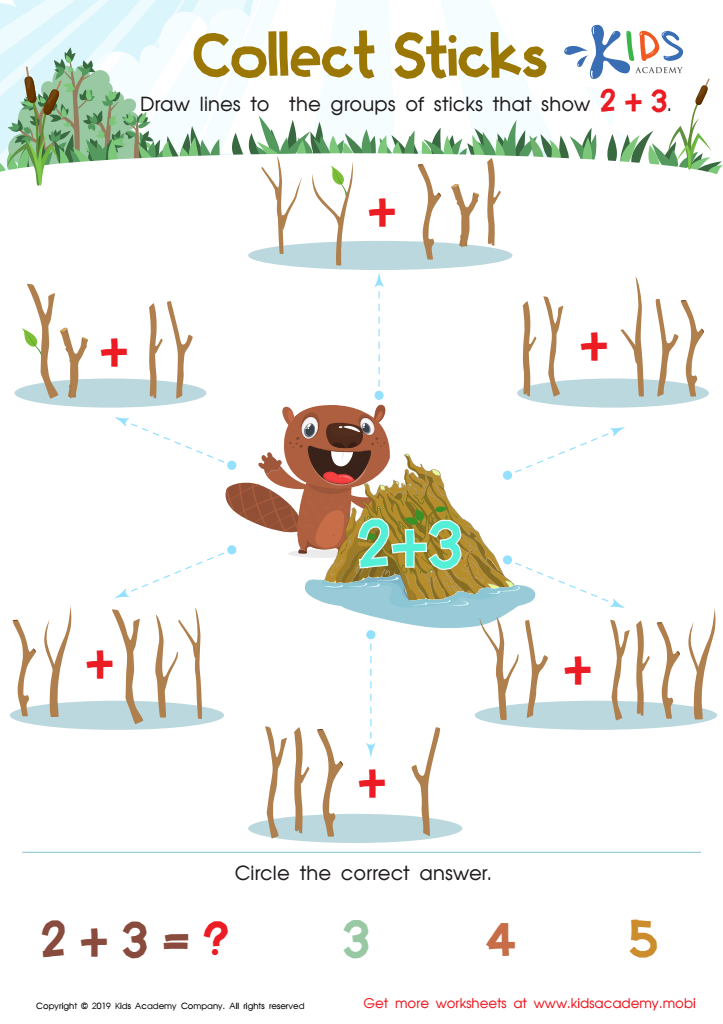
Collect Sticks Worksheet
Let math be fun for your kids with a simple and colorful worksheet exercise. Addition and subtraction can be daunting, but you can make it enjoyable with exercises like this one. Get them to draw lines to the groups of sticks that show 2+3 and watch them light up.
 Assign to My Students
Collect Sticks Worksheet
Worksheet
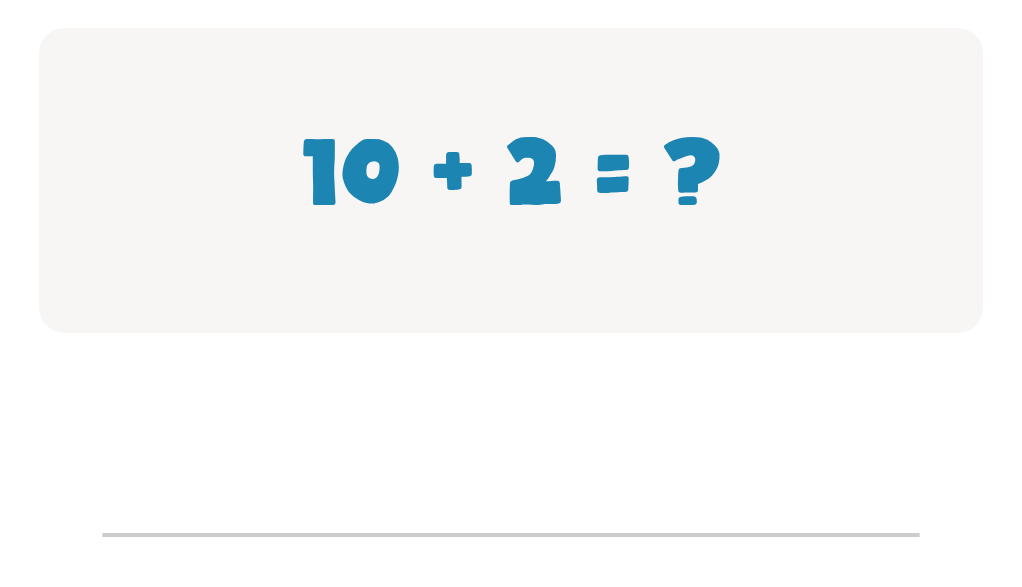

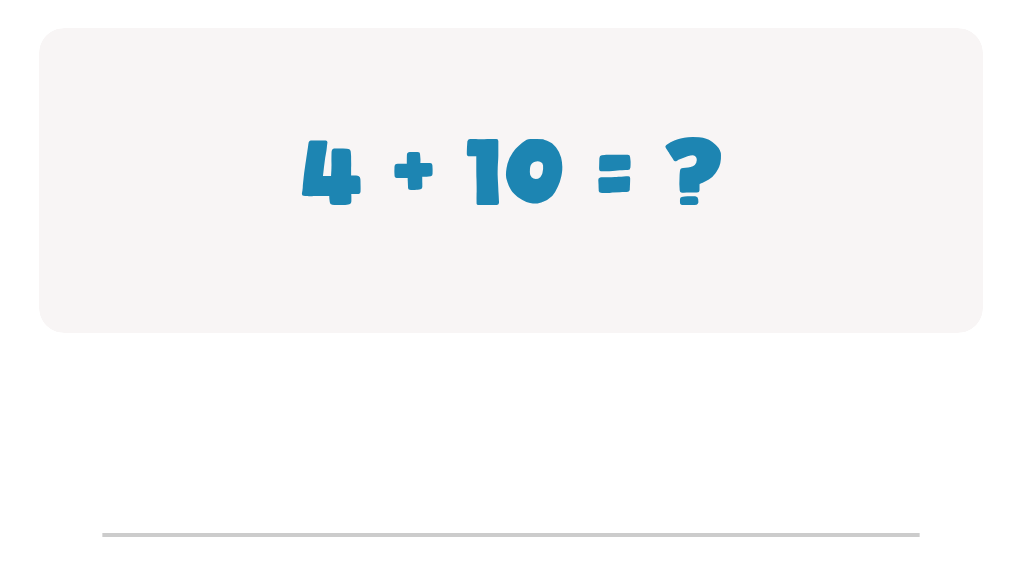
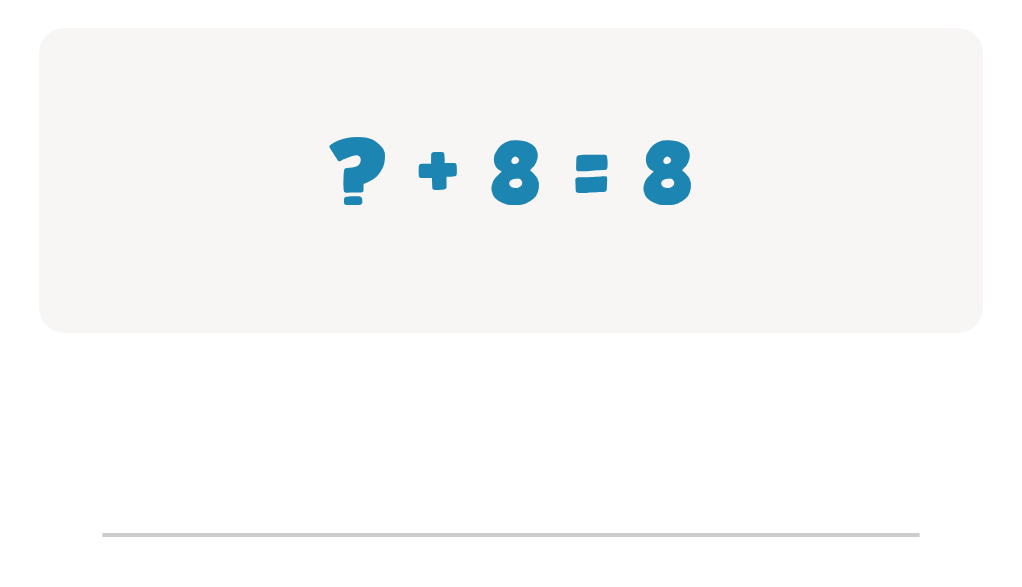
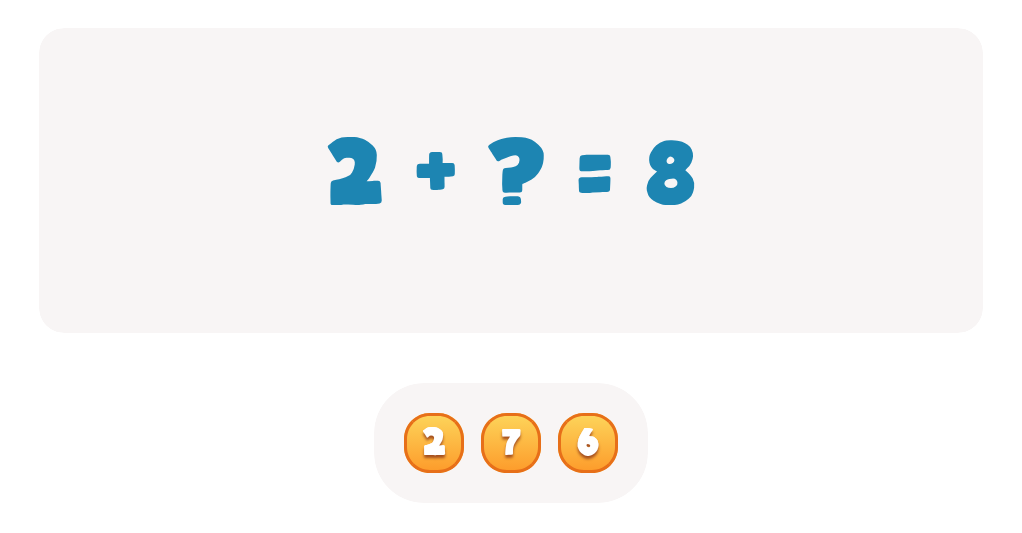
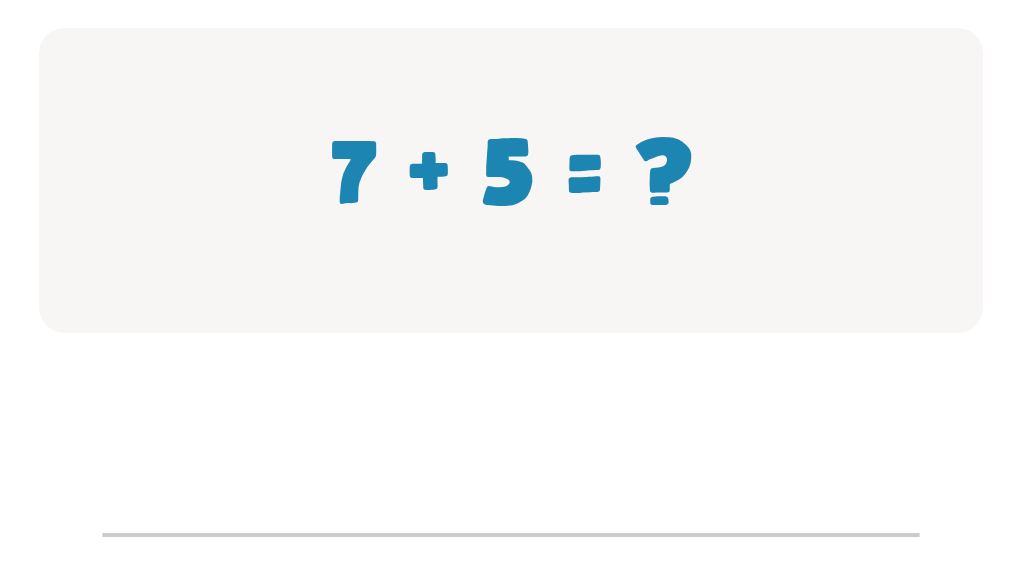
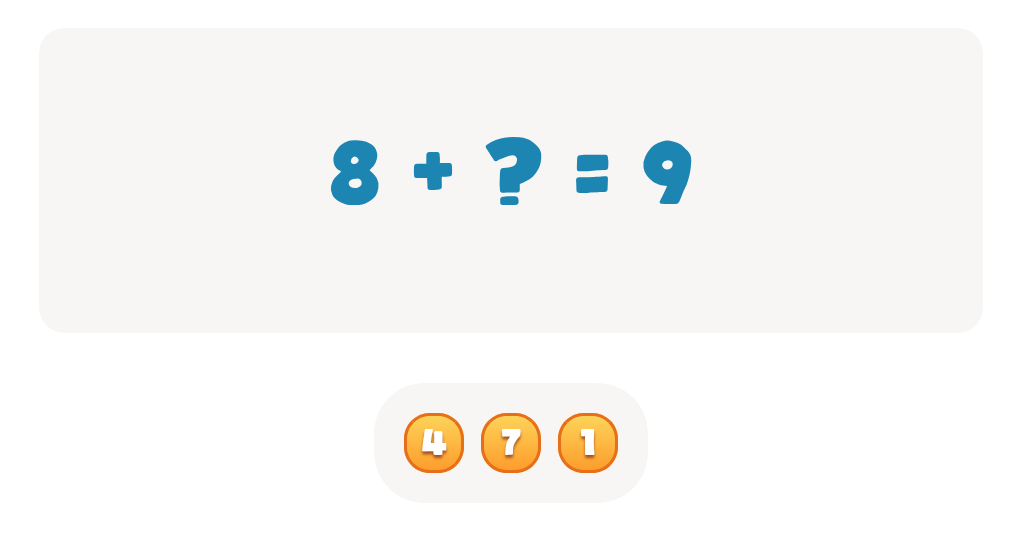

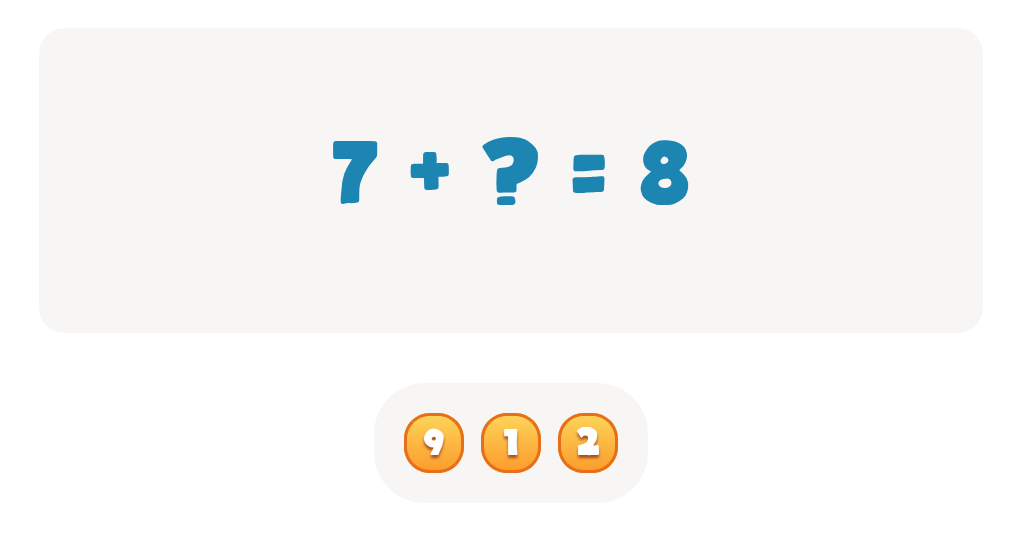
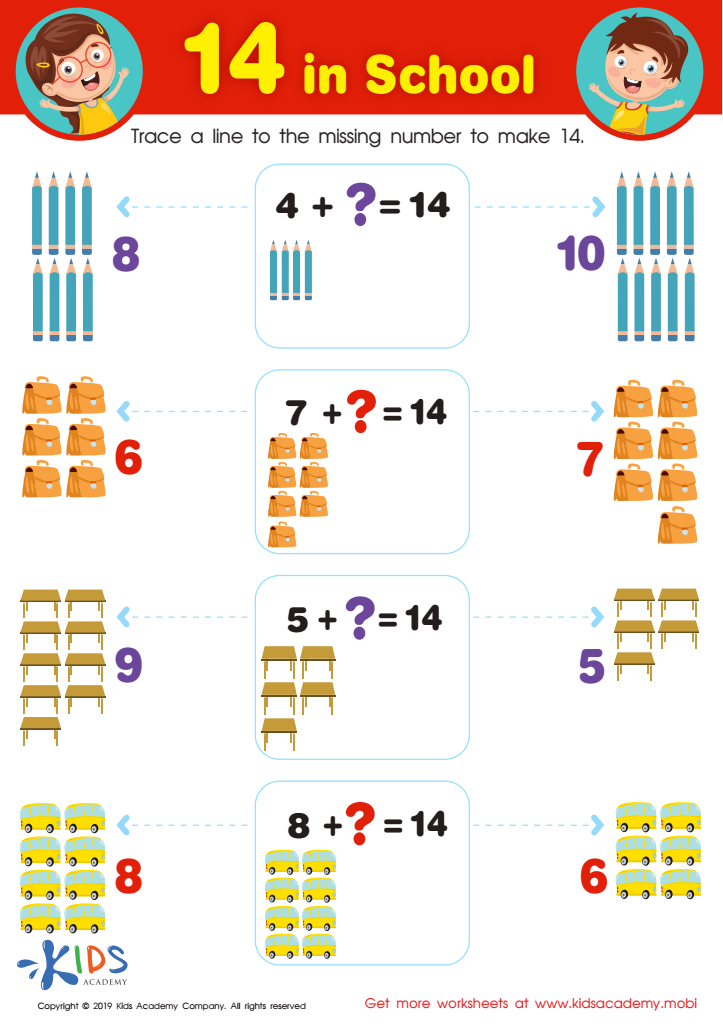
14 in School Worksheet
Remind your kids that adding different sets of numbers can give the same total (e.g. 2+3=5, 4+1=5). Ask them for more examples. Afterwards, work through the exercise. Help them count the objects and trace a line to the missing number that makes the total 14.
14 in School Worksheet
Worksheet
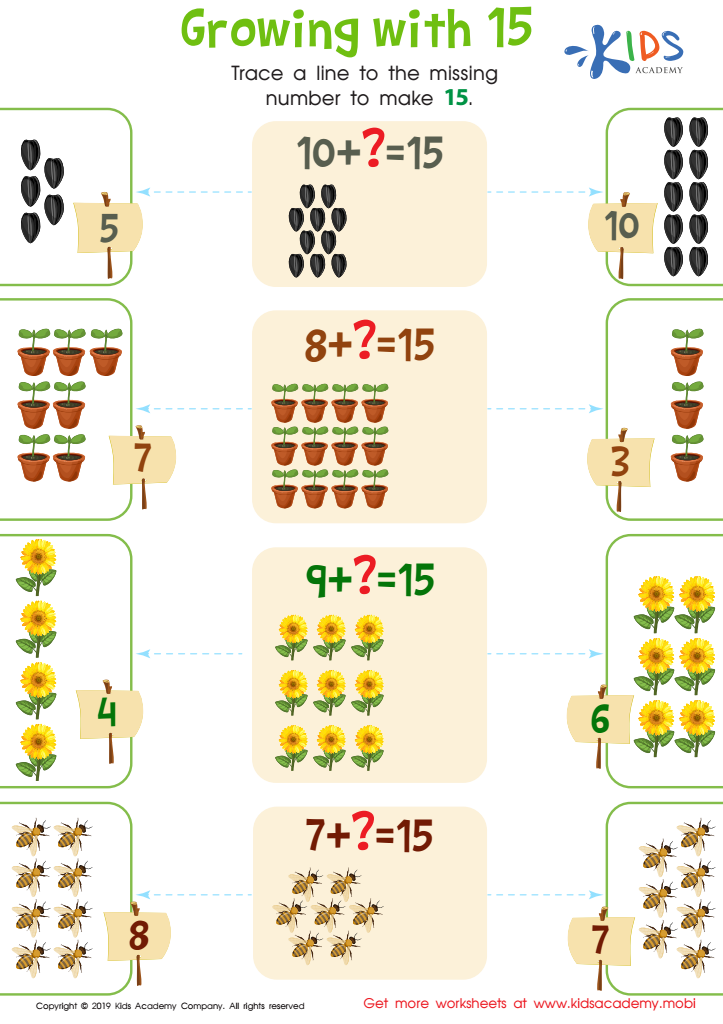
Growing with 15 Worksheet
Remind your kids that adding different sets of numbers can give the same total (e.g. 2+3=5, 4+1=5). Test their understanding by asking them for more examples. Move onto the worksheet: count objects, then trace the line to the number making a total of 15.
Growing with 15 Worksheet
Worksheet
Join Kids Academy for Free
Who is primarily going to use this learning content?








Counting skills and normal addition facts lay the groundwork for a child's mathematical development, making it crucial for parents and teachers to focus on these skills for ages 3-4. At this stage, children are naturally curious and eager to explore numbers. Engaging them in counting and simple addition helps develop critical cognitive skills such as problem-solving, logical reasoning, and spatial awareness.
Early exposure to counting fosters an understanding of number sense, which is the ability to recognize, relate, and work with numbers. This understanding serves as a foundation for more complex math concepts in the future. Positive experiences with numbers at this age can also boost a child’s confidence and interest in math, reducing anxiety around the subject later in life.
Moreover, learning through play, such as counting objects or combining small quantities, can make math enjoyable and relevant. When parents and teachers promote counting skills and addition facts through fun activities and everyday situations, they support holistic learning and self-esteem in their children.
In summary, prioritizing counting skills and normal addition facts for young children enriches their cognitive growth, sets them up for future academic success, and instills a lifelong appreciation for learning and mathematics.








