Color recognition Normal Math Worksheets for Ages 3-4
6 filtered results
-
From - To
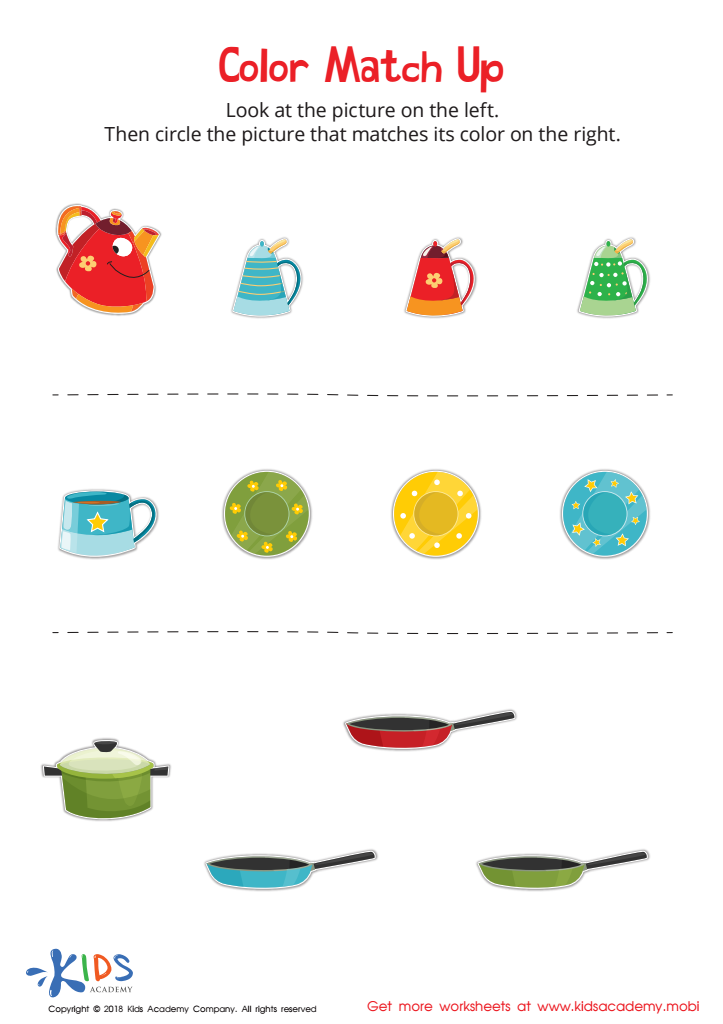
Enhance your child's learning experience with our Color Recognition Normal Math Worksheets designed specifically for ages 3-4. These engaging worksheets help preschoolers explore colors while developing essential math skills. Through fun activities, children will identify and match colors, promoting their visual recognition and cognitive abilities. Our user-friendly format encourages independent learning and discovery, making it perfect for both home and classroom use. Each worksheet is crafted to capture young learners' attention and foster a love for learning through interactive play. Start your child on the path to early academic success while discovering the vibrant world of colors!
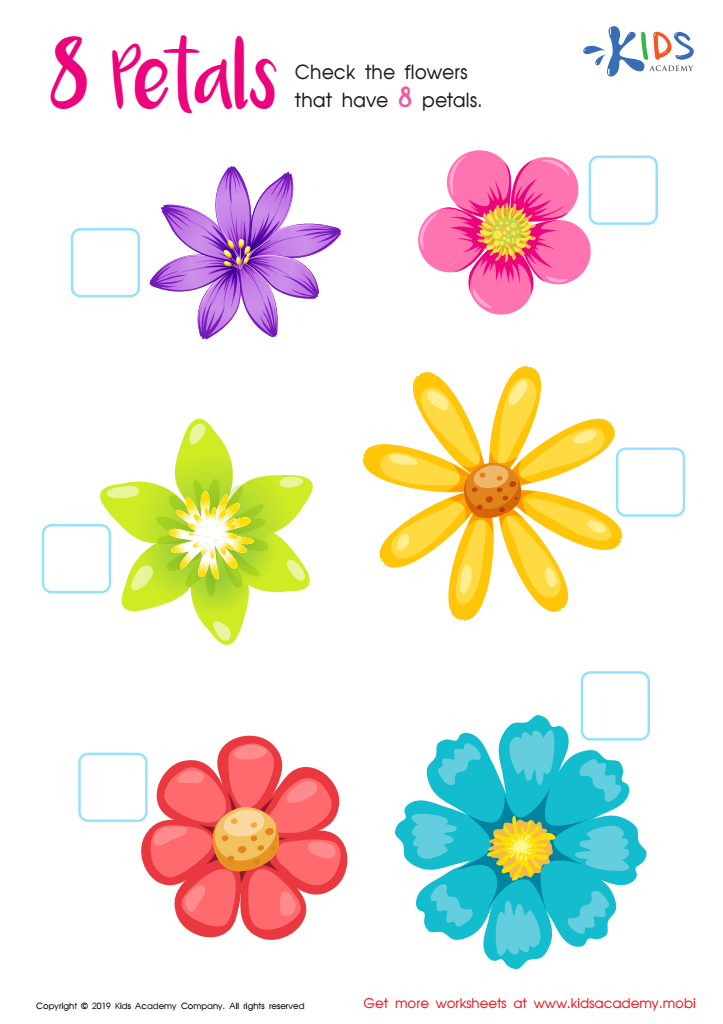
8 Petals Worksheet
 Assign to My Students
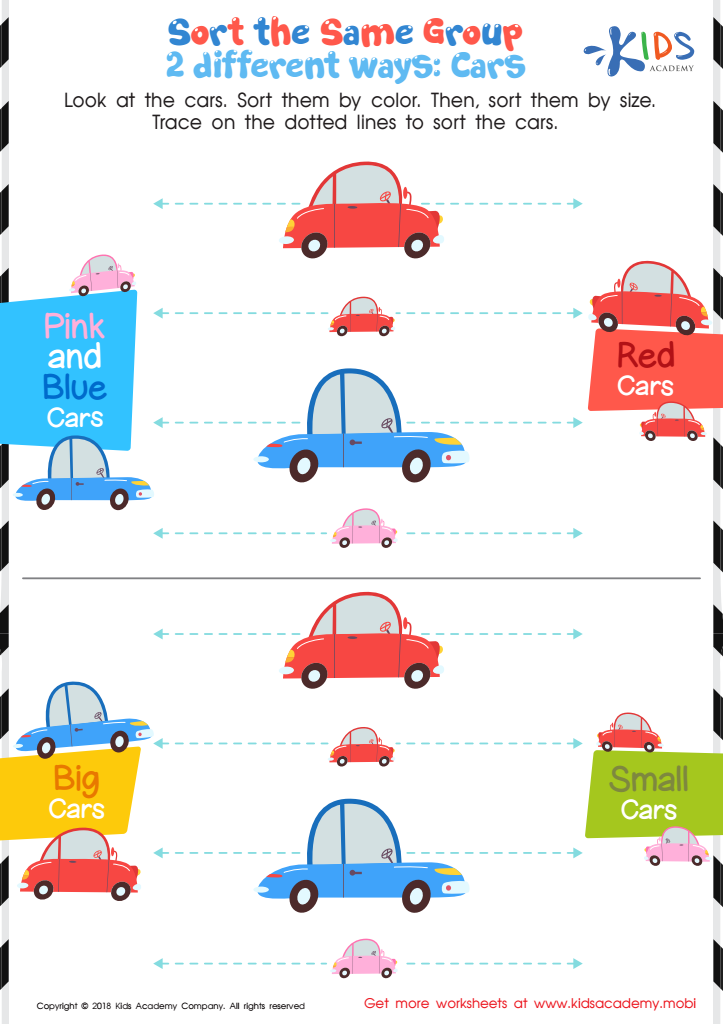
Sort the Same Group 2 Different Ways: Cars Worksheet
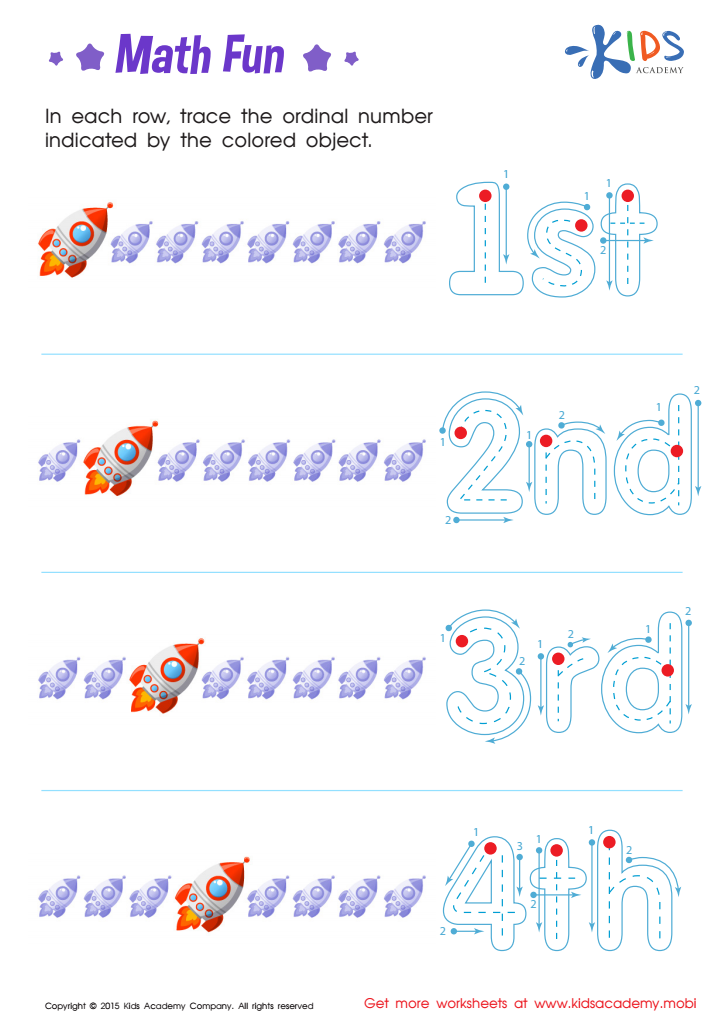
Ordinal Numbers: Math Fun Worksheet
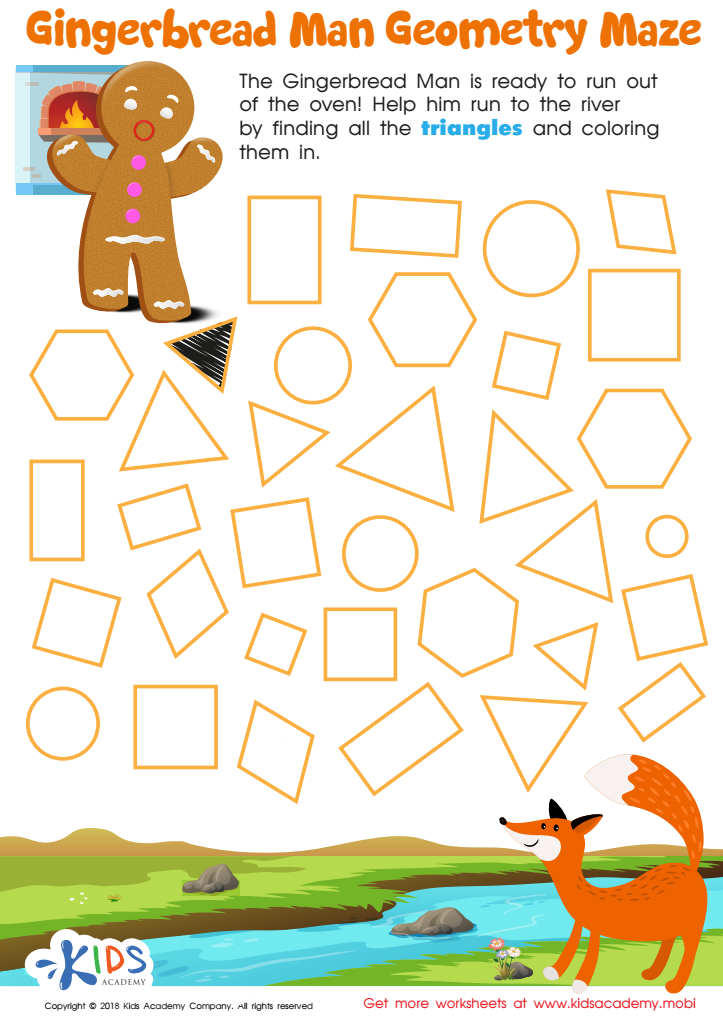
Gingerbread Man Geometry Maze Worksheet
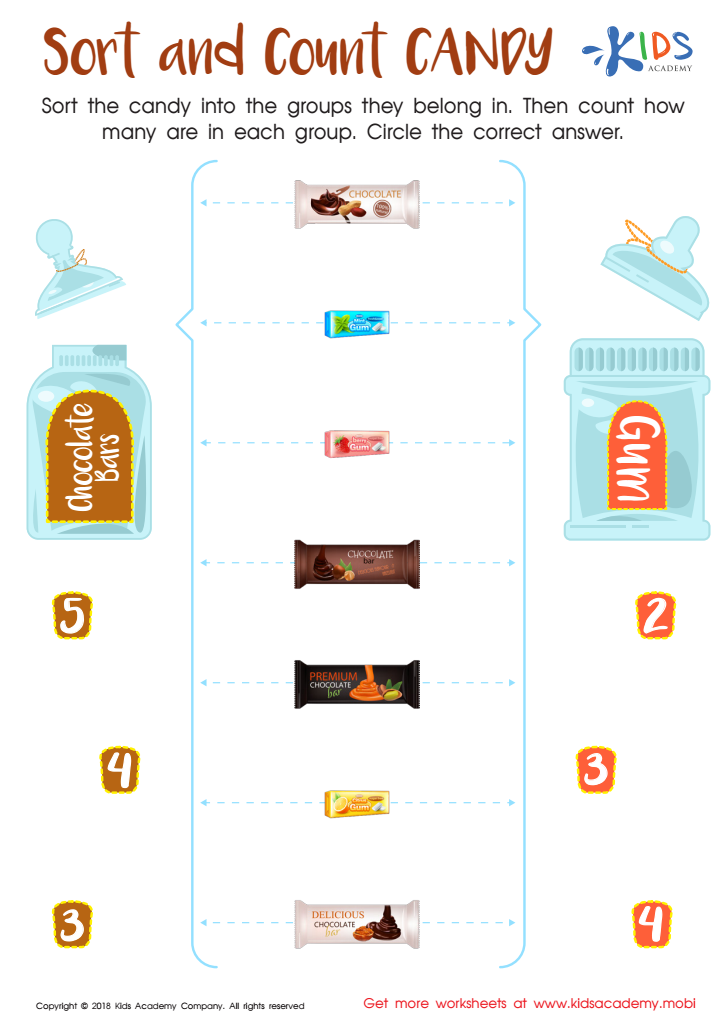
Sort and Count Candy Worksheet








Color recognition and early math skills are foundational elements of cognitive development for children aged 3-4. This stage is crucial as it sets the groundwork for more complex learning in the future. For parents and teachers, acknowledging the importance of these skills can significantly enhance a child’s educational journey.
Color recognition helps children categorize their world visually. It fosters creativity, enhances language skills, and boosts their ability to identify and describe objects and emotions. When children learn to associate colors with specific items, they improve their observational skills and expand their vocabulary.
Simultaneously, introducing normal math concepts at this age—such as counting, sorting, and understanding basic shapes—encourages critical thinking and problem-solving abilities. Engaging children with math activities promotes a positive attitude toward numbers and lays the foundation for future mathematical literacy. Early math skills are linked to better academic performance later on, making it essential for a robust learning progression.
When parents and teachers prioritize color recognition and normal math skills through playful activities and interactive lessons, they not only enhance a child's current learning experience but also instill confidence, curiosity, and a lifelong love for learning. By investing in these areas, adults ensure a strong start for their children in both academics and social interactions.








