Matching skills Normal Math Worksheets for Ages 3-4
7 filtered results
-
From - To
Unlock your child's potential with our engaging Matching Skills Normal Math Worksheets, designed specifically for ages 3-4! These colorful worksheets offer a fun and interactive way for young learners to develop essential matching skills, which are crucial for early math understanding. Each activity encourages cognitive development, enhancing memory and focus while reinforcing number and object recognition. Perfect for toddlers, these worksheets can be used at home or in preschool settings, providing adults with an effective tool for fostering a love for learning. Start building a solid foundation in math today with these exciting and educational resources that make learning fun!
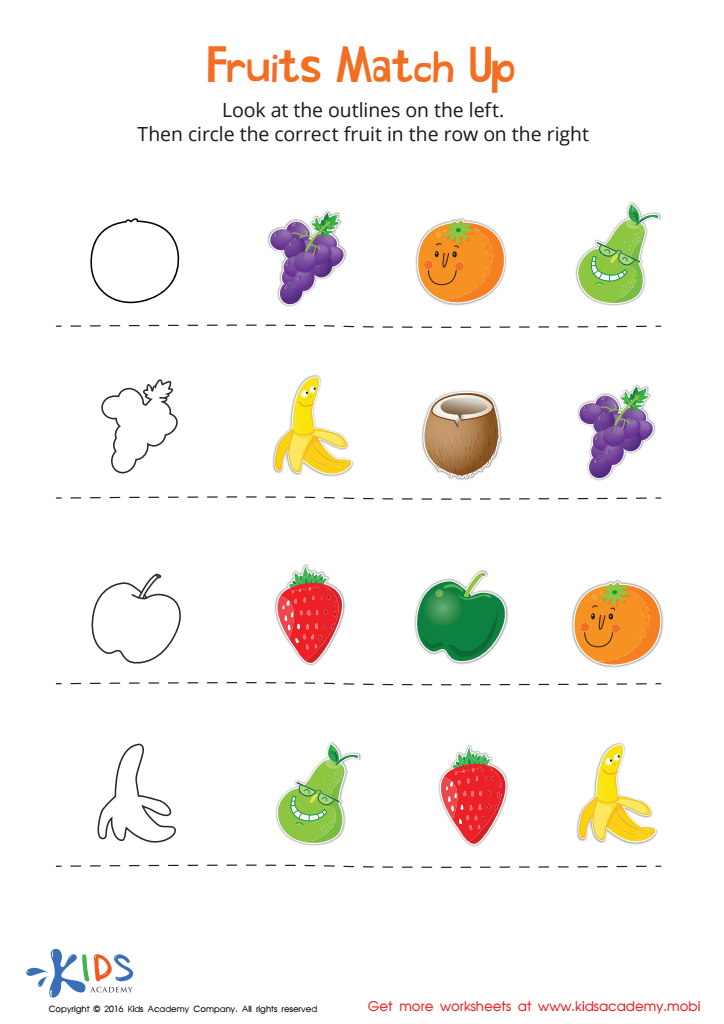
Fruits Match Up Worksheet
 Assign to My Students
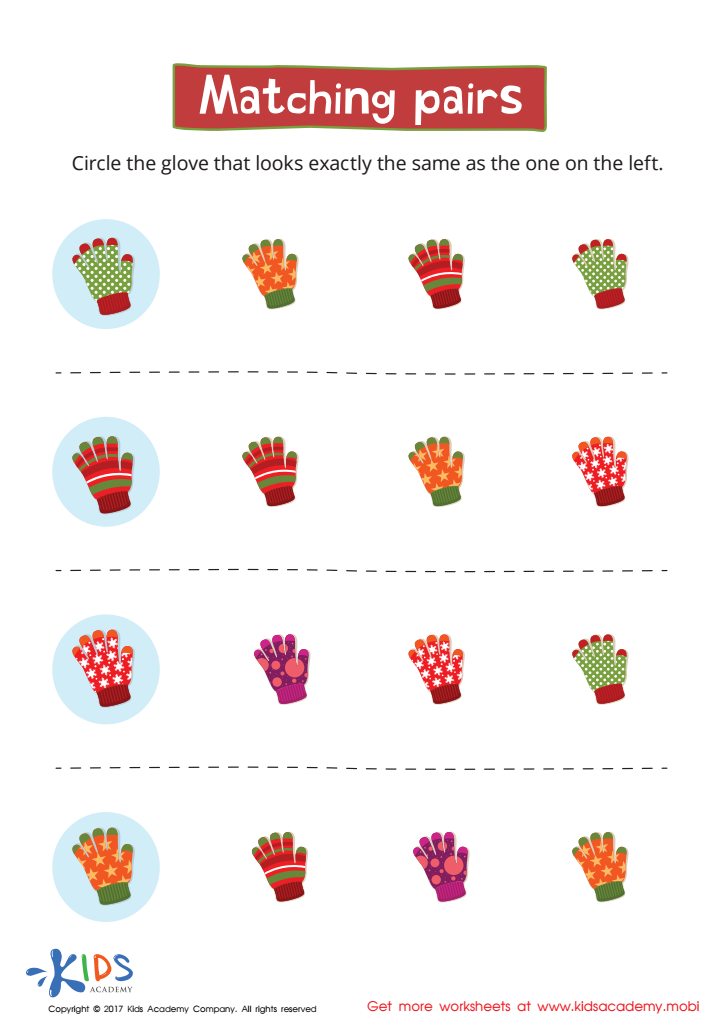
Matching: Matching Pairs Worksheet
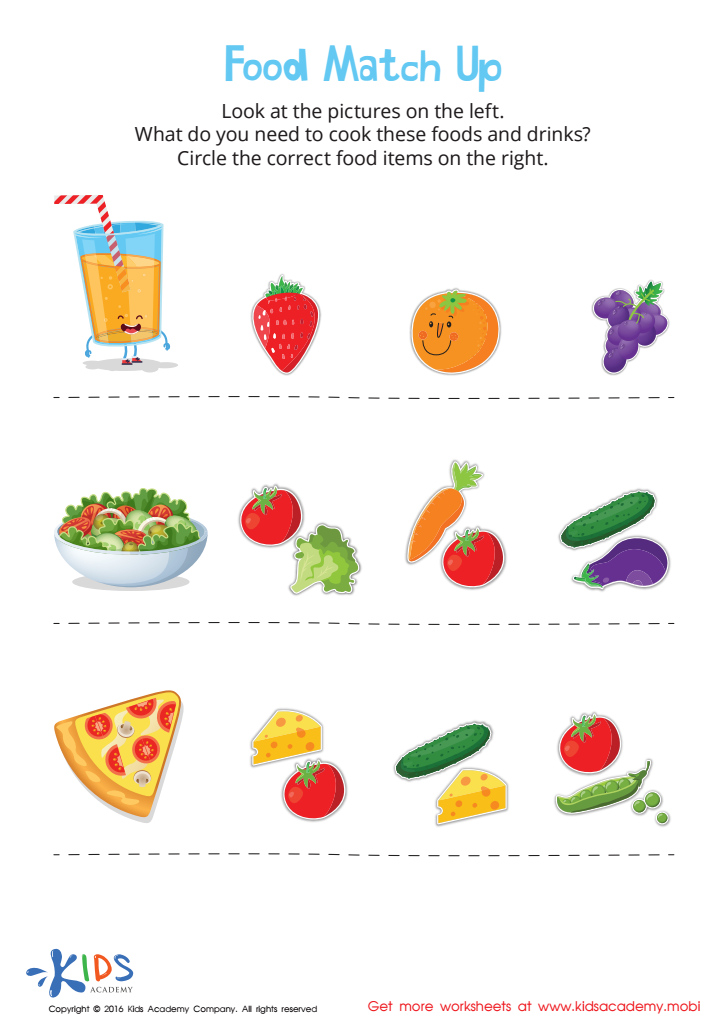
Food Match Up Worksheet
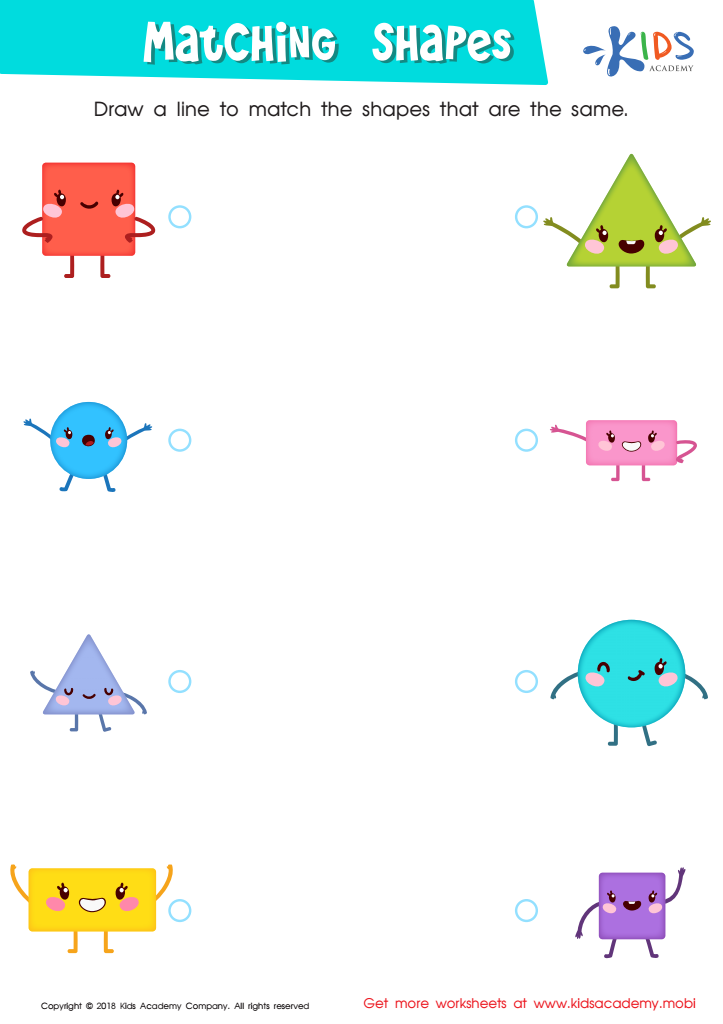
Matching Shapes Worksheet
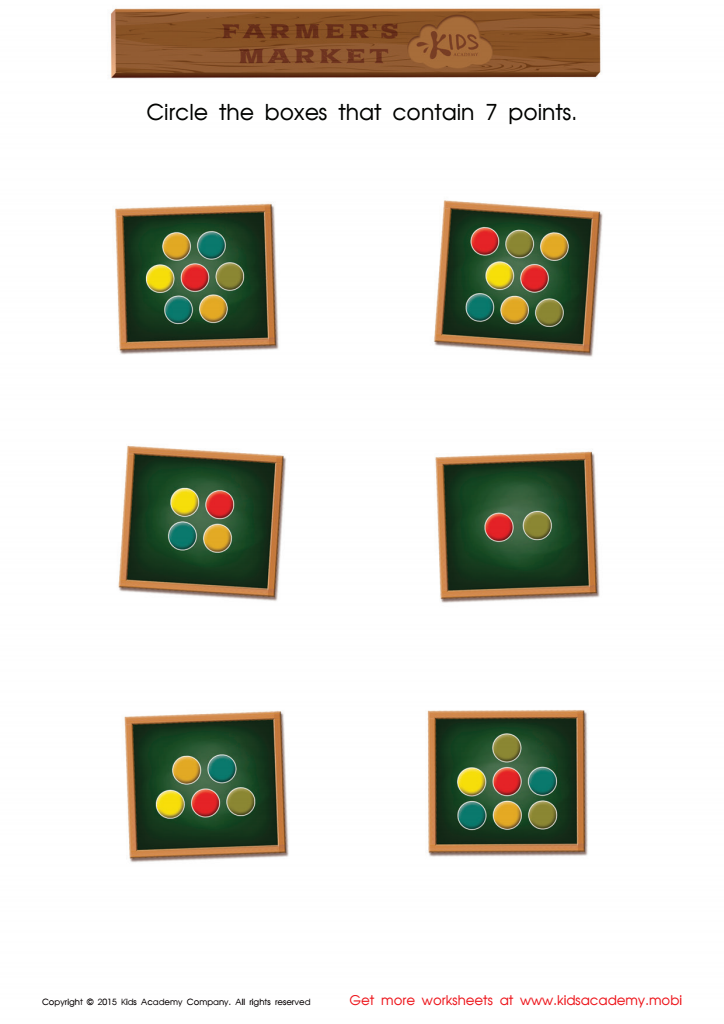
Count and Match Points 7 Math Worksheet
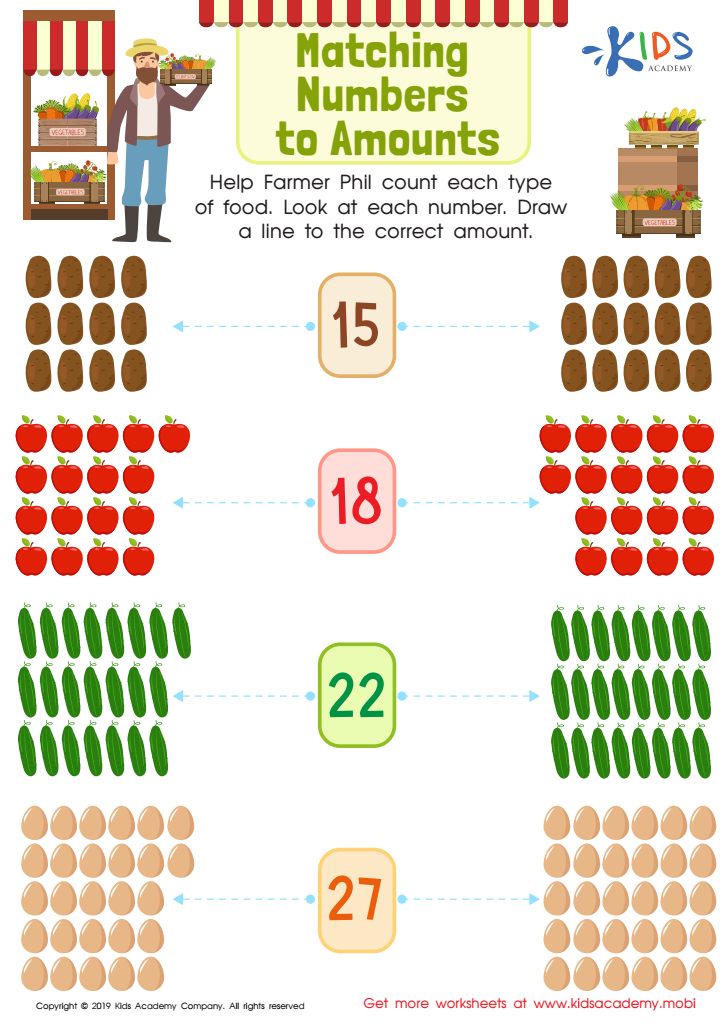
Matching Numbers to Amounts Worksheet








Parents and teachers should care about Matching skills in Normal Math for ages 3-4 because these foundational skills are critical for early cognitive development and set the stage for future mathematical understanding. At this age, children learn to recognize patterns, categorize objects, and establish relationships between different items, which are essential components of mathematical reasoning.
By engaging in matching activities, children enhance their visual discrimination skills, boosting their ability to identify similarities and differences. This activity nurtures critical thinking skills, encourages attention to detail, and fosters concentration. Additionally, matching helps develop vocabulary associated with mathematical concepts, such as “same,” “different,” “more,” and “less."
Early exposure to matching through playful, interactive activities makes math enjoyable, reducing anxiety around numbers as they grow. Moreover, it supports social skills as children often engage in these activities with peers or caregivers, promoting teamwork and communication.
Ultimately, supporting children's matching skills not only lays the groundwork for future math success but also builds confidence and a positive attitude towards learning. Investing time in these early experiences ensures that children are better equipped for more complex mathematical concepts in later years, thereby setting them on a path for academic success.








