Problem-Solving Skills Normal Math Worksheets for Ages 3-4 - Page 2
29 filtered results
-
From - To
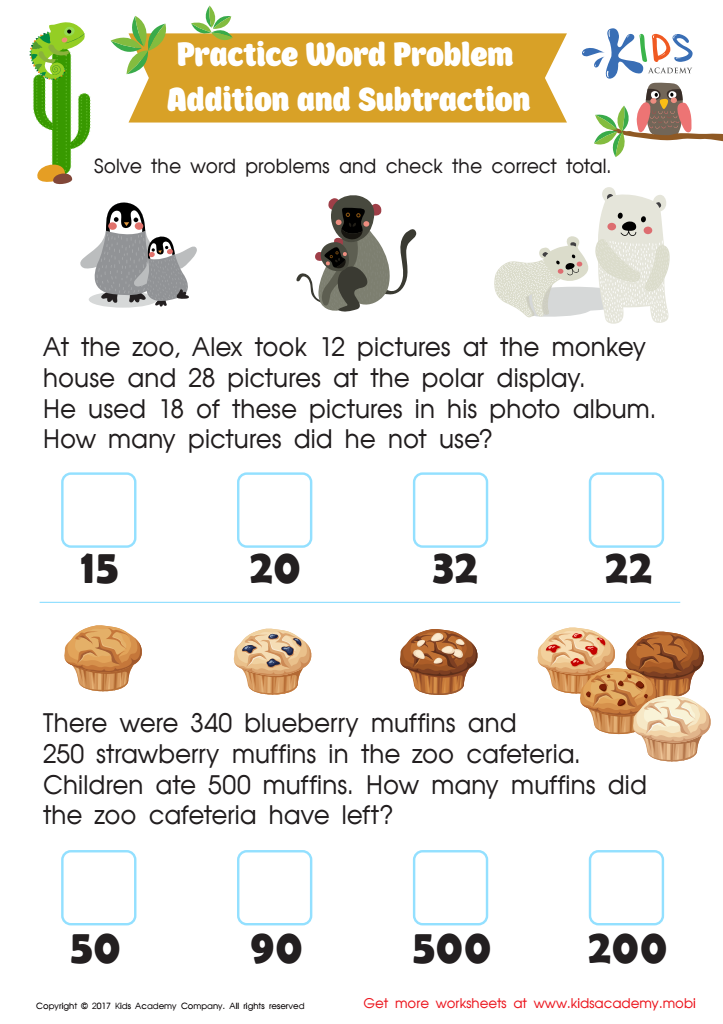
Addition and Subtraction: Word Problems Worksheet
 Assign to My Students
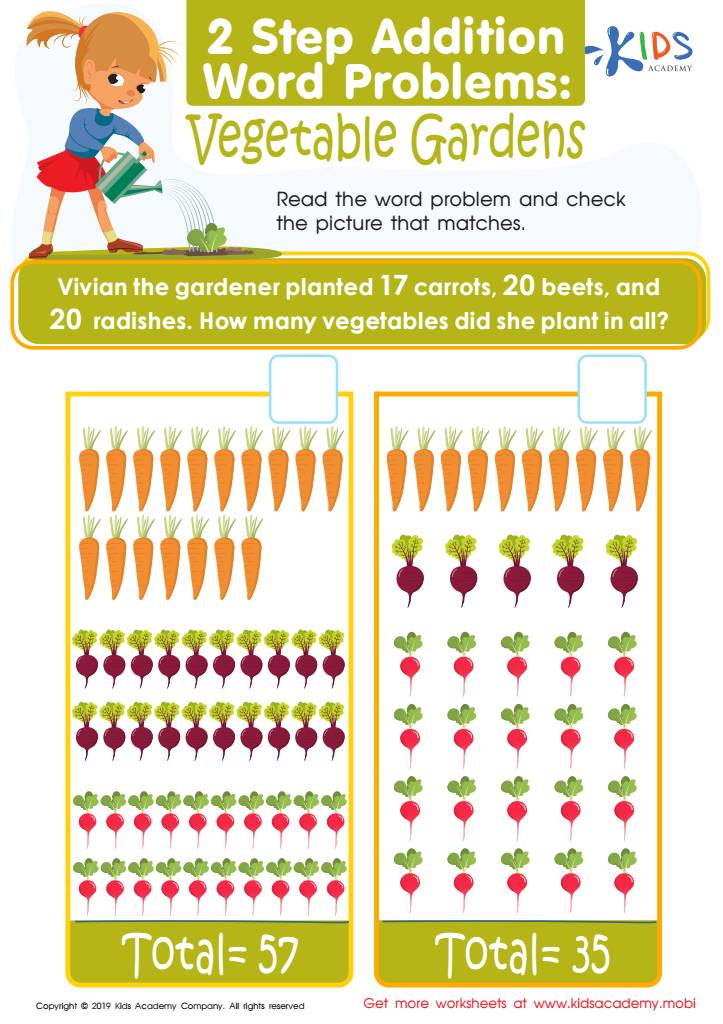
Vegetable Gardens Worksheet
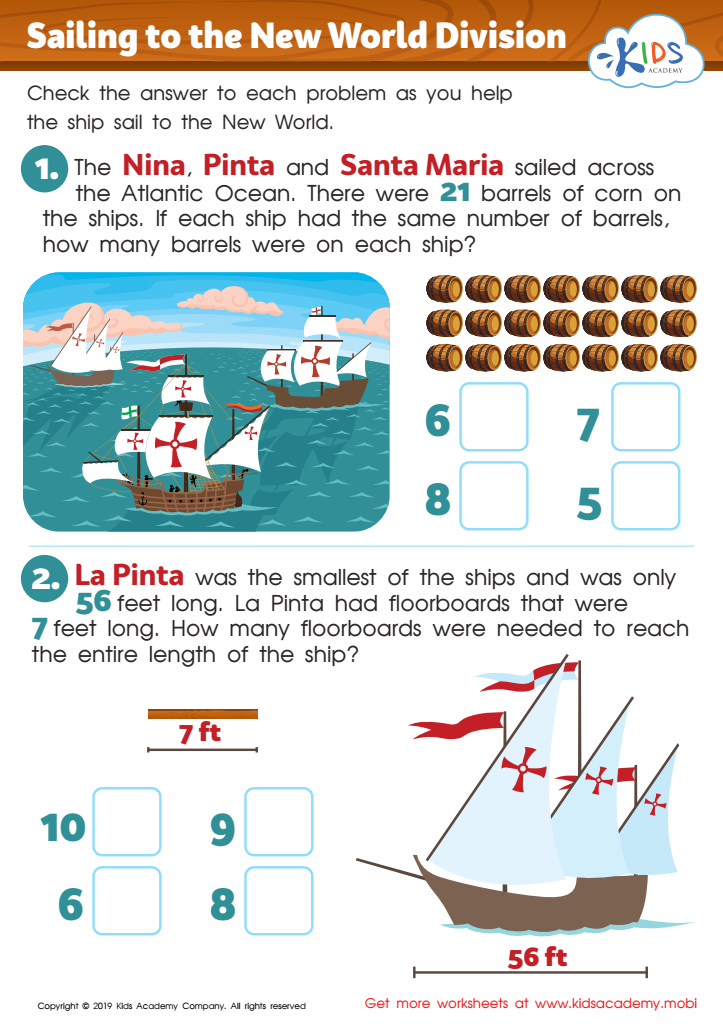
Sailing to the New World Division Worksheet
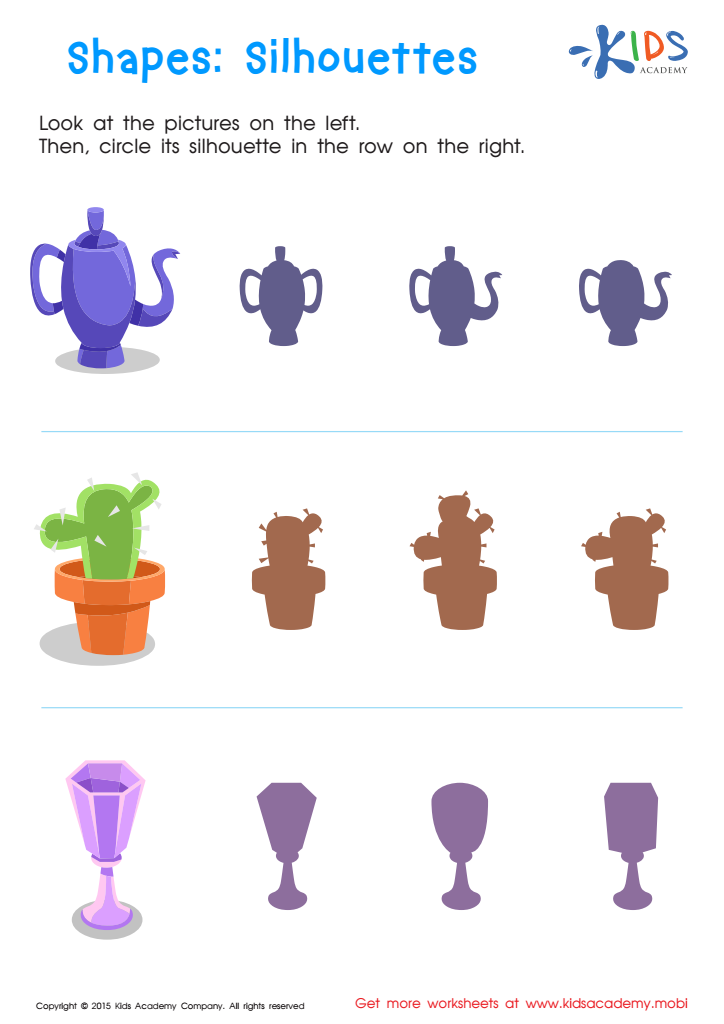
Silhouettes – Shapes Worksheet
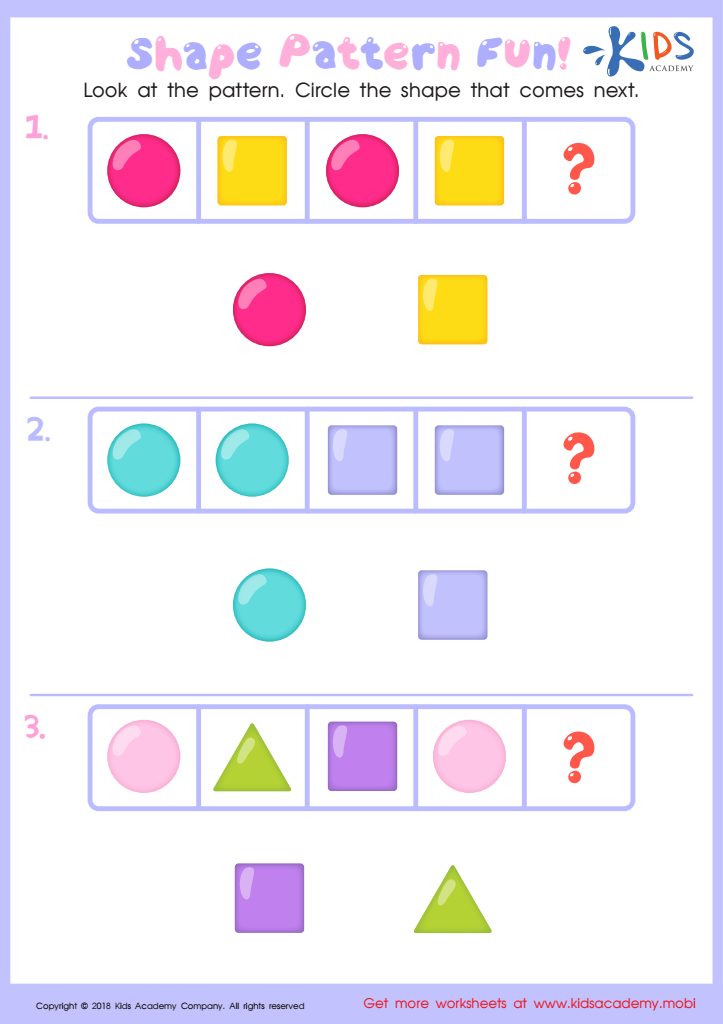
Shape Pattern Fun Worksheet








Parents and teachers should prioritize developing problem-solving skills in children aged 3-4 as these early experiences lay the foundation for future learning and cognitive development. At this age, children are naturally curious and engaged in exploring their environment. By integrating normal math activities that encourage problem-solving, adults can foster critical thinking skills essential for academic success.
Problem-solving teaches children how to approach challenges and think logically, skills they will rely on throughout their lives. For instance, math-related games can introduce concepts such as counting, patterns, and categorization in a playful manner, making learning enjoyable and interactive. These activities also help in enhancing fine motor skills, vocabulary usage, and social interactions when performed in groups.
Moreover, nurturing problem-solving abilities at this stage can promote resilience. When children learn to tackle tasks, experiment with solutions, and handle mistakes, they become confident in their capacity to navigate challenges, both academically and personally. As adults support their exploration, they develop a growth mindset, understanding that effort and persistence lead to improvement. Thus, fostering problem-solving skills in young children is vital for their overall development and prepares them for future educational experiences.








