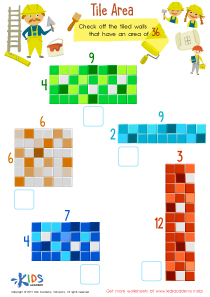
Cognitive Development Normal Matching Worksheets for Ages 3-4
4 filtered results
-
From - To
Boost your child's cognitive development with our engaging Normal Matching Worksheets designed specifically for ages 3-4! These interactive activities encourage critical thinking and problem-solving skills while enhancing memory and attention. Our worksheets feature colorful illustrations and simple tasks that keep little ones motivated and excited to learn. From matching shapes and colors to connecting related objects, kids will enjoy discovering relationships and patterns in a fun way. Perfect for home or preschool settings, these printable resources help build foundational skills necessary for early learning. Start your child’s educational journey today with our Cognitive Development Normal Matching Worksheets!
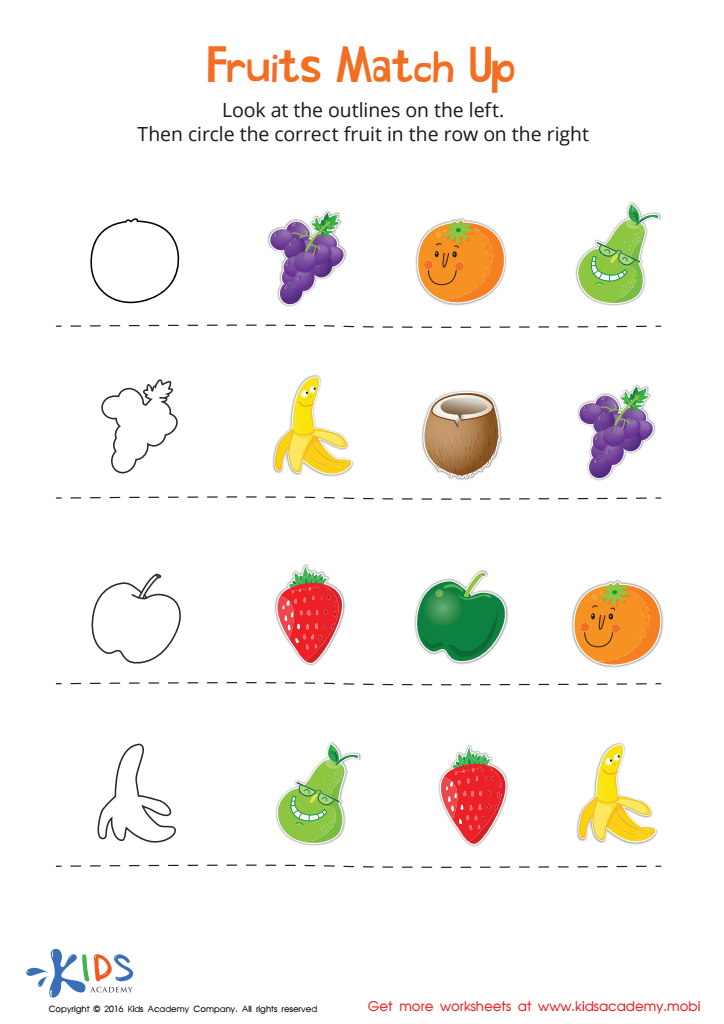
Fruits Match Up Worksheet
 Assign to My Students
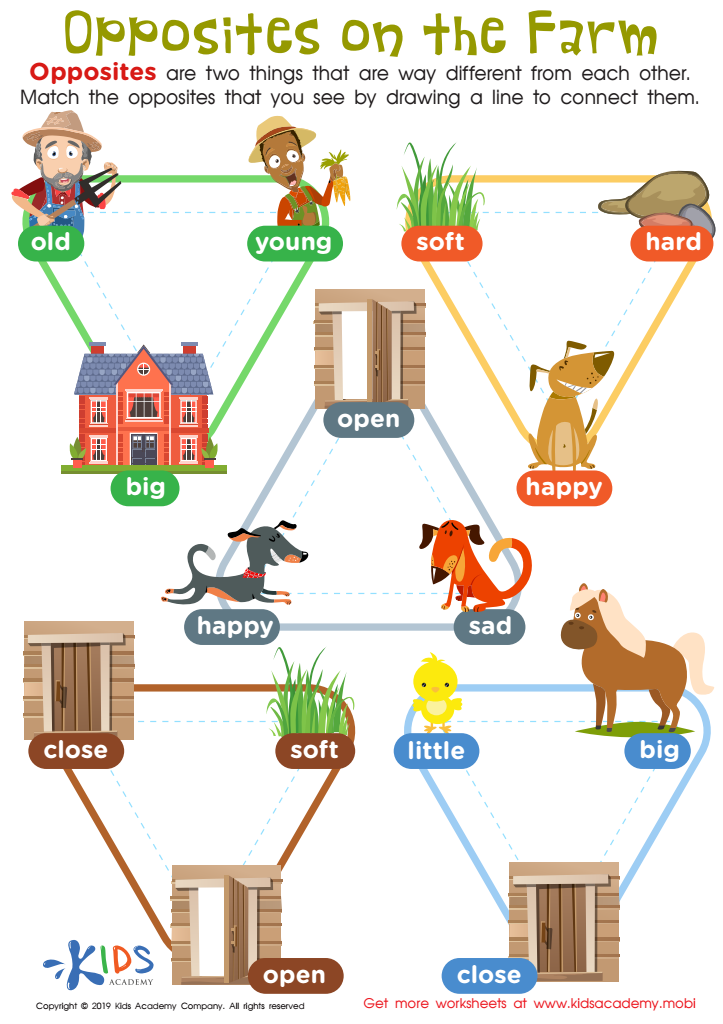
Opposites on the Farm Worksheet
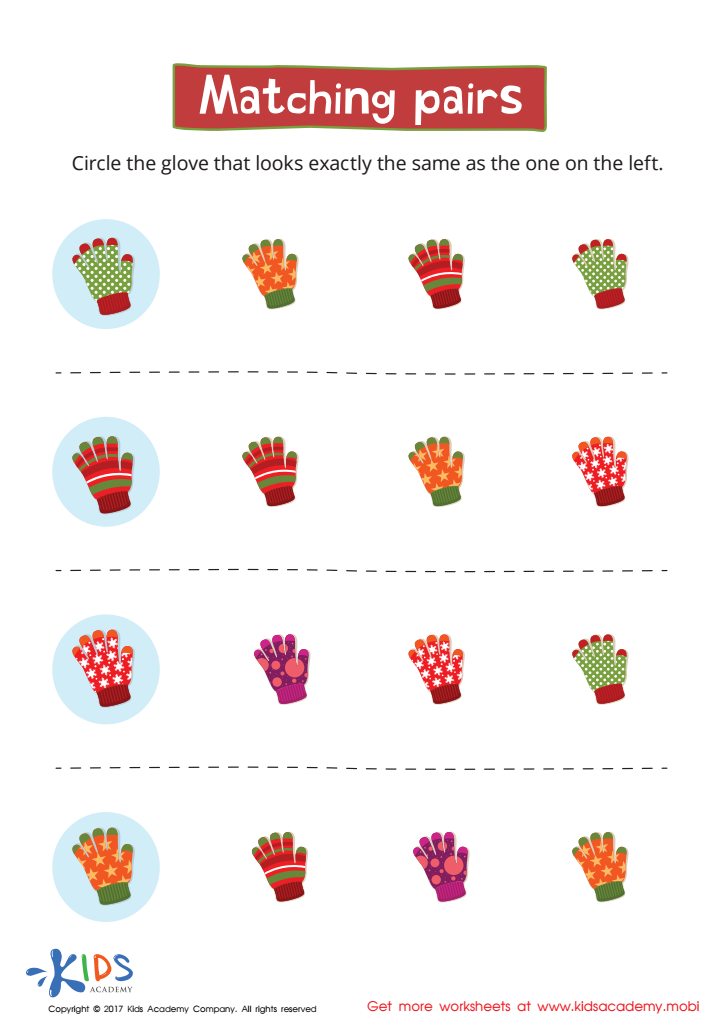
Matching: Matching Pairs Worksheet
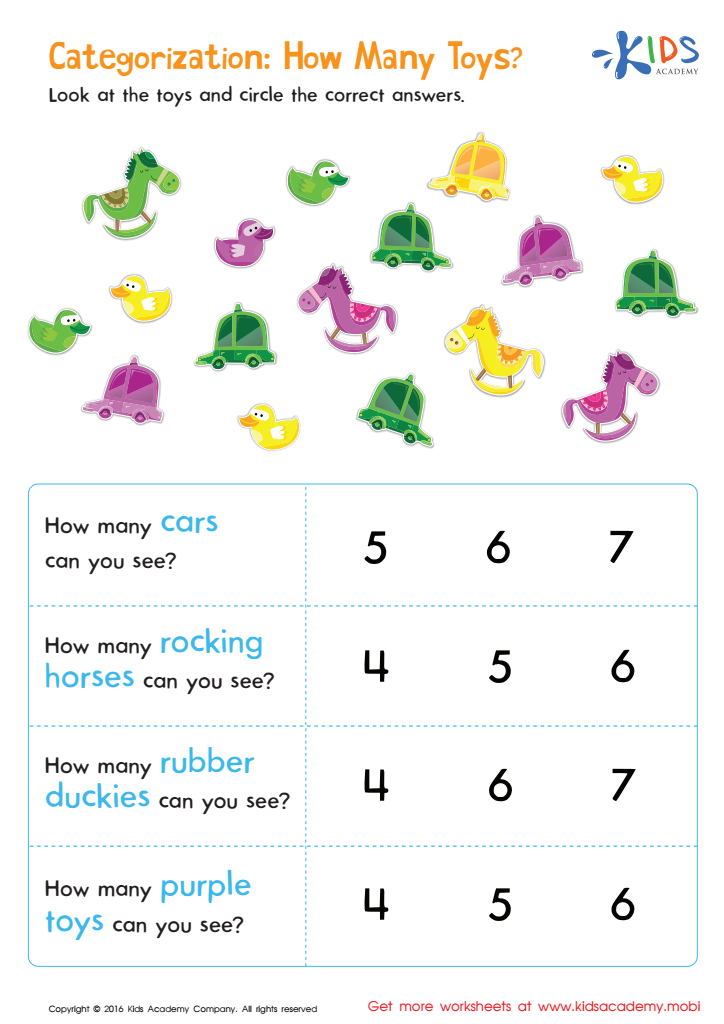
Classifying Toys by Type and Color Sorting Worksheet




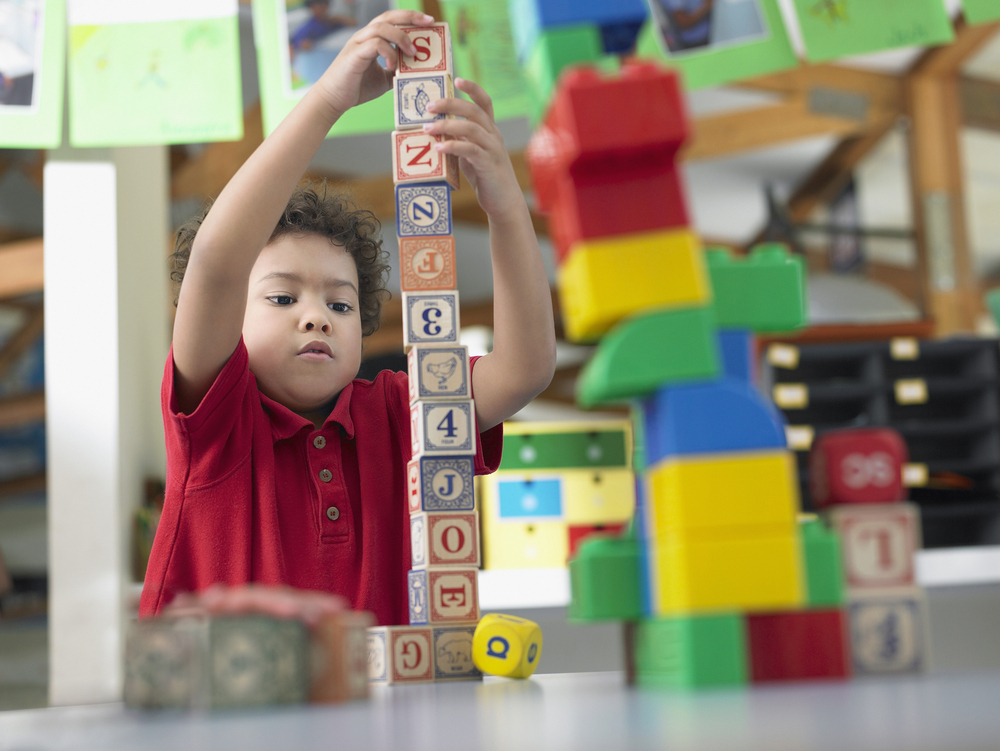



Cognitive Development Normal Matching for ages 3-4 is crucial for both parents and teachers because it helps ensure that children are reaching key developmental milestones essential for their overall growth. At this age, children are rapidly developing their ability to think, reason, and understand the world around them. Engaging in activities that promote cognitive skills—like matching games—enhances their memory, attention span, and problem-solving abilities.
Parents should care because they are a child's primary learning environment. Knowing the normal stages of cognitive development allows them to provide appropriate stimuli that foster curiosity and learning. Actively supporting these skills can lead to improved academic outcomes in later years.
Teachers also play a vital role in this stage of development. By conducting activities that align with cognitive development norms, teachers can create an engaging learning environment tailored to children's specific needs. This not only fortifies their cognitive skills but also builds social and emotional competencies.
Ultimately, understanding and supporting cognitive development in young children creates a solid foundation for lifelong learning and adaptability, ensuring they are well-prepared to navigate more complex academic and social challenges in the future. Proper guidance and engagement during these formative years are key to nurturing well-rounded individuals.