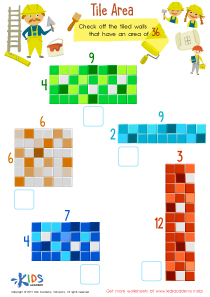
Matching skills Normal Matching Worksheets for Ages 3-4
4 filtered results
-
From - To
Enhance your child's learning with our engaging Normal Matching Worksheets designed for ages 3-4. These worksheets promote essential matching skills, helping young learners develop their cognitive abilities while having fun. Children will enjoy a variety of colorful activities that encourage observation and critical thinking as they pair objects, shapes, and visuals. Perfect for early education settings or at-home learning, these worksheets are user-friendly and designed to support early childhood development. Discover how playful learning can inspire your child’s creativity and understanding. Visit our site to download your matching skills worksheets today and watch your little one thrive in their educational journey!
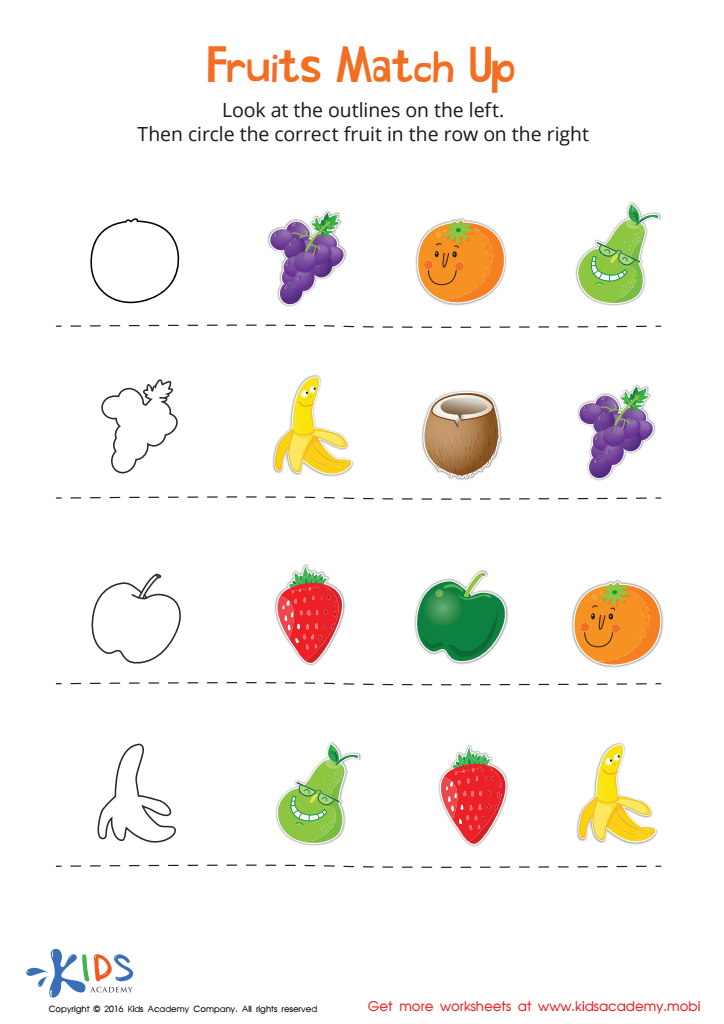
Fruits Match Up Worksheet
 Assign to My Students
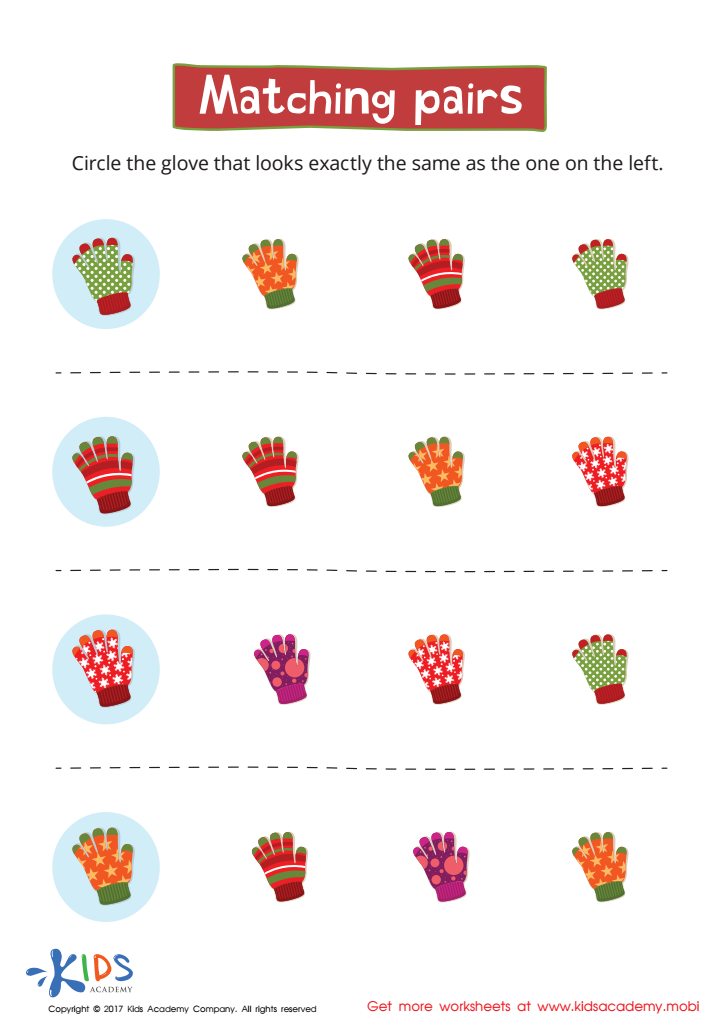
Matching: Matching Pairs Worksheet
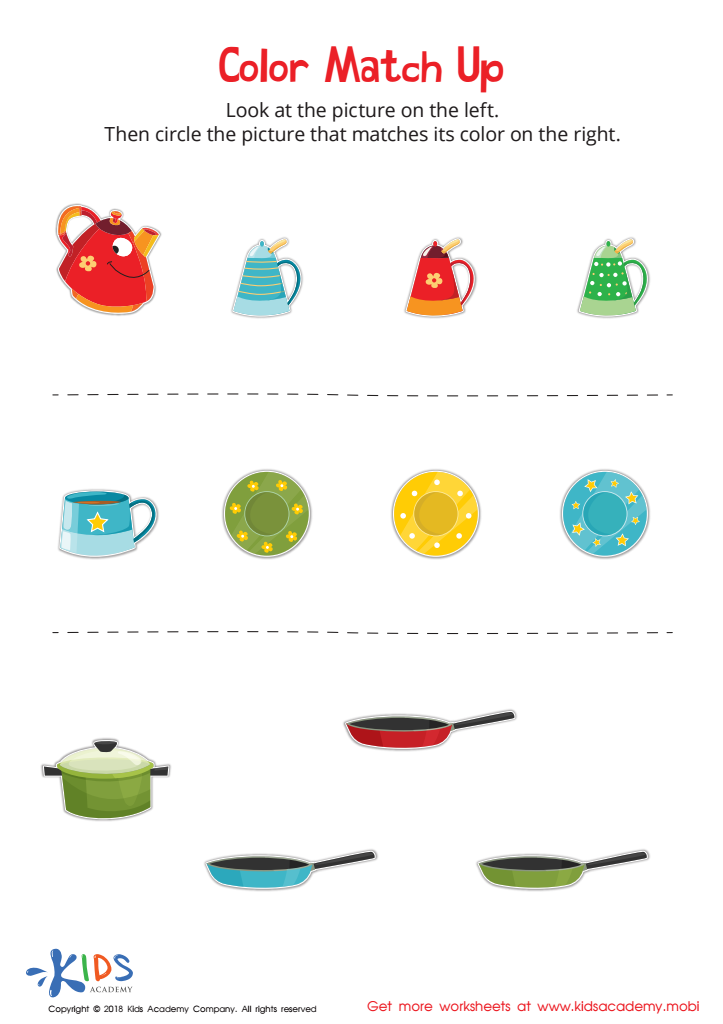
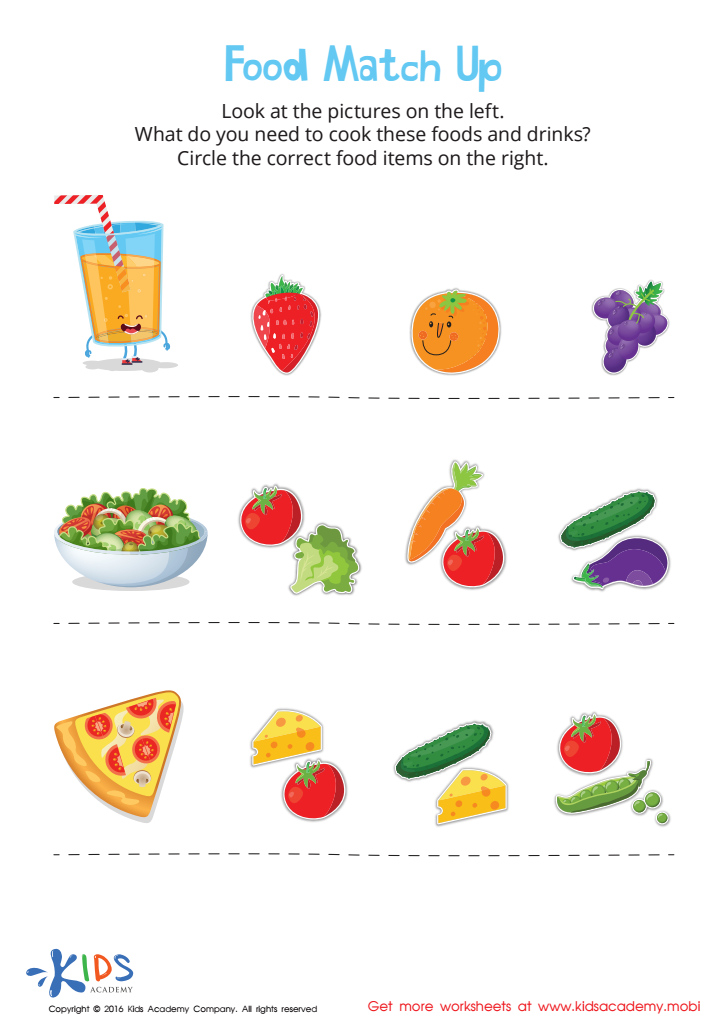
Food Match Up Worksheet







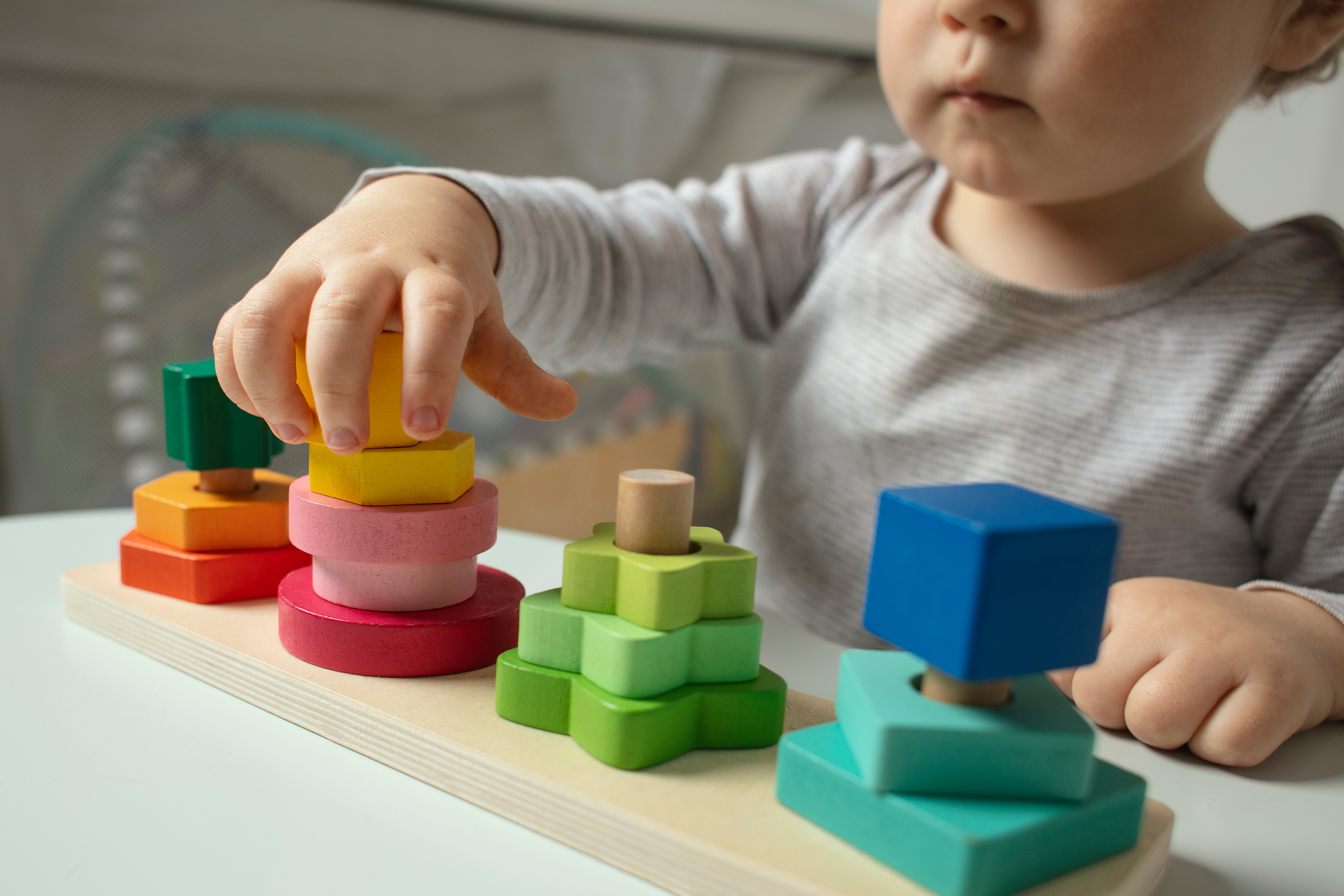
Matching skills, particularly through activities known as "Normal Matching," are critical for the developmental stage of children aged 3-4. For parents and teachers, fostering these skills is essential as they lay the groundwork for various cognitive abilities and essential life skills that children will use throughout their education and beyond.
Firstly, matching activities help enhance a child's cognitive development by encouraging recognition, comparison, and categorization. Children begin to identify similarities and differences, which bolsters their observational skills and reasoning abilities. This foundational skill is also vital for early literacy and numeracy as children learn to identify letters, shapes, and numbers.
Moreover, matching promotes fine motor skills through hands-on activities. Manipulating objects during matching games aids in the development of hand-eye coordination, dexterity, and overall motor control.
Another crucial aspect is the social interaction these activities encourage. When children engage in matching games with peers or adults, they develop collaboration skills and learn the importance of patience and taking turns.
Ultimately, nurturing matching skills during these formative years sets a positive trajectory for future academic success and continues to support social-emotional development, making it a worthy focus for both parents and educators.