Categorization skills Normal Sorting Worksheets for Ages 3-4
5 filtered results
-
From - To
Enhance your child's categorization skills with our Normal Sorting Worksheets designed for ages 3-4. These engaging and interactive worksheets help budding learners develop essential sorting abilities by grouping items based on color, shape, and size. Tailored for early childhood education, each worksheet provides a fun and playful approach to learning, making it easier for young minds to understand similarities and differences. By participating in these activities, children not only boost their cognitive development but also sharpen their critical thinking skills. Explore our vibrant selection and watch your little one gain confidence while mastering the art of sorting and categorization!
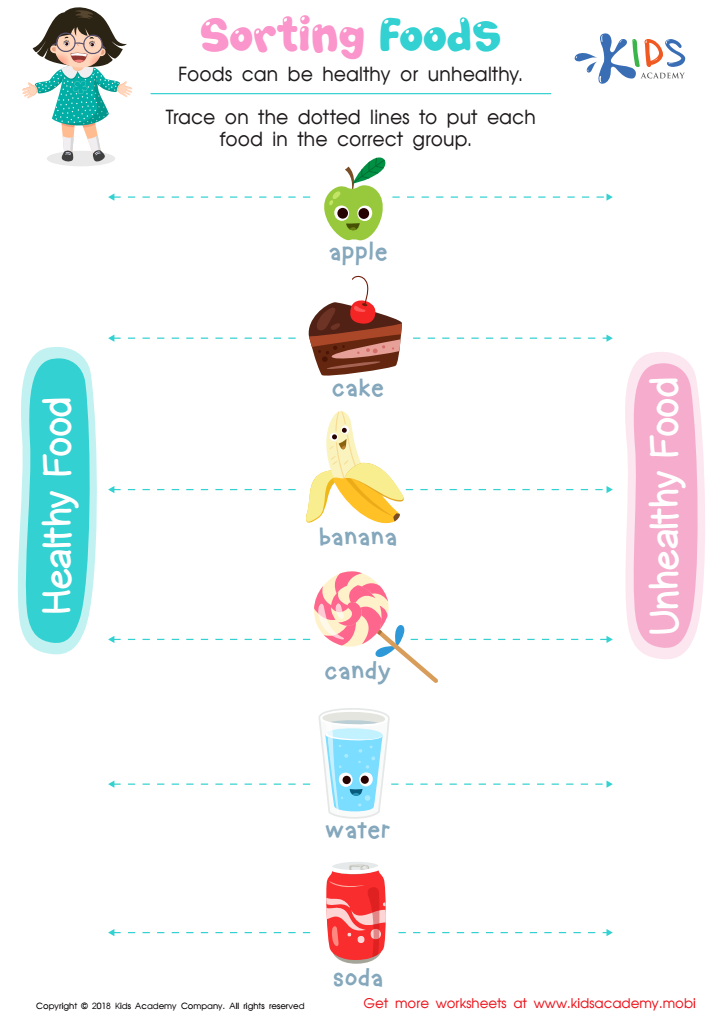
Sorting Food Worksheet
 Assign to My Students
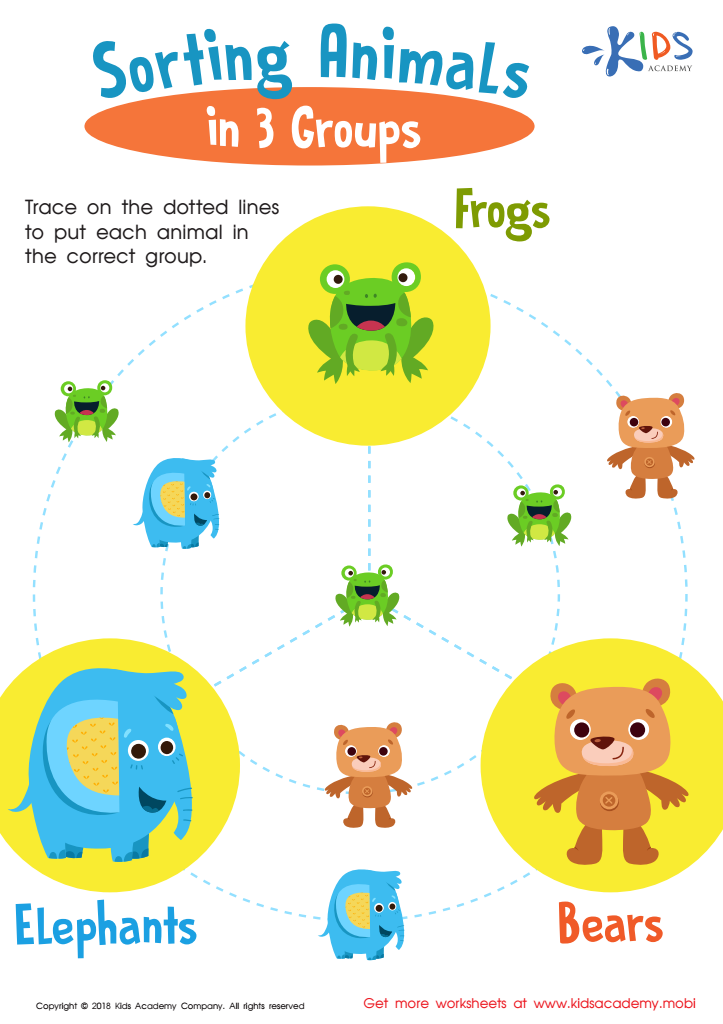
Sorting Animals in 3 Groups Worksheet
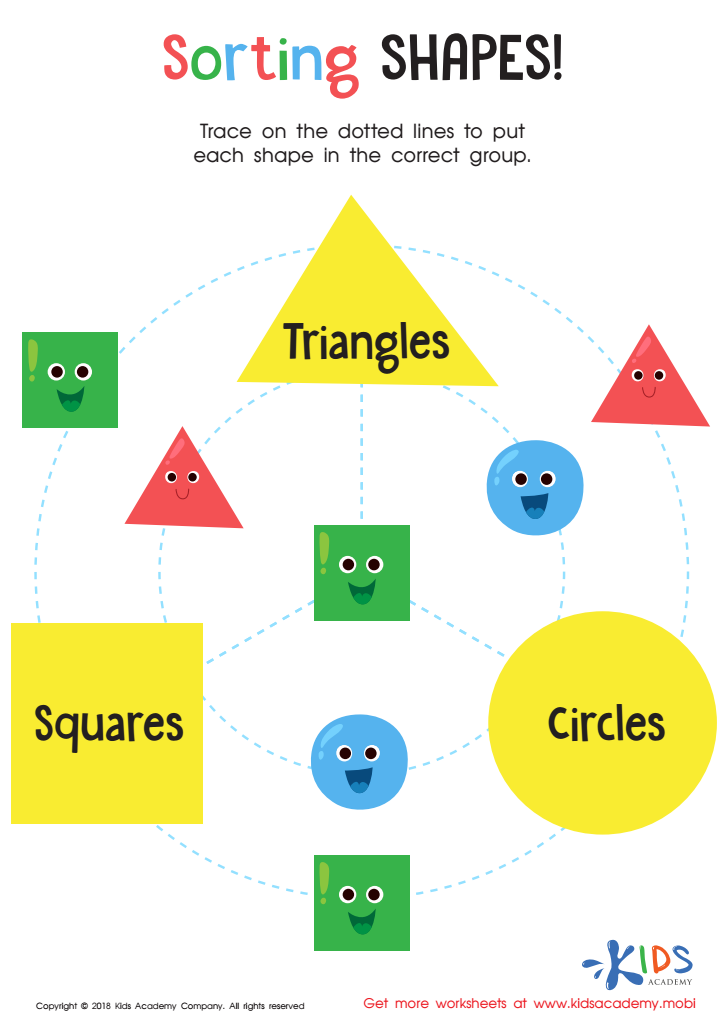
Sorting Shapes - Part 3 Worksheet
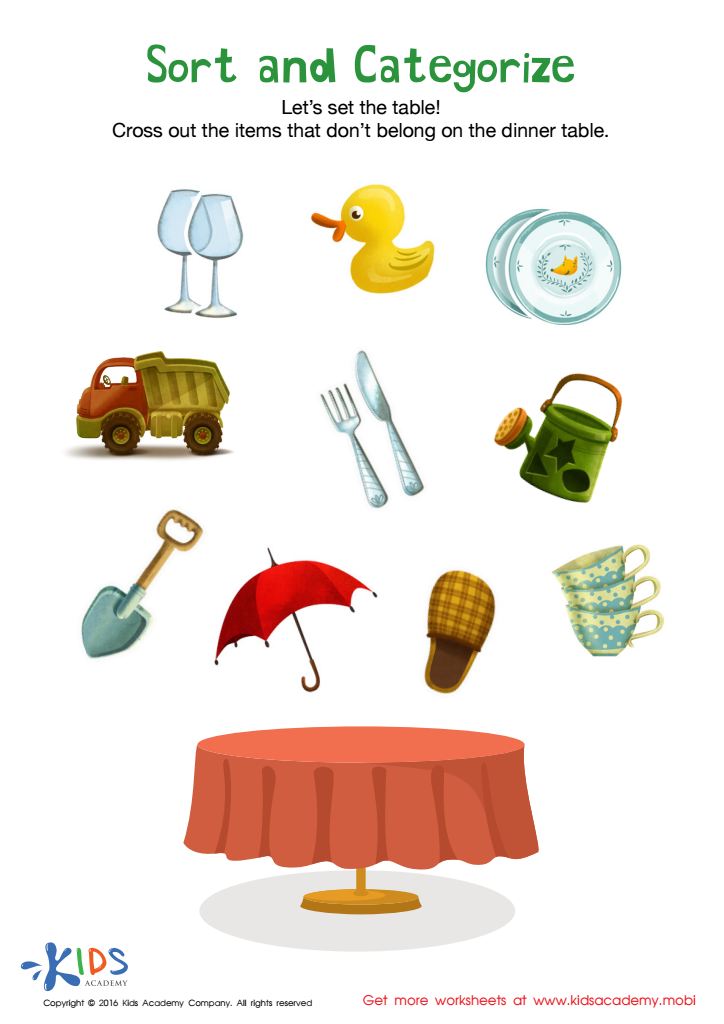
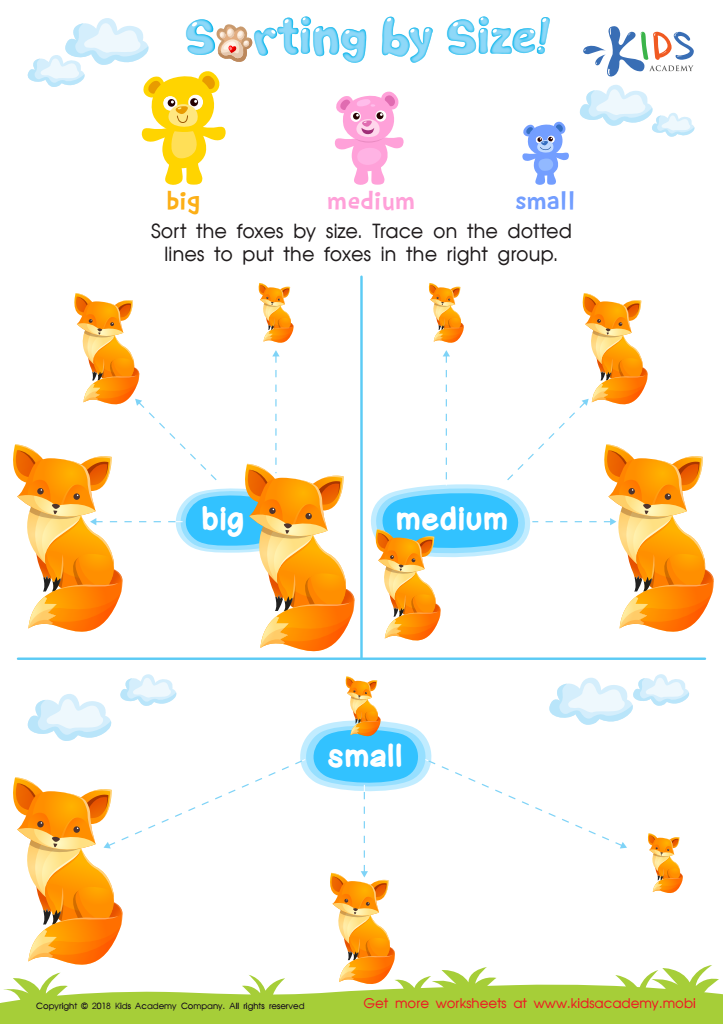
Sorting by Size Worksheet








Categorization skills, particularly normal sorting, are foundational cognitive abilities that play a significant role in early childhood development for children aged 3-4. Parents and teachers should prioritize these skills because they enhance critical thinking, problem-solving, and the ability to recognize similarities and differences, which are essential for effective learning.
Sorting activities help children to classify objects based on shared attributes, such as size, color, or shape. This practice not only promotes cognitive growth but also strengthens language skills as children learn to articulate their observations and choices. As they engage in sorting, they develop the ability to organize information, laying the groundwork for future mathematical skills, as categorization is inherently linked to understanding quantities and patterns.
Moreover, these activities foster independence and confidence in young learners, as they make choices and decisions about how to sort items. Engaging in normal sorting also encourages social interaction during group activities, enhancing communication skills and teamwork.
In essence, developing categorization skills through sorting provides young children with essential tools for academic success and social development. By incorporating these activities into early educational experiences, parents and teachers can significantly impact children's ability to navigate their world and thrive in future learning environments.








