Sentence construction Normal Reading Worksheets for Ages 3-4
4 filtered results
-
From - To
Introduce your child to the building blocks of language with our "Sentence Construction Normal Reading Worksheets for Ages 3-4." Designed specifically for young learners, these engaging worksheets foster early literacy skills by encouraging children to form simple sentences using pictures and words. Each activity promotes critical thinking and language development while keeping learning fun and interactive. With this resource, children will enhance their vocabulary and comprehension as they explore language structure in an enjoyable way. Perfect for preschool classrooms or home learning, these worksheets provide a solid foundation for future reading success. Start your child’s reading journey today!
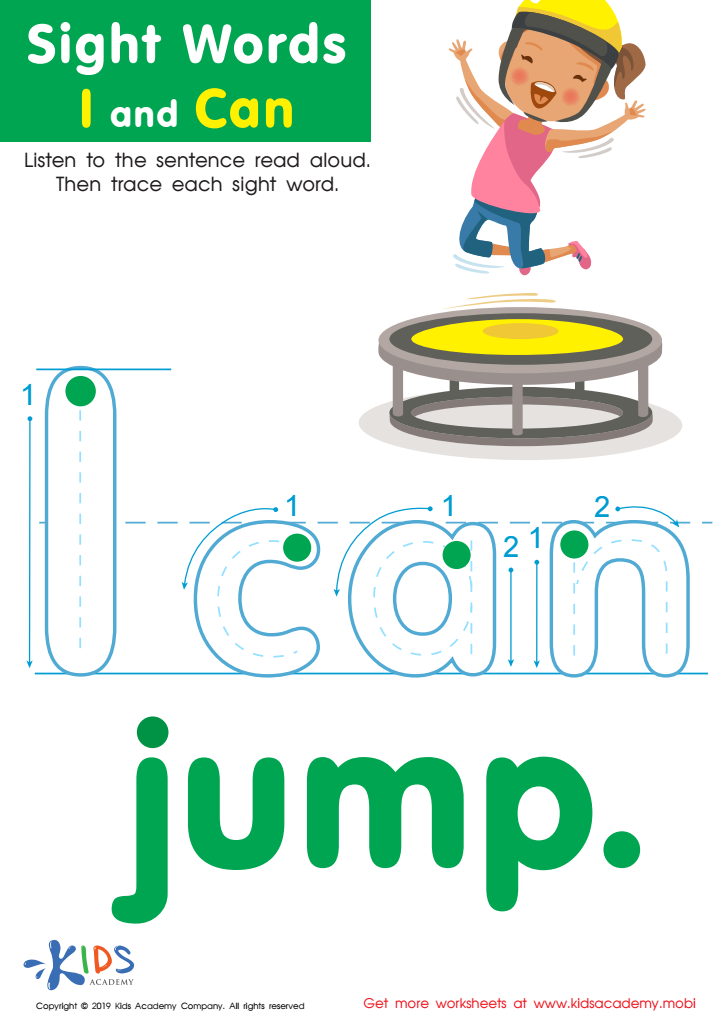
Sight Words I Can Worksheet
 Assign to My Students
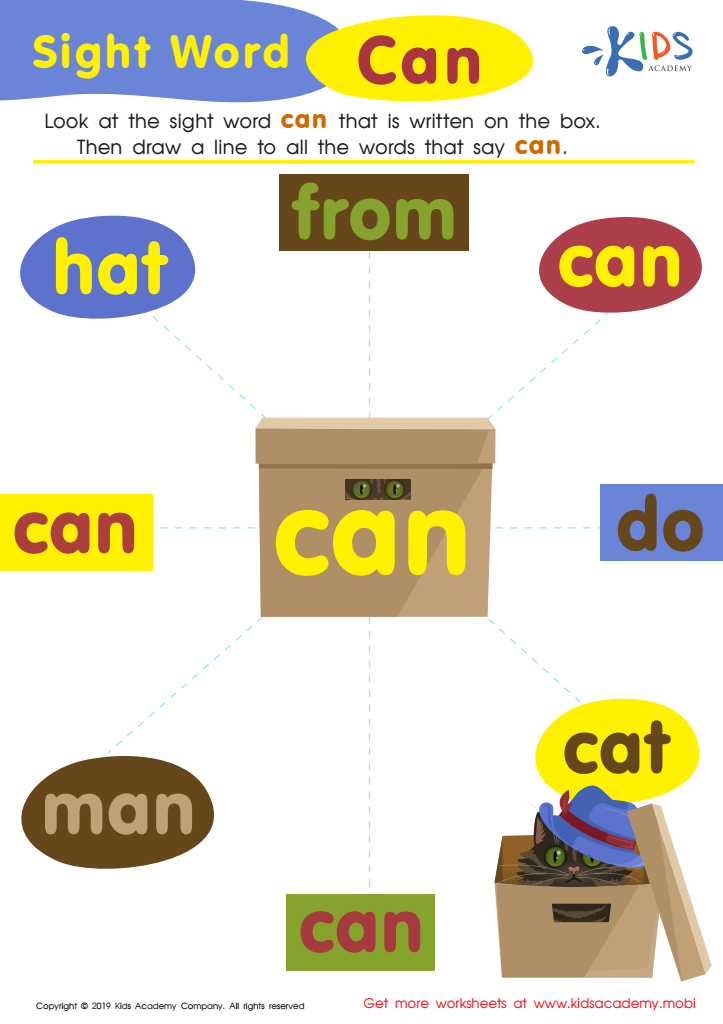
Sight Word Can Worksheet
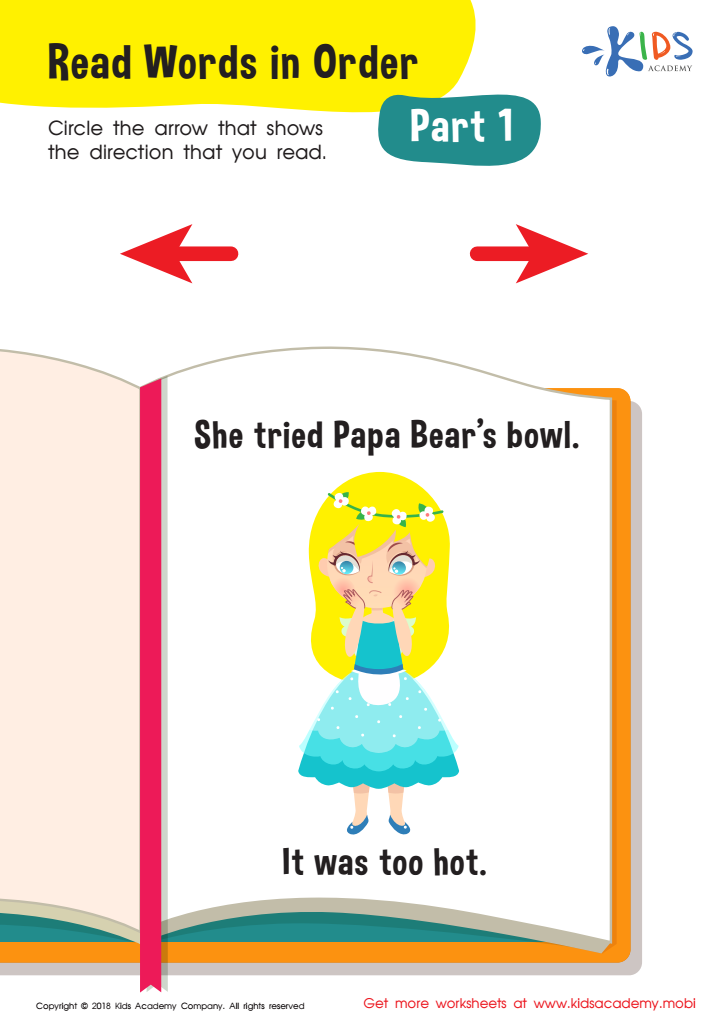
Read Words Order Part 1 Worksheet
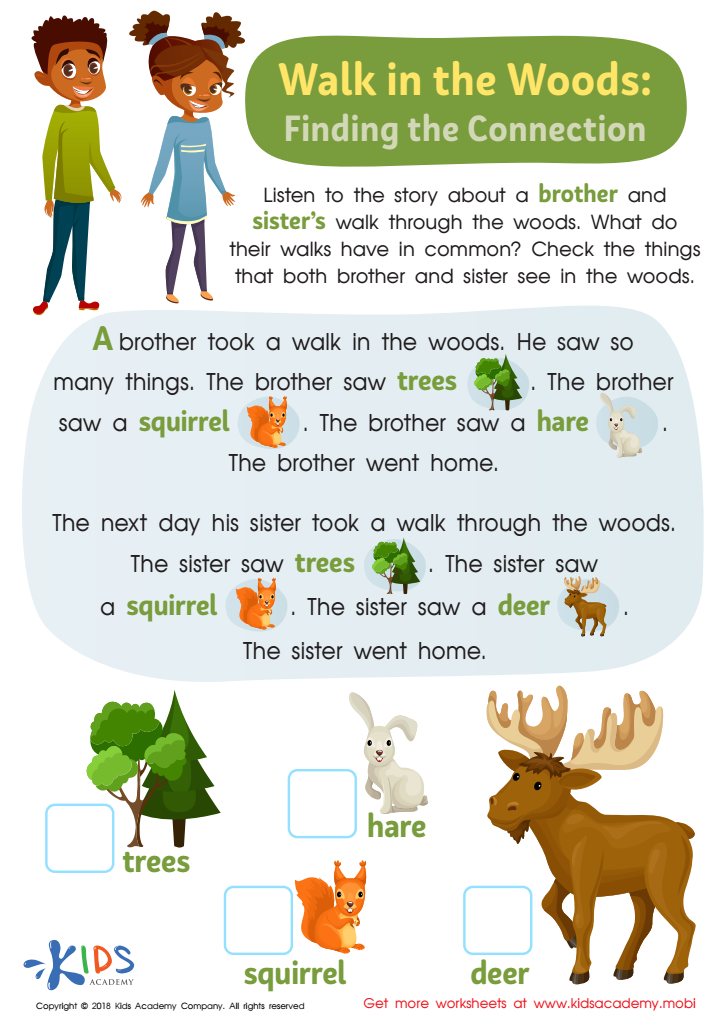
Walk In the Woods: Finding Connections Worksheet








Parents and teachers should prioritize sentence construction and normal reading for children aged 3-4 for several compelling reasons. At this early developmental stage, children are rapidly learning language skills, and engaging them in activities centered around reading and sentence formation enhances their cognitive development. Reading together encourages exposure to new vocabulary and sentence structures, which broadens their linguistic repertoire.
Moreover, developing strong sentence construction skills supports preschool and kindergarten readiness, allowing children to express themselves clearly and effectively. This competency is crucial for their social interaction, enabling them to communicate needs, share ideas, and build relationships with peers and adults. Exposure to normal reading habits establishes a foundation for literacy that can lead to improved academic performance in later years.
Additionally, engaging in these activities helps foster a love for books and storytelling, cultivating a lifelong passion for reading. By experiencing rich, varied language in books, children also develop crucial listening skills and comprehension abilities.
Overall, focusing on sentence construction and normal reading lays essential groundwork in a child's literacy journey, equips them for future academic success, and enriches their overall communication skills positively influencing their social and emotional development.








