Filters

30 filtered results

Clear all filters
Favorites
With answer key
Interactive

30 filtered results

Difficulty Level

Grade


Check out this FREE Trial Lesson on Science for age 3-4!

Identify Real-Life Connections Between Words and Their Use

Favorites
With answer key
Interactive
  • 3-4
  • Reading comprehension
  • Science
  • Normal
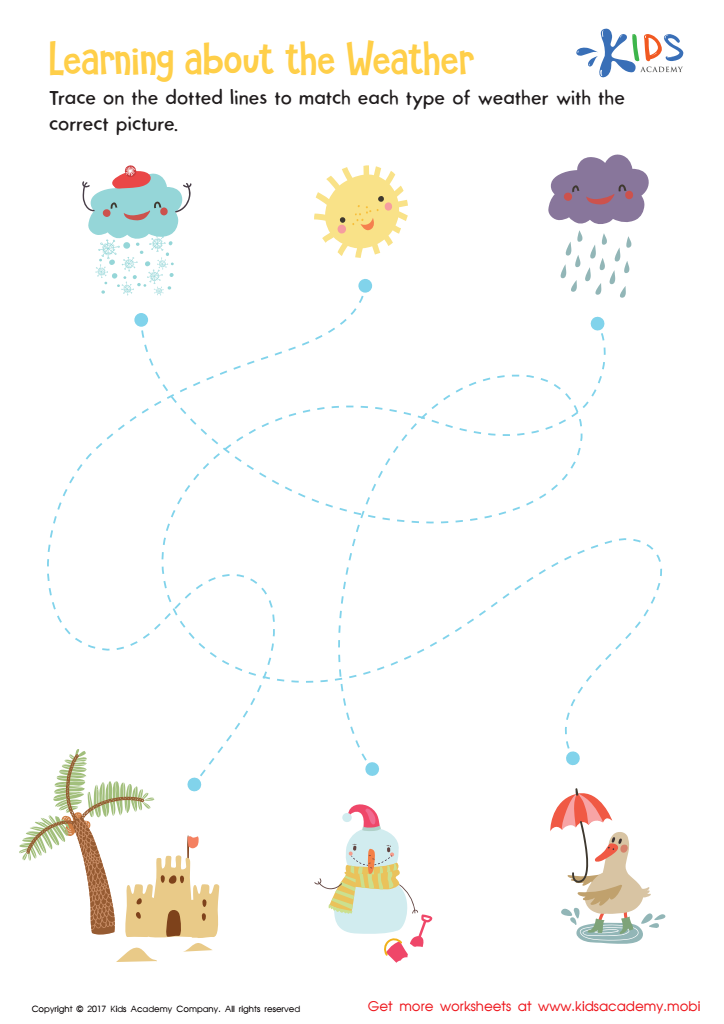
Weather Matching Worksheet

Learning About the Weather Worksheet

Learning About the Weather Worksheet
Worksheet
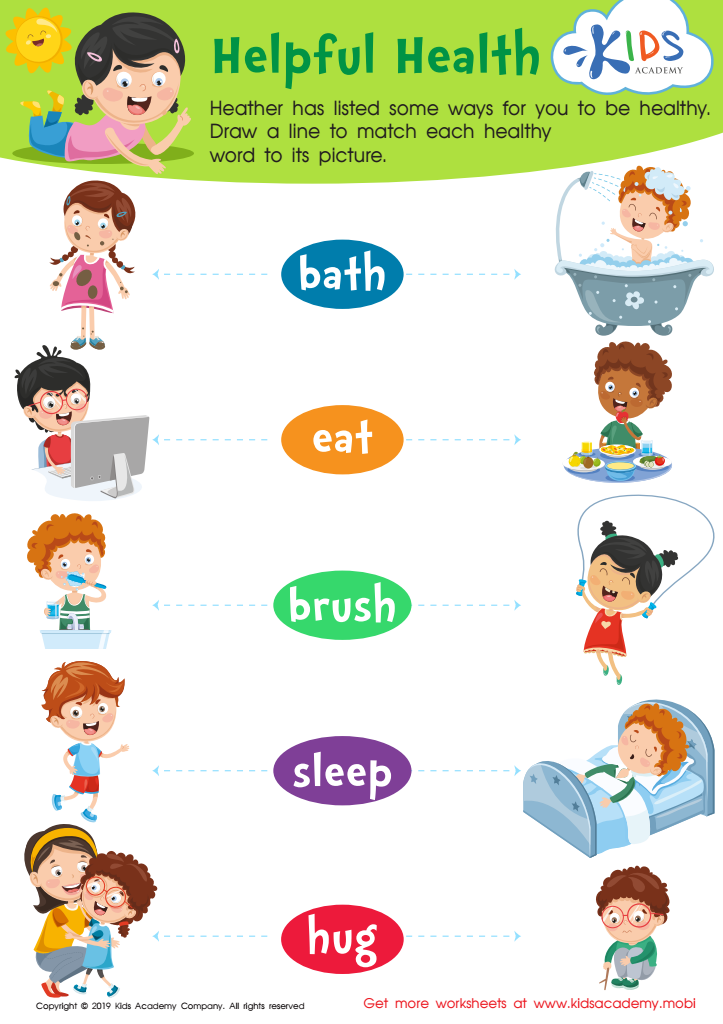
Helpful Health Worksheet

Helpful Health Worksheet

Kids can learn healthy habits with this free worksheet! With their pal Heather, they'll trace lines to connect health words with pictures like brushing teeth, hugging, and getting enough sleep. It's a great way to help young ones understand healthy activities.
Helpful Health Worksheet
Worksheet
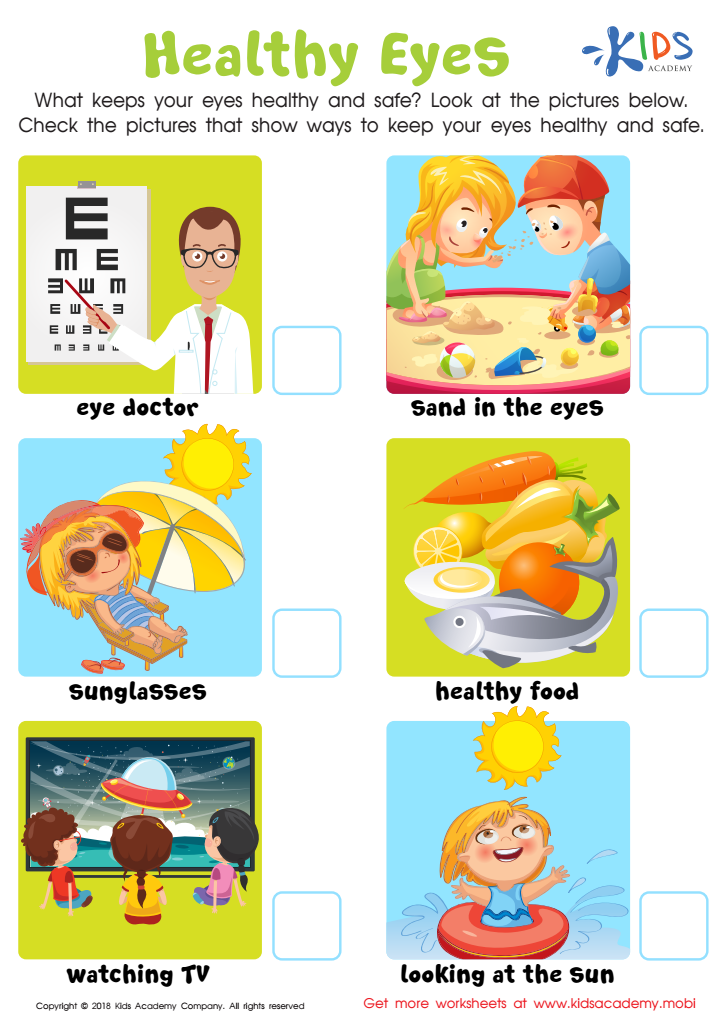
Healthy Eyes Worksheet

Healthy Eyes Worksheet

Does your child know how to care for their eyes? Help them understand with this worksheet. Look through the pictures together and discuss the different ways to keep the eyes healthy and safe. These include visits to the doctor, wearing sunglasses, and eating healthy food.
Healthy Eyes Worksheet
Worksheet
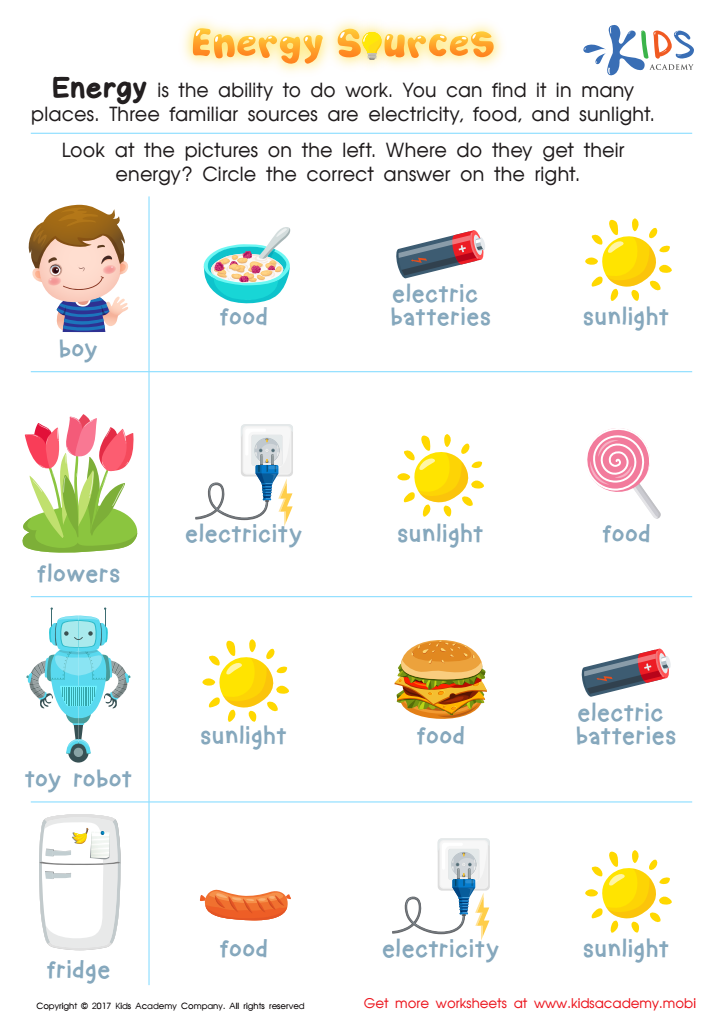
Energy sources worksheet PDF

Energy Sources Printable

Introduce energy sources with this worksheet PDF — explore the sun, batteries, and more! Get your mini scientist excited about energy and power up their learning.
Energy Sources Printable
Worksheet
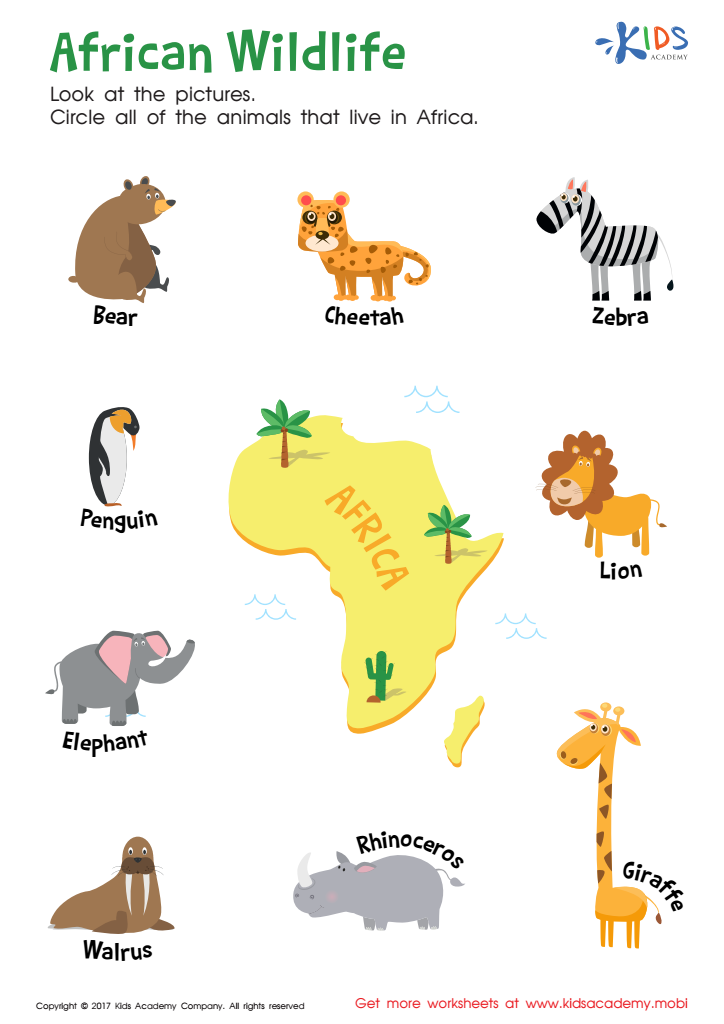
African Wildlife Printable Worksheet

African Wildlife Worksheet

African Wildlife Worksheet
Worksheet
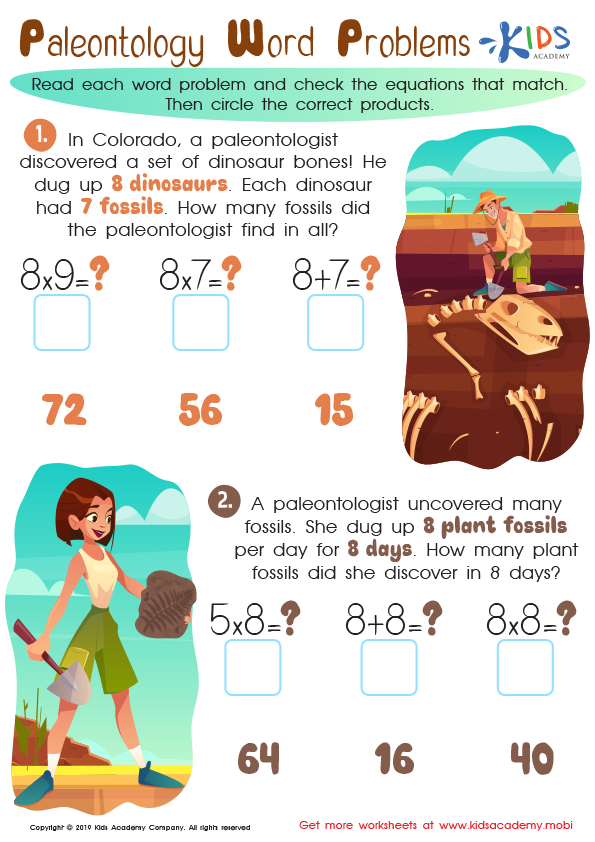
Archeology Word Problems Worksheet


Archeology Word Problems Worksheet

Encourage your child to explore their career options! Show them an archeologist's job with this worksheet - featuring a picture of a dinosaur bone discovery. Read the accompanying text, then solve the word problems. Help your kids circle the correct answers to better understand this profession.
Archeology Word Problems Worksheet

Worksheet


Understanding reading comprehension at an early age, particularly for children aged 3-4, is crucial for parents and teachers. At this developmental stage, children are like sponges, absorbing information from their environment. Introducing them to basic elements of reading comprehension helps lay a strong foundation for future literacy skills.

At ages 3-4, simple interactions with books—through picture recognition, storyline recall, and word recognition—can significantly support cognitive and language development. Engaging with stories prompts children to think critically, ask questions, and express their thoughts, enhancing their verbal communication skills. This not only prepares them for academic success but also fosters a love for reading that can last a lifetime.

Beyond the academic benefits, strong reading comprehension skills promote emotional intelligence, as children learn to relate to characters, understand different perspectives, and navigate various emotions depicted in stories. Furthermore, these early practices encourage a sense of curiosity and wonder about the world, essential for lifelong learning.

For teachers and parents, prioritizing reading comprehension in early childhood is more than just preparing kids for school; it's about nurturing motivated, empathetic young individuals who can understand and communicate effectively in an increasingly complex world.