Critical Thinking Normal Plants and Animals Worksheets for Ages 3-4
3 filtered results
Difficulty Level
Grade
Age
-
From - To
Subject
Activity
Standards
Nurture growing minds with our "Critical Thinking Normal Plants and Animals Worksheets for Ages 3-4" at Kids Academy. Designed specifically for our youngest learners, these engaging printable worksheets effortlessly blend fun and education. As children explore the fascinating world of plants and animals, they develop crucial critical thinking skills, such as observation, comparison, and categorization. Perfect for parents and teachers, these worksheets encourage kids to ask questions, make connections, and think deeply about the natural world. Cultivate a love for science and problem-solving with our expertly crafted activities tailored for curious preschoolers. Start your child's educational adventure today!
Favorites
With answer key
Interactive
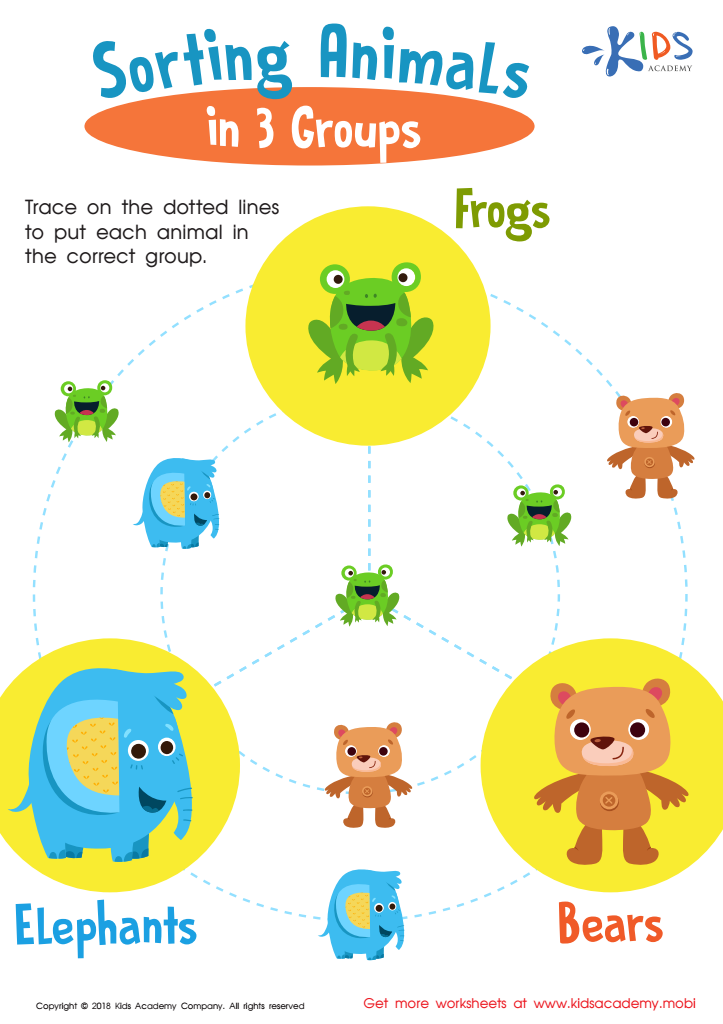
Sorting Animals in 3 Groups Worksheet
Let your kids practice and build skills for future Venn Diagrams with this PDF worksheet. They'll trace lines to match and group animals, and learn the differences and similarities of animals by categorizing with pictures and words. Plus, it's a great way to develop fine motor skills.
 Assign to My Students
Sorting Animals in 3 Groups Worksheet
Worksheet
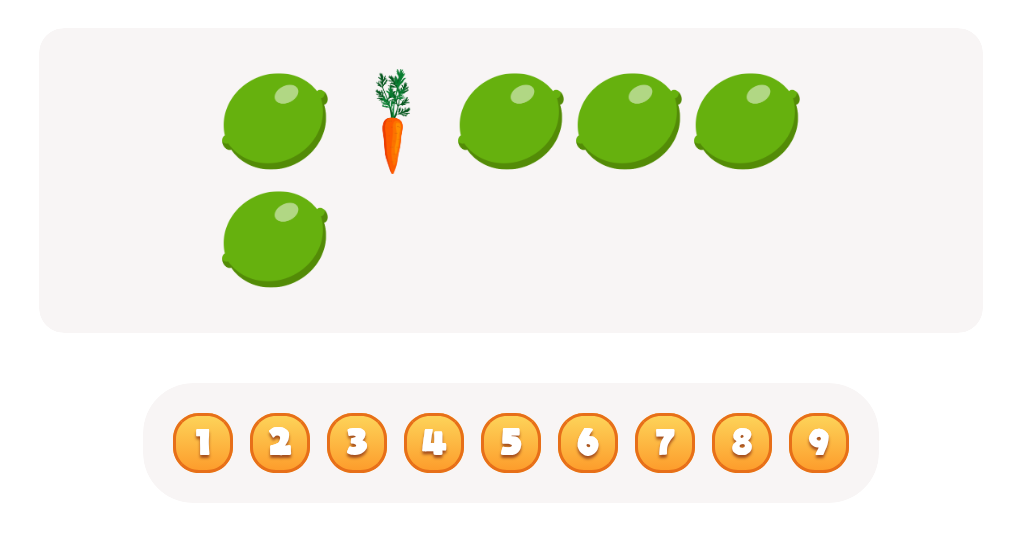

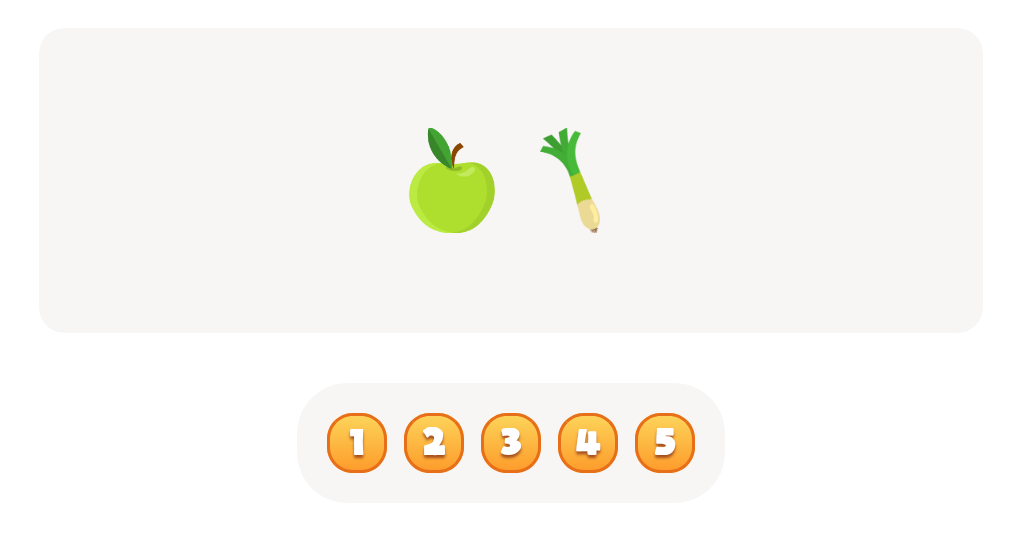
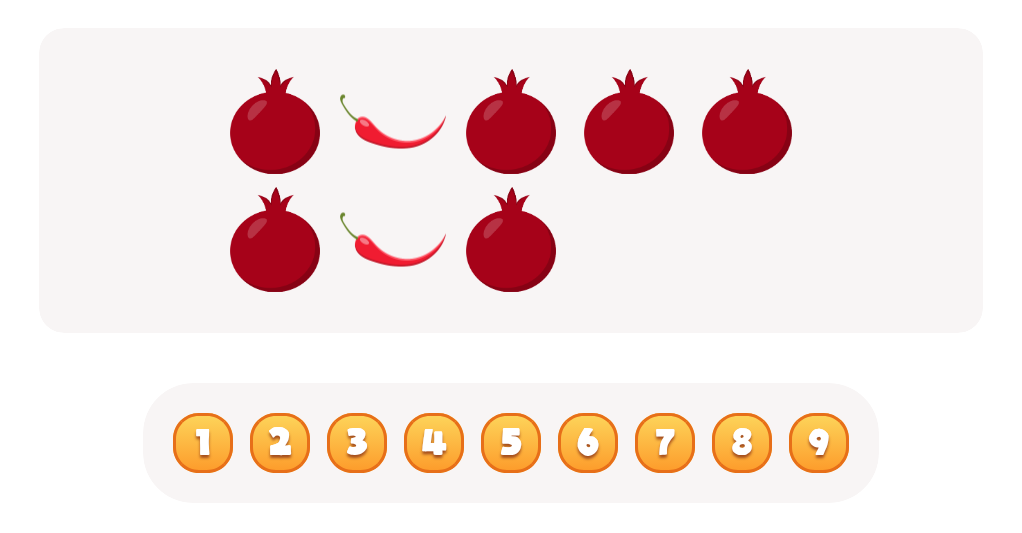
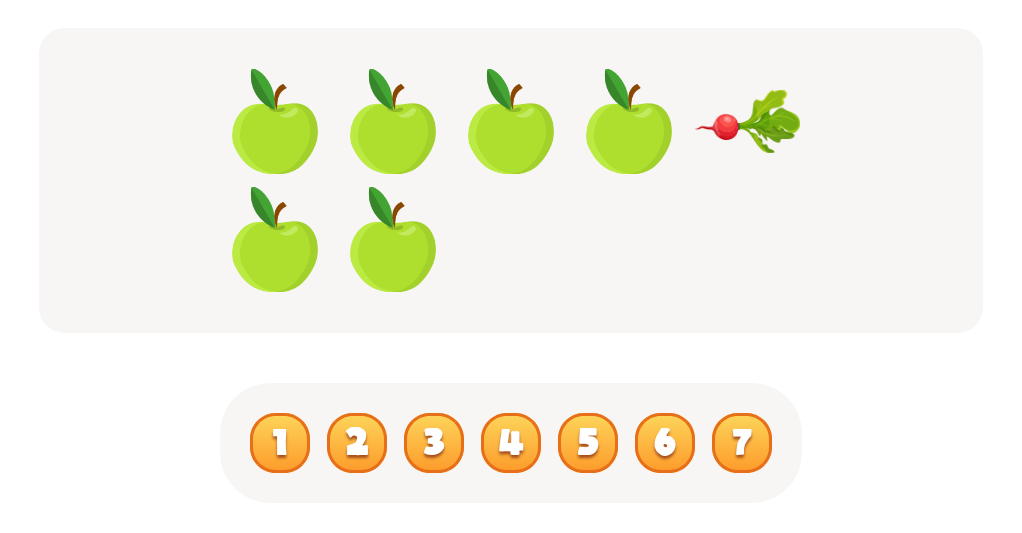
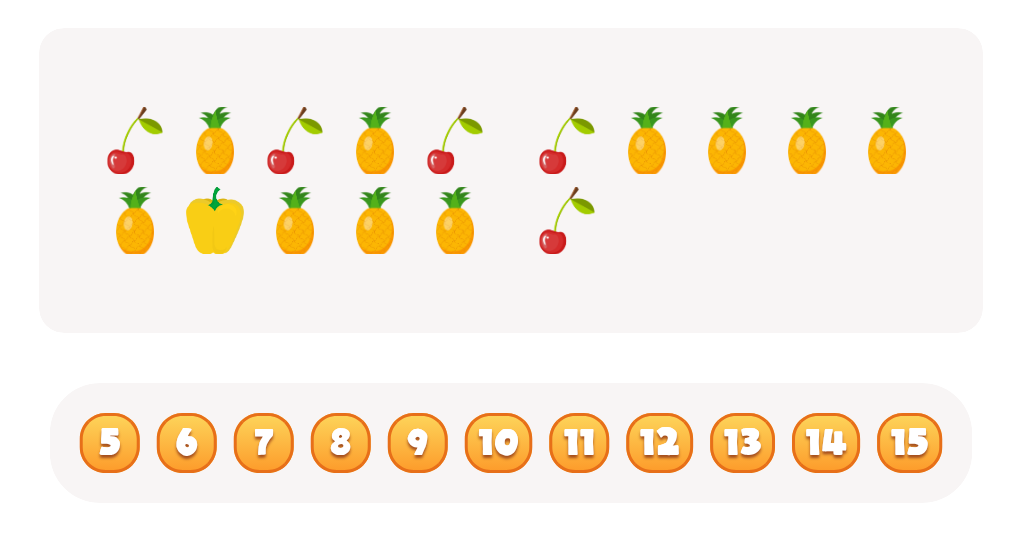
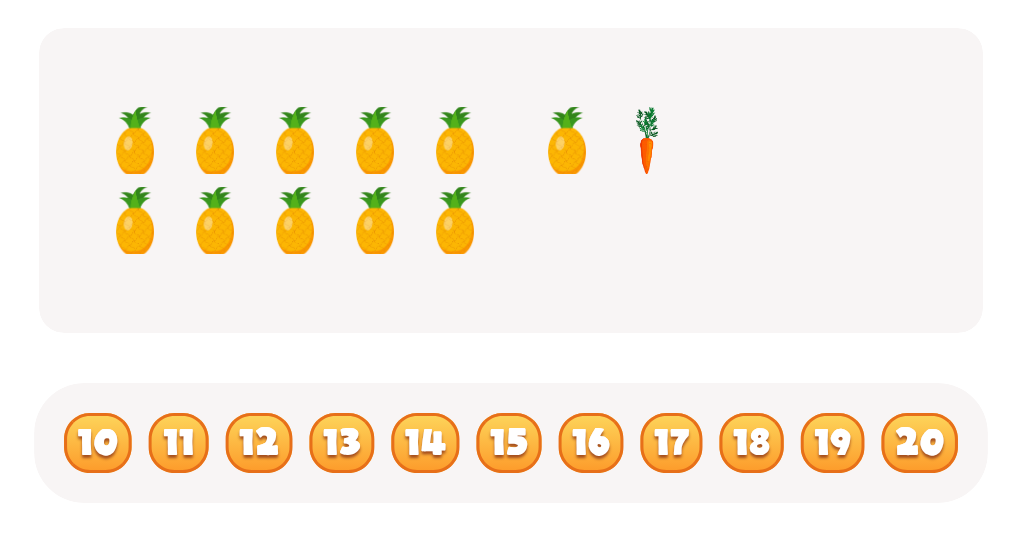
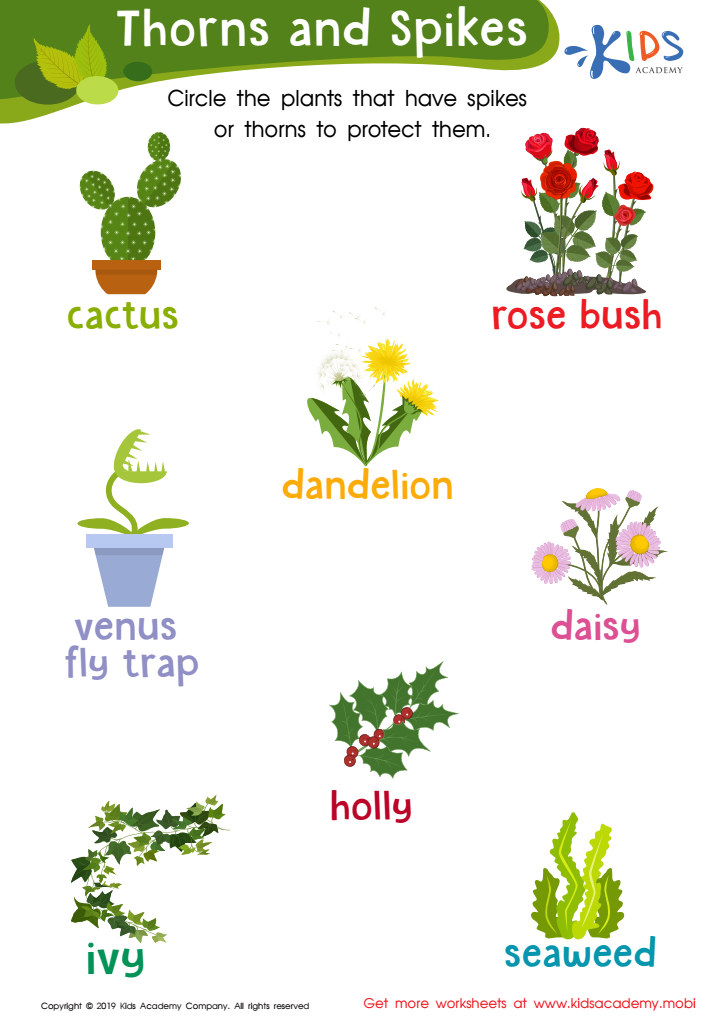
Thorns and Spikes Worksheet
Can your students name and identify the plants and flowers in this worksheet? Ask them to read out the names and circle the ones with spikes or thorns. Help them appreciate nature's beauty and understand how plants protect themselves.
Thorns and Spikes Worksheet
Worksheet
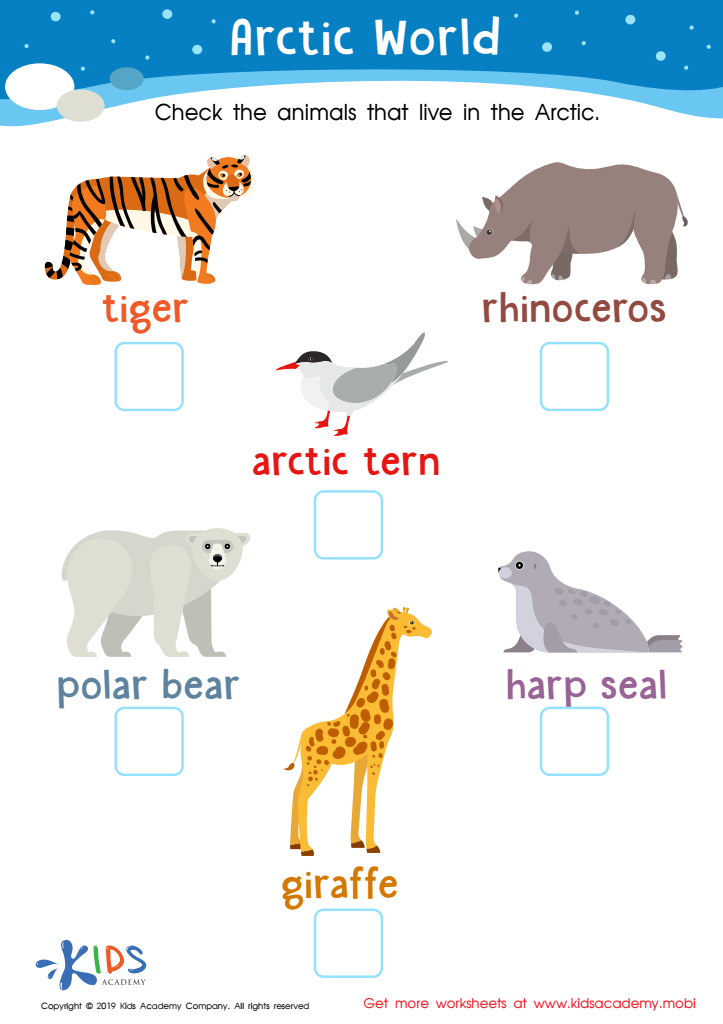
Arctic World Worksheet
Ask your students if they know where the Arctic is located and what lives there. If not, use a world atlas to show them. The Arctic is very cold and snow-covered; native animals have adapted to survive the harsh conditions. Look at the animals in the worksheet and help your students decide which ones live in the Arctic.
Arctic World Worksheet
Worksheet
Join Kids Academy for Free
Who is primarily going to use this learning content?







At ages 3-4, young children are at a critical developmental stage where their brains are highly receptive to absorbing new information and skills. Introducing critical thinking through normal plants and animals at this age offers numerous benefits that parents and teachers should care about.
Firstly, engaging with the environment helps foster curiosity and inquisitiveness. Discussing the traits, habitats, and growth patterns of plants and animals nurtures observational skills and encourages children to ask questions about the world around them. This is foundational for developing critical thinking later in life.
Secondly, early exposure to concepts of life sciences introduces children to scientific thinking. Learning to differentiate between various plants and animals, their needs, and their life cycles helps children begin to categorize information and draw basic connections, which are crucial for problem-solving and analytical skills.
Additionally, understanding nature encourages empathy and appreciation for living beings. Kids who engage with nature are more likely to develop a sense of responsibility and stewardship for the environment.
Furthermore, these activities often involve hands-on learning – whether it's planting seeds or observing animals. This multisensory approach helps reinforce learning and makes the experience memorable and enjoyable.
By integrating these elements into early education, parents and teachers set the groundwork for robust intellectual and emotional development, positioning children to become thoughtful and informed individuals.