Alphabetical order understanding Normal Worksheets for Ages 3-5
4 filtered results
-
From - To
Explore our engaging "Alphabetical Order Understanding Normal Worksheets" designed specifically for children ages 3-5! These fantastic resources from Kids Academy provide a fun, interactive way for young learners to grasp the concept of alphabetical order. With colorful visuals and easy-to-follow instructions, toddlers and preschoolers will enjoy sorting and organizing letters while enhancing their early literacy skills. Ideal for both classroom and home use, these worksheets foster a foundational understanding of the alphabet, preparing your child for successful reading and writing. Watch their confidence grow as they master the ABCs with Kids Academy today!
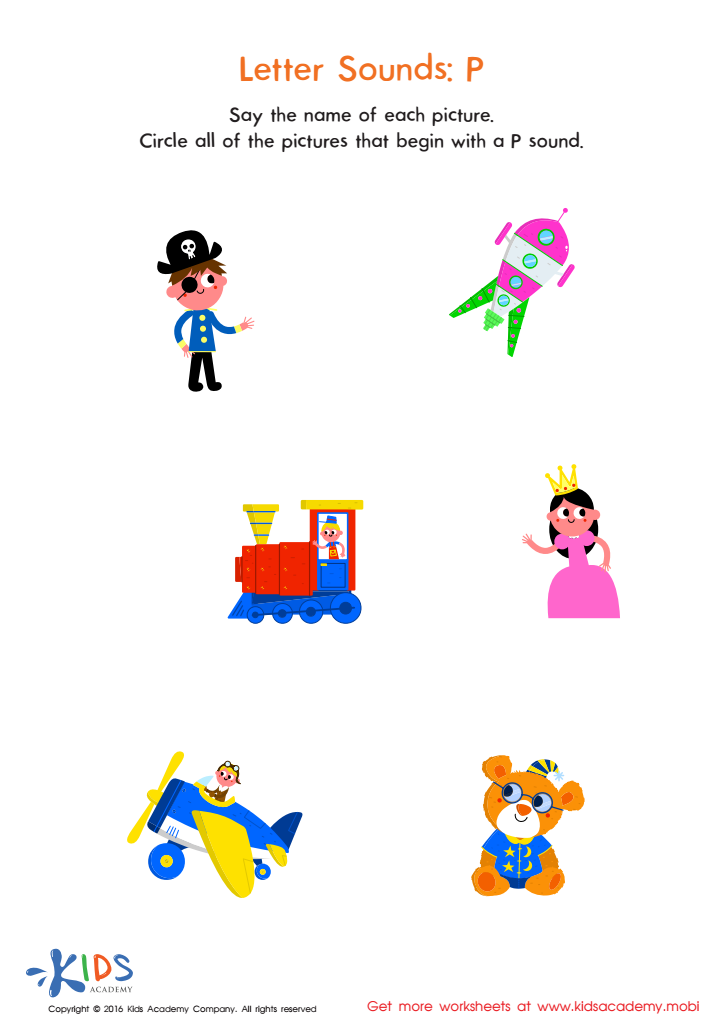
Letter P Sound Worksheet
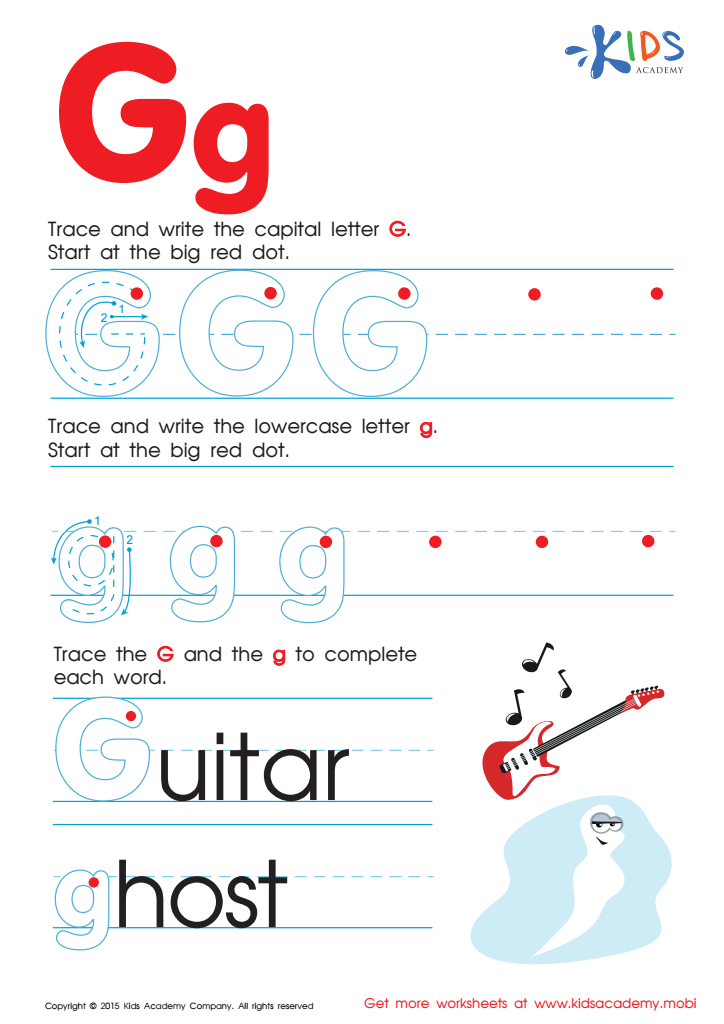
Letter G Tracing Page
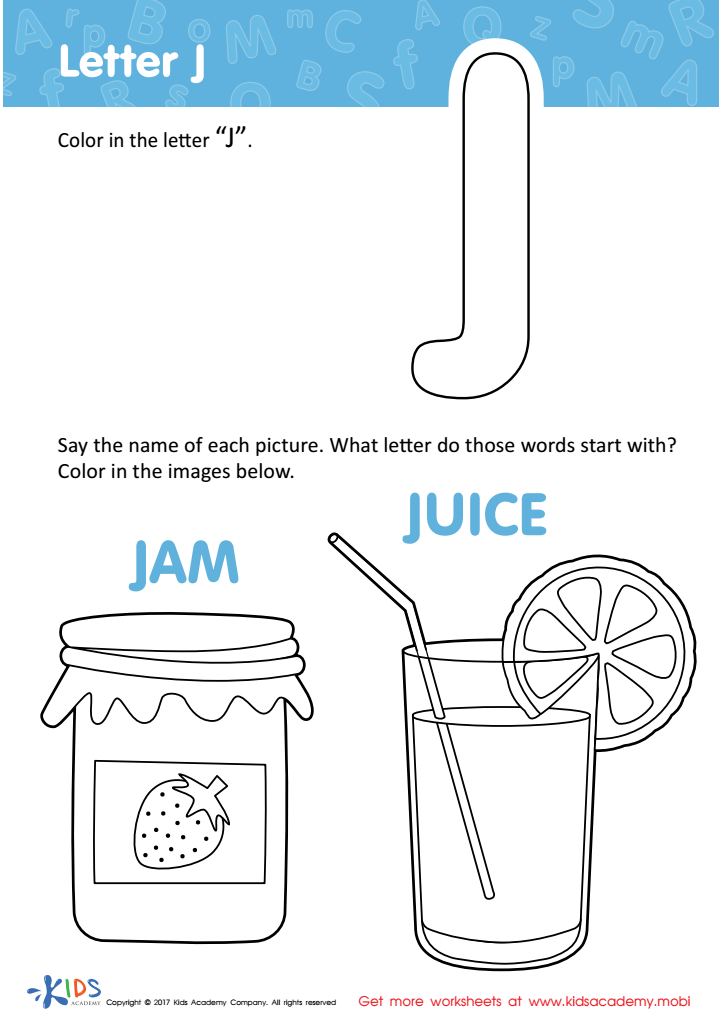
Letter J Coloring Sheet
 Assign to My Students
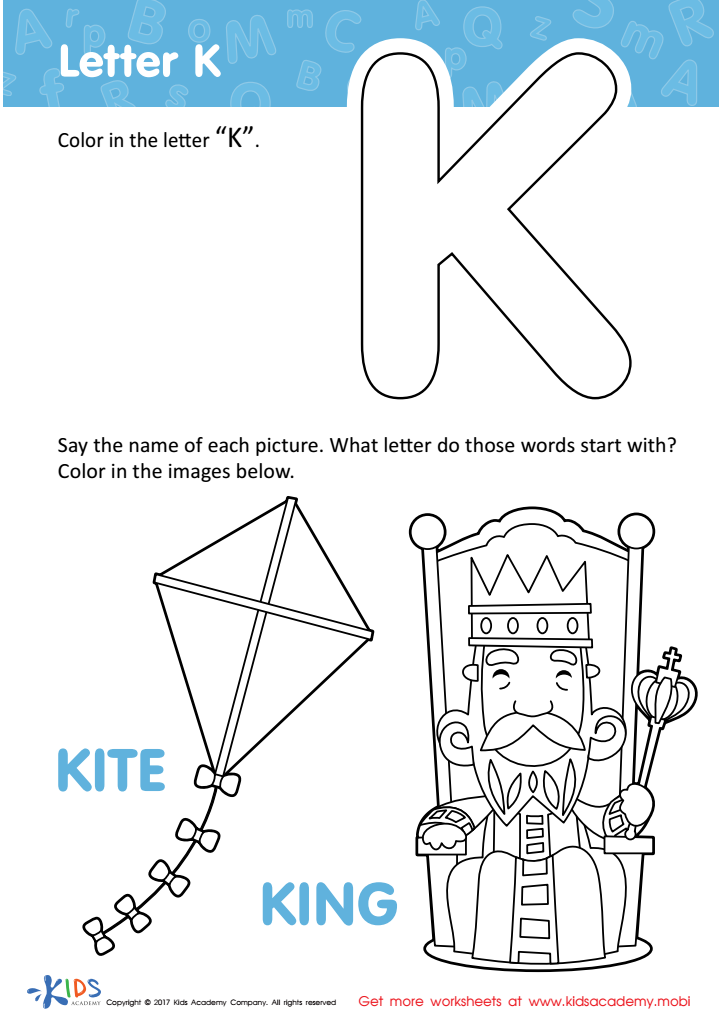
Letter K Coloring Sheet
Assign to My Students







Understanding alphabetical order is not just an academic task; it's a foundational skill that supports various aspects of a child's cognitive and developmental growth. For children aged 3-5, learning alphabetical order nurtures early literacy, which is critical in setting the stage for successful reading and writing.
At this age, grasping the concept of alphabetical order helps in recognizing letters and their sequential nature. This awareness boosts children's ability to decode words, a key component in developing reading skills. It creates a structure that makes language more predictable and manageable for young learners, thereby reducing frustration and building confidence.
Moreover, understanding alphabetical order develops cognitive skills such as memory, sequencing, and categorization. These skills are broadly applicable across various learning scenarios, from following instructions to sorting objects. Alphabet knowledge also empowers children to use resources like dictionaries, engage in activities like singing the alphabet song, and organize their thoughts more logically.
On a social-emotional level, mastering such a ubiquitous system gives children a sense of accomplishment and boosts their self-esteem. When parents and teachers facilitate an early understanding of alphabetical order, they are investing in the child's academic future and overall cognitive development, both indispensable for lifelong learning.








