Color Identification Normal Worksheets for Ages 3-5
17 filtered results
-
From - To
Welcome to our Color Identification Normal Worksheets for Ages 3-5! These engaging worksheets are designed to help young learners explore and identify colors through fun activities and vibrant visuals. Tailored for preschool and kindergarten children, our resources promote fine motor skills, visual discrimination, and color recognition. Each worksheet features interactive tasks that capture children's interest, making learning enjoyable and effective. Perfect for parents and educators, these printable worksheets provide valuable practice for early childhood development. Spark creativity and enhance your child's learning experience with our color identification worksheets today! Discover the joy of learning colors in a playful and stimulating environment.
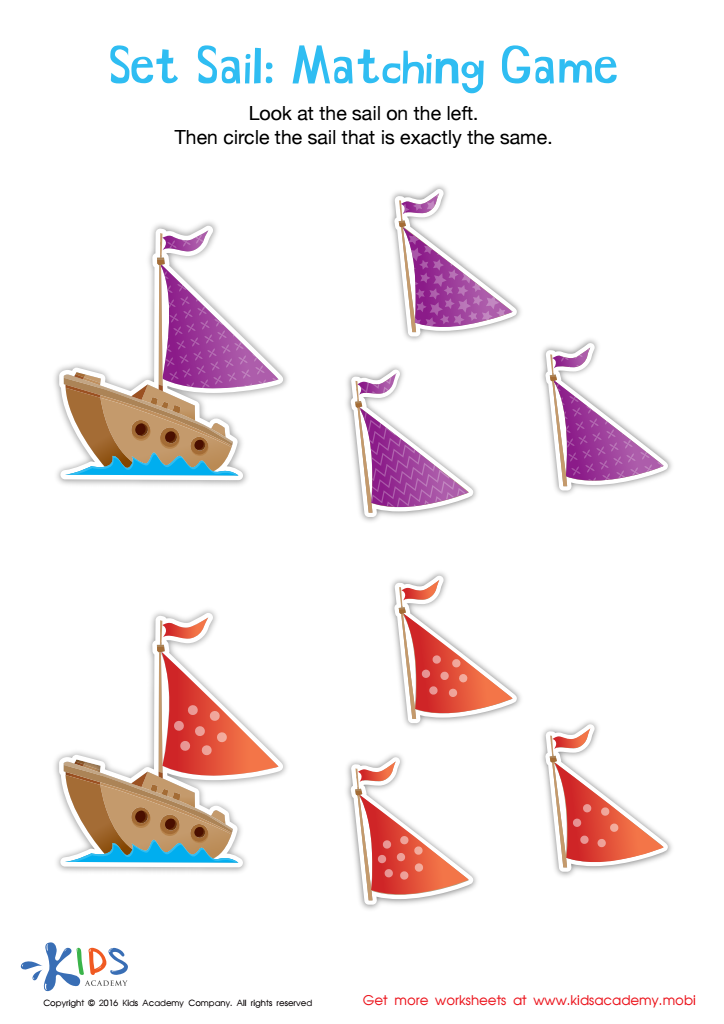
Set Sail Worksheet
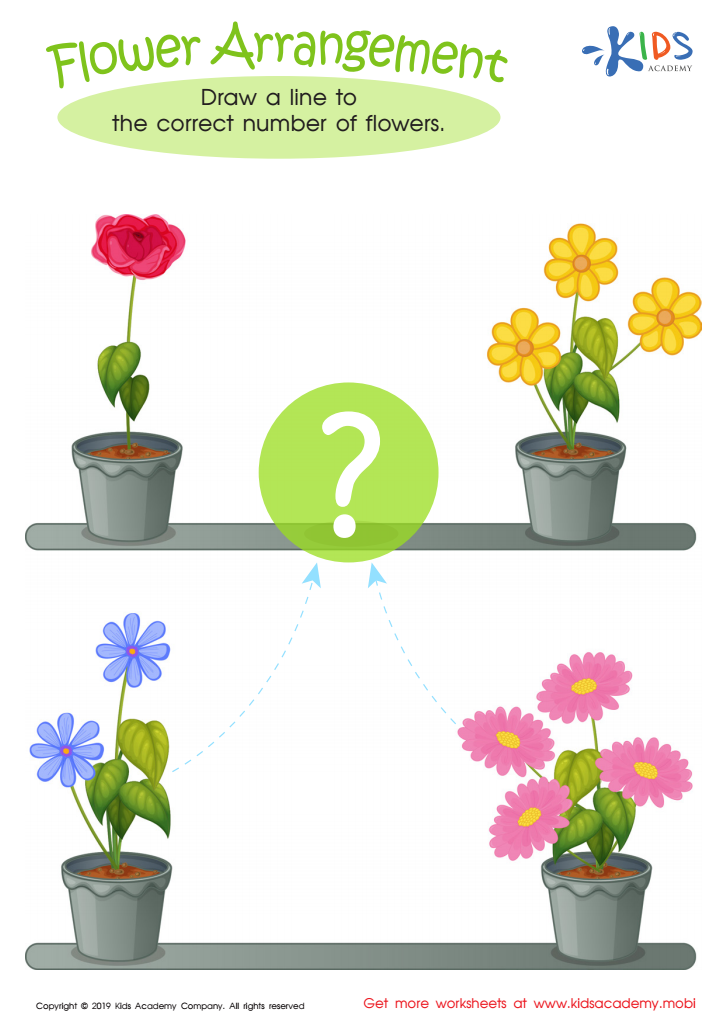
Flower Arrangement Worksheet
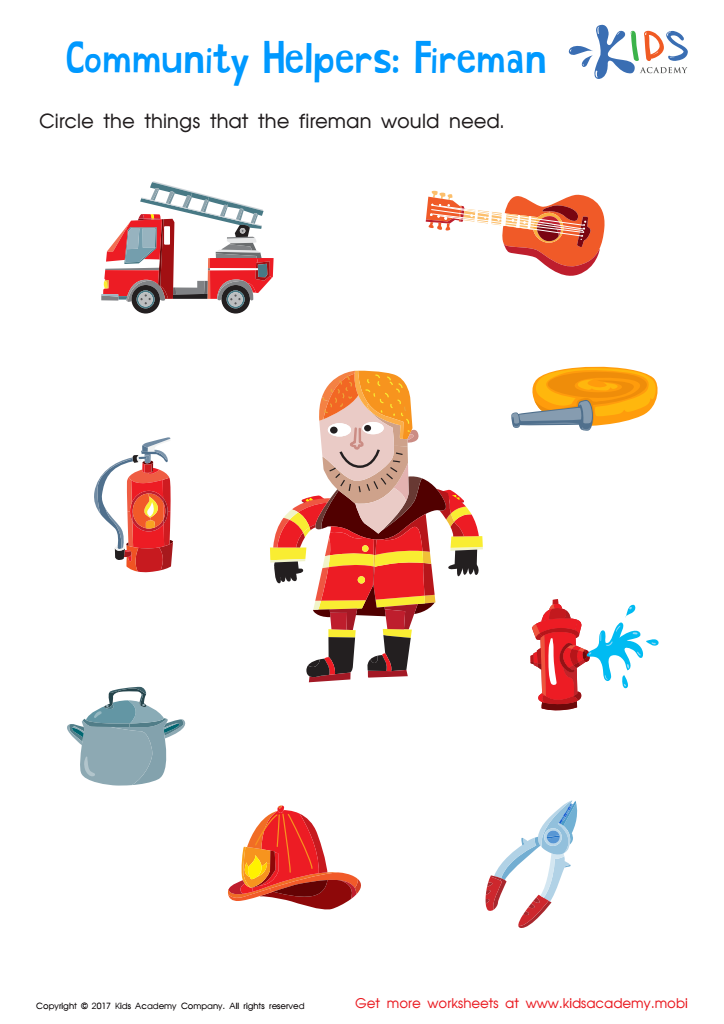
Fireman Worksheet
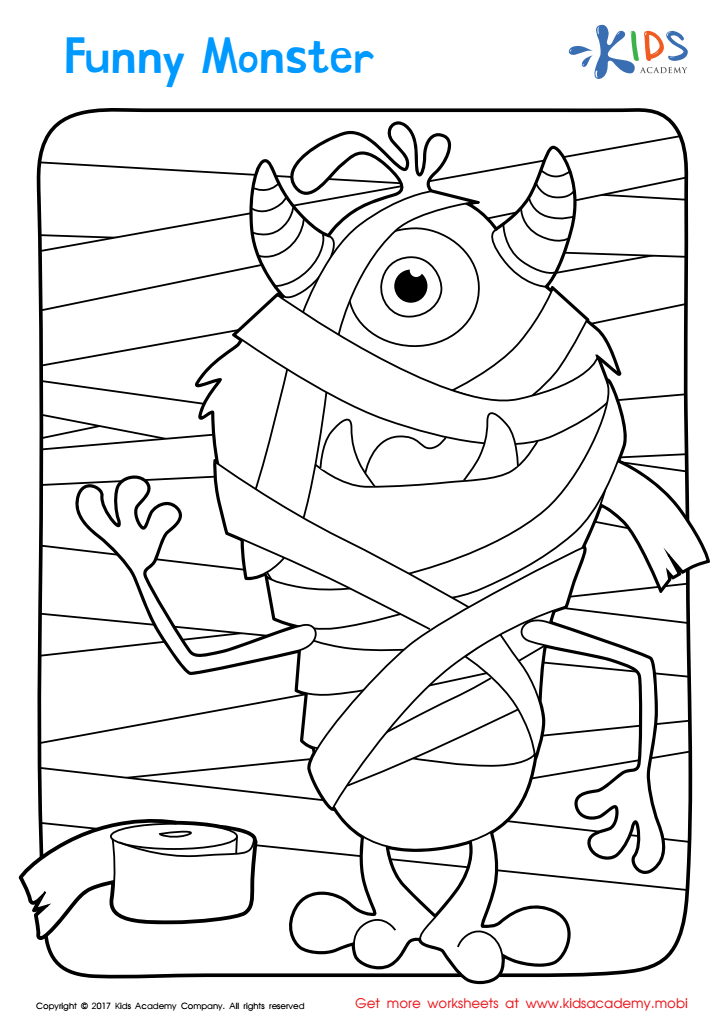
Halloween: A Funny Monster Worksheet
 Assign to My Students
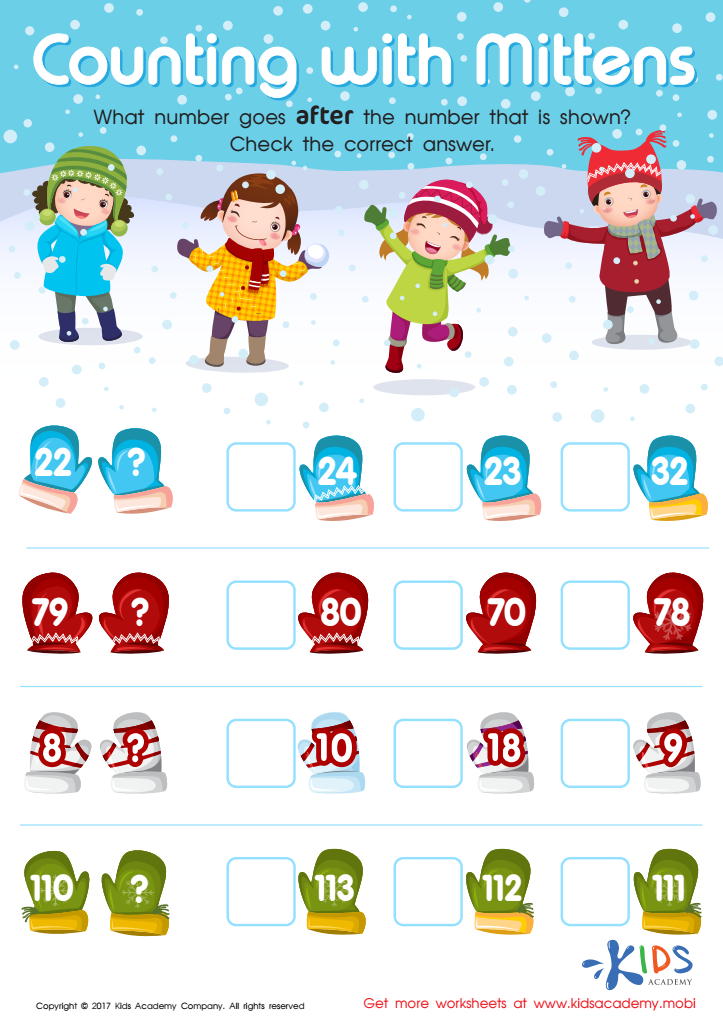
Counting with Mittens Worksheet
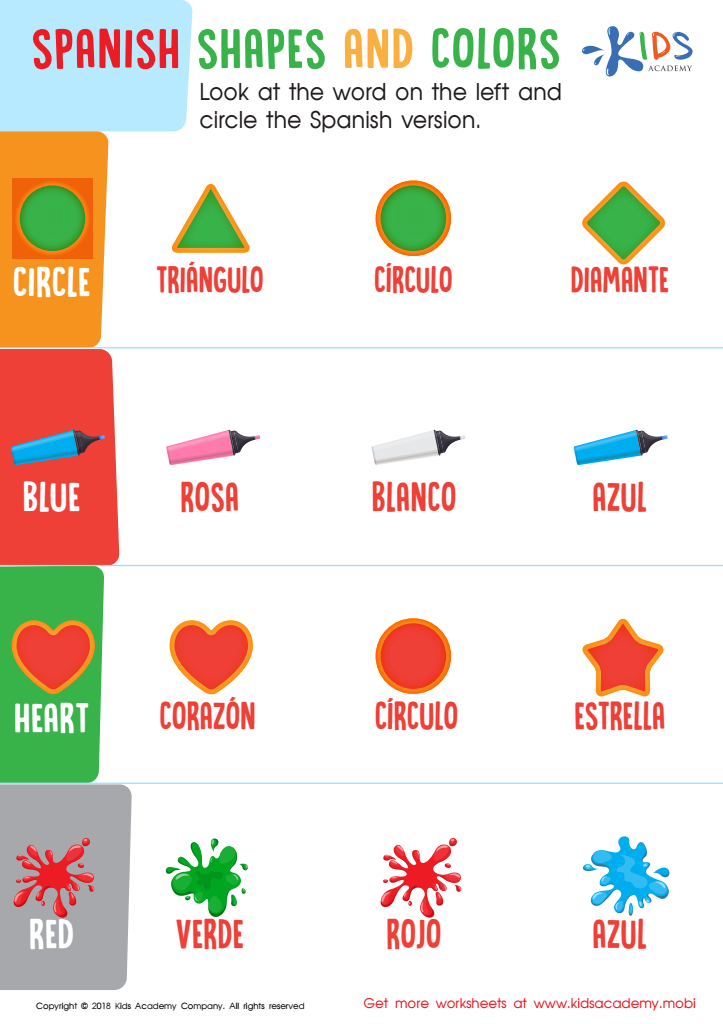
Spanish Shapes and Colors Worksheet
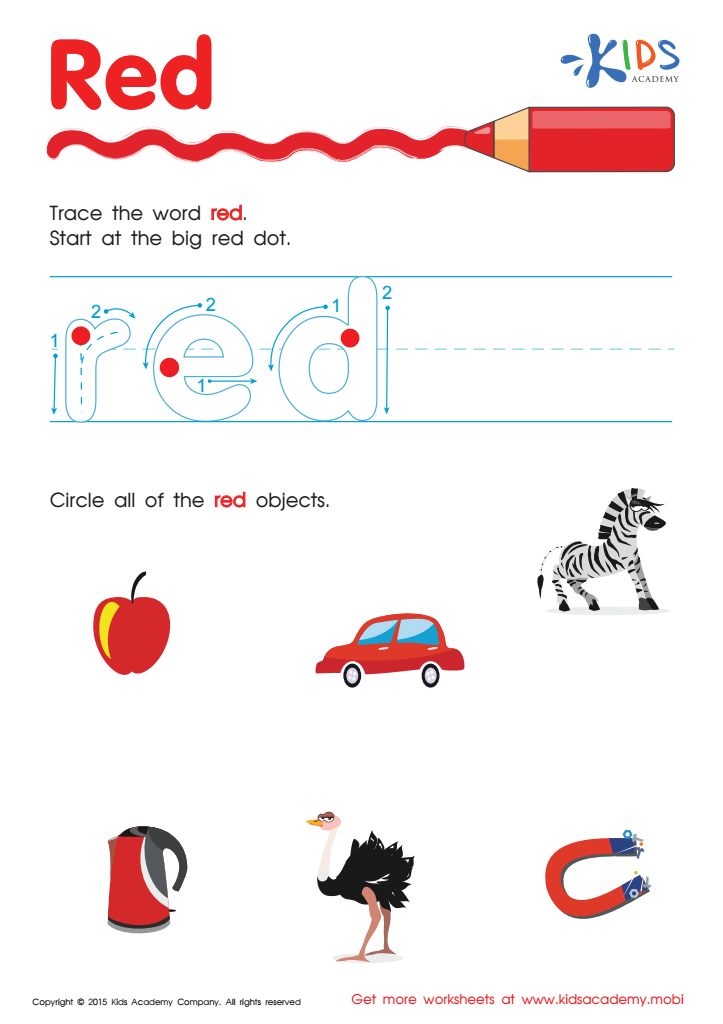
Red Tracing Color Words Printable
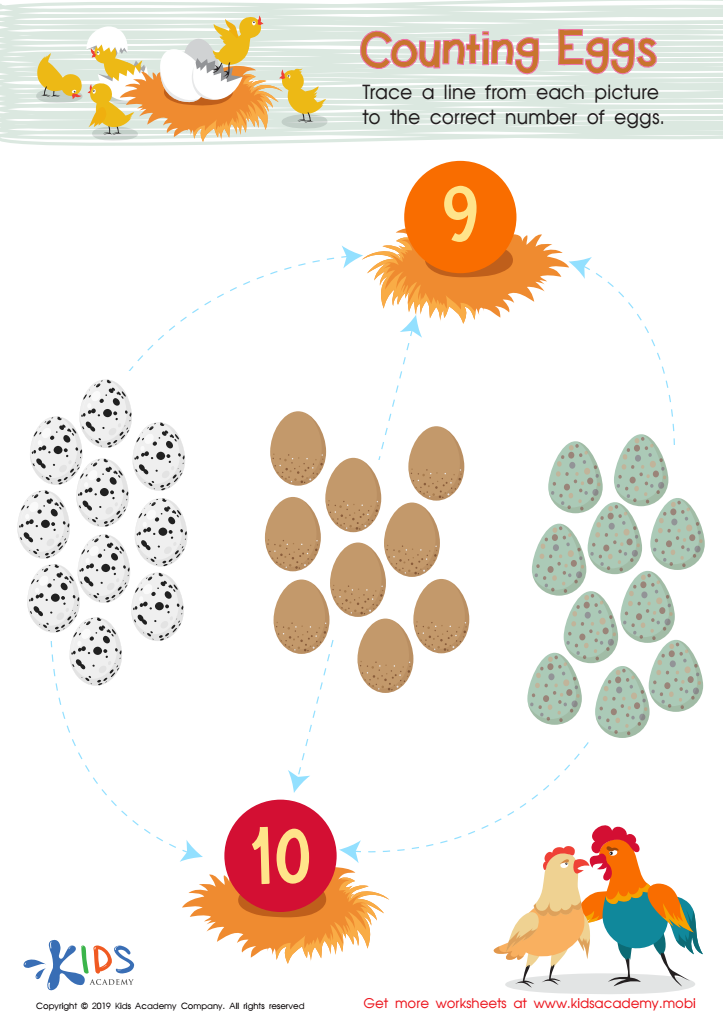
Counting Eggs Worksheet
Sea Horses Printable
Assign to My Students
Sloth Worksheet
Assign to My Students
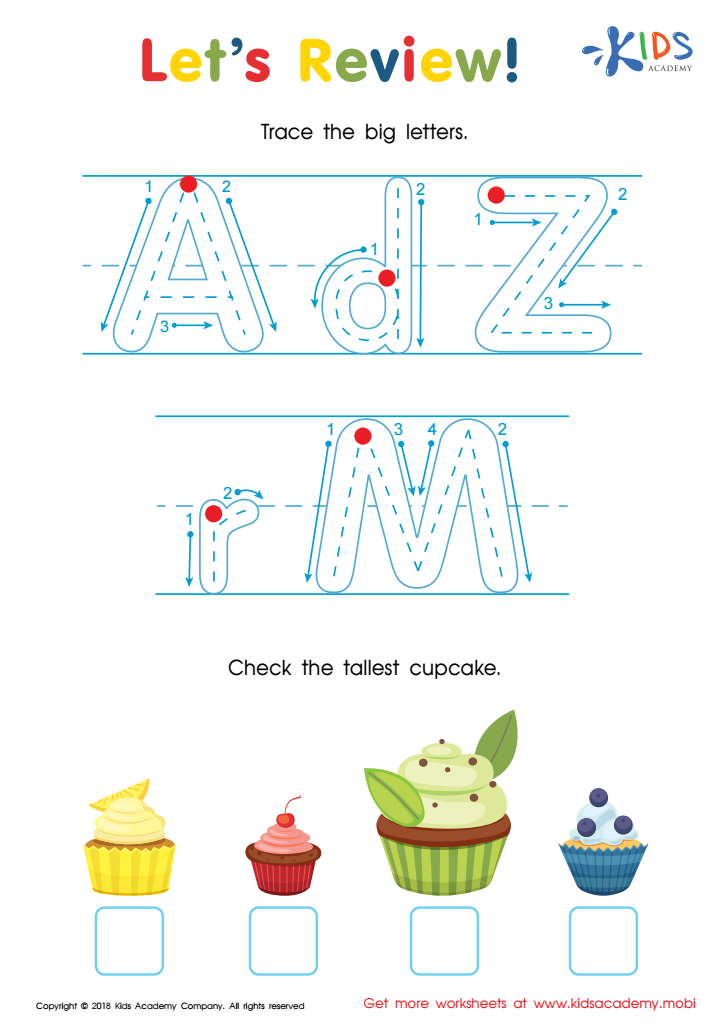
Let's Review! Big Letters Worksheet
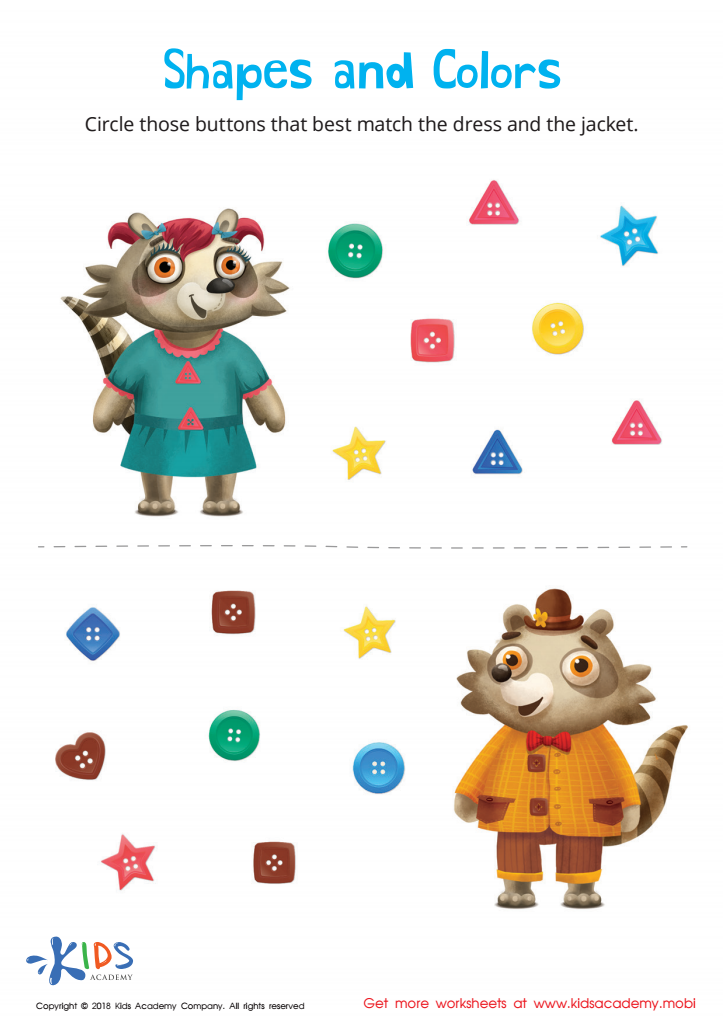
Shapes and Colors Worksheet
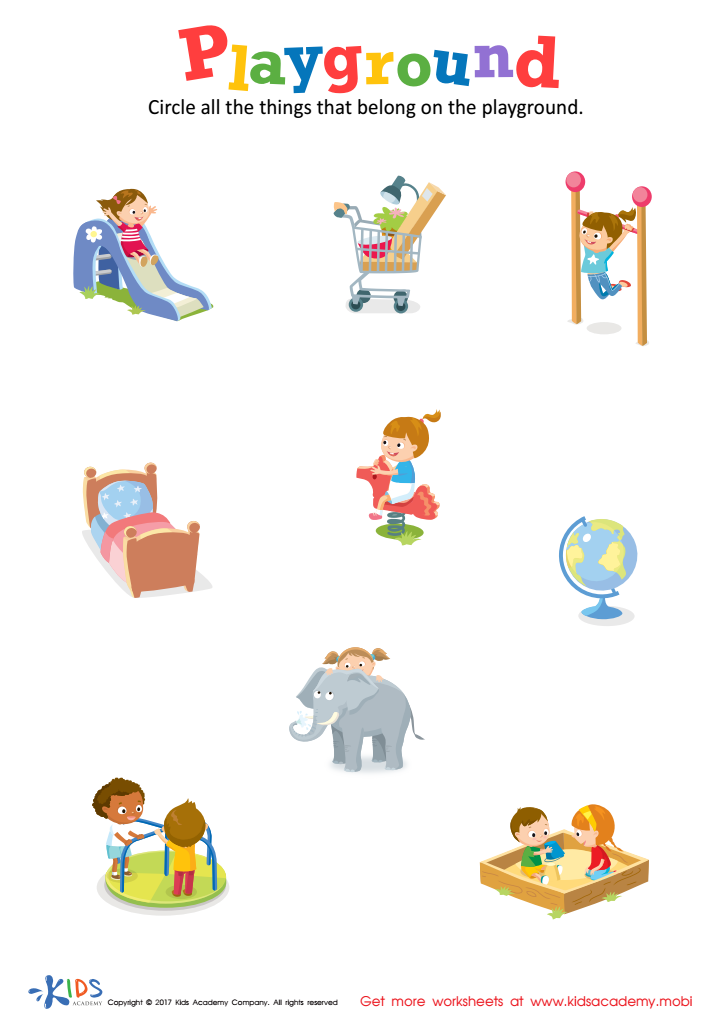
Playground Worksheet
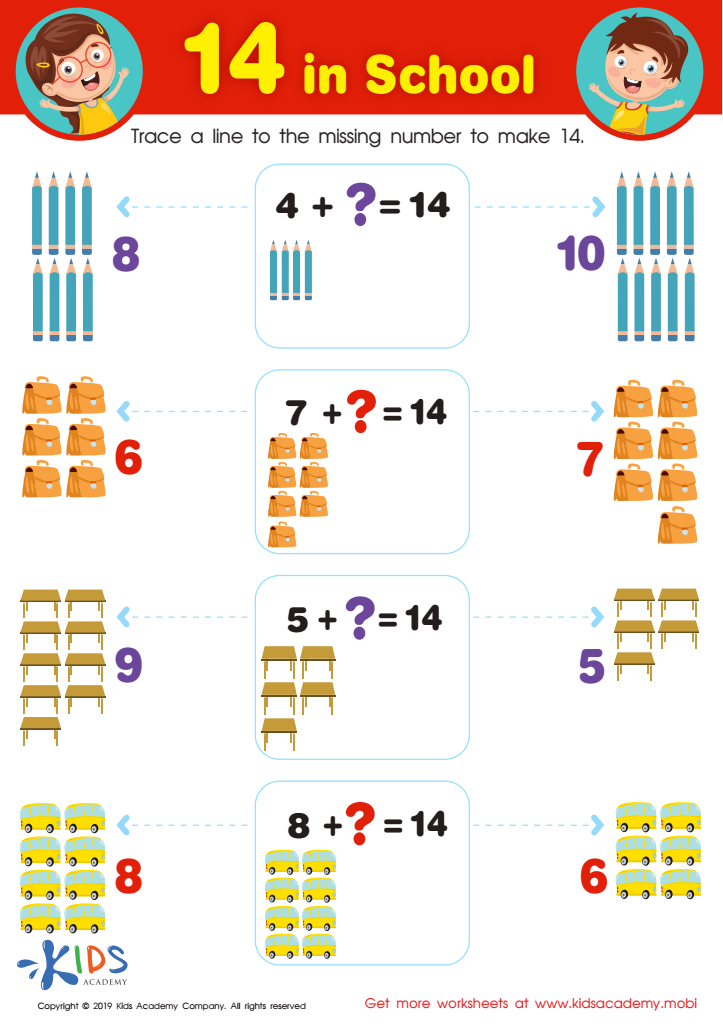
14 in School Worksheet
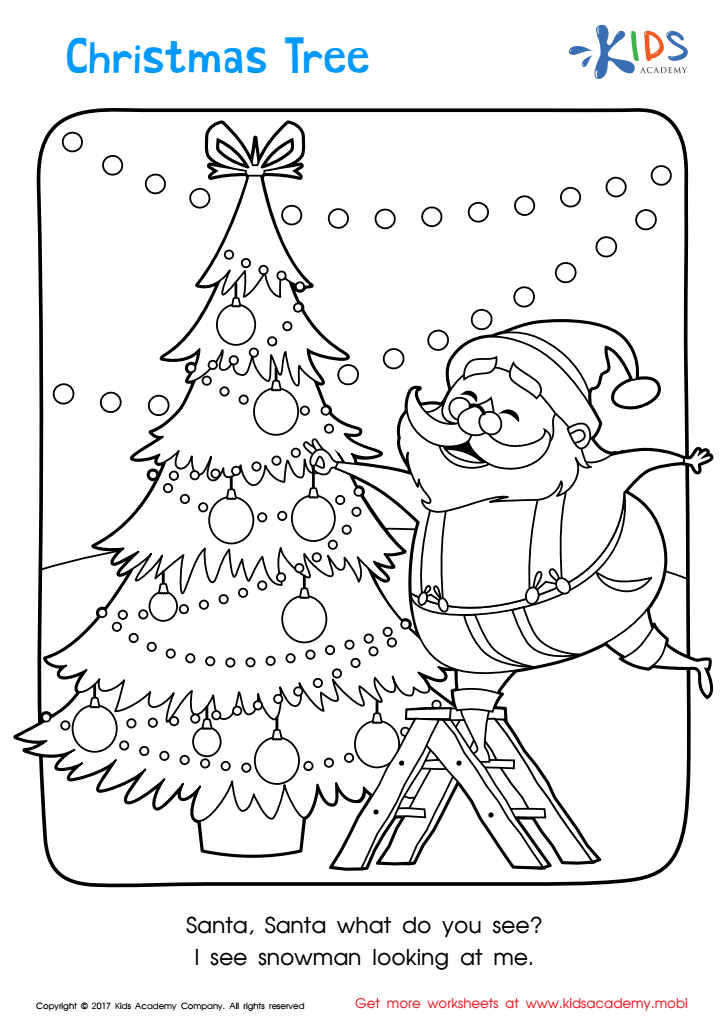
Christmas: Christmas Tree Printable
Assign to My Students








Color identification is a crucial developmental milestone for children ages 3-5 and plays a significant role in their early learning experiences. Parents and teachers should care about fostering this skill because it lays the foundation for various cognitive processes, enhancing children's ability to categorize and make sense of the world around them.
Understanding colors helps children develop crucial problem-solving skills and promotes language acquisition. When they learn to identify colors, they expand their vocabulary, enabling them to communicate effectively and express their observations. Additionally, colors often serve as a gateway to more complex concepts, such as sorting and patterning, which are essential for early math skills.
Early color identification activities can also contribute to social skills as children engage in group play and collaborative tasks that rely on color recognition. Furthermore, recognizing colors often enhances a child's creativity; engaging with visual art, nature, and storytelling becomes more enriching when color is understood and appreciated.
By actively participating in supporting color identification, parents and teachers can ensure that children are not only ready for academic success but also developing holistically, leading to a more profound understanding and appreciation of their environment.








